
How Pregnancy Affects Taste Buds and Food Preferences

Pregnancy is a transformative time in a woman's life, not just physically but also in terms of sensory experiences. One of the most noticeable changes during pregnancy is the way food tastes.
Many women report sudden cravings or aversions to foods they once loved. In this article, we’ll explore how pregnancy affects taste buds, food preferences, and what causes these changes.
The Science Behind Changes in Taste
Pregnancy triggers a series of hormonal changes, which can significantly affect how women experience food. The primary culprit behind these taste changes is the surge in hormones such as human chorionic gonadotropin (hCG) and progesterone.
These hormones are essential for maintaining pregnancy, but they can also interfere with the way taste buds respond to food.
Hormonal fluctuations can make women more sensitive to certain flavors, such as sweet, salty, or bitter. The heightened sense of taste can sometimes cause food to taste stronger or even unpleasant.
Some women report that they suddenly develop an intense dislike for previously enjoyed flavors, while others may experience heightened cravings for specific foods.
 Common Taste Changes During Pregnancy
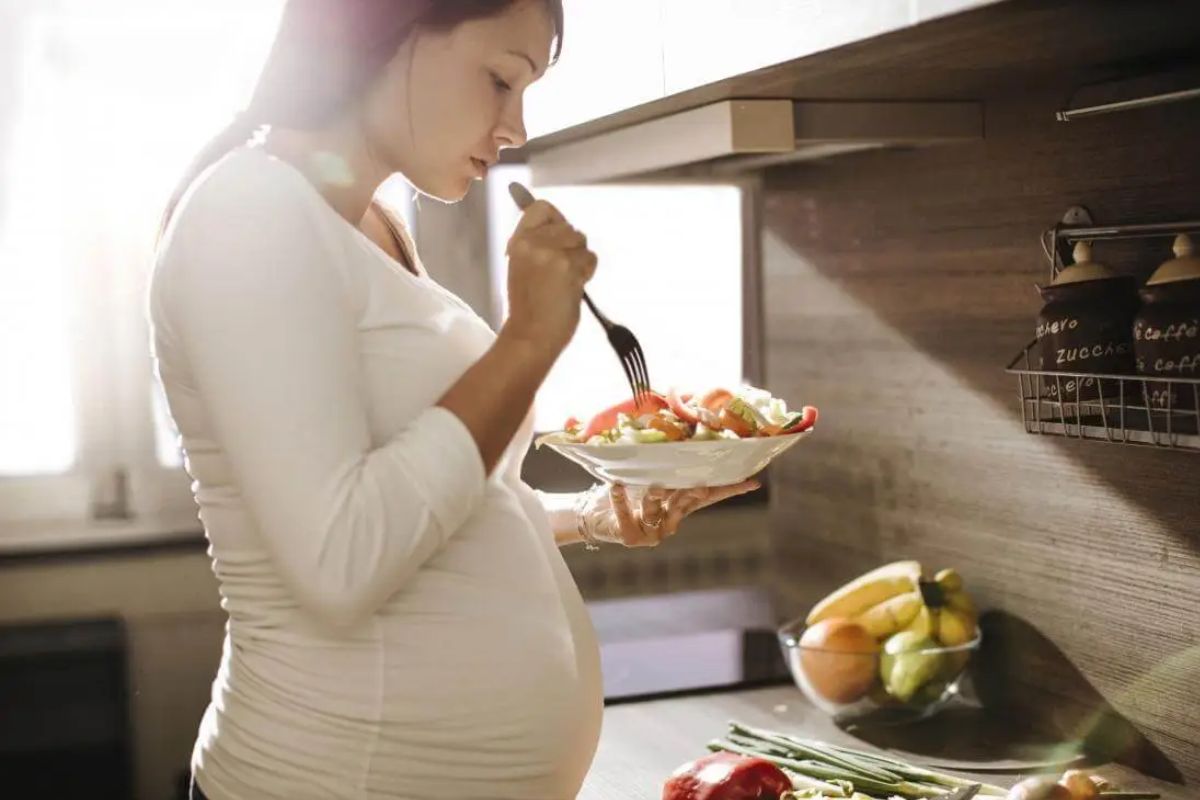 Common Taste Changes During Pregnancy
Heightened Sensitivity to Certain Flavors
One of the most common changes that pregnant women experience is an increased sensitivity to bitter tastes. This heightened sensitivity can make vegetables like broccoli or spinach seem much more bitter than before, leading to aversions.
Similarly, some women may develop a stronger craving for sweet or salty foods, while others find their preference for spicy or sour foods intensifies.
Cravings for Specific Foods
Pregnancy cravings are widely recognized but not fully understood. These cravings often include foods that a woman may not have eaten much of before pregnancy, such as pickles, chocolate, or unusual combinations like peanut butter and pickles.
While it’s unclear why these cravings happen, they are likely influenced by hormonal changes, emotional responses, and nutritional needs.
Some experts suggest that cravings may even serve as a way for the body to fulfill a nutrient deficit. For example, a desire for salty foods may indicate a need for sodium, while cravings for dairy might indicate the body is seeking calcium.
Food Aversion and Nausea
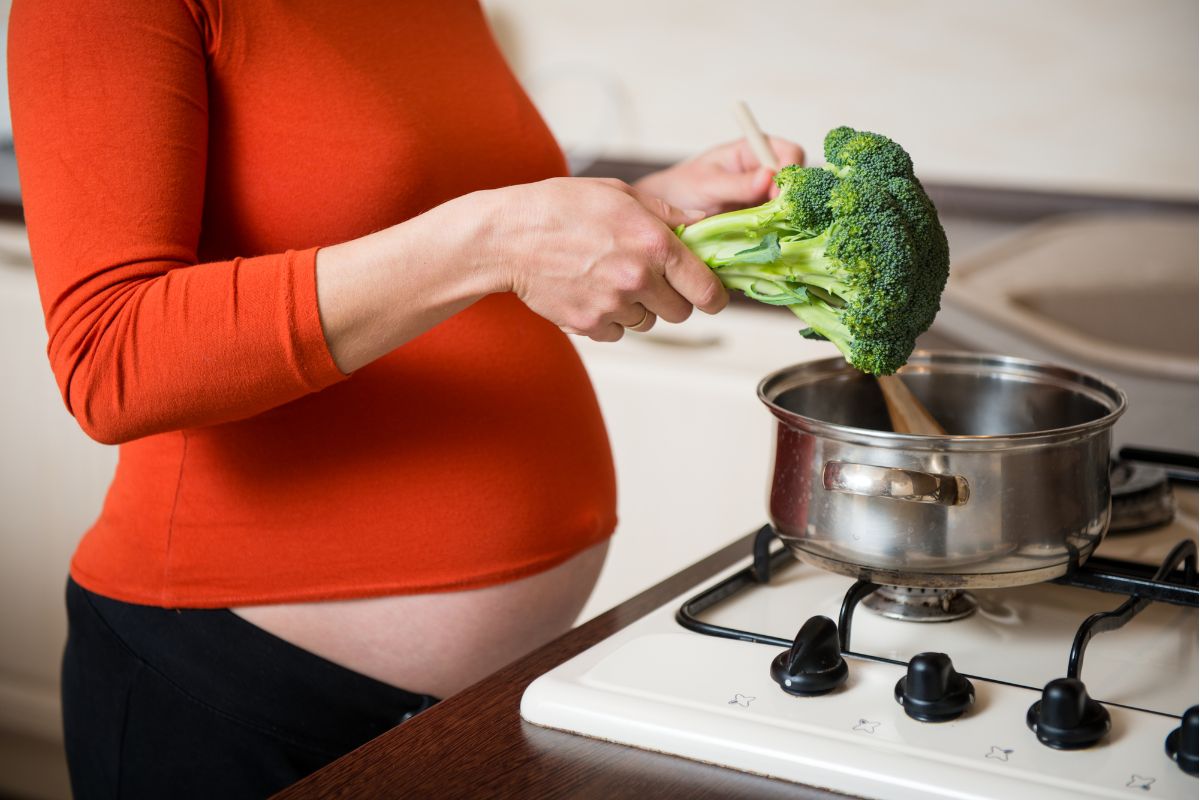 Food Aversion and Nausea
In addition to cravings, many pregnant women experience food aversions. Foods that were once enjoyed may suddenly trigger nausea or disgust. This is particularly common in the first trimester, often due to the rise in hCG levels.
Foods with strong odors, like coffee or meat, can be particularly off-putting. A sudden aversion to these foods might not last the entire pregnancy but can significantly impact a woman’s diet for several weeks or months.
The Impact of Pregnancy on Smell
Taste and smell are closely connected, and during pregnancy, the sense of smell becomes more sensitive. This heightened sensitivity can enhance the perception of certain flavors and trigger nausea or food aversions.
Strong smells, especially of cooking food, can be overwhelming for some women, exacerbating the dislike of certain foods. This is why some women become highly sensitive to the smell of meat or onions during pregnancy.
Emotional and Psychological Factors
 Emotional and Psychological Factors
Pregnancy can also affect food preferences on an emotional level. Hormonal changes, combined with the physical and emotional stress of pregnancy, can influence a woman's desire for comfort foods or familiar dishes.
Many women crave foods that make them feel safe, nourished, or comforted, which is why cravings for childhood favorites or family recipes are common.
On the other hand, mood swings during pregnancy can cause shifts in food preferences. A woman’s mood, anxiety levels, or even memories associated with certain foods may influence her cravings or aversions.
How to Manage Changing Food Preferences During Pregnancy
While the changes in food preferences can be overwhelming, there are ways to manage them:
Stay Hydrated: Dehydration can worsen food aversions and nausea. Drinking plenty of water throughout the day can help alleviate some of the discomfort associated with pregnancy cravings.
Balance Your Diet: It can be challenging to eat balanced meals when cravings or aversions take over. However, it's essential to ensure you get a variety of nutrients. If you're craving sweet foods, try choosing healthy fruits or smoothies instead of sugary snacks.
Small Meals: Pregnancy can make some women feel too full or nauseous after large meals. Eating smaller, more frequent meals throughout the day can help keep energy levels up and alleviate some symptoms of nausea.
Experiment with Different Flavors: If certain foods are unappealing, try experimenting with different seasonings or flavors. For example, adding lemon to vegetables might counteract bitterness or adding a dash of cinnamon to oatmeal can make it more enjoyable.
Navigating the Changing Landscape of Taste
 Navigating the Changing Landscape of Taste
Pregnancy is a journey that affects every aspect of a woman's body, and the changes in taste buds and food preferences are just one part of this incredible transformation.
Whether it’s craving unusual combinations, feeling repelled by certain flavors, or experiencing a heightened sense of taste, these changes are temporary and usually subside after childbirth.
Understanding how hormones influence the taste experience during pregnancy can help women navigate their food preferences more comfortably, ensuring that they get the nutrients they need while embracing their evolving sense of taste.
Did you find this post useful or inspiring? Save THIS PIN to your PARENTING Board on Pinterest! 😊


You may also like