
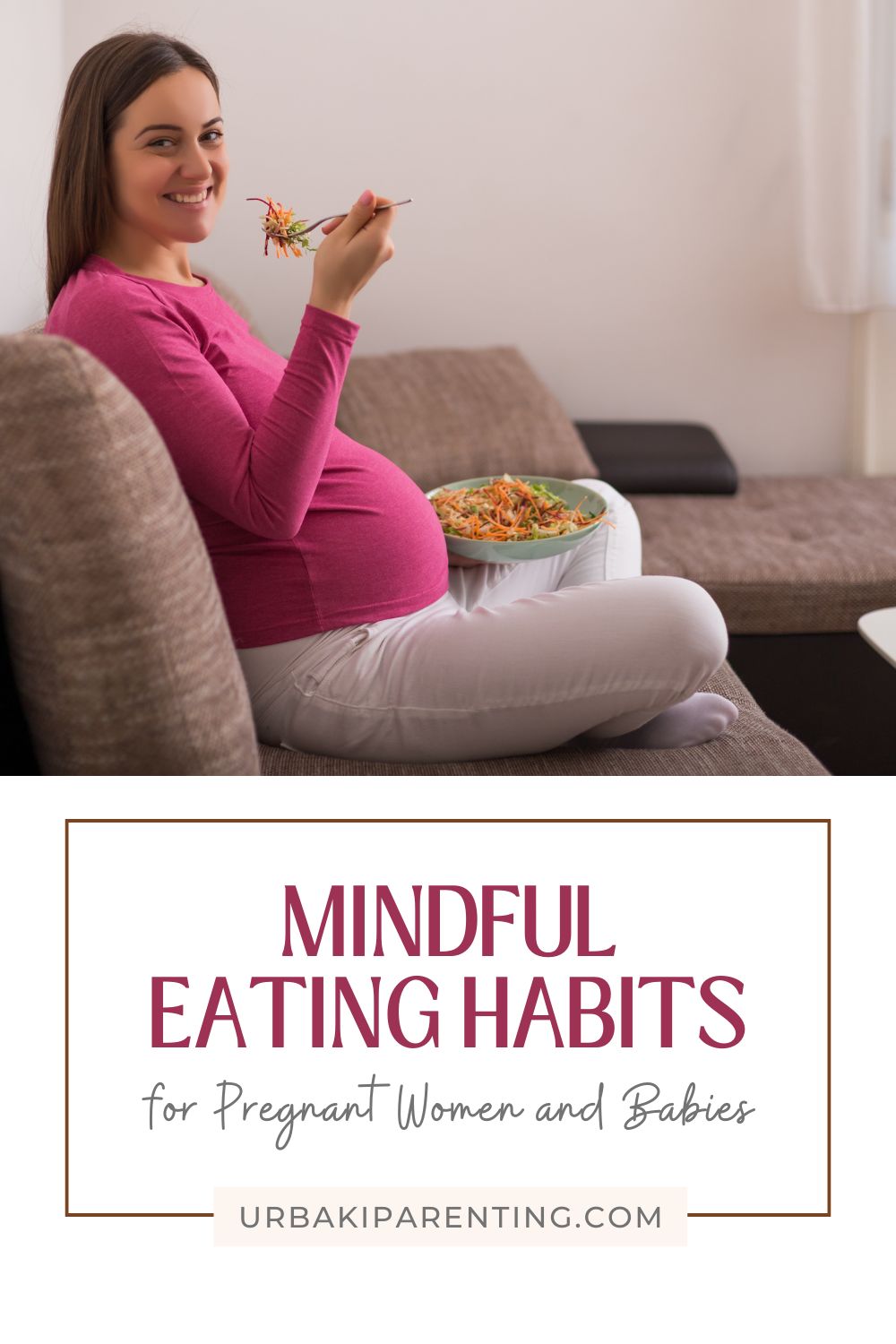
Mindful Eating Habits for Pregnant Parents and Their Babies

Pregnancy is an exciting and transformative time, full of changes for both the parent and the growing baby. One of the most important aspects of this journey is nutrition.
What you eat during pregnancy not only affects your health but also plays a crucial role in your baby's development. Adopting mindful eating habits can support both your physical and emotional well-being, creating a positive environment for your baby’s growth.
In this article, we’ll explore how mindful eating can benefit pregnant parents and their babies and offer tips for making healthier choices.
What is Mindful Eating?
Mindful eating is the practice of paying full attention to the experience of eating. It involves slowing down, savoring each bite, and being present during meals.
This approach helps you focus on how food makes you feel, both physically and emotionally, and encourages healthier, more balanced choices. Mindful eating isn’t just about the foods you choose, but also about how and why you eat.
It’s about reconnecting with your body’s natural hunger and fullness cues and fostering a positive relationship with food.
 Why Mindful Eating is Important During Pregnancy
 Why Mindful Eating is Important During Pregnancy
During pregnancy, a person’s body goes through significant changes. With these changes come heightened emotional and physical responses, and food choices can impact everything from energy levels to mood. By practicing mindful eating, pregnant parents can:
1. Nourish the Body and Baby
Pregnancy requires additional nutrients to support the growth and development of the baby. Practicing mindful eating can help ensure that you make more conscious food choices that nourish both your body and your baby.
Being present at mealtimes helps you avoid overeating or reaching for unhealthy snacks, allowing you to focus on whole foods that provide essential vitamins, minerals, and protein.
2. Manage Pregnancy-Related Symptoms
Pregnancy can bring about a range of symptoms such as nausea, heartburn, or food cravings. Mindful eating helps you tune into your body's signals, allowing you to better manage these symptoms.
For instance, eating smaller, more frequent meals can help reduce nausea and heartburn, while focusing on balanced, nutrient-dense foods can minimize cravings for sugary or processed snacks.
3. Improve Emotional Health
 3. Improve Emotional Health
Pregnancy can be an emotional rollercoaster. Mindful eating promotes a deeper connection with your body and emotions, helping you navigate the ups and downs of pregnancy with a clearer mind.
When you eat mindfully, you’re more likely to make decisions that support your emotional health by choosing foods that uplift your mood rather than turning to comfort foods that might not offer the same nourishment.
How to Practice Mindful Eating During Pregnancy
Creating mindful eating habits during pregnancy is about being intentional with your choices and slowing down. Here are some practical tips for incorporating mindful eating into your daily routine:
1. Listen to Your Body’s Hunger Cues
Pregnant bodies go through fluctuating hunger levels. Some days, you may feel hungrier than others. The key is to listen to your body and eat when you're hungry rather than eating out of habit or boredom.
By paying attention to your body’s hunger cues, you can avoid overeating and ensure you’re eating in response to true hunger.
2. Eat Slowly and Savor Every Bite
 2. Eat Slowly and Savor Every Bite
It can be tempting to rush through meals, especially with a busy schedule. However, taking the time to chew your food slowly and savor each bite can help you enjoy the flavors and improve digestion.
This allows your brain to send signals to your body that you’re full, which can prevent overeating.
3. Choose Whole, Nutrient-Dense Foods
While it’s important to satisfy cravings during pregnancy, making sure that the majority of your meals are composed of whole, nutrient-dense foods is key. Focus on fruits, vegetables, whole grains, lean proteins, and healthy fats.
These foods are packed with the nutrients necessary for both your health and your baby’s development.
For example, leafy greens, avocados, and salmon are all excellent choices that provide essential vitamins, healthy fats, and omega-3s that are crucial for your baby’s brain development.
4. Stay Hydrated
Proper hydration is crucial during pregnancy. Sometimes, feelings of hunger can actually be signs of dehydration. Drinking plenty of water throughout the day not only helps with digestion and nutrient absorption, but it also supports the amniotic fluid surrounding your baby.
Carry a water bottle with you and take small sips throughout the day to stay hydrated.
5. Avoid Emotional Eating
Pregnancy can stir up a lot of emotions, and some parents may turn to food for comfort during stressful times. Mindful eating encourages you to explore why you’re eating.
Are you hungry? Or are you eating because you feel stressed, tired, or bored? By paying attention to your emotions, you can better manage emotional eating and choose healthier ways to cope with difficult feelings.
6. Create a Relaxed Eating Environment
 6. Create a Relaxed Eating Environment
When you’re rushing through meals, it’s easy to overlook the experience of eating. Set aside time to enjoy your food without distractions. Try eating without screens, such as your phone or television, and instead, focus on the flavors, textures, and colors of your meal.
A peaceful eating environment can help you connect more deeply with your food and your body.
The Impact of Mindful Eating on Baby’s Health
The benefits of mindful eating go beyond the parent’s well-being; they also contribute to the development of the baby.
By eating a balanced, nutrient-rich diet, you provide your baby with the necessary building blocks for growth and development. Here’s how mindful eating positively impacts your baby:
1. Supports Brain Development
Certain nutrients, such as omega-3 fatty acids (found in fish like salmon) and folate (found in leafy greens), are essential for your baby’s brain development.
By eating a variety of nutrient-dense foods, you provide your baby with the vitamins and minerals needed for proper neural growth and function.
2. Helps with Weight Management
 2. Helps with Weight Management
Maintaining a healthy weight during pregnancy is important for both you and your baby. Mindful eating allows you to focus on eating whole foods and avoiding excess sugars or processed foods.
This can help reduce the risk of gestational diabetes and ensure that your baby is growing at a healthy rate.
3. Fosters Healthy Habits for Baby
The foods you eat during pregnancy can influence your baby’s future food preferences and habits. By consuming a variety of flavors, you expose your baby to different tastes, which may encourage them to accept a wider range of foods as they grow.
Research shows that babies whose parents eat a variety of fruits and vegetables may be more likely to enjoy these foods later in life.
Nourishing Both You and Your Baby with Mindful Eating
Adopting mindful eating habits during pregnancy is about creating a positive relationship with food, staying connected to your body’s needs, and ensuring that both you and your baby receive the nourishment required for healthy growth.
By focusing on whole, nutrient-rich foods, staying hydrated, and paying attention to emotional and physical hunger cues, you can support your baby’s development while also enhancing your well-being.
Mindful eating is a journey that can benefit you throughout your pregnancy and beyond, fostering a healthy foundation for both you and your baby’s future.
Did you find this post useful or inspiring? Save THIS PIN to your PARENTING Board on Pinterest! 😊

You may also like