
Natural Birth vs. Medical Interventions: Weighing Your Options

Choosing how to bring a baby into the world is a deeply personal decision for expectant parents. The choice between a natural birth and one involving medical interventions can feel overwhelming.
Understanding the benefits, risks, and realities of both options can empower you to make the best decision for yourself and your baby.
In this article, we’ll explore the differences, weigh the options, and provide insights to help you prepare for a positive birth experience.
What is Natural Birth?
Natural birth generally refers to labor and delivery with minimal or no medical intervention. This means giving birth without the use of pain medications, epidurals, or labor-inducing drugs.
The focus is on allowing the body to progress naturally, often supported by techniques such as breathing exercises, relaxation methods, and continuous support from a midwife or doula.
 Benefits of Natural Birth
 Benefits of Natural Birth
Greater control: Many women feel more in tune with their bodies and the birth process.
Shorter recovery: Without medications or surgeries, recovery time is often quicker.
Lower risk of certain complications: Avoiding interventions can reduce risks like infections or reactions to anesthesia.
Immediate bonding: Natural birth often allows for quicker skin-to-skin contact and breastfeeding initiation.
Considerations for Natural Birth
Pain management: Without medication, labor pain can be intense, and it requires preparation and coping strategies.
Unpredictability: Labor progression varies; some may need to switch to medical support if complications arise.
Support needed: Having skilled support during labor is essential to manage pain and emotional stress.
Understanding Medical Interventions in Birth
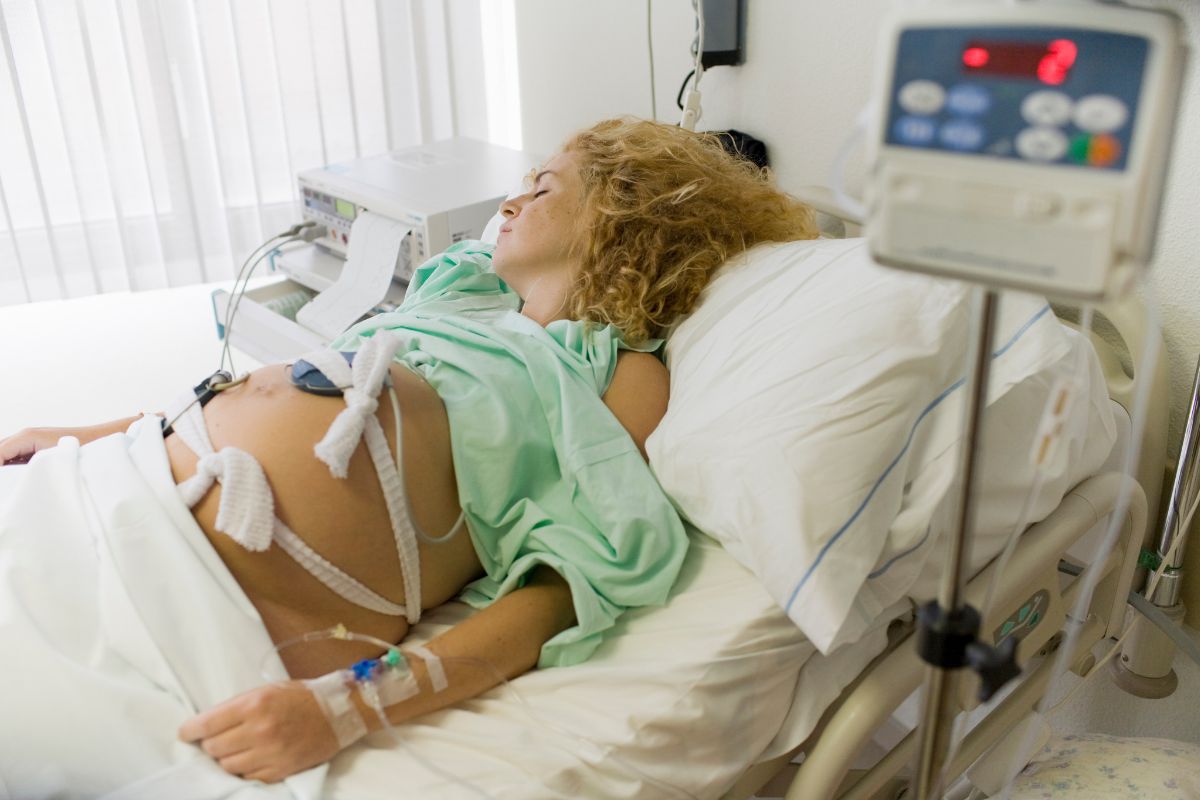
Medical interventions include a wide range of procedures such as epidurals, labor induction, cesarean sections (C-sections), episiotomies, and use of forceps or vacuum. These interventions can be planned or arise as responses to labor complications.
Common Medical Interventions
 Common Medical Interventions
Epidural anesthesia: Provides pain relief during labor by numbing the lower body.
Induction of labor: Using medications or techniques to start labor artificially.
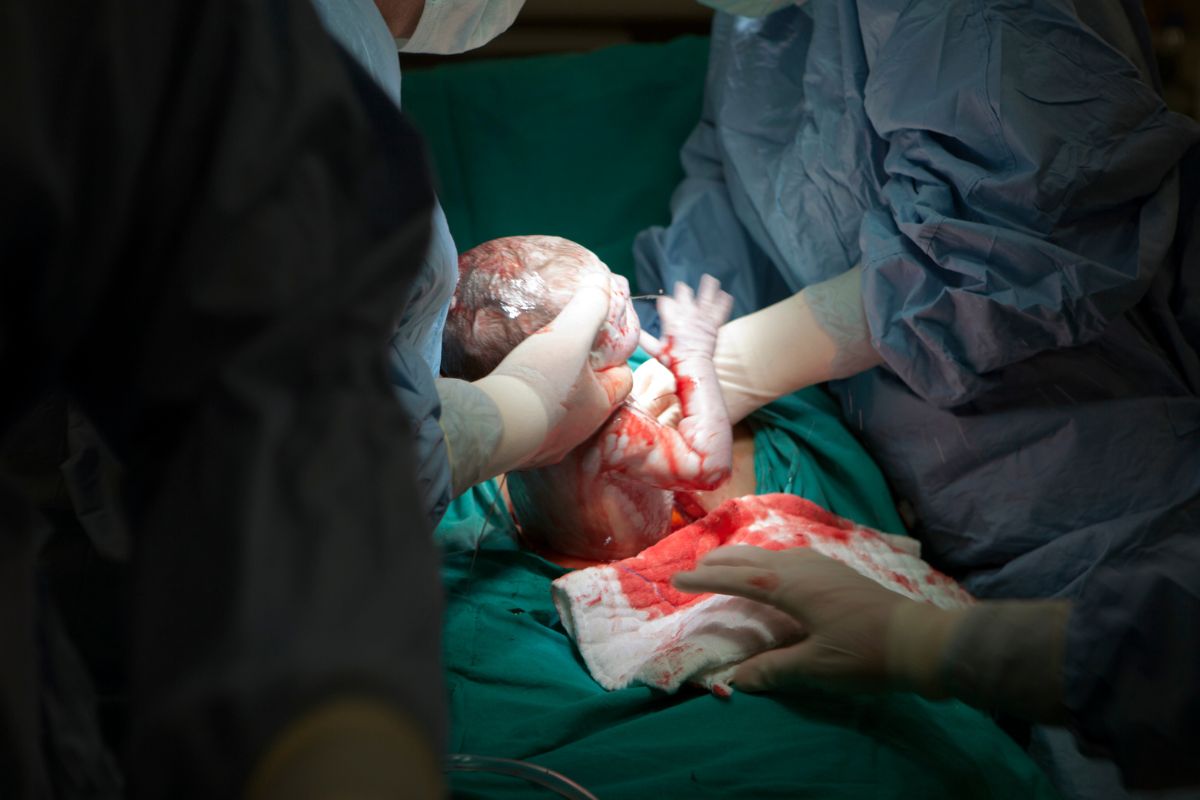
Cesarean section: Surgical delivery of the baby, often planned or done in emergencies.
Assisted delivery: Use of tools like forceps or vacuum to help deliver the baby.
Benefits of Medical Interventions
Pain relief: Epidurals and medications can make labor more comfortable.
Safety: Interventions can address complications, ensuring the health of mother and baby.
Predictability: Scheduled C-sections or inductions allow for planning.
Emergency response: Quick intervention can prevent serious risks.
Considerations for Medical Interventions
Longer recovery: Surgical births or medication use may extend recovery time.
Possible side effects: Medications and procedures can have risks, including infections, blood loss, or reactions.
Impact on future births: Some interventions can affect subsequent pregnancies.
Potential interference with natural labor progression: Interventions may alter the natural course of labor.
Weighing Your Options: Factors to Consider
 Weighing Your Options: Factors to Consider
Choosing between natural birth and medical interventions depends on many factors, including your health, preferences, and pregnancy circumstances.
Your Health and Pregnancy
Low-risk pregnancies may be ideal candidates for natural birth.
High-risk pregnancies or medical conditions might require interventions to ensure safety.
Discuss your medical history thoroughly with your healthcare provider.
Birth Setting and Support
Hospitals often have immediate access to medical interventions.
Birthing centers or home births may focus more on natural birth but should have emergency plans.
Having a support team who respects your birth plan and supports your choices is vital.
Personal Preferences and Comfort
Consider your feelings about pain, medical procedures, and interventions.
Educate yourself about labor and delivery to make informed decisions.
Attend childbirth classes that cover both natural and medical options.
Flexibility and Preparedness
 Flexibility and Preparedness
Be open to changing your birth plan if safety concerns arise.
Having a flexible mindset can help reduce stress during unexpected situations.
Preparing for Your Birth Experience
No matter your choice, preparation is key to a positive birth experience.
Creating a Birth Plan
Outline your preferences clearly, including pain management, environment, and interventions.
Share your plan with your healthcare provider and support team.
Understand that plans may need to adapt for your safety.
Learning Relaxation and Coping Techniques
Practice breathing exercises, visualization, or mindfulness.
Consider hiring a doula or attending labor support classes.
Understanding Risks and Benefits
Ask questions about procedures, benefits, and possible side effects.
Stay informed to make decisions confidently during labor.
Choosing the Best Path for Your Birth Journey
 Choosing the Best Path for Your Birth Journey
Deciding between natural birth and medical interventions is a personal journey that involves weighing the benefits and considerations of each approach.
Both methods have their strengths and challenges, and the best choice depends on your individual circumstances, health, and comfort level.
By educating yourself, communicating openly with your healthcare team, and preparing emotionally and physically, you can approach your birth experience with confidence.
Remember, the ultimate goal is a healthy mother and baby, and embracing flexibility and informed choice can help make your journey both safe and empowering.
Did you find this post useful or inspiring? Save THIS PIN to your PARENTING Board on Pinterest! 😊

You may also like