
Pregnancy and Gut Health: What You Need to Know
Pregnancy is a time of many changes, both physically and emotionally. One area that often doesn’t receive enough attention during pregnancy is gut health. The state of your gut can play a significant role in your overall well-being and may even impact your pregnancy.
With many changes happening in your body, understanding how pregnancy affects your gut health and what you can do to support it is essential for a healthy pregnancy.
In this article, we’ll explore the link between pregnancy and gut health, common issues you might experience, and how to maintain a healthy gut during this transformative time.
The Connection Between Pregnancy and Gut Health
Your gut health is closely linked to your digestive system, immune function, and overall health. During pregnancy, your body goes through significant hormonal changes, which can affect your digestive system.
The gastrointestinal (GI) system is one of the first areas to experience changes, as hormones like progesterone relax the muscles of the digestive tract, slowing down digestion.
This can lead to constipation, bloating, and other digestive discomforts that many pregnant women experience.
In addition to physical changes, pregnancy can also impact the composition of the gut microbiome, which is the collection of bacteria and other microorganisms living in your intestines.
A healthy microbiome is essential for digestion, immunity, and overall health. Recent research suggests that the gut microbiome may also influence pregnancy outcomes, such as the risk of gestational diabetes and preterm birth.
 Common Gut Health Issues During Pregnancy
 Common Gut Health Issues During Pregnancy
It’s not uncommon for pregnant women to experience a variety of gut health-related issues as their body adapts to the growing baby. These issues can range from mild discomfort to more serious conditions.
Below are some of the most common gut health issues women may face during pregnancy:
Constipation
Progesterone, the hormone that helps maintain a healthy pregnancy, can also slow down the digestive process. This slower digestion can lead to constipation, a common issue during pregnancy.
As the uterus expands, it can also put pressure on the intestines, making it harder for food to move through the digestive system.
Tips to manage constipation:
Drink plenty of water to stay hydrated.
Eat high-fiber foods like fruits, vegetables, and whole grains.
Consider taking a prenatal vitamin with magnesium, which can help regulate bowel movements.
Heartburn and Acid Reflux
As the pregnancy progresses, the growing baby can put pressure on the stomach, causing acid reflux or heartburn. Gastroesophageal reflux disease (GERD), which involves stomach acid backing up into the esophagus, is common during pregnancy due to the physical changes and increased hormone levels.
How to reduce heartburn:
 How to reduce heartburn:
Eat smaller, more frequent meals instead of large meals.
Avoid trigger foods like spicy or greasy foods, citrus, and chocolate.
Stay upright after meals to prevent acid from rising.
Bloating and Gas
Changes in hormone levels during pregnancy can lead to an increase in bloating and gas. The relaxing of muscles in the digestive tract can slow down digestion, causing gas buildup and discomfort. Bloating is common in the early stages of pregnancy and can persist throughout.
Ways to ease bloating:
Opt for smaller meals and chew food slowly to reduce the intake of air.
Avoid carbonated drinks and foods that are known to cause gas, such as beans and broccoli.
Gentle exercise like walking can help improve digestion and relieve bloating.
Changes in the Gut Microbiome
The gut microbiome plays a key role in digestion, immune function, and overall health. During pregnancy, changes in diet, hormone levels, and the body’s immune system can alter the balance of bacteria in the gut.
Research suggests that an imbalance in the gut microbiome during pregnancy may increase the risk of certain complications, such as gestational diabetes and preeclampsia.
Supporting a healthy microbiome:
 Supporting a healthy microbiome:
Eat a varied, balanced diet rich in fiber, prebiotics, and probiotics to support gut health.
Foods like yogurt, kimchi, sauerkraut, and kefir contain beneficial bacteria that support gut health.
If recommended by a doctor, consider taking a probiotic supplement to help maintain a healthy balance of gut bacteria.
Tips for Maintaining Gut Health During Pregnancy
Taking care of your gut health during pregnancy is essential for your well-being and your baby’s development. Here are some practical tips to help you maintain a healthy gut throughout your pregnancy:
Eat a Fiber-Rich Diet
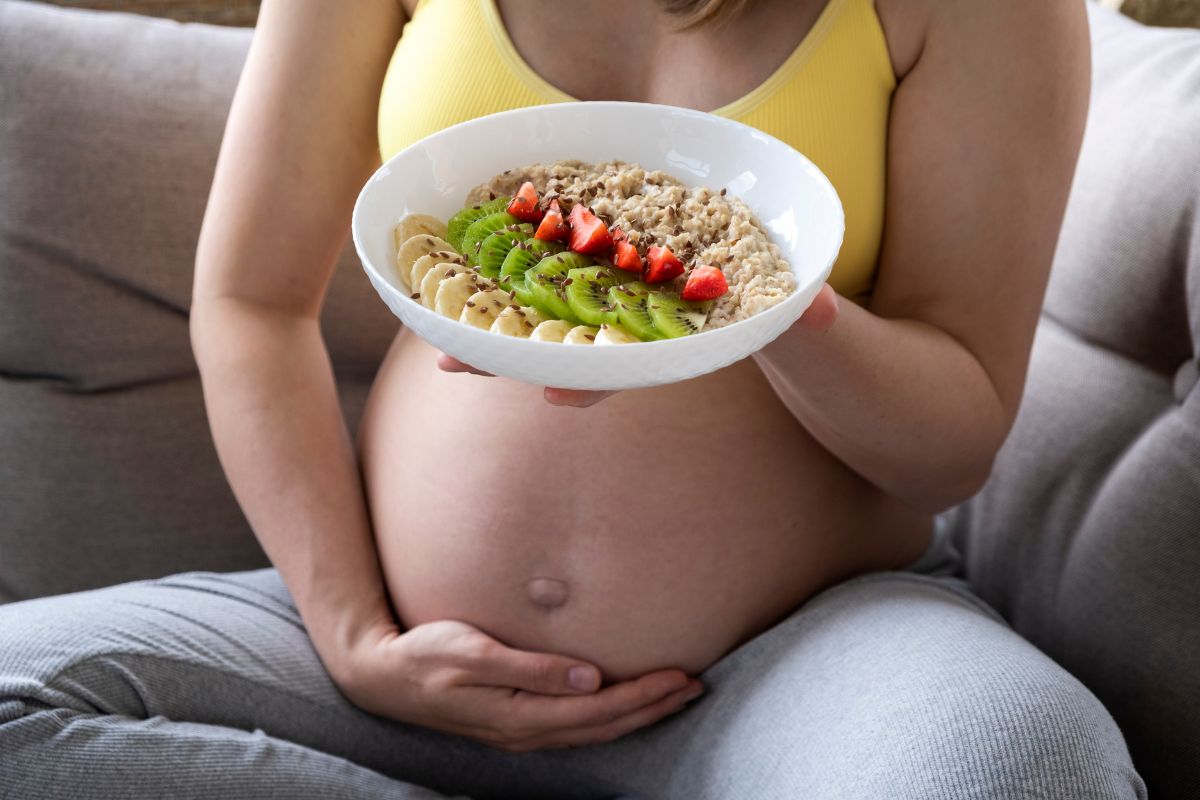
Fiber plays a crucial role in maintaining gut health and regular bowel movements. During pregnancy, it's essential to increase your intake of fiber to help prevent constipation and improve digestion. Foods high in fiber include:
Whole grains (brown rice, oats, quinoa)
Fruits (apples, pears, berries)
Vegetables (broccoli, spinach, carrots)
Legumes (lentils, beans, chickpeas)
Stay Hydrated
 Stay Hydrated
Drinking plenty of water is key to supporting digestion and preventing constipation. Adequate hydration helps your digestive system function properly and aids in the breakdown of food in the stomach.
Try to aim for at least 8 cups of water a day, and more if you’re experiencing hot weather or increased physical activity.
Manage Stress
Chronic stress can negatively impact gut health and digestion. Pregnancy can bring about emotional and physical stress, so it’s important to find ways to manage and reduce stress levels.
Activities such as yoga, meditation, deep breathing exercises, or taking a walk outside can help reduce stress and promote a healthy gut.
Incorporate Probiotics and Prebiotics
Probiotics are beneficial bacteria that support a healthy gut microbiome, while prebiotics are foods that feed these good bacteria. Including both in your diet can help maintain a balanced microbiome.
Probiotic-rich foods like yogurt, kefir, and fermented vegetables can improve digestion, while prebiotic foods like garlic, onions, and asparagus provide fuel for the beneficial bacteria in your gut.
Exercise Regularly
Moderate physical activity, such as walking, swimming, or prenatal yoga, can improve digestion, reduce bloating, and support overall gut health. Exercise also helps reduce stress, which can further benefit your gut and digestive system.
However, be sure to check with your doctor before starting any exercise routine during pregnancy.
When to See a Doctor
 When to See a Doctor
While many of the gut health issues during pregnancy are common and manageable, it’s important to seek medical advice if:
You experience severe abdominal pain or cramping.
You have persistent nausea or vomiting that prevents you from keeping food down.
You notice signs of gestational diabetes (increased thirst, frequent urination, fatigue).
You experience any unusual or severe changes in your digestive system that cause significant discomfort.
Supporting Gut Health for a Healthier Pregnancy
Maintaining a healthy gut during pregnancy is essential for both your comfort and your overall health.
From reducing common issues like constipation and heartburn to supporting a balanced gut microbiome, the state of your digestive system impacts many aspects of your pregnancy.
By focusing on a nutrient-rich diet, staying hydrated, managing stress, and exercising regularly, you can support your gut health and experience a more comfortable, healthy pregnancy.
With the right care, you’ll be taking an important step toward a healthy pregnancy and healthy baby.
Did you find this post useful or inspiring? Save THIS PIN to your PARENTING Board on Pinterest! 😊

You may also like