
Understanding the Impact of Prenatal Meditation on Baby’s Brain Development

Expecting mothers often seek ways to improve their own well-being during pregnancy, but did you know that their mental state can also have a profound impact on the development of their baby’s brain? Prenatal meditation is one practice that has gained significant attention for its potential benefits, not only for the mother’s health but also for the baby’s brain development.
In this article, we’ll explore how meditation during pregnancy can influence fetal brain growth and cognitive development, helping both mother and baby.
The Science Behind Prenatal Meditation
Prenatal meditation involves a range of mindfulness and relaxation techniques practiced during pregnancy. These techniques include deep breathing, guided imagery, body scanning, and focusing on present-moment awareness.
The primary goal is to reduce stress, promote relaxation, and foster emotional balance. But what exactly does meditation do for the brain, both for the mother and the baby?
Impact on the Mother’s Brain
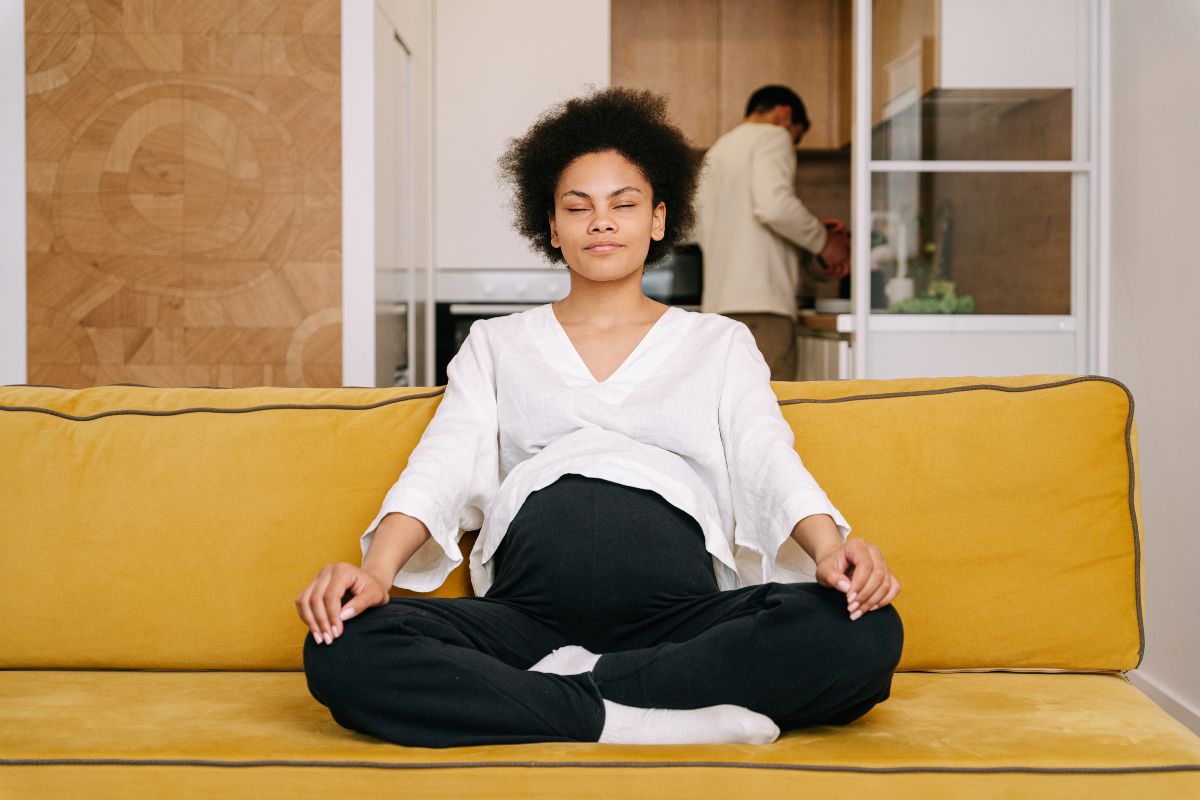
When a pregnant woman practices meditation, it can lead to significant improvements in her own brain health. Research has shown that regular meditation reduces stress hormones, such as cortisol, which can be harmful to both the mother and the baby if levels remain elevated over time.
By lowering cortisol levels, meditation helps create a more relaxed environment for the baby to develop.
In addition, meditation can increase the production of neurotransmitters like serotonin and dopamine, which are linked to mood regulation and feelings of happiness.
These changes in the mother’s brain can improve her emotional well-being and reduce the risks of depression and anxiety during pregnancy, creating a healthier prenatal environment.
 The Impact on Baby’s Brain Development
 The Impact on Baby’s Brain Development
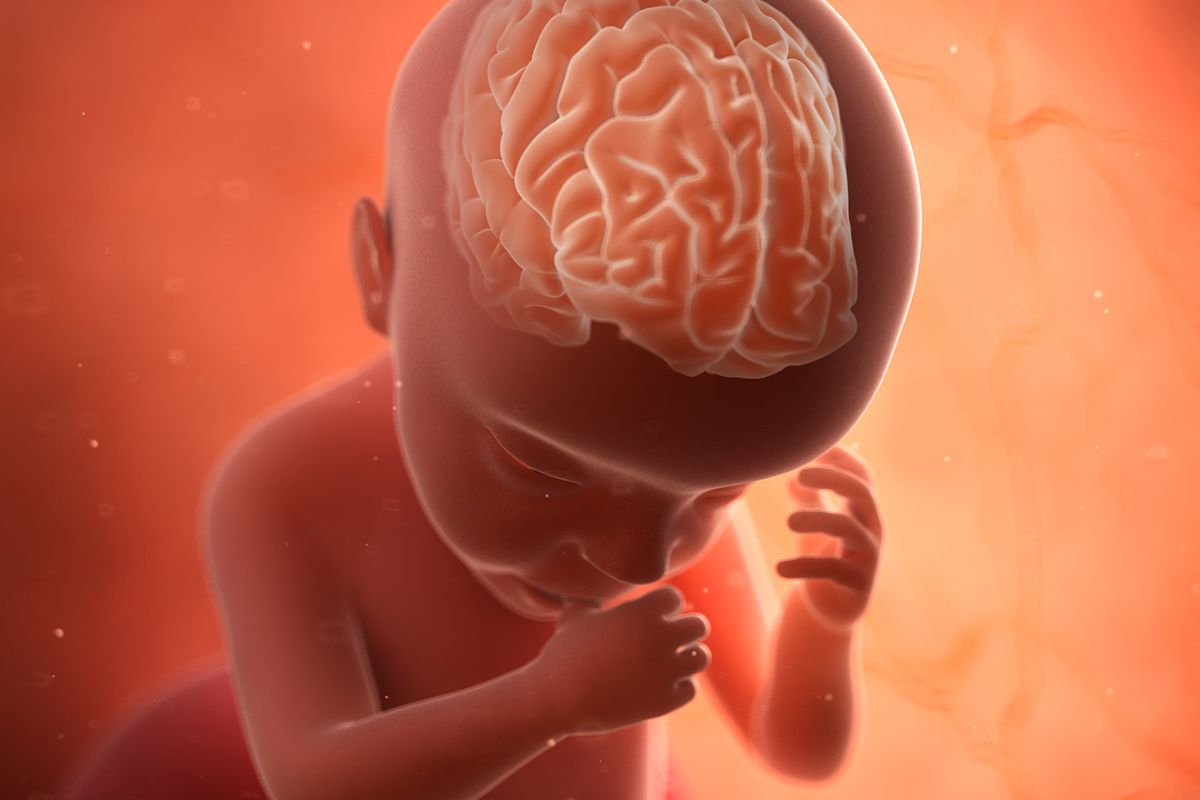
The baby’s brain begins to form soon after conception, and by the time the mother reaches her second trimester, the fetus’s brain is already developing rapidly.
Research has indicated that the mother’s stress levels can directly impact fetal brain development, particularly in areas related to cognitive functioning and emotional regulation.
High levels of stress or anxiety during pregnancy can alter the baby’s brain development, potentially leading to future difficulties with learning, behavior, and emotional regulation.
Prenatal meditation, on the other hand, can positively influence these areas of development. Here’s how:
Stress Reduction: Meditation helps lower the mother’s stress levels, which in turn reduces the risk of stress-related complications in the baby. High levels of stress can lead to premature birth, low birth weight, and developmental delays.
By reducing stress, prenatal meditation creates a more supportive environment for the baby’s brain to grow.
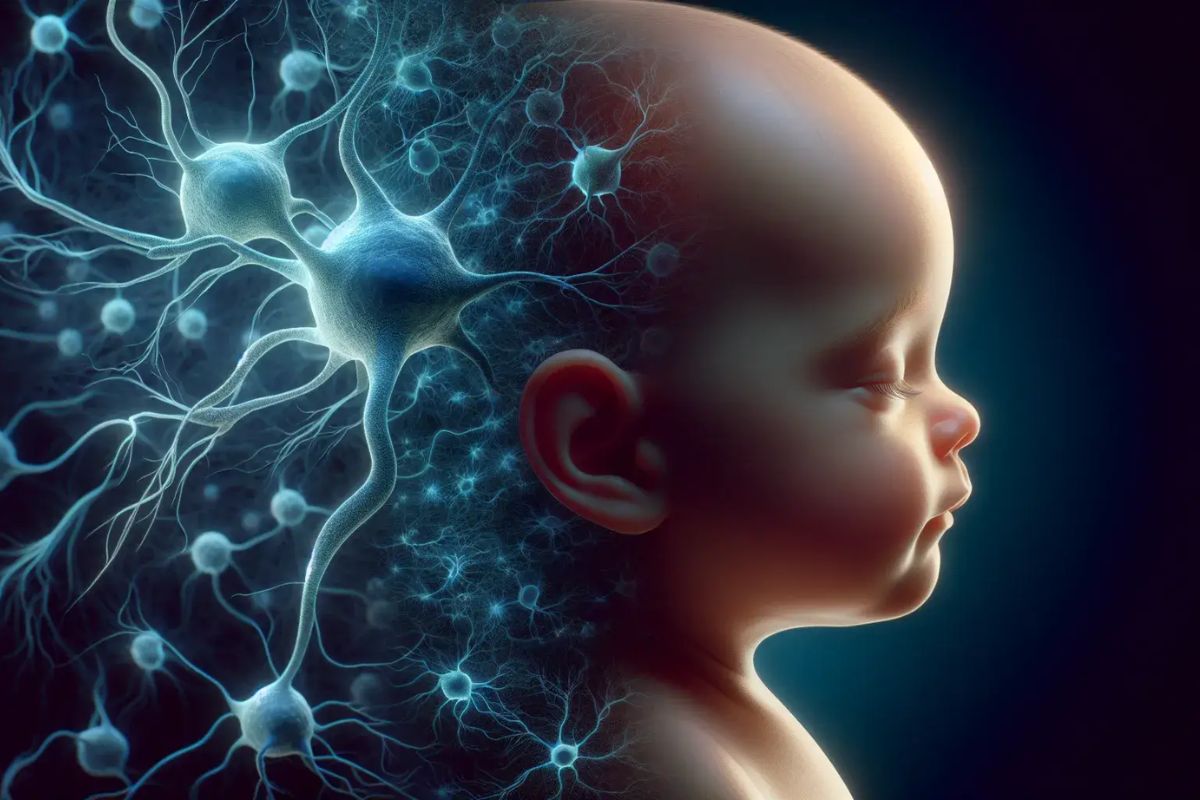
Increased Brain Connectivity: Studies suggest that mindfulness practices, including meditation, can promote the development of neural connections in the fetal brain.
This can enhance cognitive abilities, such as memory, problem-solving, and emotional processing, giving the baby a healthier start.
Improved Emotional Regulation: Babies born to mothers who practice meditation have been shown to have more regulated emotional responses. The prenatal experience of calm and relaxation helps the baby develop better emotional resilience and coping mechanisms.
Mechanisms of Meditation and Brain Development
 Mechanisms of Meditation and Brain Development
Brainwave Synchronization
One of the key mechanisms through which prenatal meditation affects brain development is brainwave synchronization. During meditation, the mother’s brain enters a state of deep relaxation, during which brainwaves shift to slower frequencies like alpha and theta waves.
These brainwaves are associated with relaxation, creativity, and emotional regulation. When the mother is in this state, the baby can experience these calming brainwaves as well, promoting brain growth and development in a calm, nurturing environment.
Fetal Memory and Learning
There is growing evidence to suggest that fetuses can hear sounds and even recognize voices in the womb. Studies have shown that babies can recognize their mother's voice and respond to certain sounds after 25 weeks of gestation.
Prenatal meditation, especially practices like guided imagery and deep relaxation, may stimulate the brain’s ability to process information, setting the stage for future learning.
Through regular exposure to a calm and peaceful environment, the baby’s brain may be better equipped to handle stress and process emotions later in life.
While the baby cannot engage in meditation directly, the benefits the mother receives from meditation can create an environment conducive to healthier brain development.
Benefits Beyond Brain Development
 Benefits Beyond Brain Development
Bonding Between Mother and Baby
Prenatal meditation doesn’t just benefit the baby’s brain development; it also fosters a strong emotional bond between mother and child.
Many meditation practices encourage mothers to focus on their breath, thoughts, and feelings while connecting with their baby.
This practice creates a sense of closeness and emotional connection that enhances the bond, even before birth.
Preparing for Birth
Meditation also plays a significant role in preparing mothers for childbirth. The relaxation techniques learned during meditation can help the mother manage pain, reduce anxiety, and stay calm during labor.
This mental and emotional preparedness can have a positive impact on both the birth experience and the baby’s emotional well-being after birth.
How to Incorporate Prenatal Meditation Into Daily Life
 How to Incorporate Prenatal Meditation Into Daily Life
Start Slow
If you’re new to meditation, start with short sessions—about 5 to 10 minutes per day—and gradually increase the duration as you become more comfortable. Even short, daily sessions can have a positive impact on both your stress levels and the baby’s development.
Create a Calm Space
Designate a quiet space in your home where you can practice meditation without distractions. This space should be comfortable, relaxing, and free from interruptions.
A soft cushion, calming music, and perhaps even some scented candles or essential oils can enhance the overall experience.
Use Guided Meditation
Guided prenatal meditation is a great option, especially for beginners. You can find various apps, videos, or recordings that lead you through meditation techniques tailored specifically for pregnancy.
These sessions often include breathing exercises, relaxation prompts, and affirmations that are designed to reduce stress and promote relaxation.
Stay Consistent
The benefits of prenatal meditation are cumulative, meaning that consistency is key. Try to incorporate meditation into your daily routine to maximize the benefits for both you and your baby.
Enhancing Baby’s Brain Development Through Prenatal Meditation
 Enhancing Baby’s Brain Development Through Prenatal Meditation
Prenatal meditation offers a range of benefits for both the mother and the baby. By reducing stress, fostering emotional well-being, and promoting brain development, meditation plays a vital role in ensuring a healthier pregnancy and a better start for the baby.
Through mindfulness and relaxation techniques, mothers can create an environment that supports cognitive growth, emotional regulation, and overall brain development.
Ultimately, prenatal meditation not only nurtures the mother’s well-being but also provides a positive foundation for the baby’s future health and happiness.
Did you find this post useful or inspiring? Save THIS PIN to your PARENTING Board on Pinterest! 😊

You may also like