
Encouraging Toddler Independence Through Play-Based Chores

As toddlers grow, one of the most valuable things we can do as parents is foster their independence. One effective and fun way to help toddlers gain independence is by integrating them into daily household routines through play-based chores.
These tasks not only help toddlers develop practical skills but also boost their confidence and sense of responsibility. When chores are framed as playful activities, toddlers are more likely to enjoy them, rather than seeing them as tedious tasks.
Here’s how you can encourage toddler independence through play-based chores.
The Importance of Building Independence in Toddlers
Toddlers are naturally curious and eager to explore their environment. As they start to develop motor skills, cognitive abilities, and social awareness, they are also learning how to interact with the world around them.
Independence is a crucial life skill that sets the foundation for future growth.
By encouraging toddlers to help with chores, you give them a sense of accomplishment and allow them to understand the value of teamwork and responsibility.
Building independence early on can lead to increased self-esteem and emotional resilience. It helps toddlers feel like active contributors to the family, making them more likely to take pride in their work and become more self-reliant as they grow.
 Introducing Play-Based Chores: A Fun and Engaging Approach
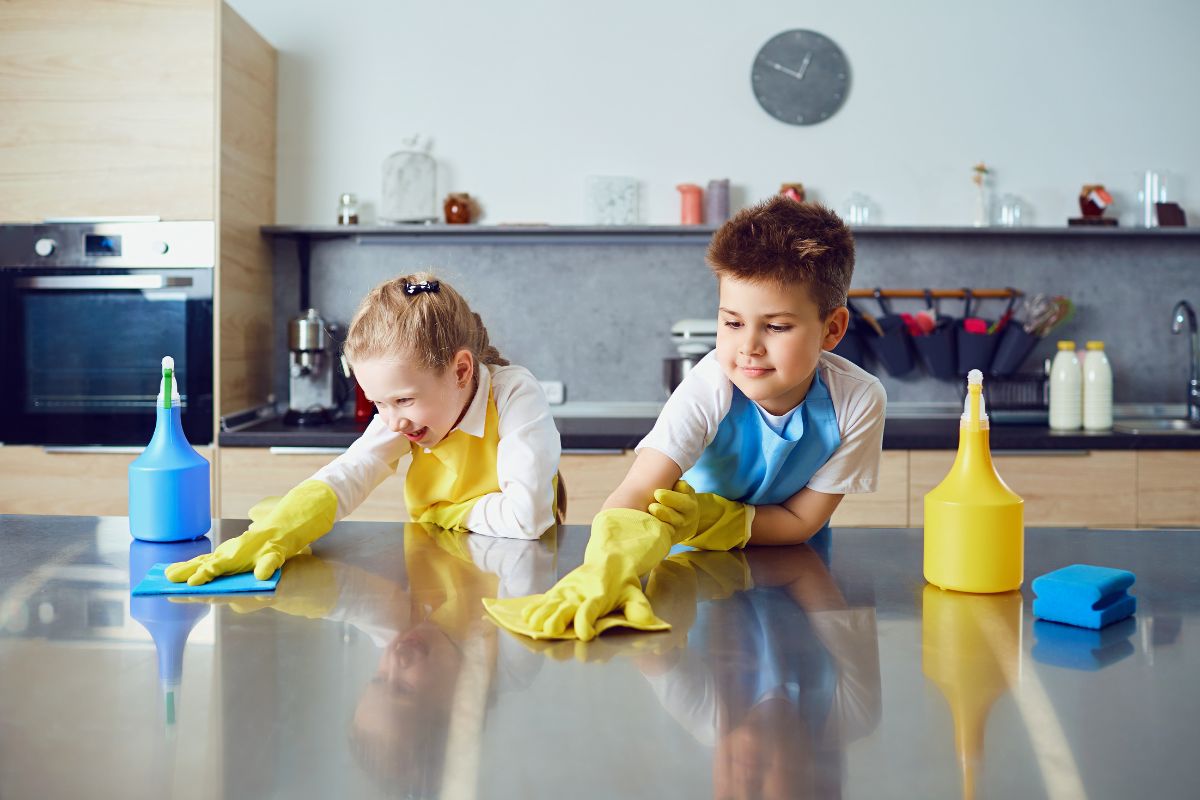 Introducing Play-Based Chores: A Fun and Engaging Approach
The key to involving toddlers in chores without causing frustration is to approach the tasks as fun and playful activities. By using their natural inclination to play, you can make chores feel like part of their exploration and discovery.
1. Sorting Clothes
Sorting clothes is a simple task that can be made into a game. You can start with matching socks, which is a task that involves color recognition and pattern matching.
By turning this into a game—like "Let's find the matching socks!"—you encourage toddlers to focus on the activity in a fun and engaging way.
Tip: Use large baskets or bins that they can easily access and fill. You can even have a race to see how fast they can match socks, making it a competition with a reward at the end.
2. Setting the Table
Toddlers love being involved in mealtime routines. Setting the table is a great way to incorporate them into daily chores. You can give them plastic plates, utensils, and cups to arrange on the table.
Encourage them by saying, “Let’s get ready for our special dinner!” This phrase gives them a sense of importance and encourages a sense of responsibility.
Tip: Start small by having them set just one item at a time, like placing the napkin or spoon, and gradually increase the complexity as they become more comfortable.
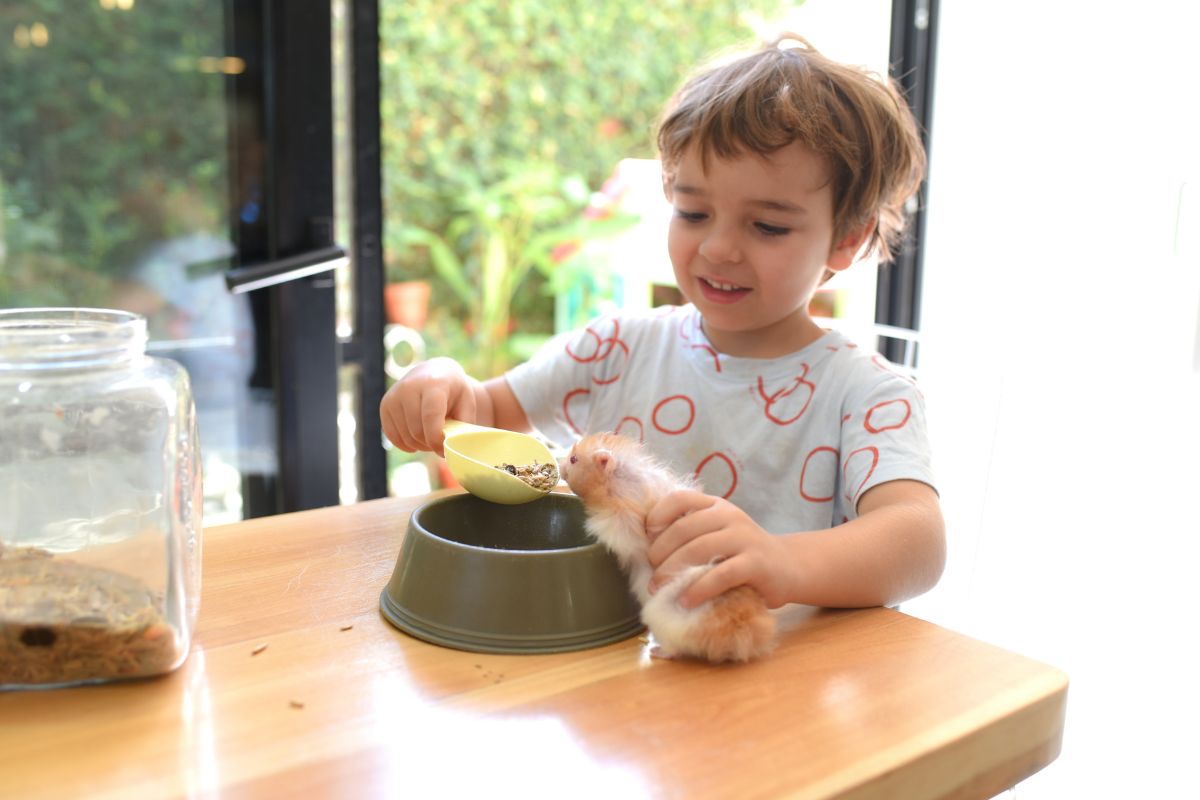
3. Feeding Pets
 3. Feeding Pets
If you have pets at home, feeding them can become an engaging chore for toddlers. Let them help pour pet food into the bowl or give the pet fresh water.
Toddlers often feel great pride in taking care of animals, and this responsibility helps them understand the importance of nurturing and taking care of others.
Tip: Supervise the process and encourage them by saying things like, “You’re helping [pet's name] get their food. Great job!” This reinforcement helps them feel connected to the task.
Making Chores Part of Playtime
Toddlers learn best when they are playing, so integrating play into chores is the key to success. Here are some ways to make chores more enjoyable for your toddler:
1. Use Pretend Play
Incorporate pretend play to make chores feel like an imaginative adventure. For example, if you’re folding laundry, pretend you’re on a mission to fold "magical clothes" or have the clothes be "special treasure" you’re sorting through.
This helps spark the child’s imagination and turns a regular task into a story they want to be a part of.
Tip: You could say, “Let’s fold the pirate’s shirts so he’s ready for his adventure!” This frames the task as part of a bigger story, adding a layer of excitement.
2. Incorporate Songs and Rhymes
 2. Incorporate Songs and Rhymes
Toddlers respond well to music and rhythm. Create little songs or rhymes that correspond to different tasks, such as a cleaning-up song or a song for putting toys away.
Rhyming words and rhythmic patterns can make chores feel like part of a fun routine, instead of a necessary chore.
Tip: You can sing, “Pick up the toys, put them in the box, it’s easy, it’s fun, let’s get it done!” A catchy tune helps make the task less daunting.
3. Use Fun Tools and Supplies
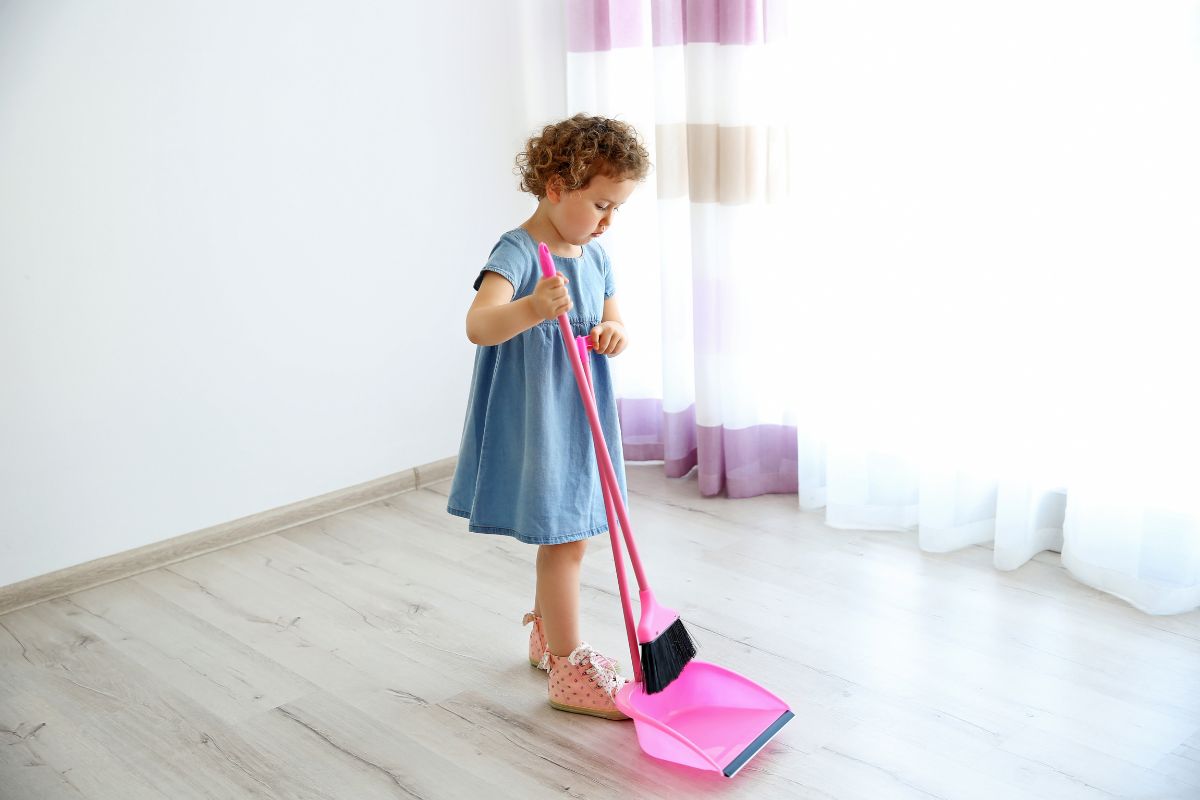
Toddlers are more likely to enjoy chores if they have fun tools to use. Colorful sponges, mini brooms, or a toy vacuum cleaner can make cleaning feel more like a game than a task.
Giving them "grown-up" tools that are sized appropriately for them can make the experience more exciting.
Tip: Allow them to choose their own tools from a selection, empowering them to feel in control of the task.
Celebrate Their Efforts
Positive reinforcement is crucial in maintaining motivation. Once your toddler completes a chore, celebrate their accomplishment. Praise their efforts, whether it’s a job well done or just them giving it a try. Toddlers thrive on positive feedback, and celebrating their progress helps them feel good about contributing.
1. Give Praise
 1. Give Praise
When your toddler completes a chore, always offer enthusiastic praise. Say something like, “Wow, you did an amazing job setting the table! You’re becoming such a helper.” This helps reinforce the positive behavior and builds their confidence.
2. Offer Small Rewards
Occasionally, a small reward, like a sticker or extra playtime, can reinforce the completion of a chore. Make sure the reward is appropriate for their age and that it focuses more on the feeling of accomplishment than the material reward itself.
Tip: Instead of rewarding them with sweets, offer non-food rewards like extra reading time, or a favorite activity.
Creating a Routine for Play-Based Chores
To ensure your toddler remains engaged with these chores, incorporate them into your daily routine. Consistency is key. When toddlers understand that chores are part of the regular routine, they are more likely to participate without resistance.
Tip: You could set a daily "chore time" that is consistent, such as just before lunch or after snack time. This makes it a predictable part of their day, like a fun ritual.
Fostering Lifelong Independence Through Fun and Play
 Fostering Lifelong Independence Through Fun and Play
Encouraging toddler independence through play-based chores is a powerful way to set the stage for their emotional and practical development. By turning everyday tasks into playful adventures, toddlers learn the value of responsibility, teamwork, and self-reliance.
Keep the chores simple, engaging, and fun, and remember that the goal is not perfection, but participation. The more toddlers are involved in household routines, the more confident and capable they become.
As they grow, the independence fostered in these early years will serve as a strong foundation for future success.
Did you find this post useful or inspiring? Save THIS PIN to your PARENTING Board on Pinterest! 😊

You may also like