
How to Encourage Cooperative Play Between Toddlers and Pets

Having a toddler and a pet can be a wonderful experience, but it can also come with its challenges. Teaching your child to interact respectfully with pets and promoting cooperative play can benefit both your toddler and your furry friend.
Not only does this help develop empathy and social skills for your child, but it also fosters a bond between them and the pet. Here’s how you can encourage cooperative play between toddlers and pets, creating a safe and enjoyable environment for everyone involved.
Understanding the Dynamics Between Toddlers and Pets
Before diving into the techniques, it’s important to understand the dynamics between toddlers and pets. Toddlers are still learning how to manage their impulses and emotions, which can sometimes result in actions that may overwhelm or confuse pets.
On the other hand, pets are creatures of habit and may not always be prepared for sudden movements or loud noises. By managing expectations and preparing both parties, you can create a space for positive interactions.
 Tips for Promoting Cooperative Play
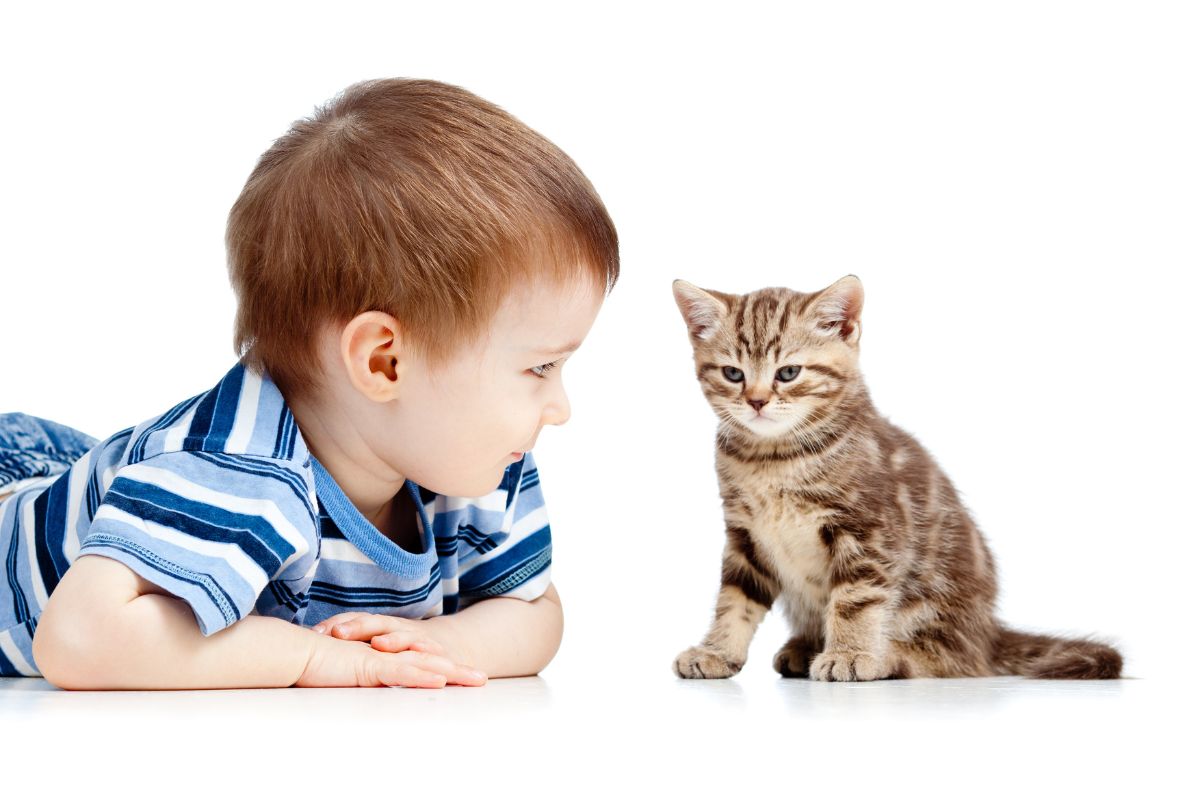 Tips for Promoting Cooperative Play
1. Supervise All Interactions
The first and most important rule when encouraging cooperative play is to always supervise interactions. Toddlers and pets can both get overexcited, and things can escalate quickly.
Your role as a parent is to ensure that your child’s behavior towards the pet is appropriate and that the pet doesn’t become stressed or frightened.
Why Supervision Matters:
Safety for both parties: Toddlers may not understand how to handle pets gently, and pets can become defensive if they feel threatened.
Setting boundaries: You can guide your toddler in how to pet, feed, or play with the animal in a respectful way.
Preventing accidents: Close supervision helps you catch any potential issues before they become a problem.
2. Teach Gentle Touches and Respectful Play
Teaching your toddler how to interact gently with pets is one of the key components of fostering a harmonious relationship. Gentle touches and respectful play are essential for building trust between toddlers and pets.
How to Teach Gentle Interactions:
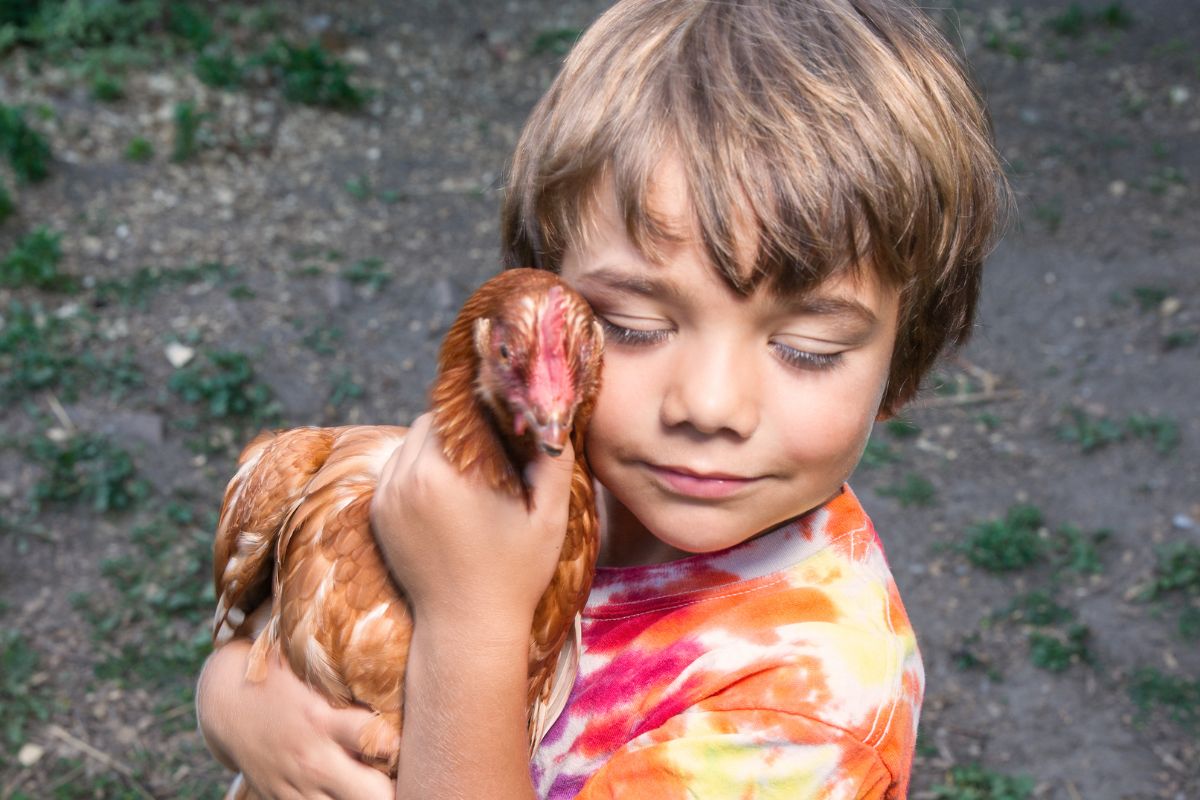 How to Teach Gentle Interactions:
Model gentle petting: Show your toddler how to pet the pet softly, emphasizing that pulling on tails, ears, or fur is not acceptable.
Praise positive behavior: When your toddler interacts nicely with the pet, offer praise. Positive reinforcement helps them understand what behaviors are expected.
Set limits: Let your child know when a pet needs space or rest, and explain that not all pets enjoy being touched or played with at all times.
3. Create a Safe Space for Your Pet
Pets, especially dogs and cats, may need a quiet space where they can retreat if they feel overwhelmed. Establish a safe space for your pet where they can relax without being disturbed by the toddler. This can be a specific room, a crate, or even a quiet corner with their bed and toys.
Why a Safe Space is Important:
Avoiding stress: Pets need a refuge where they can go to rest or escape from overstimulation.
Teaching boundaries: This gives both the pet and the toddler the opportunity to have some alone time when needed, preventing both from becoming irritated or anxious.
Building trust: When a pet feels safe and respected, they are more likely to be calm during interactions with the toddler.
4. Encourage Joint Activities
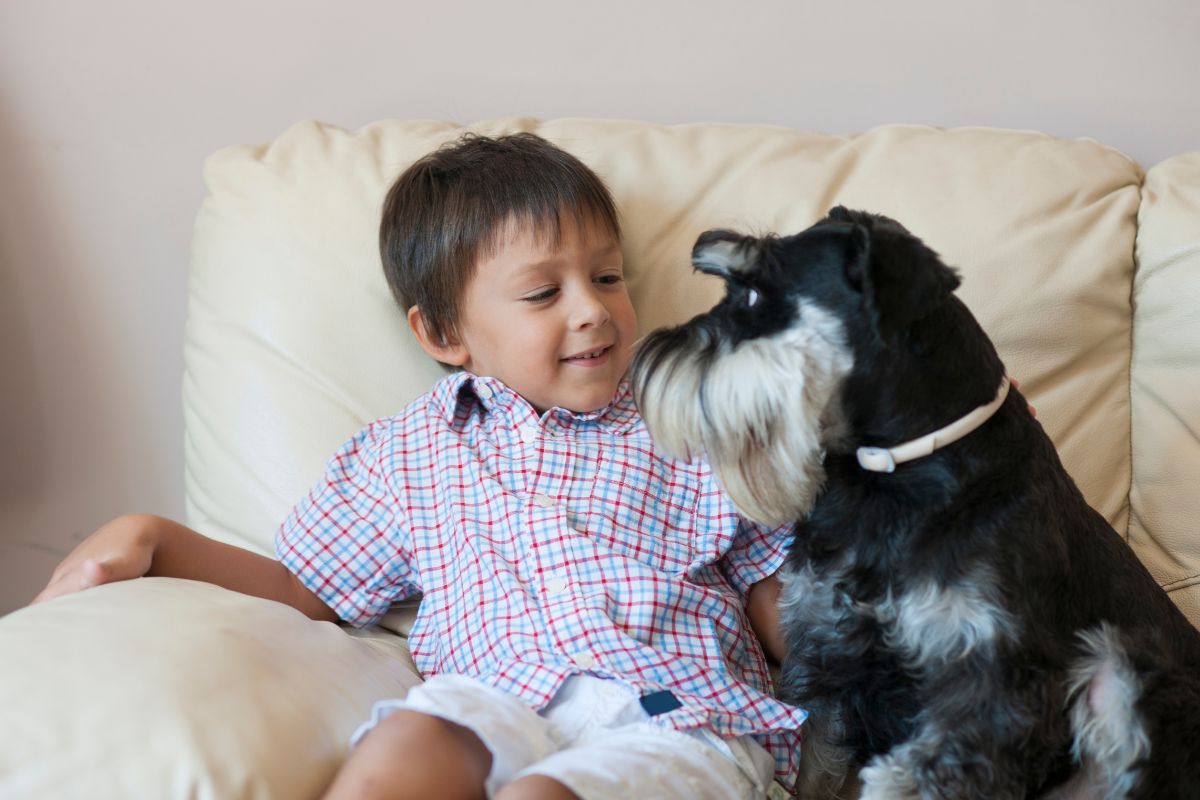 4. Encourage Joint Activities
Finding activities that both toddlers and pets can enjoy together is a great way to encourage cooperative play. Whether it’s a walk in the park, interactive games, or even quiet time together, activities that involve both the toddler and the pet create shared experiences and foster a sense of companionship.
Ideas for Joint Activities:
Throwing a ball: If you have a dog, toddlers can help toss a ball or a toy for the pet to fetch. This simple activity encourages cooperation and allows both to have fun together.
Feeding time: Get your toddler involved in feeding the pet. They can help fill the water bowl or place food in the pet’s dish, teaching them responsibility.
Interactive toys: Toys that both toddlers and pets can enjoy, such as treat-dispensing toys or puzzle games, provide a great opportunity for joint play.
5. Be Patient and Set Realistic Expectations
Building a relationship between a toddler and a pet takes time. Be patient and understand that the process may take a while. Not every interaction will go smoothly, but with consistent effort, you’ll see positive outcomes.
Managing Expectations:
Gradual introduction: If your toddler is meeting a pet for the first time, introduce them slowly. Let the pet adjust to the toddler's presence, and let your toddler observe the pet from a distance before making contact.
Celebrating small wins: Each positive interaction, no matter how small, is a step in the right direction. Celebrate these moments with your toddler to reinforce the idea that pets are friends.
6. Encourage Positive Associations
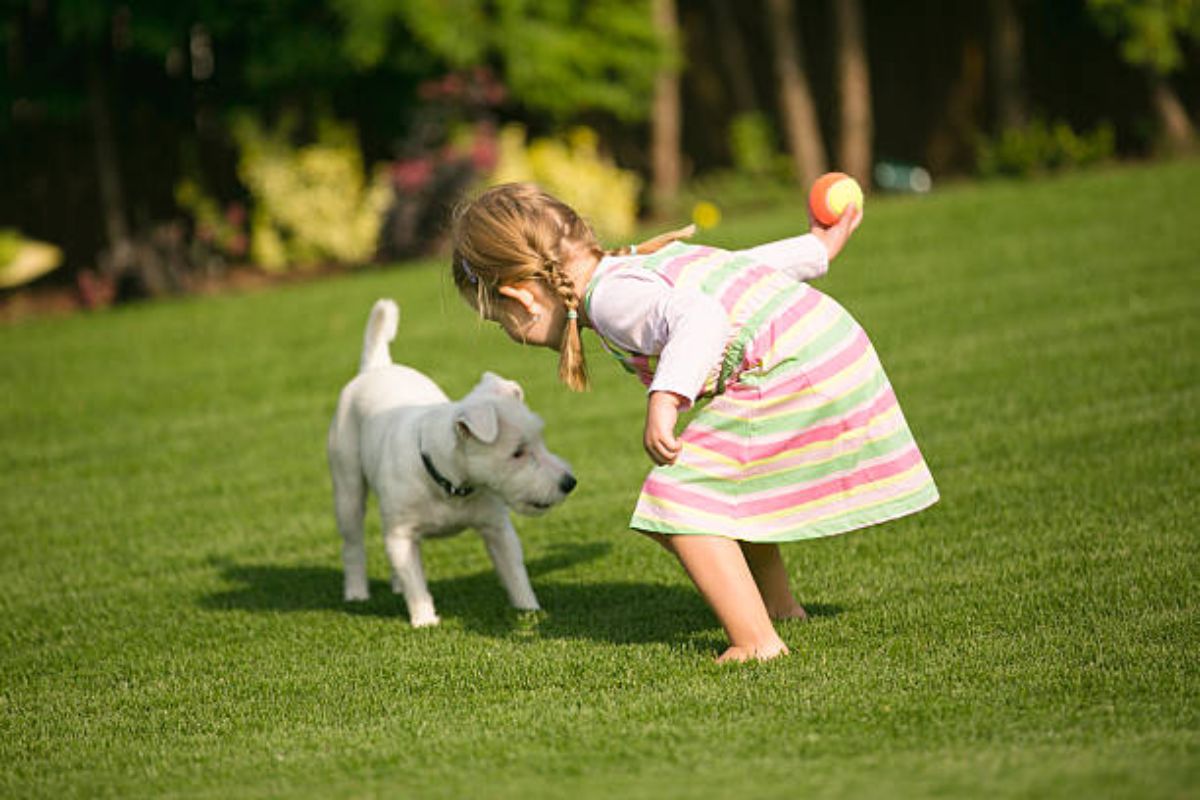 6. Encourage Positive Associations
You can create positive associations between pets and good behavior by using rewards. Whether it’s offering treats to your pet or praise to your toddler, reinforcing positive interactions will help everyone understand the benefits of playing together.
Positive Reinforcement Ideas:
Treats for pets: When your toddler plays nicely with the pet, give the pet a treat to reinforce calm behavior.
Praise your toddler: When your toddler listens to instructions and interacts well with the pet, provide verbal praise and even small rewards to reinforce positive behavior.
Interactive games: Play games where both the toddler and pet “win” when they work together, like a hide-and-seek game with a toy.
The Benefits of Cooperative Play for Toddlers and Pets
Encouraging cooperative play between toddlers and pets has numerous benefits. Aside from the obvious bond that forms between the child and pet, there are many developmental benefits:
Emotional development: Toddlers learn empathy, responsibility, and patience by taking care of and interacting with pets.
Social skills: Cooperative play teaches toddlers how to share, communicate, and engage in group activities.
Physical activity: Playing with pets, whether it’s fetching or chasing, encourages movement and helps toddlers stay active.
Sense of responsibility: Involving your toddler in pet care tasks like feeding or grooming builds a sense of responsibility and commitment.
Building Lifelong Friendships
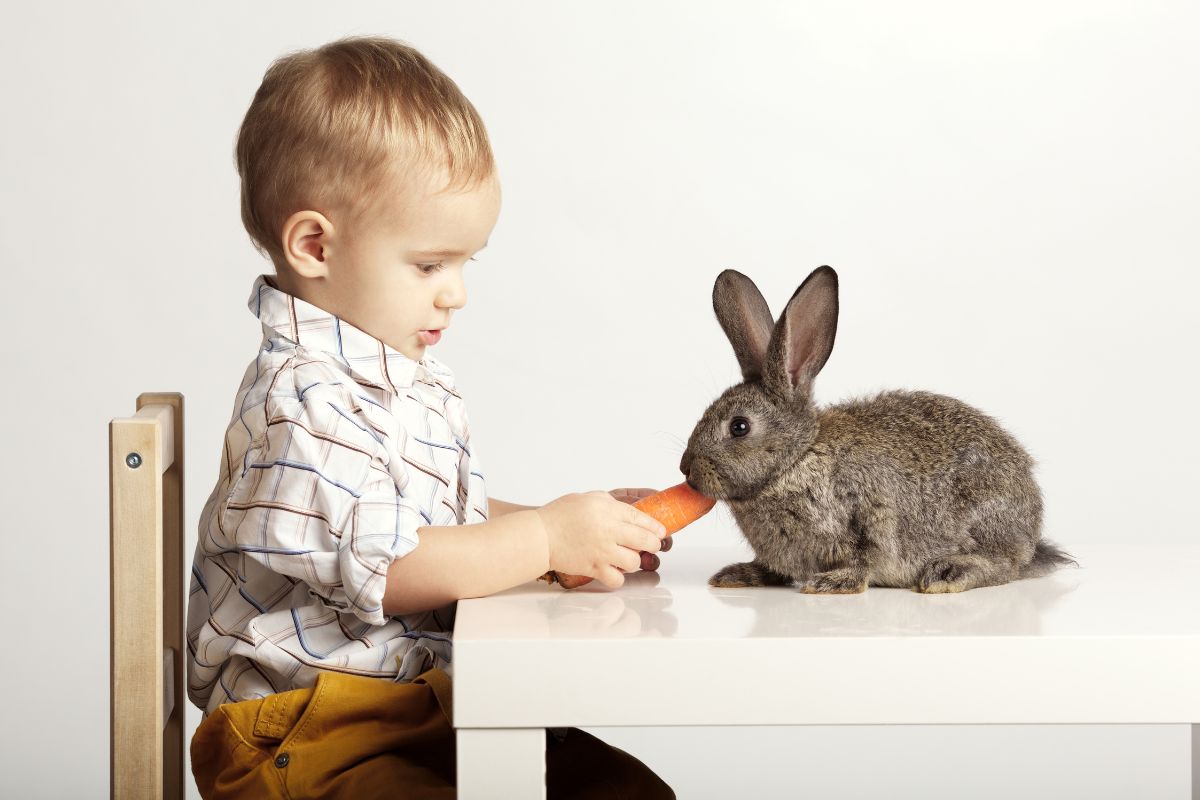 Building Lifelong Friendships
By taking the time to guide your toddler’s interactions with pets, you can foster a lifelong bond of trust, love, and mutual respect. Encouraging cooperative play creates positive experiences that benefit both your toddler and your pet.
With patience, guidance, and a focus on safety, you can ensure that your child and pet build a relationship that will last a lifetime.
Did you find this post useful or inspiring? Save THIS PIN to your PARENTING Board on Pinterest! 😊

You may also like