
How to Encourage Independent Play in Toddlers

Independent play is a crucial skill that helps toddlers develop confidence, creativity, and problem-solving abilities. As a parent, encouraging your child to engage in independent play can foster their emotional and cognitive development.
However, it’s natural for toddlers to seek constant attention, and encouraging independent play can take some time and patience.
In this article, we will explore why independent play is important and share some practical tips on how to help your toddler develop this valuable skill.
Why Independent Play is Important
Independent play allows toddlers to learn at their own pace, experiment with new ideas, and gain a sense of autonomy. It offers several key benefits:
Encourages creativity: Toddlers who play on their own have the freedom to imagine, explore, and create without any external direction. This kind of play nurtures their imagination and problem-solving skills.
Promotes self-regulation: When children play independently, they learn how to regulate their own emotions and actions. They practice patience, resilience, and persistence as they engage with toys or activities without immediate intervention from an adult.
Builds confidence: Completing tasks or figuring out problems on their own boosts a toddler's self-esteem. They begin to feel competent and capable, which helps in building their confidence.
Develops focus: Independent play encourages toddlers to focus on a task or activity, helping to improve their attention span and concentration, which are essential for learning and growth.
 How to Encourage Independent Play in Toddlers
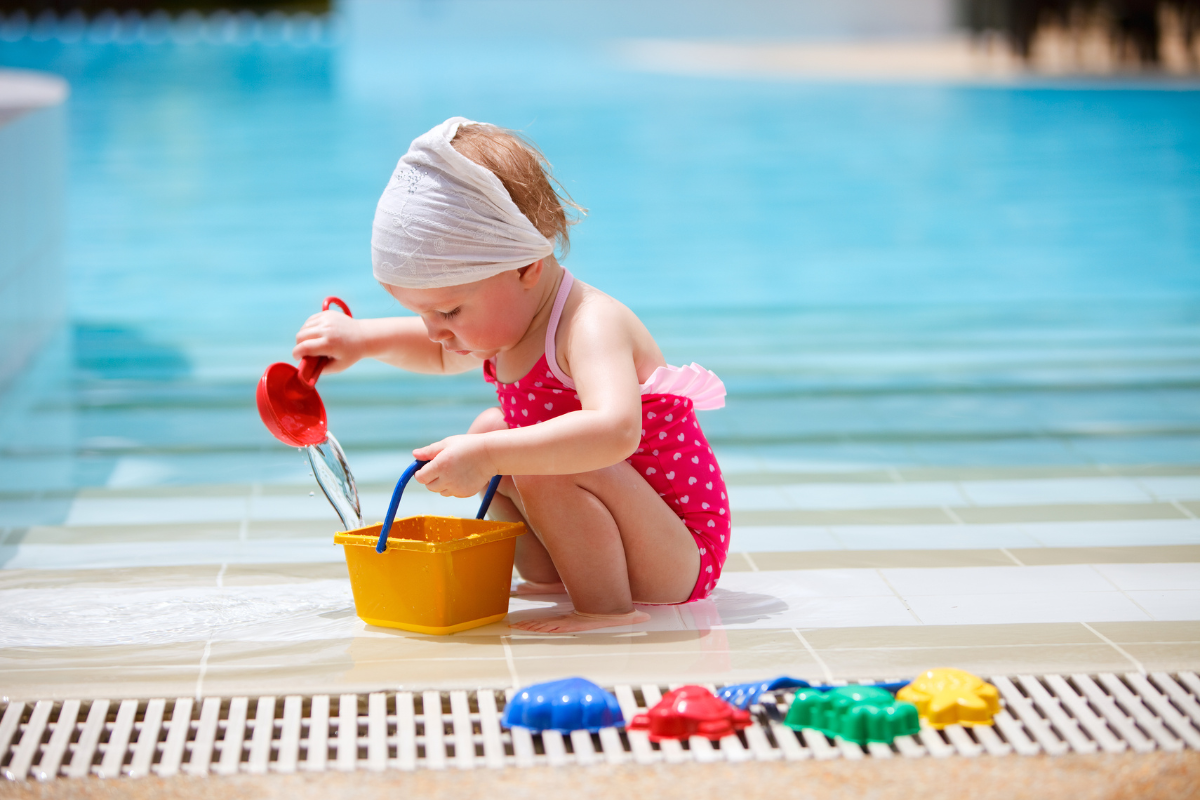 How to Encourage Independent Play in Toddlers
Now that we understand the benefits of independent play, let's look at some effective ways to encourage your toddler to play independently.
Create a Safe and Stimulating Environment
For independent play to happen, your toddler needs a safe, welcoming, and stimulating environment where they can explore freely without any immediate dangers. Setting up a play area that is conducive to independent play is the first step.
Choose Age-Appropriate Toys
Select toys that are appropriate for your toddler's age and developmental stage. Building blocks, stacking toys, and pretend play items like dolls or kitchen sets encourage imaginative and independent play.
Avoid toys with small parts that may pose a choking hazard. Also, make sure the toys are simple yet versatile enough for your child to use in different ways.
Organize the Play Space
Organize the play space to make it easy for your toddler to access their toys and activities. Clear storage bins or shelves with labels can help your toddler understand where things belong and encourage them to put toys back when they’re done.
A clean and organized space allows your child to focus on their play instead of feeling overwhelmed by clutter.
Create a Comfortable and Quiet Area
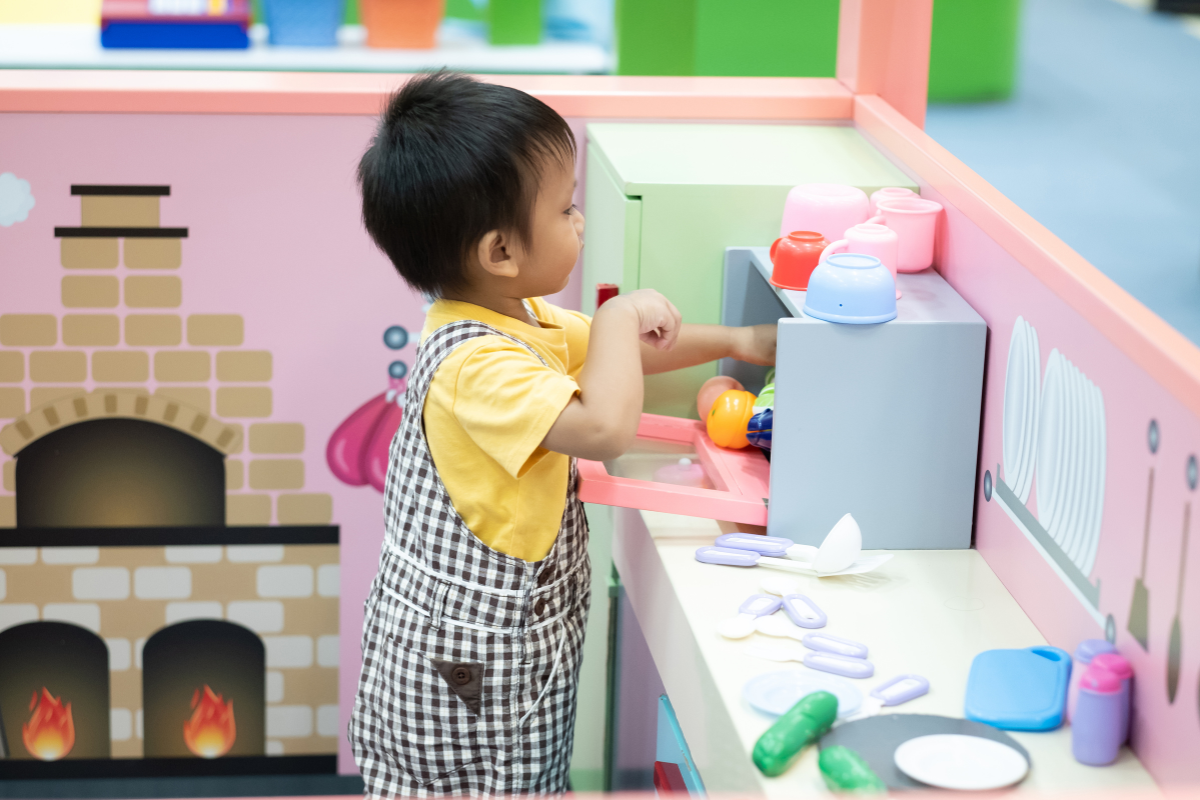 Create a Comfortable and Quiet Area
Set up a cozy corner where your toddler can have some quiet time for themselves. A small rug, pillows, and soft lighting can make the area inviting. Toddlers can use this space for reading, exploring toys, or simply unwinding.
It gives them a dedicated spot to enjoy solitary play, helping them learn how to entertain themselves independently.
Start with Short Sessions of Independent Play
Toddlers may initially struggle with independent play, especially if they’re used to being constantly attended to. Start by encouraging short, manageable sessions and gradually increase the time as they become more comfortable.
Use a Timer
Set a timer for a short amount of time (5–10 minutes) and encourage your toddler to play by themselves during that period. Over time, as your toddler gets used to independent play, you can extend the duration.
Use positive reinforcement when your toddler plays independently for the desired time, such as offering praise or a small reward.
Be Present But Not Involved
At first, your toddler may want to see you nearby, so be within sight but refrain from intervening unless necessary. Sit on the floor nearby and read a book, or quietly watch as they play. This reassures them that you’re there without taking over the playtime.
Encourage Self-Discovery
 Encourage Self-Discovery
Independent play is all about self-discovery, so it’s important to allow your toddler to explore and make decisions on their own. This gives them the freedom to experiment and problem-solve.
Let Them Lead the Play
Instead of directing the play or offering ideas, allow your toddler to take the lead. Let them choose what they want to play with, how they want to play, and where they want to go.
You can offer suggestions or ask open-ended questions like, “What do you think this toy can do?” but try to step back and let them guide the play.
Avoid Constant Interruption
Toddlers may often ask for help when they encounter a problem, but instead of immediately stepping in, encourage them to try solving the issue on their own.
For example, if they are trying to stack blocks and the tower keeps falling, gently prompt them by saying, “Hmm, what do you think could help the blocks stay balanced?” Giving your toddler the opportunity to figure things out on their own will boost their confidence and problem-solving skills.
Provide Opportunities for Free Play
While structured activities are valuable, free play is where toddlers can really develop their imagination and creativity. Allow them the freedom to create their own world and scenarios with toys, which will enhance their independence.
Limit Screen Time
 Limit Screen Time
Although screens can be entertaining, they do not encourage active participation in play. Limit the amount of time your toddler spends in front of the TV or playing video games.
Instead, encourage physical activities like building forts, playing with dolls, or engaging in imaginative play that sparks their creativity.
Give Them Time to Explore the Outdoors
Outdoor play is a great way for toddlers to explore freely. Whether it’s a backyard garden or a local park, encourage your toddler to explore nature, collect leaves, or play with outdoor toys like a ball or sandbox.
Outdoor play fosters independent thinking and problem-solving as they navigate new environments and challenges.
Praise Effort, Not Perfection
Encouraging independent play doesn’t mean your toddler has to do everything perfectly. Focus on praising their effort and creativity rather than the outcome of their play.
Reinforce Positive Behavior
When your toddler engages in independent play, offer specific praise like, “I love how you built that tower all by yourself!” This reinforces the idea that their effort is valued, not just the result.
Positive reinforcement motivates them to continue playing and exploring independently.
Create a Safe Environment for Mistakes
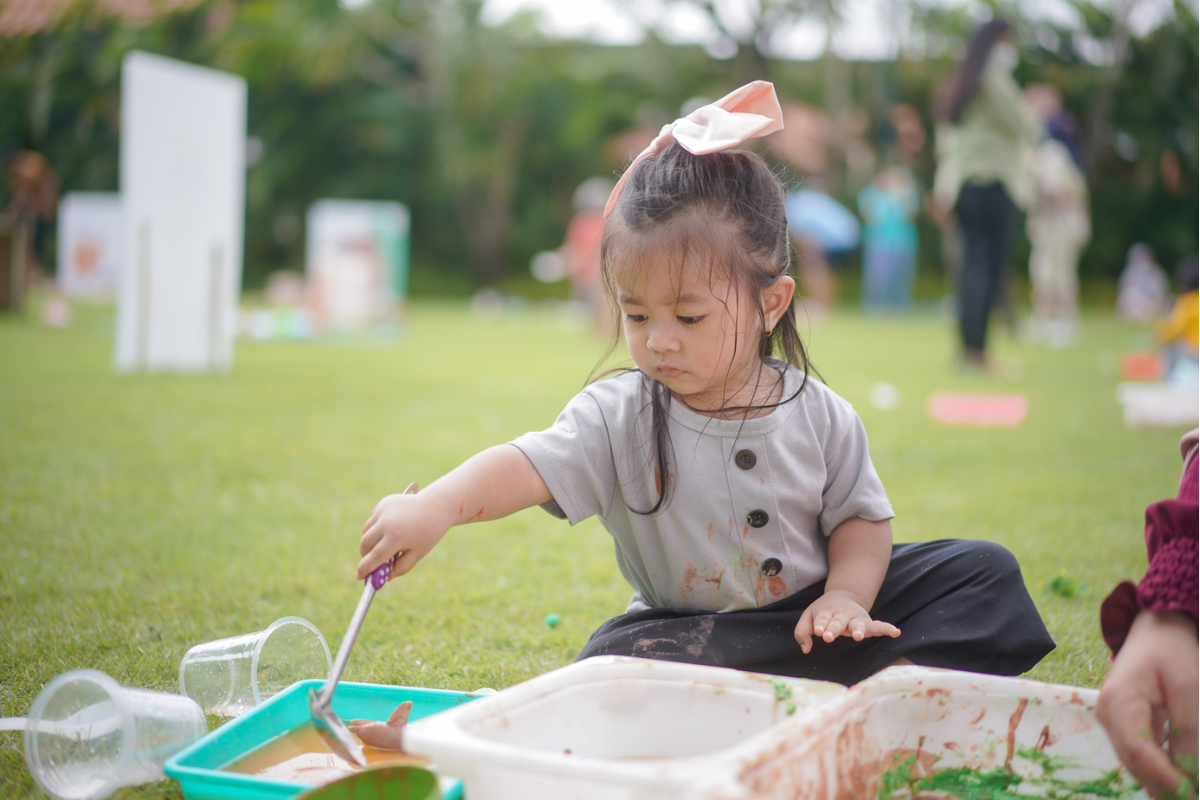 Create a Safe Environment for Mistakes
Let your toddler make mistakes during playtime, and encourage them to try again.
It’s important that they understand that making mistakes is a natural part of learning and that they should feel comfortable experimenting with different ideas without fear of failure.
Gradually Increase the Complexity of Play Activities
As your toddler becomes more confident in playing independently, introduce activities that are more complex and require additional skills.
These can help challenge their developing abilities and encourage further independence.
Introduce Puzzles and Games
Simple puzzles and games that match your toddler’s developmental level can be excellent tools for independent play.
Choose puzzles with large, easy-to-handle pieces that your child can solve on their own. As their skills improve, you can introduce more challenging activities.
Set Up Craft Stations
Introduce arts and crafts activities that they can work on independently, such as coloring, sticker books, or simple DIY crafts. Provide the materials in an organized manner and allow them to explore their creative side.
This type of activity promotes fine motor skills and provides a sense of accomplishment.
Conclusion
Encouraging independent play in toddlers is not only essential for their development but also creates a sense of confidence and autonomy.
With a little patience and the right environment, you can help your toddler learn how to entertain themselves, build their creativity, and solve problems independently.
Remember, independent play is a gradual process, so start small and build up the duration and complexity as your child grows. The goal is to create a safe, engaging, and supportive space where your toddler can feel empowered to play and explore on their own.
Did you find this post useful or inspiring? Save THIS PIN to your PARENTING Board on Pinterest! 😊
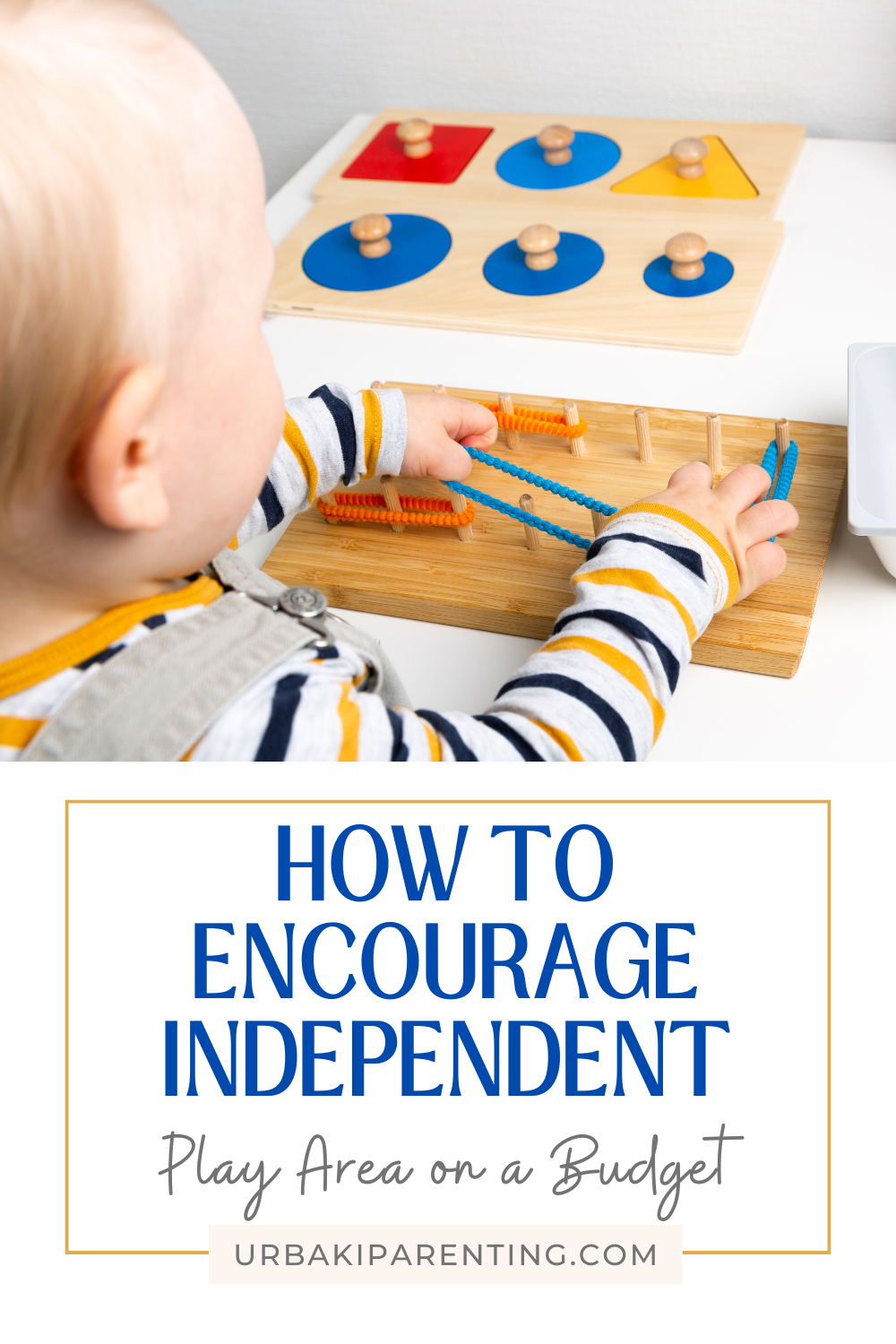

You may also like