
- Urbaki Parenting
- Toddlers
- How to Encourage Sharing in Toddlers Through Play-Based Learning
How to Encourage Sharing in Toddlers Through Play-Based Learning

Toddlers are in a crucial stage of social and emotional development, and one of the most important skills they can learn is sharing. Sharing helps build empathy, cooperation, and communication—all essential components for positive relationships as children grow.
While toddlers often struggle with the concept of sharing, play-based learning offers an effective and engaging way to encourage this behavior. By integrating sharing opportunities into play, parents and caregivers can help toddlers develop the social skills they need for a happy and harmonious childhood.
This article will explore how play-based learning can be used to foster sharing in toddlers and why it’s such an essential part of early childhood development.
The Importance of Sharing for Toddlers
Sharing is an essential social skill that children must develop to navigate the world around them. It helps toddlers learn how to interact with others, develop empathy, and build positive relationships.
When toddlers share, they also learn about patience, taking turns, and respecting others’ feelings—skills that will serve them well throughout their lives.
Social Development Through Sharing
At a young age, toddlers are beginning to understand the concept of other people’s needs and feelings. They are also starting to grasp the idea of ownership and possession. However, their natural impulse is often to hold onto their toys and possessions, leading to struggles with sharing.
By encouraging sharing through play-based learning, caregivers can help toddlers navigate this process in a supportive and fun environment.
 Building Emotional Intelligence
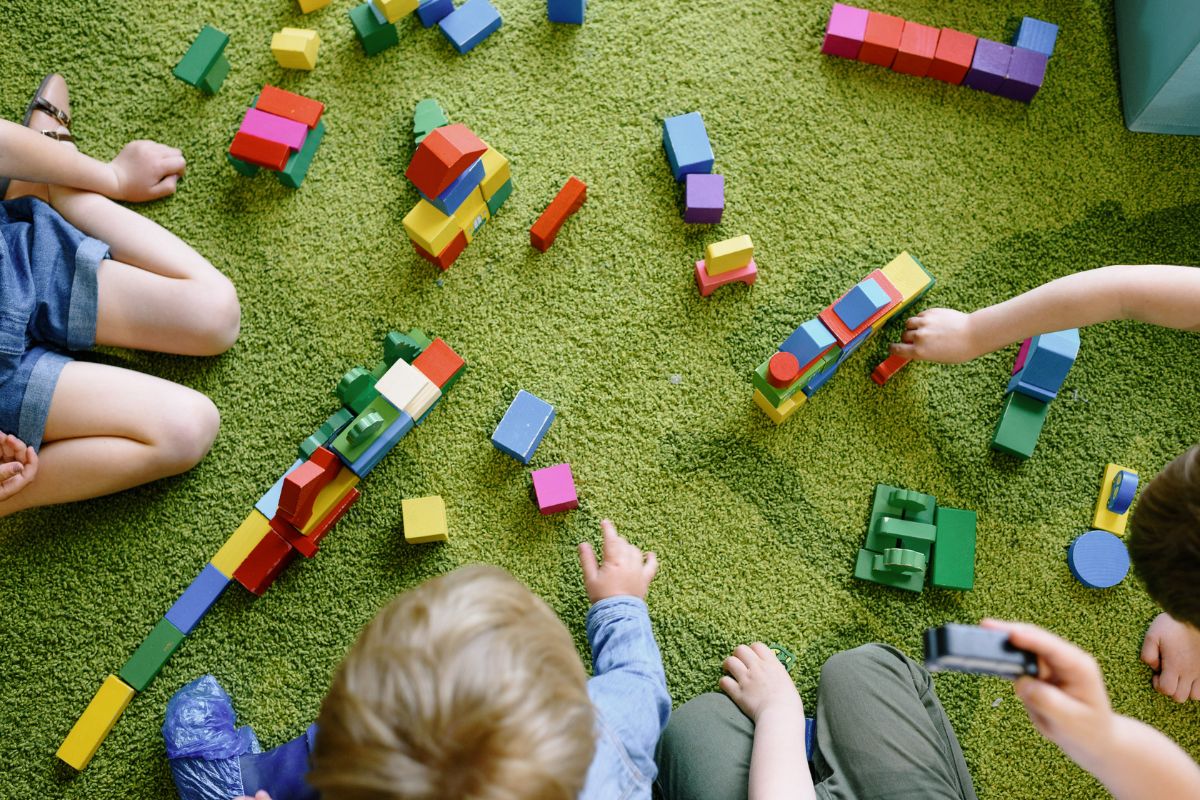 Building Emotional Intelligence
When toddlers practice sharing, they gain insight into their own emotions as well as the emotions of others. They learn to recognize frustration, joy, and disappointment—feelings that can arise during play when they have to wait for their turn or share a toy.
By learning to manage these emotions, toddlers can develop better emotional regulation and become more empathetic individuals.
Play-Based Learning: A Fun Approach to Teaching Sharing
Play-based learning involves using play as a primary method for teaching and developing various skills. It is a natural and enjoyable way for toddlers to explore the world around them while also learning important social skills, such as sharing.
There are many different types of play-based activities that can encourage toddlers to share, each tailored to their developmental needs.
Interactive Play Activities for Sharing
One of the best ways to encourage sharing is through interactive play activities that require toddlers to work together. Whether it's block building, role-playing, or group games, these activities help children practice taking turns and sharing resources.
Group Play with Toys
Toys that are designed for group play, such as blocks, puzzles, and dolls, encourage children to work together and share the toys as they play. For example, during a game of building with blocks, toddlers will need to share their blocks with others to create larger structures.
This activity can be facilitated by providing gentle prompts, such as “Let’s work together to build a big tower!”
Role-Playing and Pretend Play
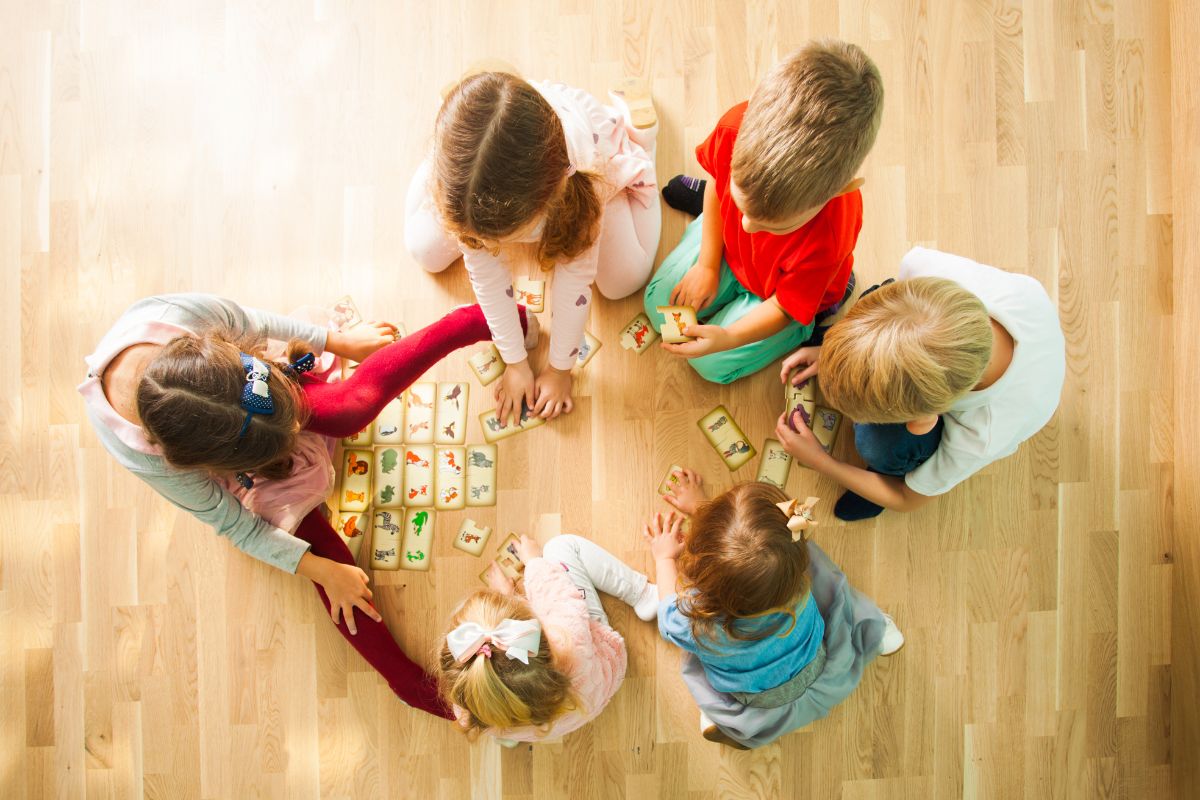 Role-Playing and Pretend Play
Pretend play is another excellent way to encourage sharing. During role-playing, toddlers may take on different roles, such as parents, doctors, or chefs, and have to share props or materials with others in their group.
This helps them learn the value of cooperation and how sharing makes the experience more enjoyable for everyone. Setting up a pretend kitchen or store allows toddlers to practice both giving and receiving, which helps build their social and communication skills.
The Role of Caregivers in Play-Based Learning
As caregivers, your role is crucial in guiding toddlers through the process of learning to share. By providing opportunities for play-based learning, you can model appropriate behaviors and reinforce positive social interactions.
Your encouragement and support can help toddlers navigate the challenges of sharing and build confidence in their social skills.
Setting Boundaries and Offering Support
When toddlers struggle with sharing, it's important to set gentle boundaries and offer support. Instead of forcing a child to share, encourage them to express their feelings and help them understand why sharing is important.
For example, saying “I know you’re feeling upset because you want to keep the toy, but it’s fun when we share so everyone gets a turn” can help toddlers begin to understand the benefits of sharing.
Praising Positive Behavior
 Praising Positive Behavior
Positive reinforcement plays a significant role in encouraging good behavior. Whenever toddlers share, be sure to offer praise and acknowledge their efforts. Saying something like, “Wow, you did a great job sharing with your friend!” can encourage them to continue practicing these behaviors.
Praise makes toddlers feel good about their actions, reinforcing the idea that sharing leads to positive outcomes.
Age-Appropriate Strategies for Encouraging Sharing
While sharing is a skill that toddlers need to learn, the approach may vary based on their age and developmental stage. Understanding your child’s age and temperament is essential when deciding how to encourage sharing through play.
For Younger Toddlers (12-24 Months)
At this age, toddlers are still learning about the concept of sharing and may not fully understand the need to share. Focus on creating opportunities for them to interact with others and gently guide them through the process.
Simple activities like playing alongside other children with blocks or stuffed animals can help toddlers begin to understand the idea of sharing.
Interactive Play: Engage in simple, side-by-side play where toddlers can observe one another sharing toys. Offer positive reinforcement when they share without prompting.
Modeling Behavior: As a caregiver, model sharing by demonstrating how you share toys or take turns with the child. This provides a visual example for toddlers to follow.
For Older Toddlers (2-3 Years)
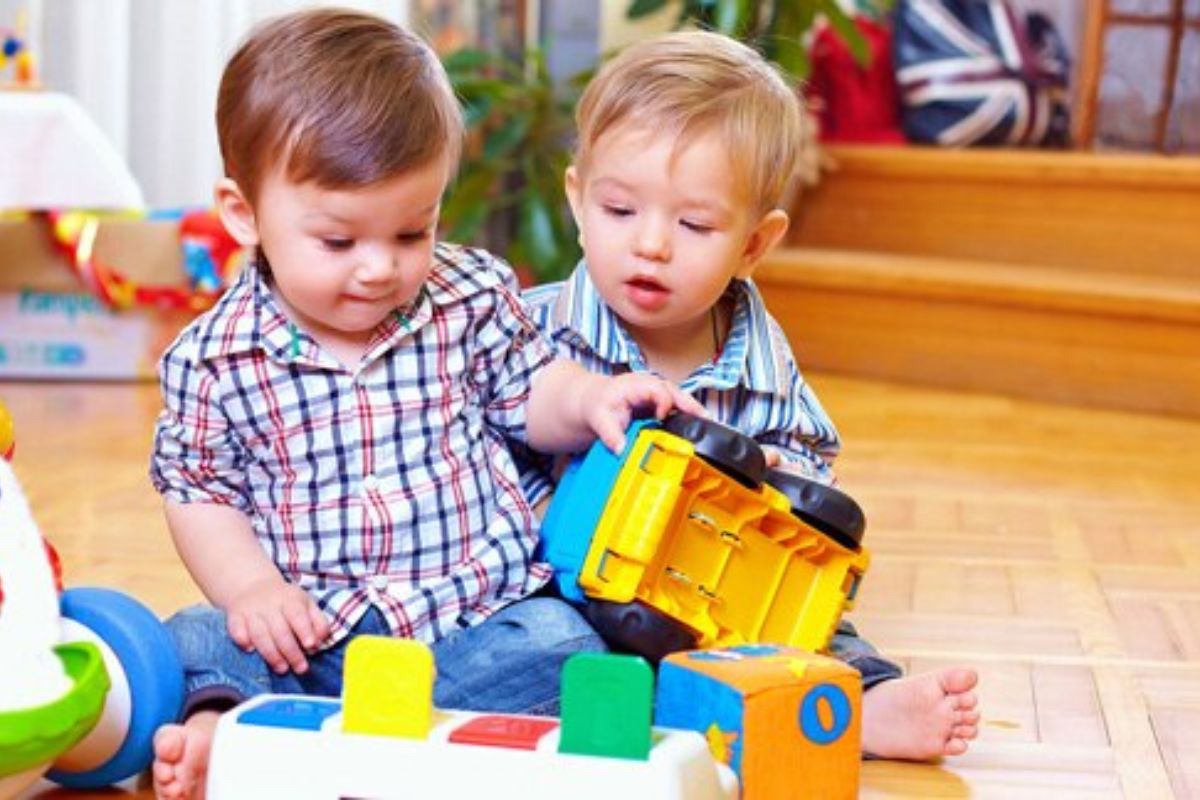 For Older Toddlers (2-3 Years)
At this stage, toddlers can understand the concept of taking turns and may be more willing to share with guidance. Encourage cooperative play through games or activities that require turn-taking, like board games or puzzle solving.
Structured Play: Use games that involve clear rules and turn-taking, such as passing a ball back and forth or waiting for a turn with a toy.
Storytelling: Share stories or books that emphasize the importance of sharing. Narratives about characters who learn to share can reinforce the concept in an enjoyable way.
For Preschool-Aged Toddlers (3-5 Years)
By the time toddlers reach preschool age, they will have a better understanding of sharing. You can encourage more complex play scenarios, such as team-building activities or group games, where they need to collaborate and share resources.
Collaborative Projects: Introduce activities that require teamwork, such as building a fort with blocks or creating a group art project. These activities help toddlers understand that collaboration and sharing enhance the fun for everyone involved.
Fostering Positive Social Skills Through Play-Based Learning
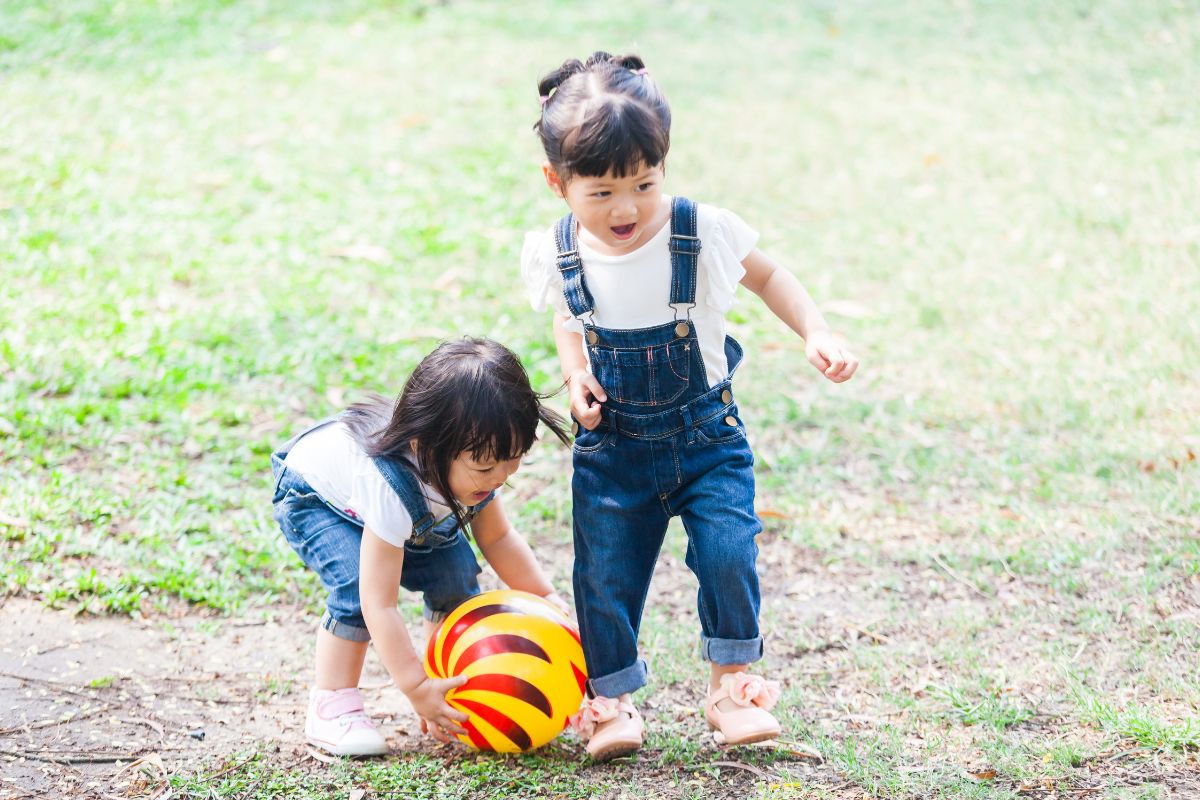 Fostering Positive Social Skills Through Play-Based Learning
In conclusion, encouraging sharing in toddlers is a crucial aspect of their social and emotional development. Through play-based learning, caregivers can help toddlers understand the value of sharing in a fun and engaging way.
By providing opportunities for interactive play, modeling positive behavior, and reinforcing sharing through praise, toddlers will learn to share in a natural and enjoyable environment.
As toddlers grow, these experiences will build the foundation for healthy social interactions and emotional intelligence, helping them become empathetic and cooperative individuals as they move through life.
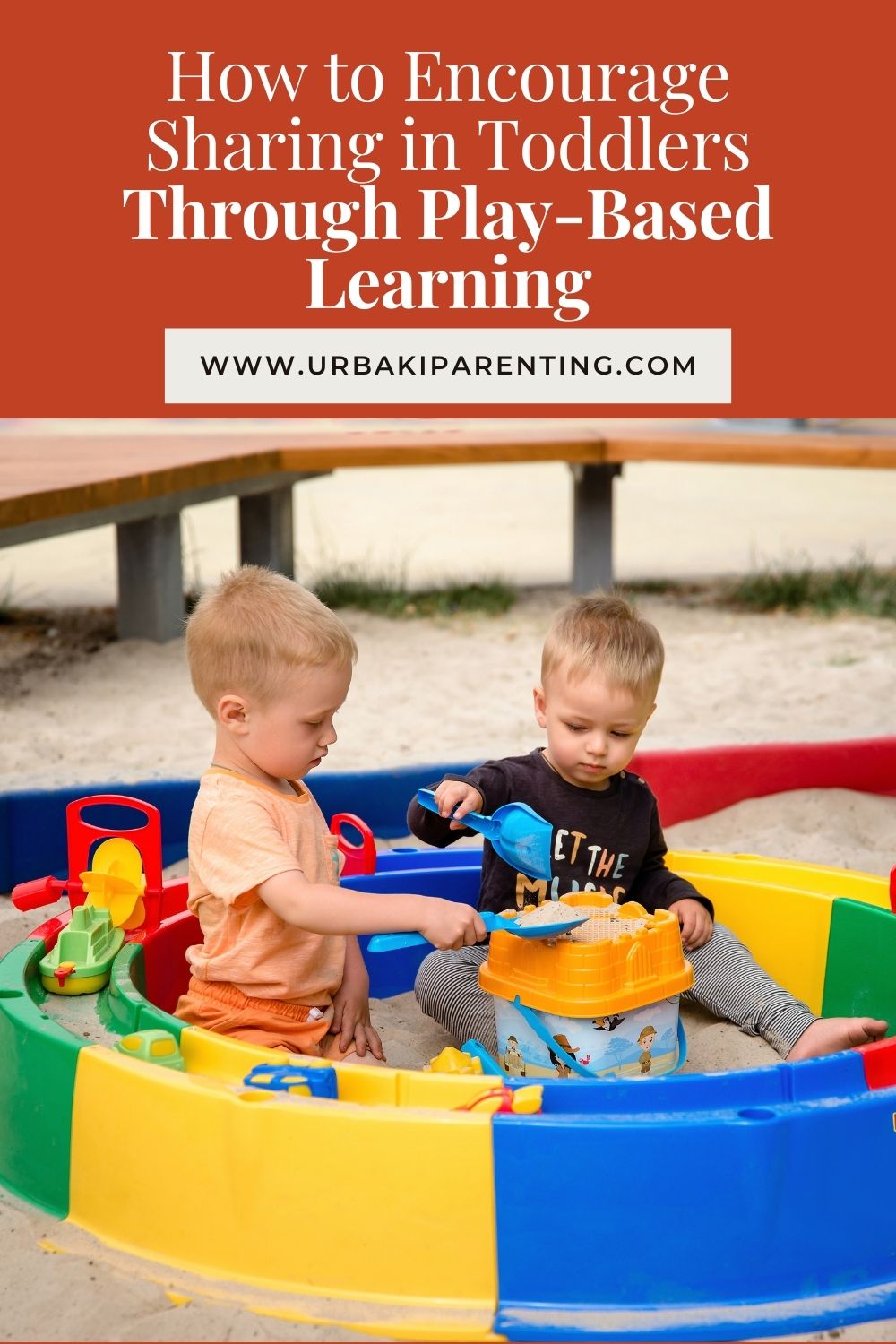
Did you find this post useful or inspiring? Save THIS PIN to your PARENTING Board on Pinterest! 😊

You may also like