
How to Foster Independence in Your Toddler

Toddlers are at a fascinating stage of development where their desire for independence blossoms. Encouraging this independence is essential for building confidence, decision-making skills, and a sense of responsibility.
However, fostering independence requires a thoughtful balance between giving your toddler freedom and providing the right support. In this article, we’ll explore practical ways to nurture your toddler’s independence while maintaining a loving and safe environment.
Understanding Toddler Independence
Before diving into strategies, it’s important to understand what independence means for toddlers. At this age, independence is not about doing everything alone perfectly but about exploring, making choices, and developing self-help skills.
Why Independence Matters
Encouraging independence helps toddlers in many ways:
Boosts self-esteem: Achieving small tasks on their own makes toddlers feel capable and proud.
Develops problem-solving skills: When toddlers try to do things independently, they learn how to overcome challenges.
Prepares for future milestones: Independence in toddlerhood lays the groundwork for social skills and learning later in childhood.
 Creating a Supportive Environment
A safe and supportive environment is the foundation for your toddler’s independence. Toddlers need space to explore and try things for themselves without constant fear of harm or failure.
Toddler-Proof Your Home
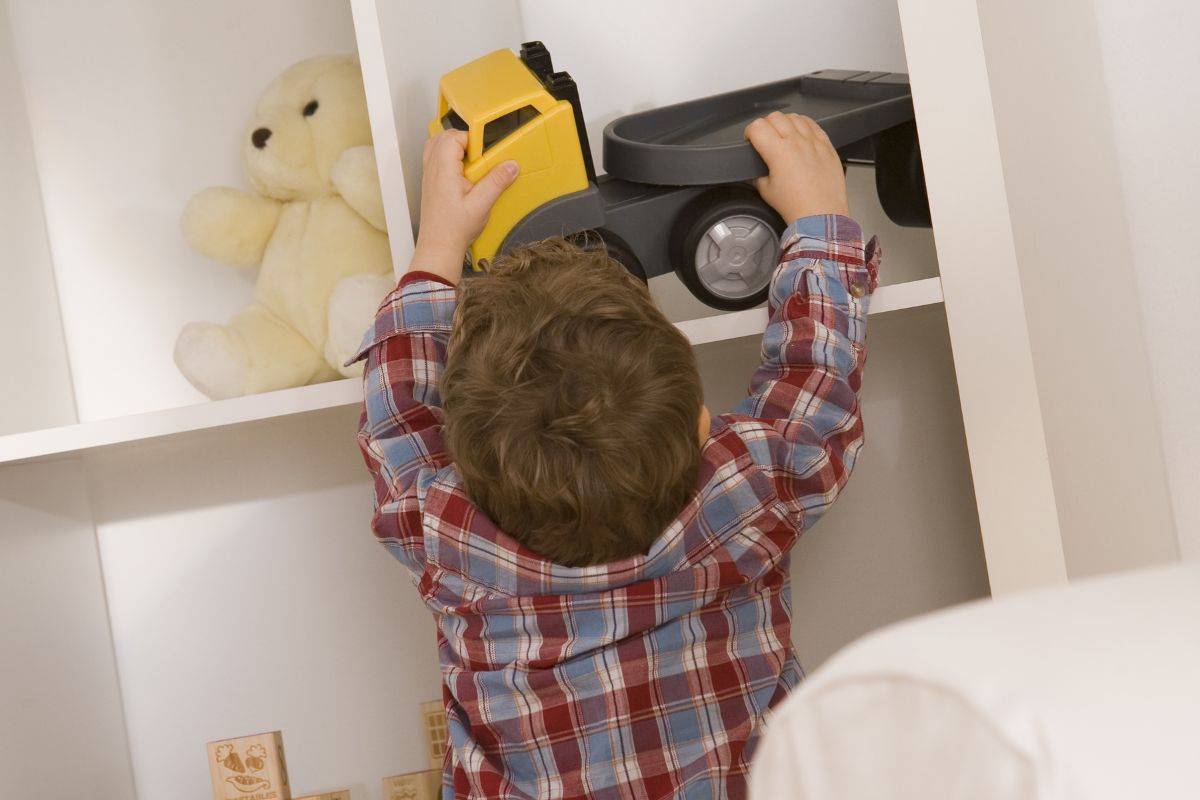
Make your home toddler-friendly by removing hazards and organizing spaces at your child’s height. This allows toddlers to access toys, clothes, and snacks on their own, fostering a sense of control.
Use safety locks for cabinets with dangerous items.
Keep frequently used toys in accessible bins.
Provide child-sized furniture where possible.
Set Clear Boundaries
While independence is important, toddlers still need boundaries to feel secure. Clear and consistent rules help toddlers understand what’s safe and acceptable.
Use simple language to explain rules.
Be consistent with limits and consequences.
Offer choices within safe limits to encourage decision-making.
 Encouraging Decision-Making
One of the best ways to foster independence is by allowing toddlers to make age-appropriate choices. This practice helps develop their confidence and autonomy.
Offer Simple Choices
Instead of asking yes or no questions, provide options that your toddler can select between. For example:
“Would you like the red shirt or the blue shirt today?”
“Do you want apple slices or banana for your snack?”
Respect Their Preferences
When your toddler makes a choice, honor it whenever possible. This shows them that their opinions matter and encourages them to keep making decisions.
Avoid overriding their choices unless safety is a concern.
Praise their decision-making skills.
 Building Self-Help Skills
Toddlers are eager to do things themselves, and helping them develop self-help skills is a key part of fostering independence.
Encourage Dressing and Undressing
Allow your toddler to practice putting on and taking off clothes. Start with simple items like hats, shoes, or jackets.
Use clothes with easy fastenings like Velcro.
Offer gentle guidance rather than doing it for them.
Promote Feeding Independence
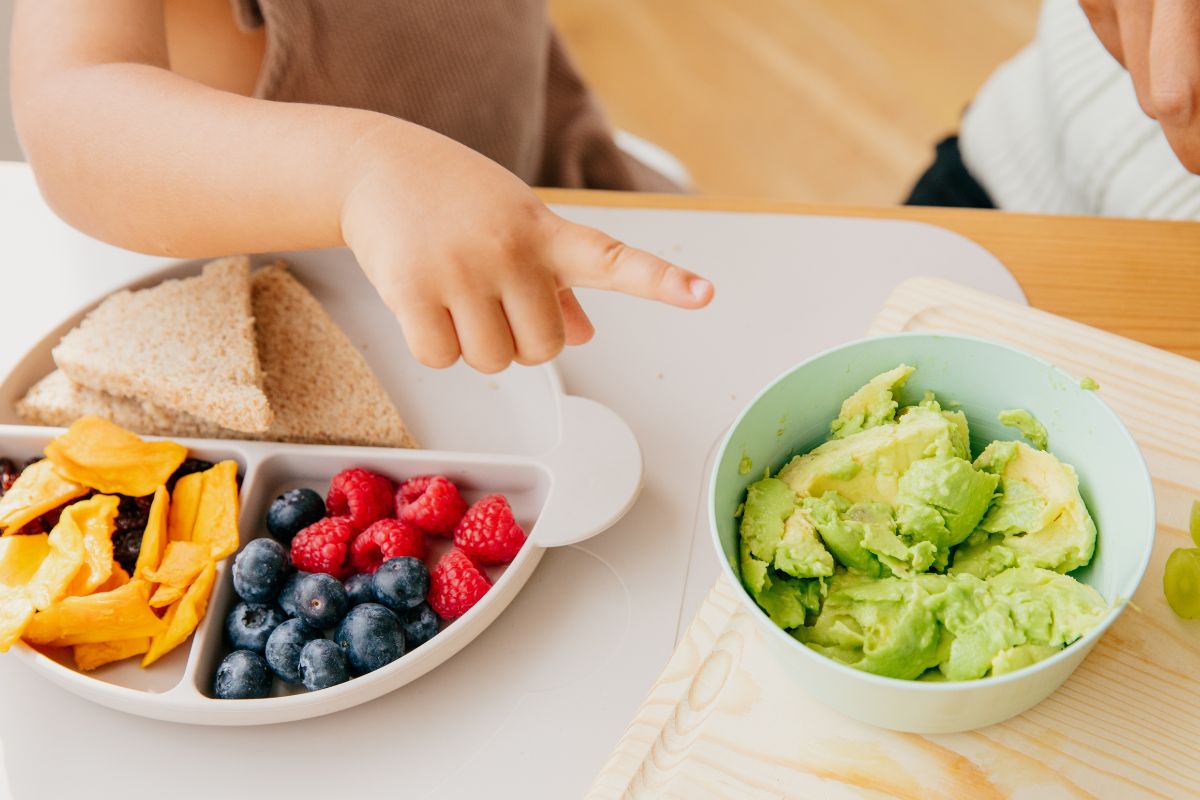
Encourage your toddler to feed themselves using child-friendly utensils. Mealtimes become opportunities for practicing independence.
Provide finger foods and small portions.
Allow for messiness as part of learning.
Teach Basic Hygiene
Introduce simple hygiene tasks like washing hands, brushing teeth, or wiping their face.
Use songs or routines to make these tasks fun.
Offer step-by-step guidance and celebrate their efforts.
 Supporting Emotional Independence
Fostering emotional independence is just as important as physical independence. Toddlers need to learn how to manage their feelings and express themselves.
Validate Their Feelings
Acknowledge your toddler’s emotions rather than dismissing them. This helps them feel understood and encourages emotional expression.
Say things like, “I see you’re feeling upset,” or “It’s okay to be frustrated.”
Encourage Problem-Solving
When your toddler faces challenges or conflicts, guide them to find solutions rather than immediately stepping in.
Ask questions like, “What can we do to fix this?”
Offer options and let them try resolving small problems on their own.
Being Patient and Encouraging
Independence develops gradually, and toddlers will make mistakes and sometimes get frustrated. Your patience and encouragement are vital during this process.
 Celebrate Efforts Over Perfection
Focus on your toddler’s effort and progress rather than flawless results. Praise boosts motivation and reinforces positive behavior.
Say, “You tried so hard to put on your shoes, great job!”
Provide Gentle Guidance
Step in with help only when necessary, allowing your toddler space to learn from experiences.
If they struggle, offer encouragement or demonstrate, then let them try again.
Empowering Your Toddler Through Independence
Fostering independence in your toddler is a rewarding journey that nurtures confidence, skills, and self-reliance. By creating a safe environment, offering choices, building self-help abilities, and supporting emotional growth, you set the stage for your child to thrive.
Remember, every small step your toddler takes toward independence is a big leap in their development. Celebrate these moments with patience and love, empowering your little one to grow into a capable and confident individual.
Did you find this post useful or inspiring? Save THIS PIN to your PARENTING Board on Pinterest! 😊

You may also like