
How to Handle Toddler Biting: Strategies for Parents
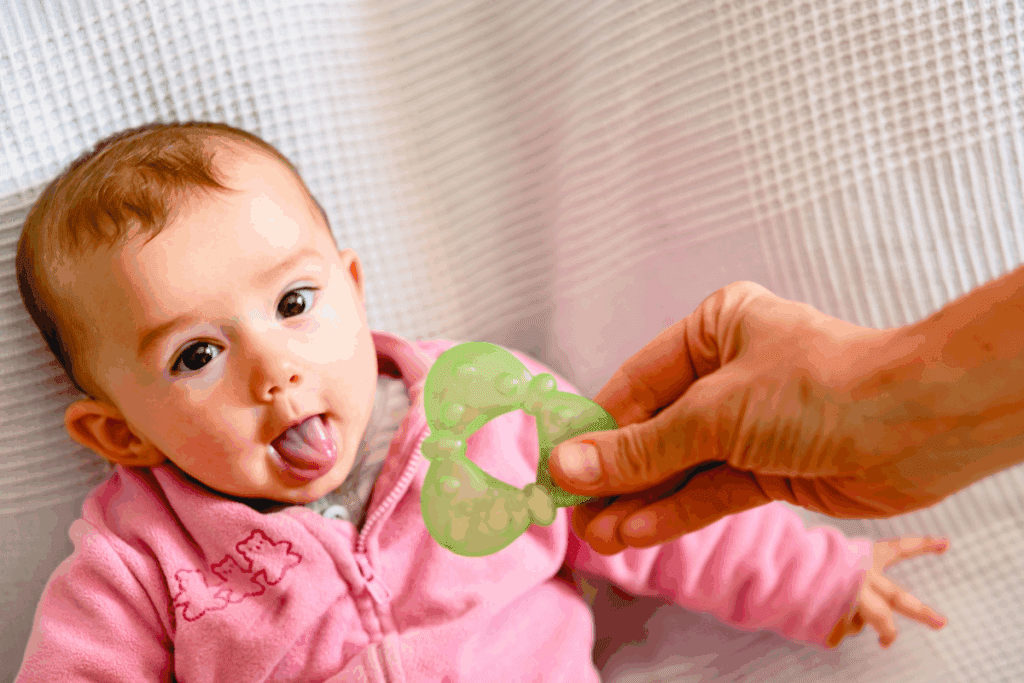
Toddler biting can be an alarming and frustrating behavior for parents to deal with. It’s common for toddlers to bite, whether it’s out of frustration, curiosity, or a need for attention.
As a parent, it’s essential to address this behavior calmly and constructively, so your toddler learns appropriate ways to express themselves and interact with others.
In this article, we’ll discuss why toddlers bite, how to handle the situation effectively, and provide strategies for addressing biting behavior in a positive and nurturing way.
Why Do Toddlers Bite?
Before we dive into how to handle toddler biting, it’s important to understand why it happens. Biting is a common developmental phase, and many toddlers will go through it at some point.
Here are a few reasons why toddlers may bite:
Teething
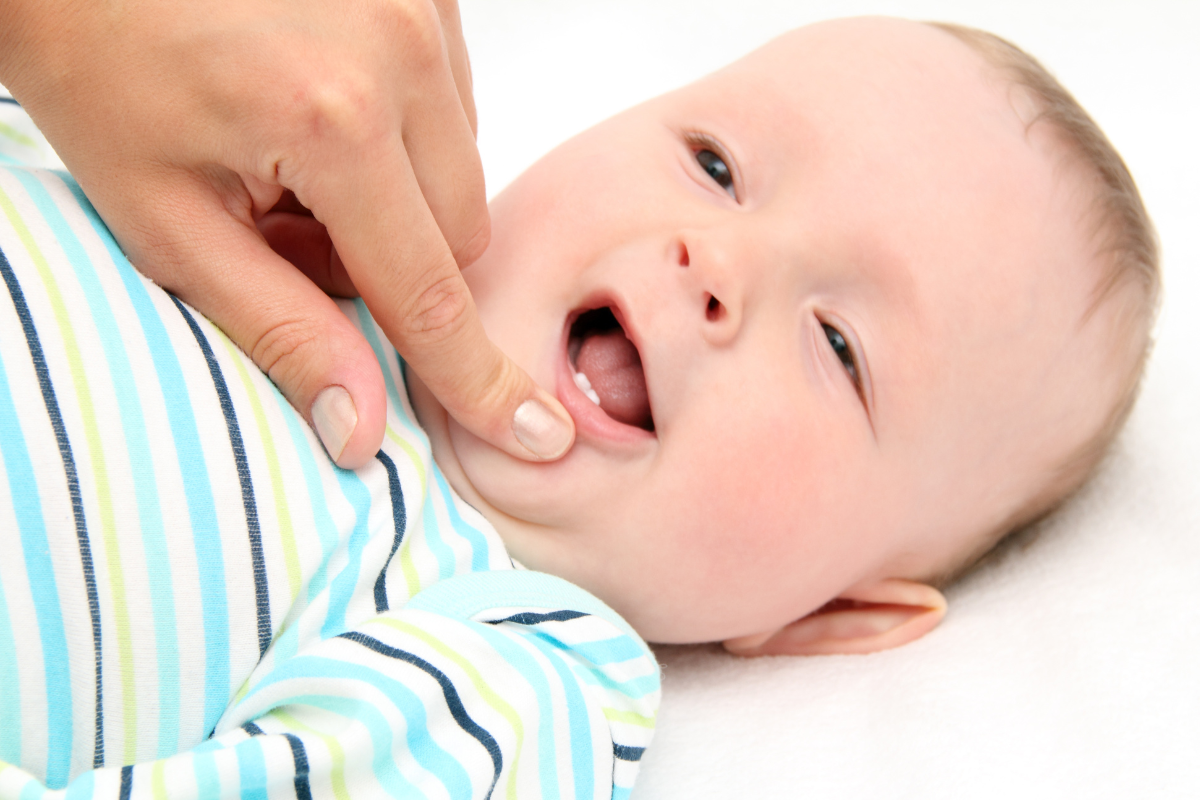
One of the most common reasons toddlers bite is because of teething. The discomfort and pain associated with new teeth coming in can lead toddlers to bite down on objects (or even other people) to relieve pressure on their gums.
 Frustration or Anger
 Frustration or Anger
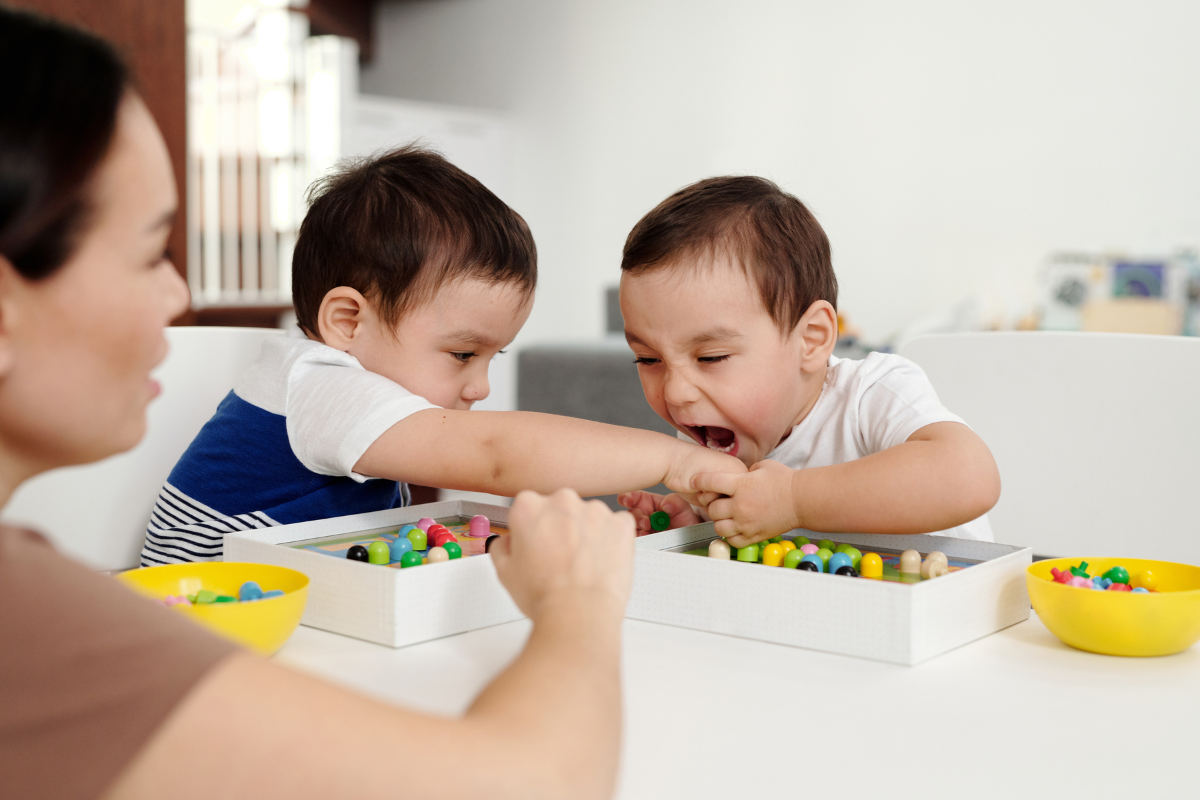
Toddlers are still learning to express their emotions, and they often don’t have the vocabulary to communicate their frustration, anger, or irritation.
As a result, some toddlers may resort to biting as a way to express these feelings, especially if they are unable to handle difficult emotions.
Seeking Attention
Some toddlers bite to gain attention from their parents or caregivers, especially if they notice that biting results in a strong reaction.
It’s important to remember that toddlers are learning how to get their needs met, and they may not always understand the consequences of their actions.
Exploring Their Environment
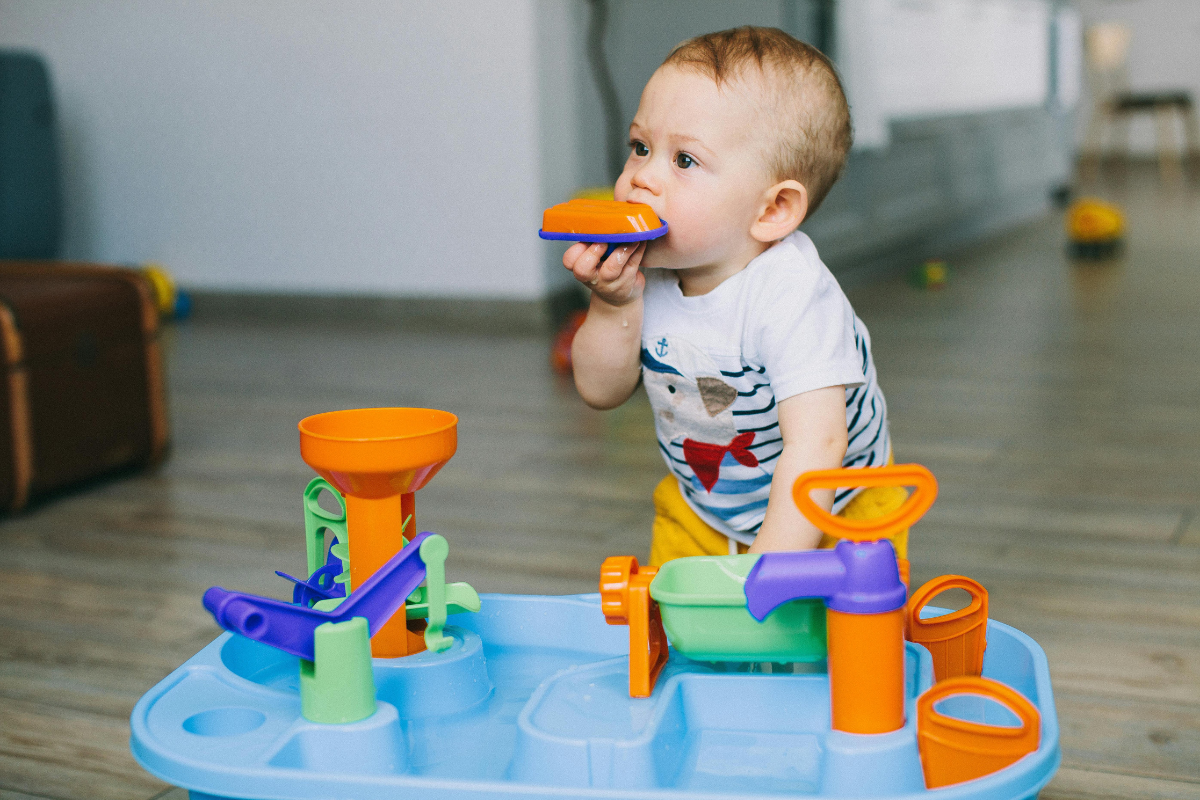
At this stage of development, toddlers are exploring the world around them. Biting may occur out of curiosity or as a way to test the boundaries of what they can and cannot do.
It’s important to note that this type of biting is often not done with ill intent but as part of the learning process.
Overstimulation or Sensory Overload
Toddlers may bite if they become overstimulated by their environment, especially if there’s too much noise, movement, or excitement.
In these moments, biting might be a way to manage overwhelming sensory input or to regain control of their emotions.
How to Handle Toddler Biting: Strategies for Parents
 How to Handle Toddler Biting: Strategies for Parents
Once you understand why your toddler may be biting, it’s important to take a measured approach to address the behavior. Here are some effective strategies for handling toddler biting:
Stay Calm and Avoid Overreacting
When your toddler bites, it’s essential to stay calm and avoid reacting with anger or frustration.
Although it’s natural to feel upset, responding with a loud or emotional reaction can escalate the situation and reinforce the behavior. Instead, take a deep breath and calmly intervene.
Address the Behavior Immediately
It’s important to address the behavior right away so that your toddler understands that biting is not acceptable. Use a firm but calm voice and say something like, “No biting. Biting hurts,” while looking them in the eye.
Keep your response short and simple so they can grasp the message.
Provide Clear and Consistent Consequences
While staying calm, make sure to provide clear and consistent consequences for biting. This might include removing your toddler from the situation or redirecting them to a different activity.
Consistency is key—make sure to enforce the same response every time they bite so they begin to associate the behavior with negative consequences.
Teach Your Toddler to Use Words
 Teach Your Toddler to Use Words
If your toddler is biting out of frustration, teach them words to express their feelings. Help them say phrases like “I’m mad,” “I need help,” or “I want that” when they feel upset or frustrated.
The more your toddler learns how to express their emotions verbally, the less likely they will be to use biting as a form of communication.
Redirect Their Attention
If your toddler bites out of curiosity or to test boundaries, it’s helpful to redirect their attention to something else.
For example, if they’re biting a toy, encourage them to chew on a teething ring or another appropriate item instead.
This helps them understand the difference between acceptable and unacceptable behavior.
Use Positive Reinforcement
When your toddler refrains from biting, praise them for using words or engaging in appropriate behavior. Positive reinforcement can encourage your toddler to repeat those behaviors.
For example, if your child uses words to express frustration instead of biting, praise them by saying, “I’m so proud of you for using your words!”
Address Biting in Social Situations
If your toddler bites other children or people during playdates or group activities, it’s important to address the behavior right away while ensuring the safety of everyone involved. Here are some tips:
Teach Empathy and Understanding
Help your toddler understand the impact of their actions by explaining that biting hurts others. Use simple phrases like, “Biting makes people sad.” Encourage empathy by asking how they would feel if someone else bit them.
This helps them begin to understand cause and effect and the importance of respecting others’ feelings.
Encourage Positive Interaction
Encourage your toddler to engage in positive interactions with other children, such as sharing toys, taking turns, or using gentle touches.
Praising these behaviors helps your toddler understand the benefits of cooperative play and reduces the likelihood of biting.
Monitor Playtime and Step In When Needed
Keep a close eye on playtime and step in quickly if tensions begin to rise. Toddlers often bite when they feel frustrated or overwhelmed during play. Intervening early and redirecting the situation can prevent biting from occurring.
Ensure that your toddler has appropriate outlets for their emotions, such as a quiet corner or a soft toy to hug when they need to calm down.
Help Your Toddler Cope with Teething
 Help Your Toddler Cope with Teething
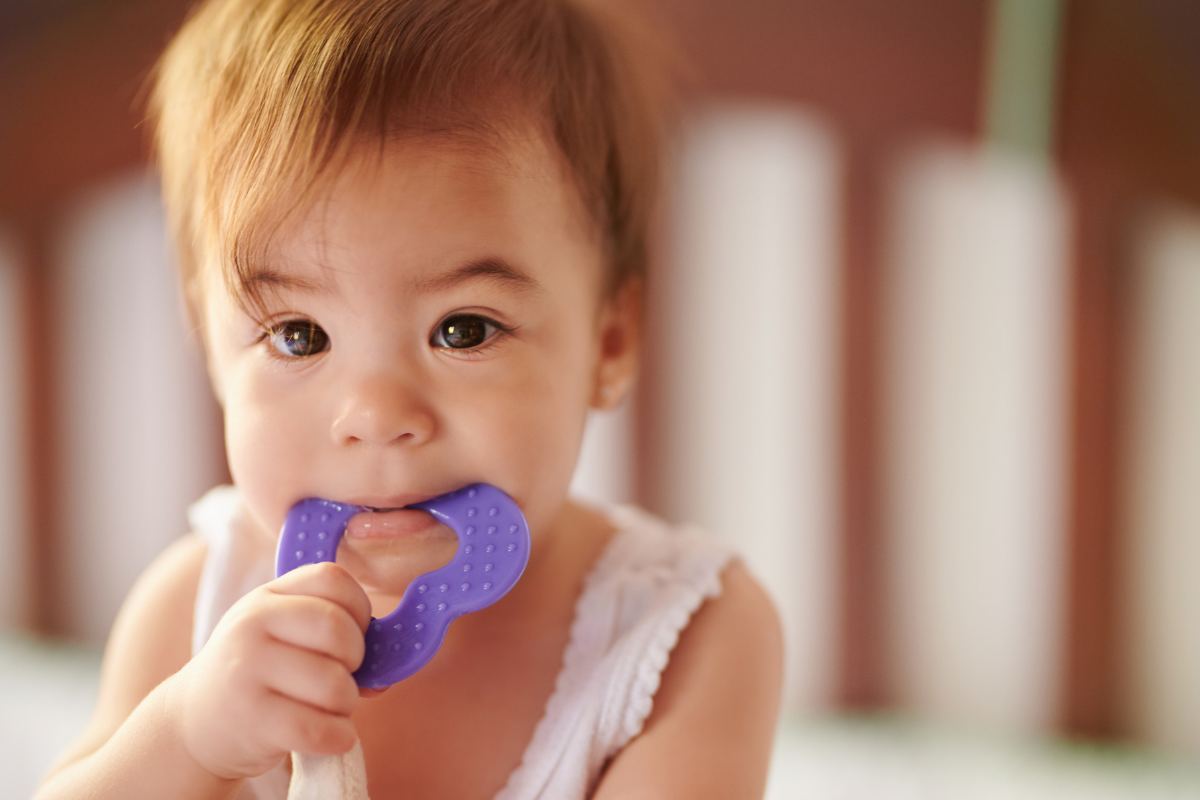
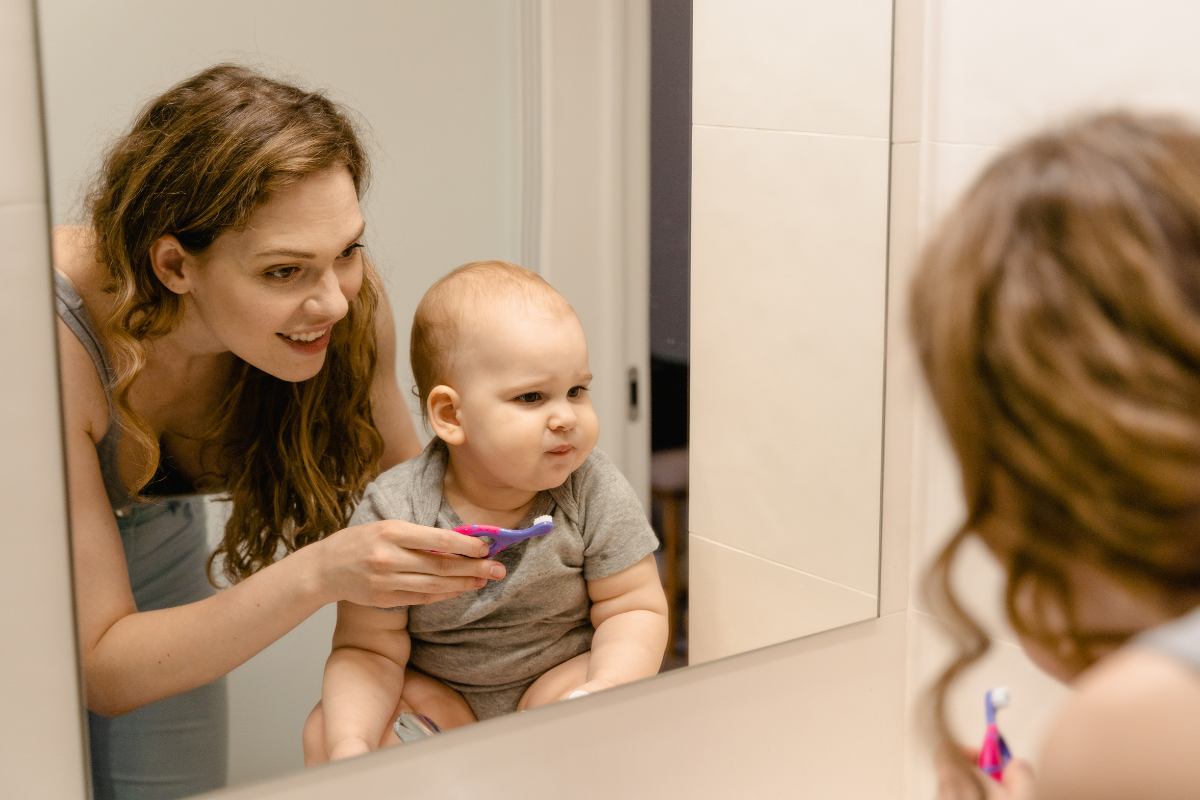
If teething is the cause of the biting, help your toddler by offering safe teething toys or a cold washcloth to chew on. These items can provide relief for sore gums and help reduce the urge to bite.
Additionally, ensure your toddler has access to a comforting routine, including cuddles, soothing music, or a favorite toy to help them feel more secure.
Be Patient and Consistent
Overcoming biting takes time, and it’s important to be patient with your toddler as they learn to express themselves in appropriate ways.
Consistency in your responses and strategies is key to helping them understand that biting is unacceptable.
Remain calm, provide clear consequences, and offer praise for positive behavior. With time, your toddler will learn to communicate their needs in more appropriate ways.
Conclusion
Dealing with toddler biting can be challenging, but with the right approach, you can help your child learn to manage their emotions and express themselves in healthier ways.
By staying calm, addressing the behavior consistently, and teaching them appropriate ways to communicate, you can help your toddler grow into a more self-regulated and empathetic individual.
Remember that this is a phase that many toddlers go through, and with your support and guidance, they will learn to navigate their emotions and interact with others in positive ways.
Did you find this post useful or inspiring? Save THIS PIN to your PARENTING Board on Pinterest! 😊

You may also like