
- Urbaki Parenting
- Toddlers
- How to Introduce Positive Affirmations to Toddlers
How to Introduce Positive Affirmations to Toddlers

Introducing positive affirmations to toddlers can be a powerful tool for promoting self-esteem, confidence, and emotional growth. At a time when toddlers are just beginning to develop their understanding of themselves and their place in the world, affirmations can help them build a positive self-image.
This article will explore the benefits of positive affirmations for toddlers and provide practical tips on how to effectively introduce them into their daily routine.
What Are Positive Affirmations?
Positive affirmations are simple, positive statements or phrases that children can repeat to themselves. These affirmations are meant to foster a healthy sense of self-worth and encourage positive thinking.
By using affirmations regularly, children begin to internalize these positive messages, which can help shape their attitudes and behaviors.
For toddlers, affirmations are typically short, easy-to-understand statements that focus on positive qualities such as kindness, strength, and love. Examples of affirmations for toddlers include:
"I am strong."
"I am kind."
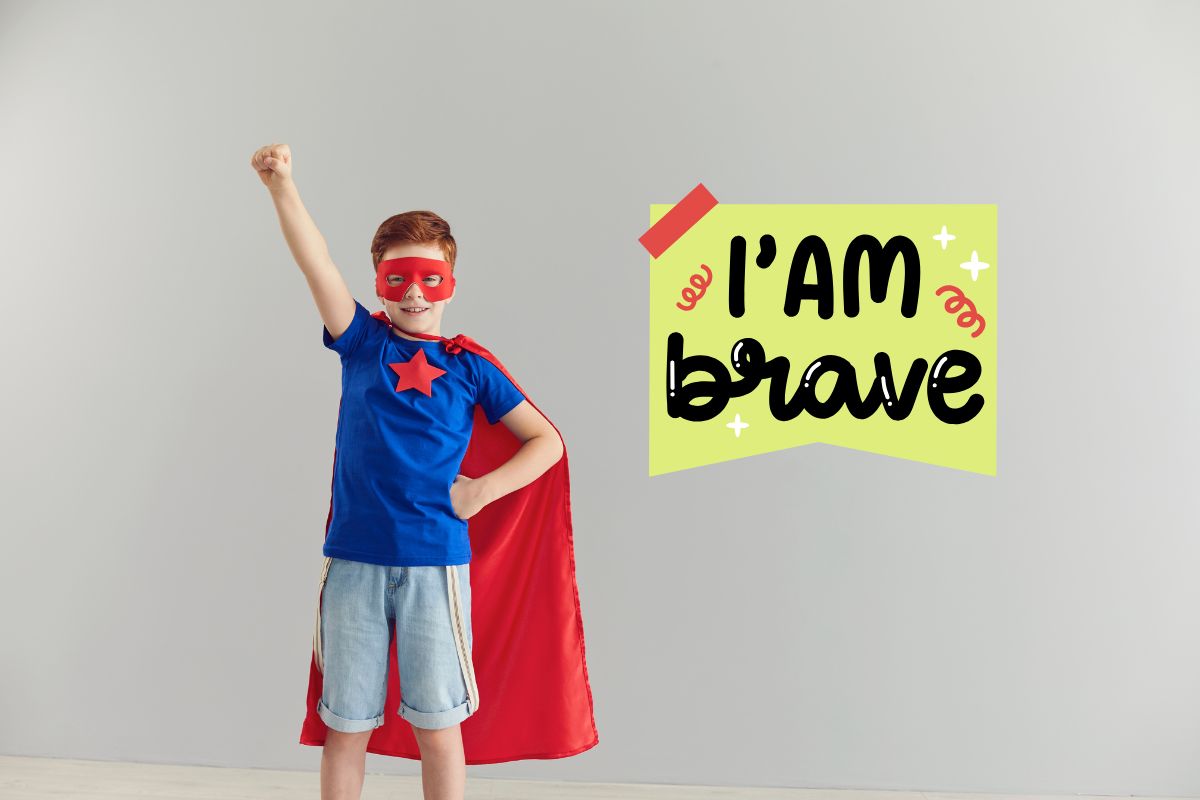
"I am brave."
"I am loved."
 The Power of Words for Toddlers
 The Power of Words for Toddlers
At a young age, toddlers are highly impressionable and absorb the words and messages they hear. Positive affirmations work by encouraging positive self-talk and helping children develop a growth mindset.
When repeated consistently, these affirmations can help toddlers learn how to approach challenges with a positive attitude and feel empowered in their abilities.
The Benefits of Positive Affirmations for Toddlers
Introducing positive affirmations to toddlers can have numerous benefits for their emotional and psychological development. Here are some of the key advantages:
1. Building Confidence and Self-Esteem
By regularly repeating positive affirmations, toddlers begin to see themselves in a positive light. Affirmations encourage them to recognize their strengths and worth, which can contribute to increased self-confidence.
For instance, affirmations like "I am brave" can help a toddler feel empowered to try new things, whether it's trying a new food or overcoming a fear.
2. Promoting a Growth Mindset
Affirmations can foster a growth mindset in toddlers by encouraging them to believe in their ability to learn and grow. Instead of focusing on failure or mistakes, positive affirmations help toddlers view challenges as opportunities for growth.
Phrases like "I can do hard things" teach toddlers that persistence and effort lead to success.
3. Reducing Negative Self-Talk
 3. Reducing Negative Self-Talk
Negative self-talk can begin as early as toddlerhood. If a toddler is constantly hearing statements like "I can't do this" or "I'm not good enough," it can impact their self-esteem and mindset.
Positive affirmations replace negative thoughts with empowering ones, helping to build resilience and emotional strength.
4. Fostering Emotional Regulation
Positive affirmations also help toddlers manage their emotions. By focusing on self-compassion and positive qualities, toddlers can develop a sense of calm and self-assurance, even when faced with difficult emotions like frustration or sadness. Repeating affirmations such as "I am calm" or "I can handle my feelings" can support emotional regulation.
How to Introduce Positive Affirmations to Toddlers
Introducing positive affirmations to toddlers doesn't have to be complicated. With a few simple strategies, you can integrate them into your toddler's daily routine and make them an enjoyable and effective tool for emotional growth.
1. Start with Simple and Clear Affirmations
For toddlers, it's important to use short, simple, and age-appropriate affirmations that are easy to understand. Keep the statements clear and focused on positive qualities, such as kindness, bravery, or love. For example, start with:
"I am happy."
"I am kind."
"I am strong."
2. Make It a Routine
 2. Make It a Routine
Consistency is key when introducing affirmations to toddlers. Make affirmations a part of your daily routine. You can say them in the morning as part of your child’s wake-up routine, before bedtime, or during quiet moments. The more often they hear and repeat these positive statements, the more they will internalize them.
3. Model Positive Affirmations Yourself
Toddlers learn by example, so it's important to model positive affirmations for them. Use positive language when speaking about yourself and others. For instance, you could say, “I am proud of what I did today,” or “I’m so strong and capable.”
When toddlers see their parents practicing positive self-talk, they are more likely to adopt it themselves.
4. Incorporate Affirmations into Playtime
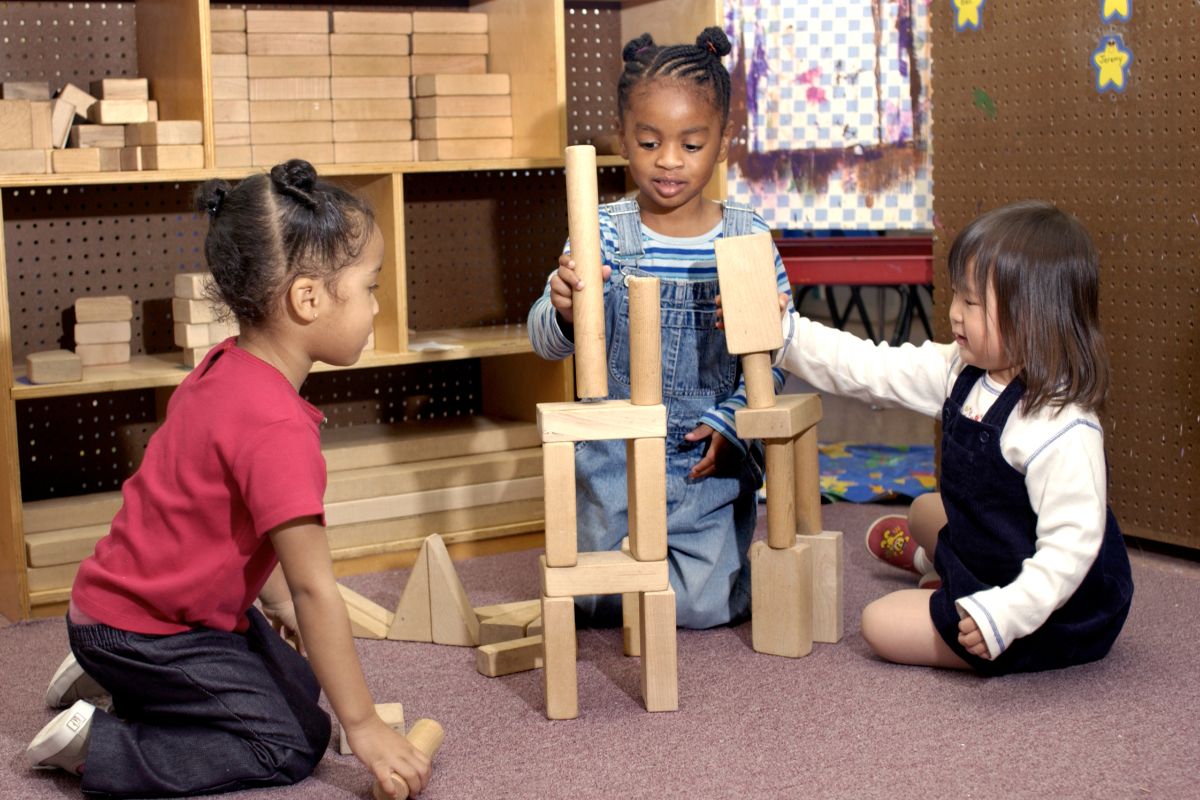
Incorporating affirmations into play can make them more engaging for toddlers. You can create fun games or activities where your toddler says their affirmations out loud. For example, you can play a game where you both take turns saying affirmations while jumping, dancing, or clapping.
This keeps the experience light-hearted and fun, which encourages toddlers to embrace it.
5. Use Visuals and Reminders
 5. Use Visuals and Reminders
For toddlers who are just learning to read or recognize words, visuals can be a great way to reinforce affirmations. Create a simple chart or poster with their favorite affirmations, and place it somewhere visible in their room or near their play area.
You can also use picture books or flashcards that feature affirmations to help reinforce the message visually.
6. Encourage Your Toddler to Create Their Own Affirmations
As toddlers get older, encourage them to come up with their own affirmations. This can be a fun and empowering activity that helps them express how they see themselves.
For example, if your toddler loves to draw, ask them to create an illustration of something that represents strength or kindness and write an affirmation next to it.
7. Praise and Reinforce Their Efforts
When your toddler participates in affirmations, offer praise and reinforcement. Positive reinforcement helps them feel good about their efforts and encourages them to keep using affirmations. You can say, “I love how you said your affirmations today!” or “You’re so brave for saying that affirmation all by yourself.”
Overcoming Challenges and Staying Consistent
 Overcoming Challenges and Staying Consistent
It’s normal for toddlers to lose interest or get distracted during affirmation sessions. If your child is resistant to affirmations at first, try to keep the practice short and playful. Gradually, they will begin to recognize the positive effects of affirmations on their emotions and mindset.
If your toddler is particularly shy or hesitant, don’t push them to speak affirmations aloud at first. Instead, start by modeling the behavior and allow them to repeat the affirmations in their own time. The key is to create a non-pressured environment where they feel comfortable and supported.
Cultivating a Positive Mindset for Life
Introducing positive affirmations to toddlers is a simple yet powerful way to foster self-esteem, emotional resilience, and a growth mindset from an early age. By incorporating affirmations into your child's daily routine, you provide them with a valuable tool for navigating the challenges of life.
With consistency, patience, and a positive example from you, affirmations can help toddlers develop a strong sense of self-worth and a lasting foundation for emotional well-being.
Did you find this post useful or inspiring? Save THIS PIN to your PARENTING Board on Pinterest! 😊

You may also like