
Preparing Toddlers for the Arrival of a New Pet

Welcoming a new pet into the home can be an exciting time for the entire family, but for families with toddlers, there’s a lot to consider. Toddlers are naturally curious and energetic, so introducing them to a new pet requires careful preparation to ensure a smooth transition.
It’s essential to approach the situation thoughtfully to create a safe, harmonious environment for both your child and your new furry family member.
In this article, we will explore how to prepare toddlers for the arrival of a new pet and share helpful tips on fostering a positive and loving relationship between your toddler and their new companion.
Why It’s Important to Prepare Toddlers
Introducing a new pet to the household is a big change. Toddlers, especially, may not fully understand the responsibilities or expectations involved in caring for an animal. Preparation helps to:
Ease anxiety for both your child and the pet
Set boundaries to keep both the pet and toddler safe
Promote positive interaction between them
Teach responsibility and empathy for animals
By preparing your toddler early, you can foster a loving relationship between your child and the new pet that will last for years.
 Step 1: Talk About the New Pet
 Step 1: Talk About the New Pet
The first step in preparing your toddler for a new pet is talking about it. While toddlers might not fully grasp the concept of a new pet, introducing the idea in a positive and simple way will help them anticipate the change.
You can start by talking about the new pet in the days or weeks leading up to their arrival.
How to Discuss the New Pet
Use simple language: Toddlers understand basic words and concepts, so explain the new pet in simple terms. For example, “We’re getting a dog that will live with us. It’s like a new friend!”
Explain the pet’s needs: Share basic information about the pet’s needs, such as feeding and taking care of them. This can help your toddler understand that pets need attention and care too.
Make it exciting: Talk about how much fun it will be to play, take walks, or cuddle with the new pet. Show them pictures or videos of the type of animal they will soon meet.
Preparing Emotionally
Understanding that toddlers are sensitive to change, it’s also important to help them adjust emotionally. If your toddler has never had a pet before, they may be excited but also a little nervous. Reassure them that the new pet will be gentle and that they will be involved in caring for the pet.
Step 2: Involve Your Toddler in Pet Preparations
 Step 2: Involve Your Toddler in Pet Preparations
Once your toddler is familiar with the idea of the new pet, get them involved in preparing for their arrival. Including your child in the process will not only build excitement but also encourage a sense of responsibility.
Tasks to Involve Your Toddler In
Setting up the pet’s space: Let your toddler help set up the pet’s area by choosing toys, bedding, or a special bowl. This gives them a sense of ownership and excitement about the pet’s arrival.
Shopping for supplies: Involve your toddler in picking out pet supplies. This could be as simple as choosing a pet bed or selecting a leash or collar. Make the experience fun by allowing them to choose pet accessories that they can later help use.
Familiarizing with Pet Care
Introduce basic routines: Begin teaching your toddler simple pet care tasks that they can safely assist with, like feeding the pet or filling their water bowl. Even if they can’t do everything independently, the idea of helping will excite them and create a connection.
Read books about pets: Share toddler-friendly books about animals and pet care. Books like "The Berenstain Bears Get a Pet" or "I Want a Pet!" will help your child understand the responsibilities of having a pet and how to treat animals kindly.
Step 3: Set Clear Boundaries for Interactions
 Step 3: Set Clear Boundaries for Interactions
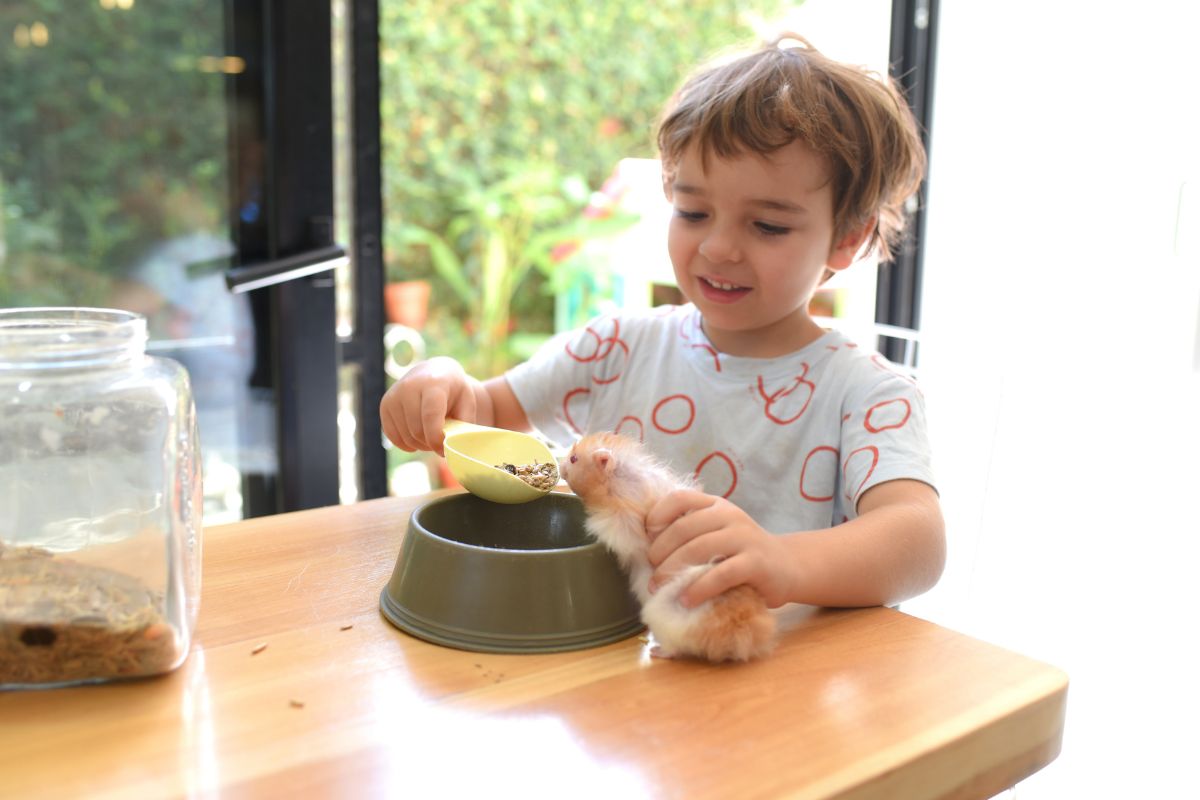
Toddlers often don’t understand boundaries when it comes to interacting with animals. It’s essential to teach them how to approach and treat the pet with respect. Setting clear, simple rules for both the pet and your toddler will ensure a safe environment for both.
Rules for Toddler-Pet Interaction
No rough handling: Teach your toddler how to pet the animal gently. Explain that pets are not toys and should be treated with care. Demonstrate how to pet the pet softly, showing them what’s okay and what’s not.
Respect personal space: Explain to your toddler that just like they need space, pets do too. This means no pulling on the pet’s ears, tail, or fur, and respecting their rest time.
Teach how to handle accidents: Accidents may happen, like a pet accidentally knocking over a toddler or a toddler being too rough with the pet. Reassure your child that it’s okay and explain that both the pet and toddler need to be gentle.
Age-Appropriate Expectations
At this stage, it’s crucial to have realistic expectations about what tasks your toddler can manage. While they may be able to help with pet feeding or filling a water bowl, they may not be ready for more complex tasks like walking the dog or cleaning the litter box.
Step 4: Monitor First Interactions Carefully
 Step 4: Monitor First Interactions Carefully
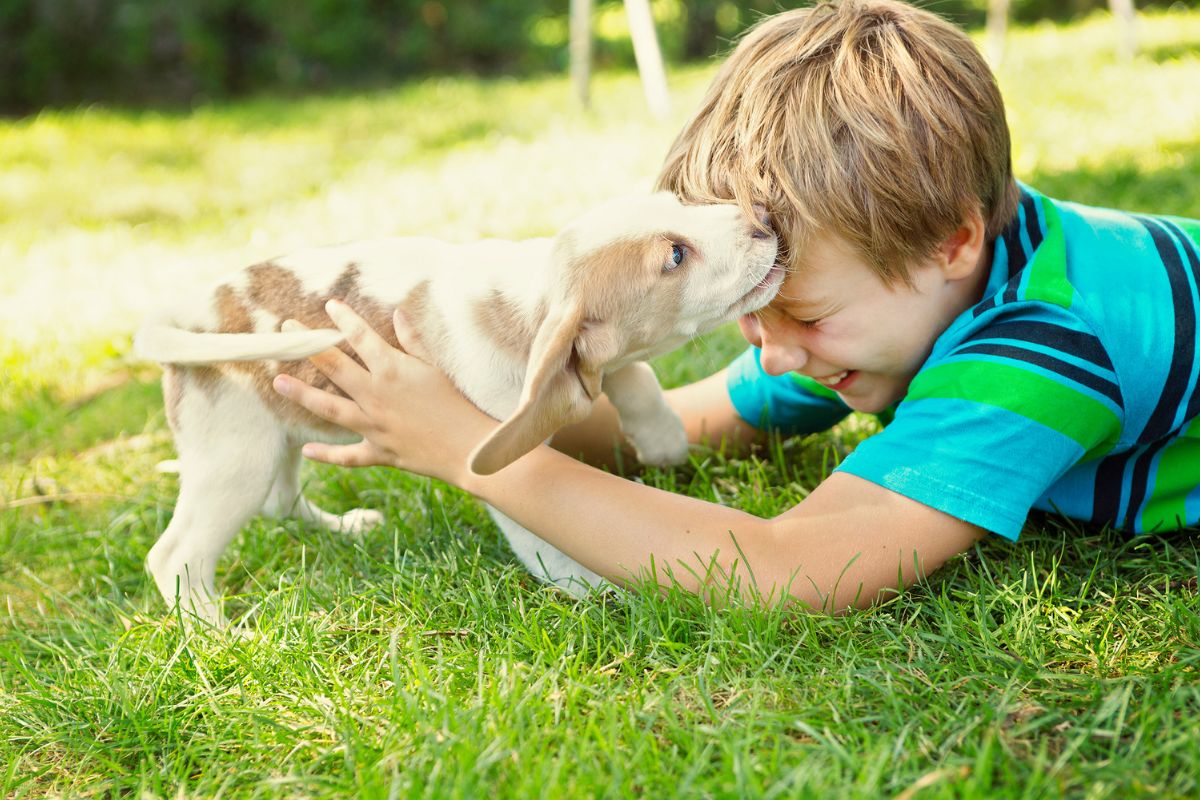
The first few interactions between your toddler and the new pet are crucial in building trust. Always supervise these interactions to ensure that both your toddler and the pet are comfortable and safe.
Tips for a Positive First Meeting
Introduce them gradually: Start with short, calm interactions. Let your toddler approach the pet slowly, perhaps starting with just observing from a distance before getting closer.
Use positive reinforcement: When your toddler behaves gently and kindly with the pet, praise them! Positive reinforcement will encourage them to continue treating the pet with care.
Watch for signs of discomfort: Be mindful of your pet’s body language. If the pet seems scared or overwhelmed, give them some space and allow them to adjust at their own pace.
Step 5: Maintain Consistent Routines
After the pet arrives, it’s important to maintain consistency in both your toddler’s routine and the pet’s care routine. Toddlers thrive on predictability, so try to keep their daily schedule as close to normal as possible.
Incorporate pet care into daily routines: Make taking care of the pet a regular part of your toddler’s day. For example, after breakfast, you can ask your toddler to help fill the pet’s water bowl or give them a treat.
Maintain toddler’s schedule: Stick to your toddler’s usual nap and bedtime routines to avoid overwhelming them with too many changes all at once.
Building a Strong Bond Between Toddlers and Their New Pet
 Building a Strong Bond Between Toddlers and Their New Pet
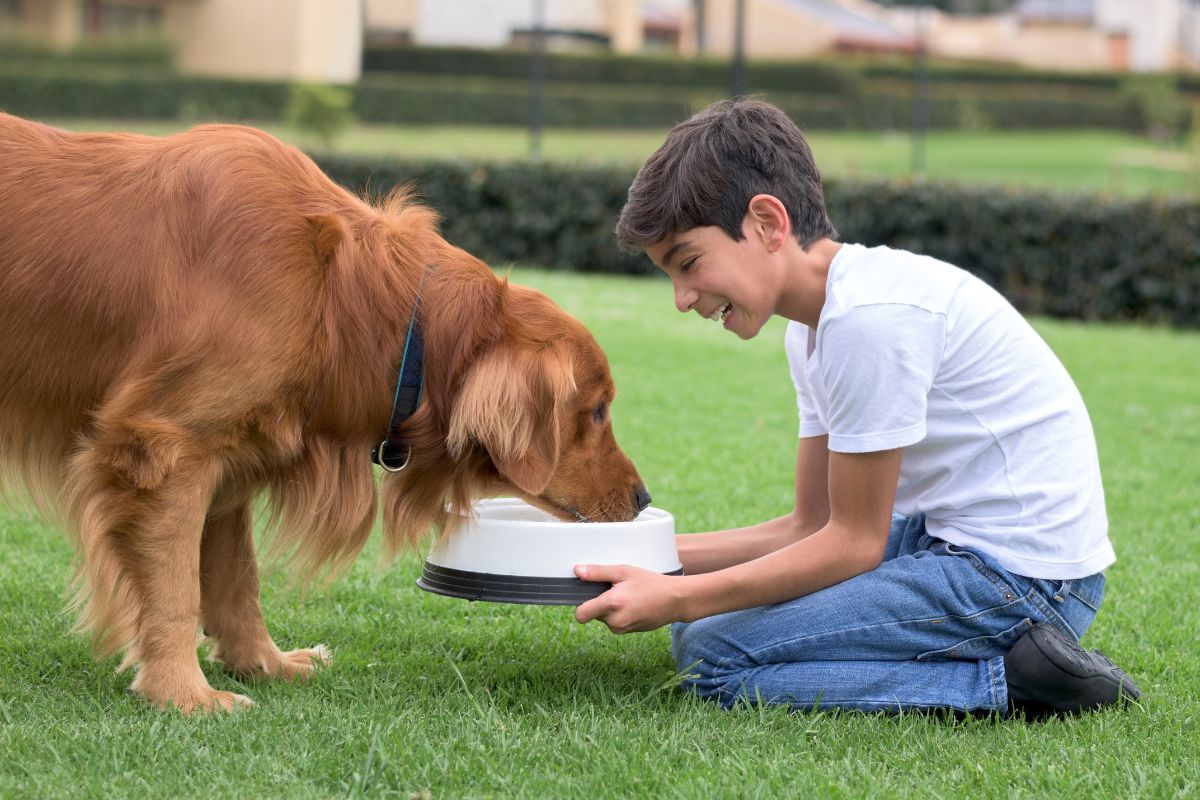
Introducing a new pet to a toddler can be a rewarding experience when approached with care and thoughtfulness.
By preparing your toddler early, involving them in the process, and setting clear boundaries, you can help create a positive relationship between your child and their new furry friend. Remember, patience and supervision are key in fostering a harmonious bond.
By guiding your toddler through this transition, you’ll not only teach them responsibility and empathy but also create lasting memories with their new pet.
Did you find this post useful or inspiring? Save THIS PIN to your PARENTING Board on Pinterest! 😊


You may also like