
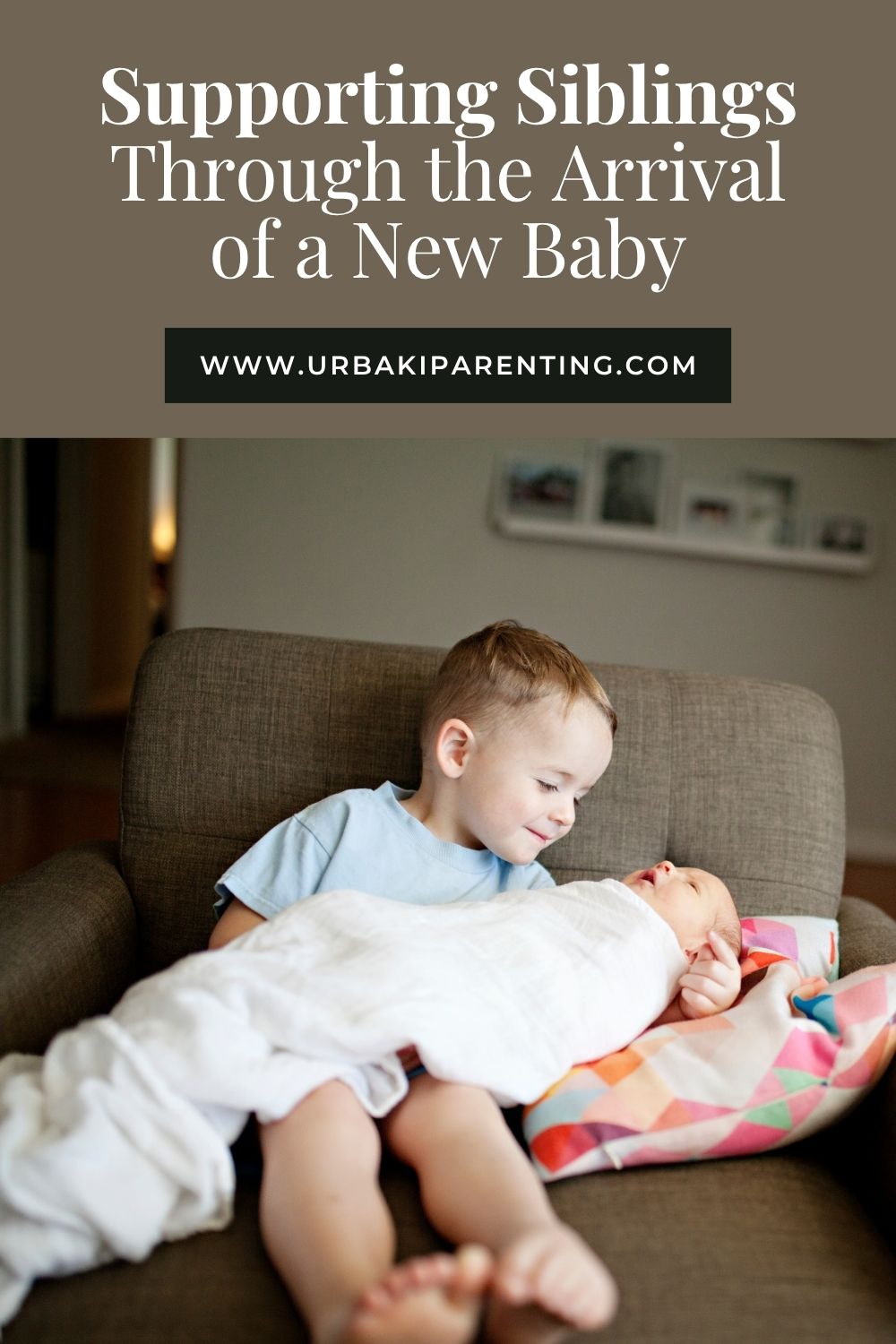
Supporting Siblings Through the Arrival of a New Baby

The arrival of a new baby is a joyous occasion for any family. However, for siblings, especially older children, this transition can sometimes be challenging. They may feel excited but also experience feelings of jealousy, confusion, or even insecurity.
It’s essential to recognize these emotions and offer support during this significant change. By being proactive and attentive to the needs of siblings, parents can foster positive relationships between siblings and ensure that everyone feels loved, valued, and secure.
In this article, we will explore effective ways to support siblings through the arrival of a new baby.
Understanding the Emotional Impact on Siblings
The birth of a new baby brings many changes, and siblings may experience a range of emotions. For older children, the arrival of a new sibling can stir feelings of jealousy, fear, and uncertainty.
They may struggle with the idea that they are no longer the center of attention and might feel displaced by the new arrival.
For younger children, the arrival of a new sibling can be overwhelming, especially if they are still in the process of developing emotional and social skills.
They might not fully understand what is happening but can sense the shift in the family dynamics. It is crucial to address these emotions and offer reassurance and support.
 Preparing Siblings for the New Baby
 Preparing Siblings for the New Baby
One of the best ways to support siblings is by preparing them for the arrival of the new baby in advance. Proper preparation can help alleviate anxiety and build excitement for the new addition to the family.
Talk About the Baby
It’s important to involve older siblings in conversations about the baby well before the birth. Talk to them about what to expect and give them an understanding of how their life might change.
Be open about the fact that the new baby will need a lot of attention but reassure them that their needs will still be met.
Encourage your child to ask questions and express their feelings. Answer their questions honestly, but keep the language appropriate for their age.
For example, explaining that babies cry because they can’t yet talk and need help with things like feeding and changing can help prepare your child for the baby’s needs.
Involve Them in the Process
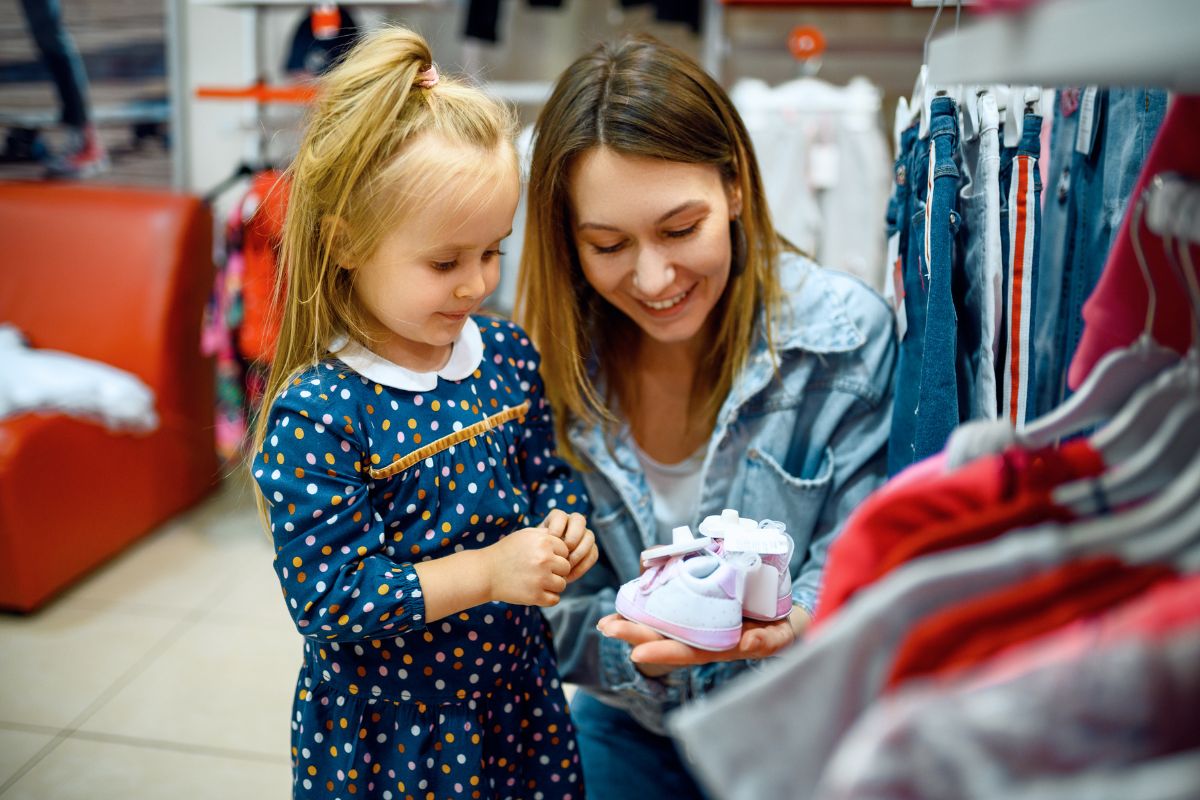
Involving older siblings in the preparation for the baby can make them feel included and important. Take them shopping for baby clothes or help them set up the baby’s crib.
You can also involve them in activities like decorating the nursery or picking out toys for the new baby. This can help them feel empowered and excited about the new role they will play in the family.
Read Books About Becoming a Big Brother or Sister
 Read Books About Becoming a Big Brother or Sister
Reading books about new siblings can be a fun and educational way to help older children understand the changes. Books with simple, relatable stories can help them process their emotions and understand what to expect. Some books are designed specifically to help children adjust to the arrival of a new sibling, making them a valuable resource for parents.
Encouraging Positive Sibling Interactions
Once the baby has arrived, it’s essential to foster positive interactions between siblings. This will help ease any tension and encourage a loving, supportive bond from the start.
Give Attention to the Sibling
While the baby will naturally require a lot of attention, it’s important to continue giving attention to the older siblings. Spending quality time with them—whether it’s reading a book, playing a game, or simply talking—will help them feel secure and loved.
One-on-one time is vital for maintaining their emotional connection with you.
Acknowledge their positive behavior and express appreciation for the help they provide. Praise them when they help with small tasks like fetching a diaper or picking up toys.
This will boost their confidence and reinforce the idea that they are important members of the family.
Teach Them How to Interact with the Baby
 Teach Them How to Interact with the Baby
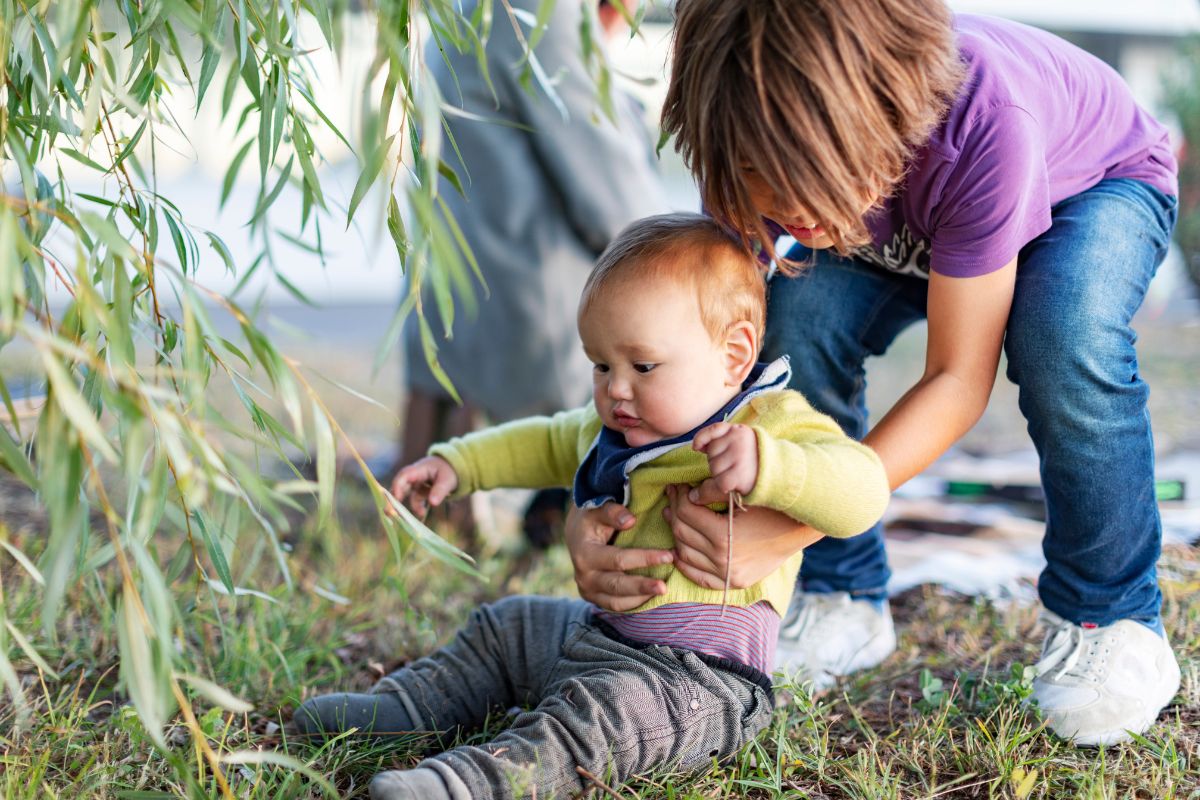
Encourage older siblings to interact with the baby, but ensure that these interactions are supervised. You can teach them how to gently touch the baby, help with feeding, or sing lullabies.
Involving them in simple tasks can help them feel proud and connected to their new sibling.
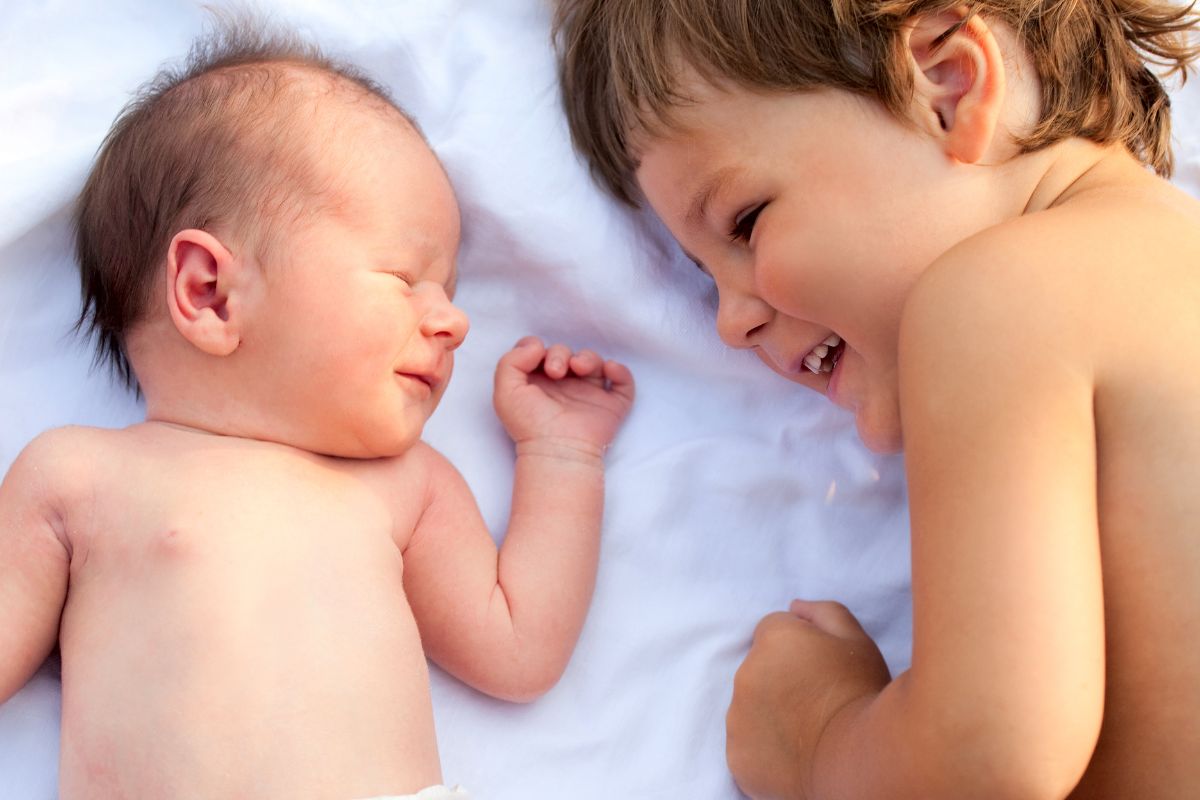
For example, when the baby is resting, you can encourage the older sibling to sit quietly beside them and talk about the baby’s features, such as how small their hands are or how they make little noises when they sleep.
This helps build a connection while respecting the baby’s needs.
Model Compassion and Patience
Modeling compassion and patience is crucial when introducing the concept of a new baby to older siblings. Children often mimic the behavior of adults, so if you demonstrate how to treat the baby with care and love, they are more likely to do the same.
Additionally, patience is key. Understand that it may take time for siblings to adjust to the new dynamic, and some feelings of jealousy or anger may arise. Be empathetic to their needs and avoid dismissing their feelings. Acknowledge their emotions by saying something like, “I know it’s hard to share mommy’s attention with the baby, but I’m proud of how well you’re handling everything.”
Addressing Behavioral Challenges
As siblings adjust to the arrival of the new baby, some behavioral challenges may arise. It’s important to address these challenges calmly and with empathy.
Set Clear Boundaries
 Set Clear Boundaries
While it’s natural for toddlers or older siblings to act out when adjusting to a new family dynamic, it’s essential to establish clear boundaries. Reinforce that certain behaviors, like hitting or yelling, are not acceptable. At the same time, make sure to explain why these behaviors might be happening. For example, you could say, “I see you’re feeling frustrated because the baby needs a lot of attention. Let’s talk about what you can do when you’re feeling upset.”
Provide Positive Reinforcement
If the older sibling is displaying good behavior and interacting positively with the baby, make sure to reinforce that behavior. Praise them when they are kind to the baby or show patience with the changes happening in the household. Positive reinforcement helps children understand what behavior is expected and encourages them to continue being supportive and understanding.
Maintaining a Family Bond
The arrival of a new baby is a transition for the whole family. It’s important to maintain a strong family bond by continuing to prioritize time together. Whether it’s family outings, dinner time, or family game nights, creating opportunities for connection can help foster unity during this time of change.
Create Special Traditions
Start a new family tradition that involves both the older sibling and the new baby. It could be as simple as taking family walks together, having a movie night, or starting a bedtime routine where the older sibling helps with the baby’s bedtime. Having a special routine that everyone participates in can promote feelings of inclusion and togetherness.
Encourage Communication
 Encourage Communication
Keep the lines of communication open with your older child. Ask them about their feelings and encourage them to express what they like or don’t like about having a new sibling. Validate their feelings and let them know it’s normal to have mixed emotions.
Fostering Positive Relationships Between Siblings for a Strong Family Bond
The arrival of a new baby is a monumental event in any family, and supporting siblings through this transition is crucial for creating a positive and harmonious environment.
By preparing siblings for the new baby, encouraging positive interactions, addressing behavioral challenges with patience, and maintaining family bonds, parents can help foster love, support, and understanding between siblings.
With time and thoughtful guidance, siblings can develop a lasting bond that will not only benefit their relationship with each other but also contribute to a strong, united family.
Did you find this post useful or inspiring? Save THIS PIN to your PARENTING Board on Pinterest! 😊

You may also like