
The Hidden Benefits of Messy Play for Early Childhood Development

Messy play often gets a bad reputation for being chaotic and difficult to clean up, but its benefits for young children are numerous and essential for early childhood development.
While it might seem like simply an excuse for children to get dirty, messy play is actually a vital component of their growth and learning.
Through hands-on exploration with materials like mud, paint, water, and food, children engage in activities that stimulate their senses, develop their fine and gross motor skills, and enhance their social-emotional development.
What Is Messy Play?
Messy play involves any activity that encourages children to get their hands, bodies, and sometimes their entire environment dirty. It can include activities like painting, playing with clay, digging in the sand, or water play.
The beauty of messy play is that it doesn’t have to be about perfection—it’s about the process of experimenting, creating, and exploring.
Messy play provides a sensory experience that children can’t get from other forms of learning. When they touch, feel, and manipulate different textures, they strengthen their cognitive and physical abilities.
These activities provide countless opportunities for learning through hands-on experience, which is crucial for young children's development.
 The Cognitive Benefits of Messy Play
 The Cognitive Benefits of Messy Play
1. Boosts Problem-Solving Skills
During messy play, children often encounter challenges that require them to think critically and solve problems. Whether it’s figuring out how to mold dough into a shape or how to use a sponge to clean up a spill, children are constantly testing solutions and adjusting their approaches.
Problem-solving in messy play promotes creativity and builds confidence in young minds. They learn to experiment with different methods and learn from their successes and failures.
This hands-on approach also encourages a mindset of perseverance, where children understand that mistakes are part of the learning process.
2. Enhances Cognitive Development
Messy play activities like sorting, mixing colors, and building structures help children develop cognitive skills such as shape recognition, pattern formation, and understanding cause-and-effect relationships.
For example, when children mix primary colors together, they begin to understand color theory and how combining different elements creates something new.
Furthermore, messy play often involves tasks that require following instructions or patterns, which strengthens a child’s attention span and memory. As children engage in these activities, they begin to process and understand the world around them in a deeper way.
The Physical Benefits of Messy Play
 The Physical Benefits of Messy Play
1. Develops Fine and Gross Motor Skills
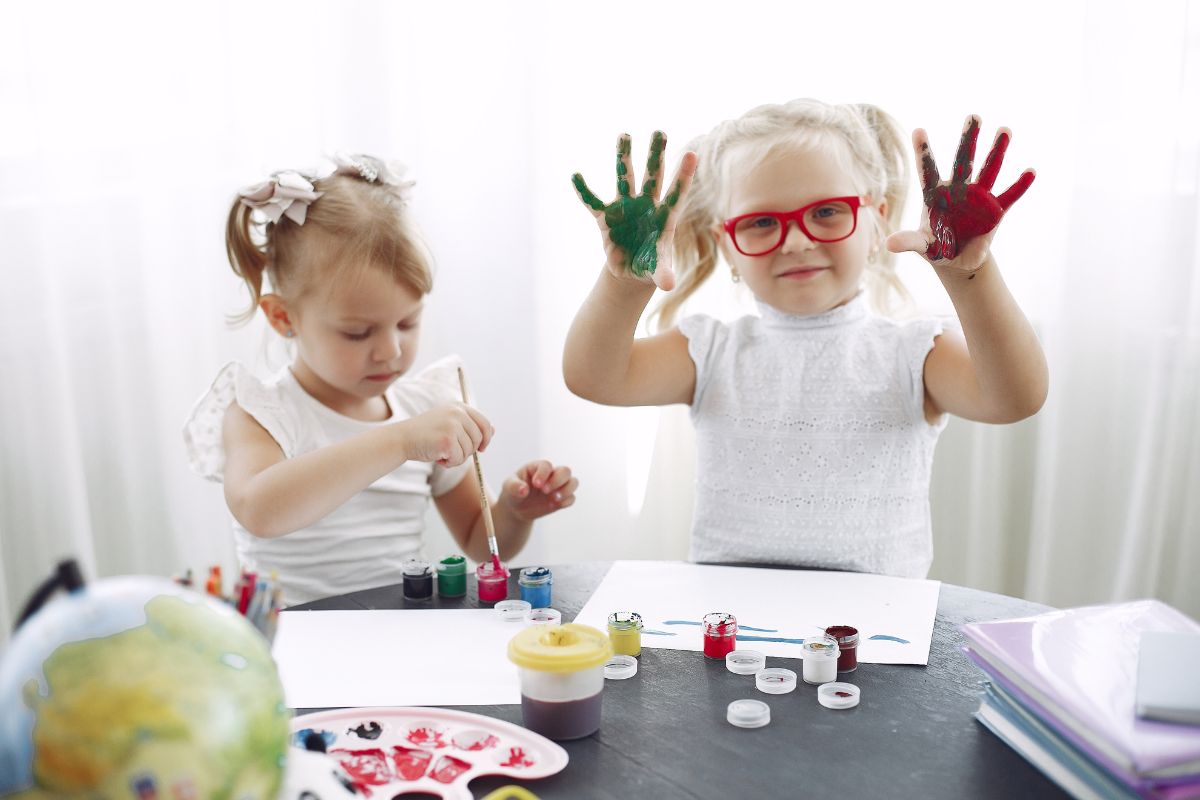
One of the primary benefits of messy play is its impact on the development of motor skills. When children engage in activities like pouring water from one container to another or using brushes to paint, they are working on their fine motor skills.
These skills are essential for tasks like writing, buttoning a shirt, and feeding themselves.
On the other hand, activities like jumping in puddles, digging in sand, or running through a splash zone enhance gross motor skills. These movements help children develop strength, balance, and coordination, which are important for physical development and overall body awareness.
2. Promotes Sensory Exploration
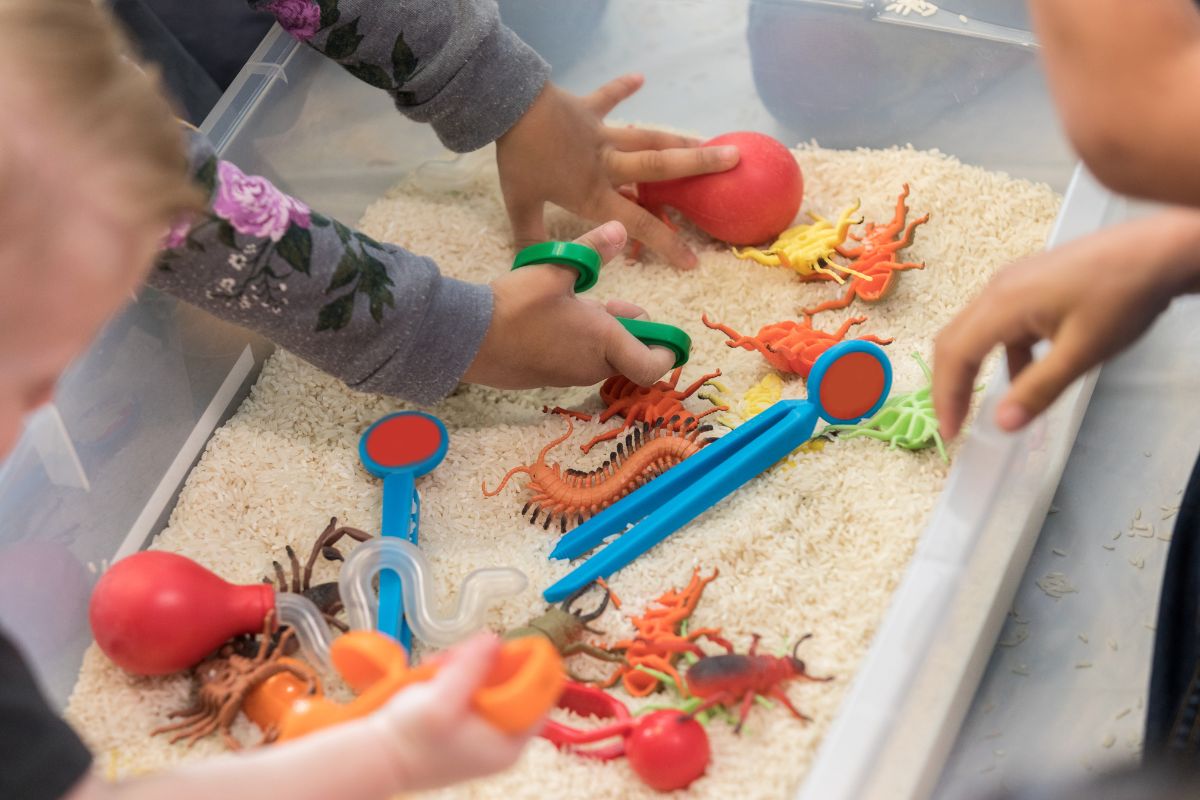
Messy play is also an excellent way to encourage sensory exploration. Sensory activities stimulate all five senses—touch, sight, smell, hearing, and taste—and help children better understand the world around them.
When playing with textured materials like rice, sand, or slime, children learn about different sensations, which aids in their brain development.
For instance, water play helps children learn about texture and temperature. Touching different materials during messy play promotes sensory processing skills, which are critical for emotional regulation and social interactions.
The Emotional and Social Benefits of Messy Play
 The Emotional and Social Benefits of Messy Play
1. Encourages Emotional Expression
Messy play provides children with a safe environment to express their emotions freely. When children are allowed to get messy, they feel less restricted and more comfortable exploring their feelings.
Whether it’s through creating abstract art with paint or using sand to construct structures, children can communicate emotions that might be difficult to express with words.
Additionally, messy play activities can help children develop emotional resilience. For example, when a child’s sandcastle falls apart, they have the chance to feel disappointed, but they also learn to cope with the frustration and find ways to rebuild or fix the problem.
This helps children become more emotionally adaptable and better at handling setbacks in the future.
2. Promotes Social Interaction and Cooperation
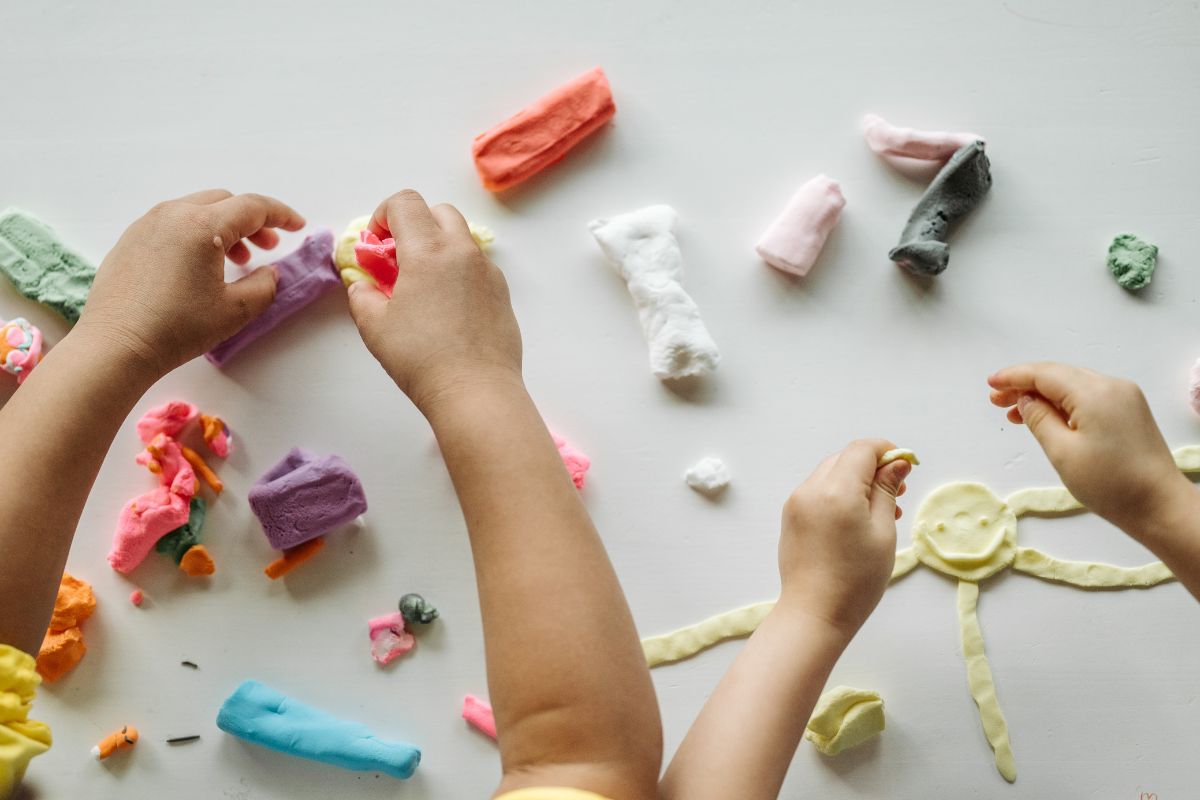
When messy play is done in groups, it provides excellent opportunities for social interaction. Whether they’re working together to create a painting or sharing materials like colored clay, children learn important social skills such as sharing, negotiating, and collaborating.
These interactions promote cooperation and help children learn how to navigate group dynamics in a positive way.
Messy play also encourages peer bonding. Children who engage in group messy activities often form friendships and develop empathy by helping each other. They start to understand each other's needs and feelings, which contributes to their overall social and emotional development.
How to Incorporate Messy Play into Daily Life
 How to Incorporate Messy Play into Daily Life
Incorporating messy play into your child's daily routine doesn’t require a lot of extra time or preparation. Here are a few easy ways to make it a part of their day:
1. Create a Designated Messy Space
If you’re worried about the mess, consider setting up a designated area in your home where messy play can take place. A small table, a corner with a plastic sheet, or even an outdoor space can be the perfect place for activities like painting or water play.
This allows your child to explore freely without worrying about cleaning up every little spill.
2. Use Household Items
You don’t need to buy expensive materials to get started with messy play. Simple household items like rice, flour, water, or fabric can be used to create sensory experiences for children.
You can even use kitchen items like food coloring, plastic containers, and sponges to create new and fun activities.
3. Join in the Fun
 3. Join in the Fun
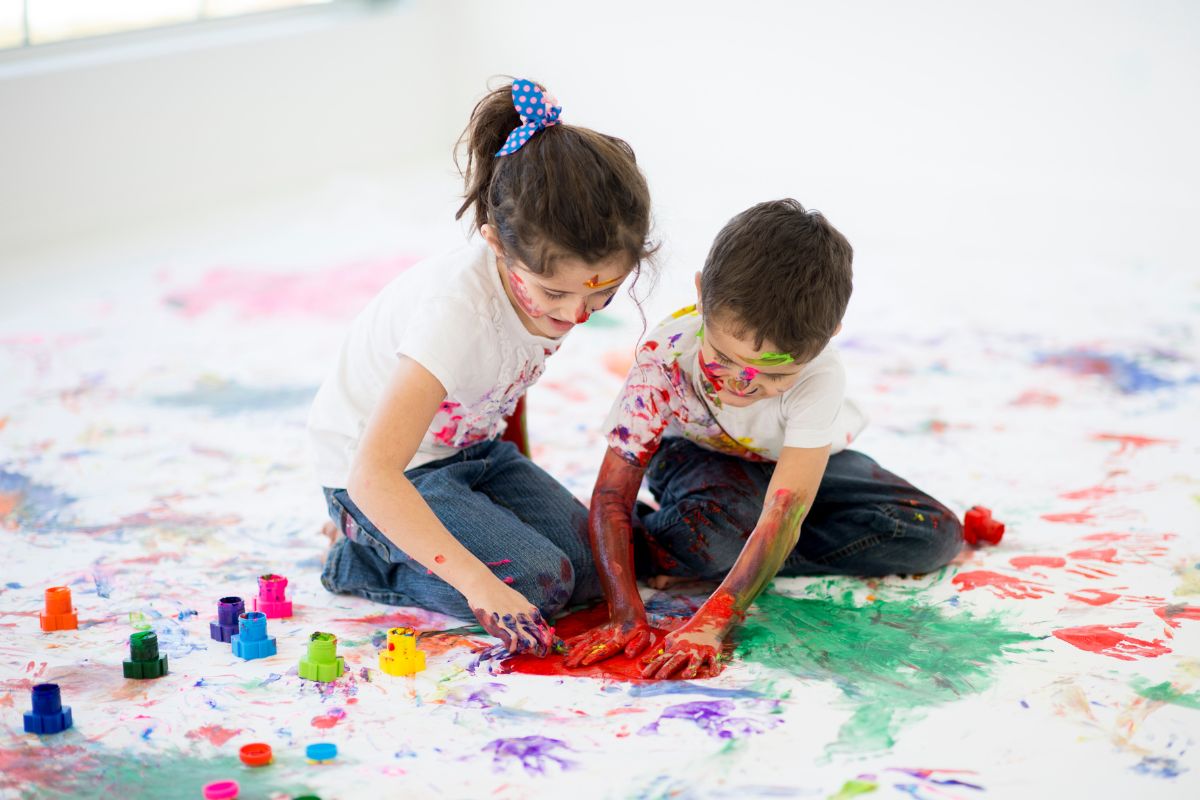
Finally, don’t be afraid to get messy yourself! When parents or caregivers participate in messy play, children feel more encouraged to explore. Plus, it’s a wonderful way to bond and create lasting memories. Embrace the mess and focus on the fun and learning happening in the moment.
Embracing the Mess for Growth and Development
While messy play may seem like just a fun activity for children, it offers significant benefits for their physical, cognitive, emotional, and social development.
By engaging in messy play, children not only enhance their motor skills and problem-solving abilities, but also develop emotional resilience and social connections.
As a caregiver, embracing messy play is one of the best ways you can foster creativity, exploration, and learning in a child’s formative years.
Instead of focusing on the mess, focus on the growth and development that messy play brings. It’s more than just fun—it’s a critical part of a child’s overall development that supports their emotional well-being and prepares them for future success.
Did you find this post useful or inspiring? Save THIS PIN to your PARENTING Board on Pinterest! 😊


You may also like