
The Importance of Setting Up a Strong Routine for Your Toddler

Toddlers thrive in environments that offer structure, predictability, and consistency. A well-planned routine gives them a clear sense of what to expect, which promotes emotional security and reduces feelings of anxiety.
While spontaneity has its place in childhood, routines create the foundation that helps toddlers feel safe and confident in their daily lives.
When young children know what comes next, they begin to understand time, develop self-discipline, and learn to manage their own behavior.
Building a strong routine can help ease the everyday challenges that come with parenting toddlers, from tantrums to bedtime resistance.
How Routines Benefit Toddlers
Encourages Independence and Confidence
Having a routine empowers toddlers to take part in daily activities, like brushing teeth, dressing, or cleaning up toys. With repetition, they become familiar with the sequence of tasks, allowing them to perform them more independently.
This builds confidence and fosters a sense of accomplishment.
Promotes Better Sleep Habits
Consistent bedtime routines are essential for healthy sleep patterns. Toddlers who follow a predictable nighttime ritual tend to fall asleep faster, experience fewer night wakings, and wake up feeling refreshed.
This benefits not only the child but also the entire family.
 Supports Emotional Regulation
Young children experience big emotions, and a routine can serve as an anchor during emotional storms. Knowing that lunch comes after playtime or that storytime follows bath time helps toddlers manage transitions and reduces frustration.
Structure provides comfort in a world that can often feel overwhelming for them.
Improves Behavior and Reduces Power Struggles
When toddlers know what's expected of them, they're more likely to cooperate. Routines minimize the need for constant direction or correction because the child becomes used to the flow of the day.
As a result, tan
trums and resistance are often less frequent, especially around tasks like bedtime or mealtime.
Key Elements of a Successful Toddler Routine
Consistency Is Key
While flexibility is sometimes necessary, toddlers benefit most when schedules remain consistent from day to day. Try to maintain the same wake-up time, mealtimes, naps, and bedtimes whenever possible.
Over time, their bodies adjust naturally, which leads to smoother transitions throughout the day.
Balance Between Activity and Rest
An ideal routine includes a mix of active play, quiet time, structured learning, and rest. Toddlers have short attention spans and limited stamina, so ensuring a balanced rhythm helps them stay engaged without becoming overstimulated or overtired.
Include Your Toddler in the Process
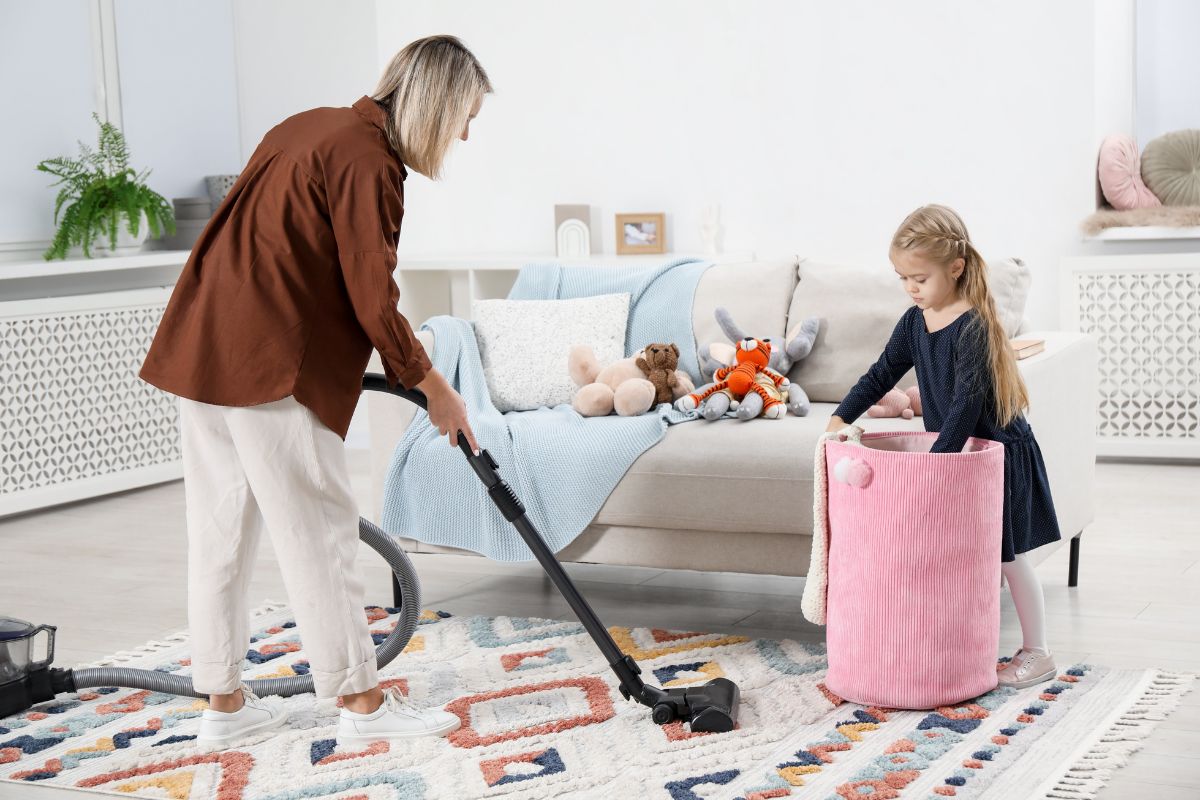
Whenever possible, let your toddler participate in the routine. Allowing them to choose between two outfits or help clean up their toys makes them feel included and in control.
This simple act of involvement fosters decision-making skills and encourages cooperation.
Daily Routine Example for a Toddler
While every family has different needs, here’s a general outline that can help guide your toddler’s day:
7:00 AM – Wake Up and Morning Routine (tooth brushing, dressing, breakfast)
8:00 AM – Independent Play or Outdoor Activity
10:00 AM – Snack and Story Time
11:00 AM – Creative Play or Learning Time
12:00 PM – Lunch
1:00 PM – Nap Time or Quiet Rest Time
3:00 PM – Snack and Free Play
5:00 PM – Family Activity or Walk
6:00 PM – Dinner
7:00 PM – Bath, Pajamas, and Bedtime Stories
7:30 PM – Bedtime
This type of routine can be customized to fit your toddler’s natural rhythms and family dynamics. The goal is to create a flow that feels predictable and comforting.
 Tips for Maintaining a Strong Routine
 Tips for Maintaining a Strong Routine
Start Small and Build Gradually
If you’re introducing a routine for the first time, begin with one or two key transitions, such as bedtime or mealtimes. Once those become habits, you can slowly introduce more structure.
Stay Flexible When Necessary
Life happens, and routines will occasionally be disrupted by illness, travel, or special occasions. What matters most is that you return to the familiar rhythm as soon as possible.
A strong foundation allows toddlers to bounce back with ease.
Use Visual Aids or Cues
Toddlers are visual learners. A simple chart with pictures representing daily tasks can help them anticipate what comes next.
Using songs, timers, or even transition phrases like “after we brush teeth, we read a book” can also support a smooth flow between activities.
How a Routine Supports Parents Too
 How a Routine Supports Parents Too
A solid routine not only benefits toddlers—it also eases the load on caregivers. When the day has a clear structure, parents spend less time negotiating or chasing after tasks and more time enjoying quality moments with their child.
It also creates natural time blocks where parents can plan their own breaks, household chores, or work. This leads to a more peaceful home environment, where everyone knows their role and what to expect.
Nurturing Growth Through Routine
 Nurturing Growth Through Routine
Establishing a strong routine is one of the most powerful tools you can use to support your toddler’s development. It nurtures emotional security, encourages healthy habits, and builds the skills your child needs for future independence.
As toddlers grow, their routines will naturally shift, but the foundation of structure and predictability will continue to serve them well.
By embracing a strong routine early on, you're giving your child the gift of confidence, calm, and a sense of control in their little world.
Let the rhythm of your routine become the heartbeat of your family’s day—steady, supportive, and full of love.
Did you find this post useful or inspiring? Save THIS PIN to your PARENTING Board on Pinterest! 😊


You may also like