
The Role of Storytelling in Building Toddler Vocabulary

Storytelling is an essential part of human culture. From ancient times to the present day, stories have been used to communicate ideas, traditions, and emotions. For toddlers, storytelling is not just a fun activity—it's a vital tool in developing language skills and building vocabulary.
When parents, caregivers, or educators use storytelling, they offer a structured and engaging way for toddlers to learn new words and concepts. In this article, we will explore how storytelling can significantly enhance a toddler's vocabulary and language development.
How Storytelling Supports Vocabulary Development
Storytelling provides an interactive and immersive environment where toddlers can hear new words in context, which is crucial for their language development.
Listening to stories exposes children to a variety of words and sentence structures, helping them understand language in different contexts. As they listen, they begin to associate words with meanings, actions, and objects, which ultimately enriches their vocabulary.
Contextual Learning: When toddlers hear words used in different situations, they are more likely to remember and understand them. For instance, when a character in a story says, "I am hungry," a toddler can connect the word "hungry" to their own experiences and feelings.
This context-based learning helps children grasp the meaning of words more effectively than if they were simply told what the word means.
Repetition and Reinforcement: Storytelling allows for the repetition of key vocabulary words, which strengthens a child's understanding.
For example, if a story includes several mentions of the word "apple," the child will hear the word multiple times in different contexts, reinforcing its meaning.
Repetition is a powerful tool for language acquisition, and storytelling provides an enjoyable way to hear words repeatedly without it feeling like a lesson.
 Interactive Storytelling: Encouraging Engagement
 Interactive Storytelling: Encouraging Engagement
One of the most effective ways to boost vocabulary through storytelling is by encouraging interaction. Interactive storytelling involves asking toddlers questions, allowing them to participate in the story, and prompting them to use the new words they have heard.
This helps toddlers practice using new vocabulary in real-life situations, which can solidify their understanding of words.
Asking Questions: Asking simple questions during the story can help toddlers process the information and engage with the vocabulary.
For instance, while reading a story about animals, a caregiver might ask, "What sound does the cow make?" or "Can you point to the dog?" These questions invite toddlers to actively use language and connect words to their world.
Encouraging Predictive Thinking: When telling stories, caregivers can pause and ask toddlers to predict what will happen next. This stimulates their thinking and prompts them to use their vocabulary to make predictions.
For example, "What do you think will happen when the big wolf shows up?" This type of interaction promotes both vocabulary growth and critical thinking.
Types of Stories That Enhance Vocabulary
 Types of Stories That Enhance Vocabulary
Not all stories are created equal when it comes to building vocabulary. To maximize the benefits, it’s important to choose stories that are rich in descriptive language and contain a variety of words. Here are a few types of stories that can enhance a toddler's vocabulary:
Picture Books with Detailed Illustrations
Picture books are excellent tools for building vocabulary because they combine visual cues with text. The illustrations in these books help toddlers make connections between the words they hear and the images they see, reinforcing understanding.
Books with detailed illustrations often use descriptive language that can introduce new words related to colors, shapes, emotions, and actions.
Rhyming and Repetitive Stories
Rhyming books are another great way to help toddlers develop vocabulary. The repetitive nature of rhymes makes it easier for young children to remember new words.
Furthermore, rhyming stories often contain playful language that captures the attention of toddlers, encouraging them to listen and engage with the text.
Stories with Animals and Everyday Situations
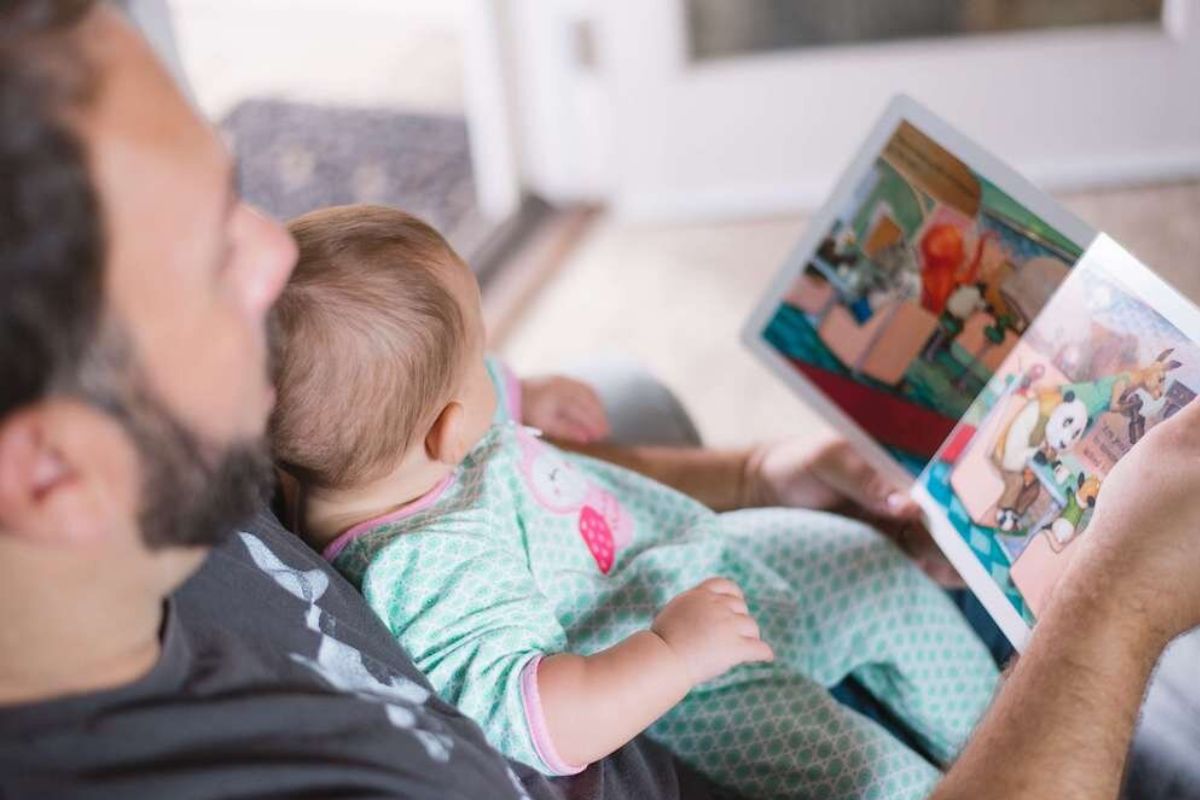 Stories with Animals and Everyday Situations
Stories that feature animals or everyday situations, such as going to the park or visiting the zoo, offer opportunities to introduce a wide range of vocabulary.
These types of stories often include words related to emotions, actions, and descriptions of people and places, helping toddlers expand their vocabulary in a meaningful and relatable way.
The Power of Expression in Storytelling
When telling stories to toddlers, the way you express yourself can also impact their vocabulary development. Using expressive gestures, changing your voice for different characters, and showing enthusiasm can captivate a toddler’s attention and make the experience more memorable.
Vocal Variety: Varying your tone and pitch when telling a story helps toddlers differentiate between characters, emotions, and actions.
For example, a deep voice for a bear or a high-pitched voice for a mouse helps toddlers associate those voices with certain animals and feelings, enriching their vocabulary.
Facial Expressions and Gestures: Alongside vocal variation, using facial expressions and gestures adds an extra layer of meaning to the words. When telling a story about a happy dog, smiling and showing excitement can help toddlers connect the emotion of happiness with the word "happy."
Encouraging Independent Storytelling
 Encouraging Independent Storytelling
As toddlers grow, they begin to experiment with telling their own stories. This stage of development is crucial for language growth, as it allows them to practice using their vocabulary in a creative and personal way.
Encouraging independent storytelling helps toddlers organize their thoughts and use new words to express themselves.
Storytelling Through Play: Toddlers love to imitate the adults around them, so setting up opportunities for them to engage in imaginative play can also foster language development.
For example, providing them with toys or props that reflect elements of the stories they hear can help them use their vocabulary in new contexts. Pretend play encourages them to experiment with words and phrases, enhancing both their language skills and creativity.
Storytelling as a Gateway to a Richer Vocabulary
In conclusion, storytelling plays a vital role in building a toddler's vocabulary. Through the combination of repetition, context-based learning, and interactive elements, storytelling offers a dynamic way to introduce new words and ideas.
By choosing stories with rich vocabulary, engaging children in the storytelling process, and encouraging independent storytelling, parents and caregivers can support toddlers in developing a broad and rich vocabulary.
Storytelling is not just a pastime; it is a tool for unlocking the power of language in young children, laying the foundation for effective communication in their future.
Did you find this post useful or inspiring? Save THIS PIN to your PARENTING Board on Pinterest! 😊

You may also like