
Using Art Therapy Techniques with Toddlers to Express Feelings

As toddlers navigate the complexities of their emotions, it can be challenging for them to express their feelings verbally. This is where art therapy techniques come into play.
Through creative expression, young children can begin to understand and communicate their emotions, leading to better emotional regulation and self-awareness.
This article explores how art therapy can be used with toddlers to foster emotional expression, provide a safe outlet for feelings, and support overall emotional development.
The Power of Art in Emotional Expression
Art is a universal language that allows children to express feelings that might be difficult to articulate with words. For toddlers, who are still learning to navigate and articulate their emotions, art provides an accessible medium to explore and communicate what they are experiencing.
Whether through drawing, painting, or other hands-on activities, art helps toddlers externalize their emotions, making it easier for parents and caregivers to understand their inner world.
 Why Art is Beneficial for Toddlers:
 Why Art is Beneficial for Toddlers:
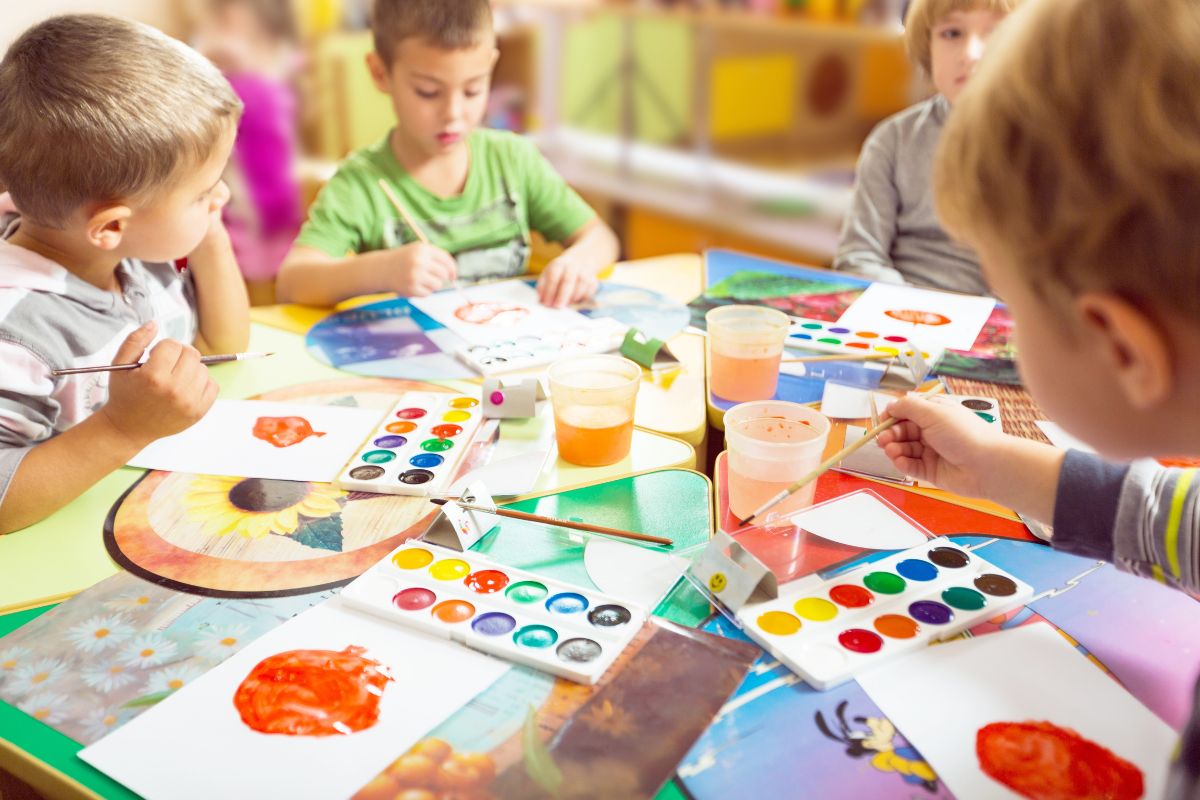
Non-verbal expression: Toddlers may struggle with language, making art an ideal tool for expressing complex emotions like frustration, fear, or joy.
Safe emotional outlet: Art provides a safe space for children to channel their emotions in a healthy way.
Boosts emotional intelligence: Creating art allows toddlers to connect with their emotions, promoting emotional growth.
1. Drawing to Communicate Emotions
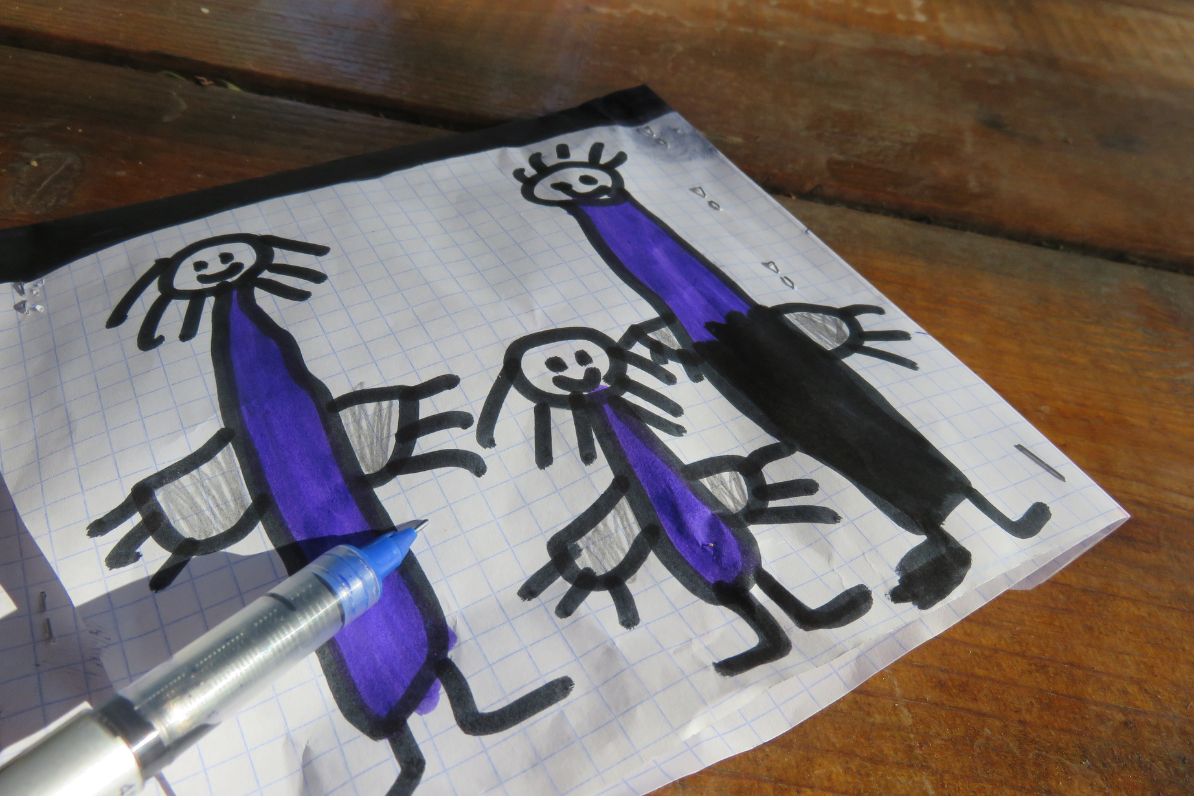
Drawing is one of the simplest and most effective art therapy techniques for toddlers. With crayons, markers, or even finger paints, toddlers can create images that reflect their emotions.
For example, a drawing of a happy sun could indicate feelings of contentment, while a dark storm cloud might represent sadness or anger. This kind of visual expression can help toddlers recognize their feelings and communicate them to adults, even when they lack the vocabulary to do so.
How Drawing Helps Toddlers Express Emotions:
Visual expression: Toddlers can use shapes and colors to convey what they are feeling.
Easy to engage: Drawing is simple and accessible for toddlers, making it a go-to tool for emotional expression.
Identifying emotions: By creating different images, toddlers begin to associate specific colors or shapes with certain emotions.
2. Using Colors to Explore Feelings
 2. Using Colors to Explore Feelings
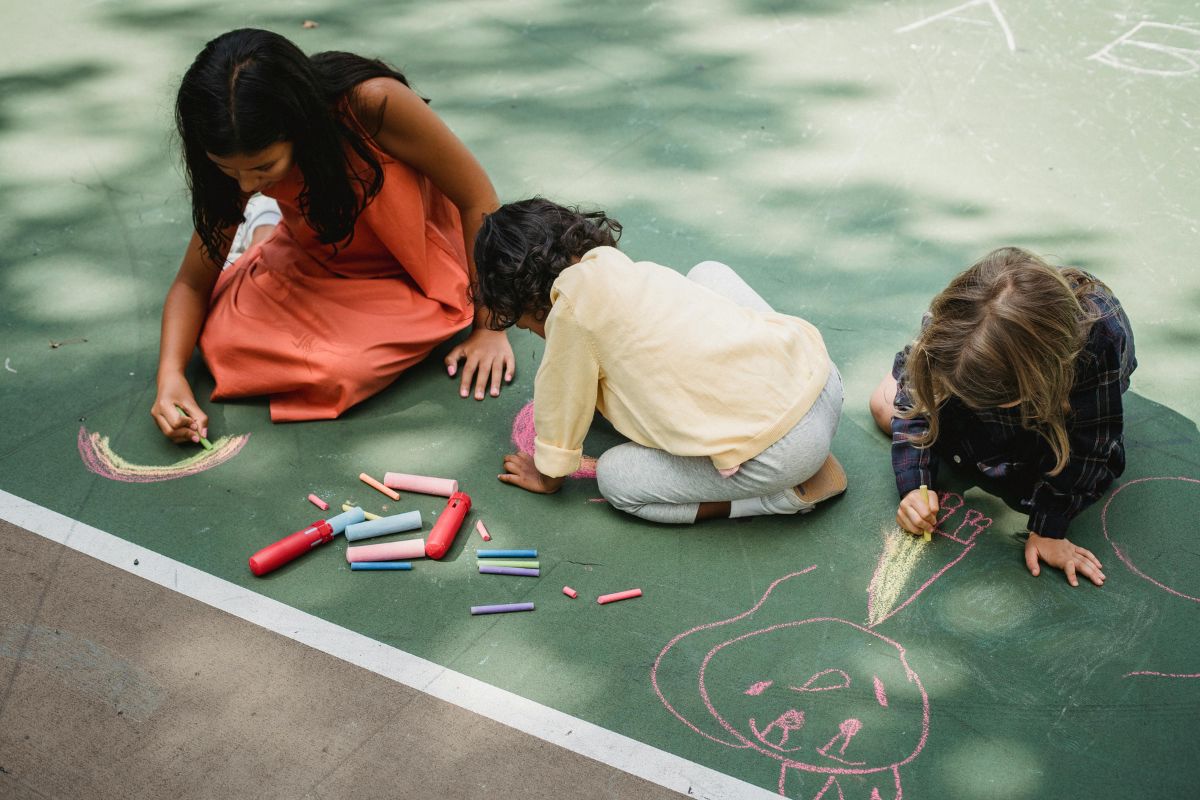
The use of color in art therapy is another powerful way to connect toddlers with their emotions. Colors have psychological associations, and toddlers often intuitively gravitate towards specific colors that match their feelings.
For example, they may choose blue when feeling calm or red when experiencing excitement or anger. Allowing toddlers to choose colors freely can encourage them to explore their emotions in a deeper, non-verbal way.
How Colors Reflect Emotions:
Color associations: Many toddlers naturally associate colors with specific emotions (e.g., blue for sadness, yellow for happiness).
Exploring feelings through color: By using colors in their artwork, toddlers can explore a wider range of emotions, even those they may not yet understand.
Emotional regulation: Understanding color-emotion links can help toddlers regulate their feelings when they feel overwhelmed.
3. Playdough and Sculpture for Emotional Exploration
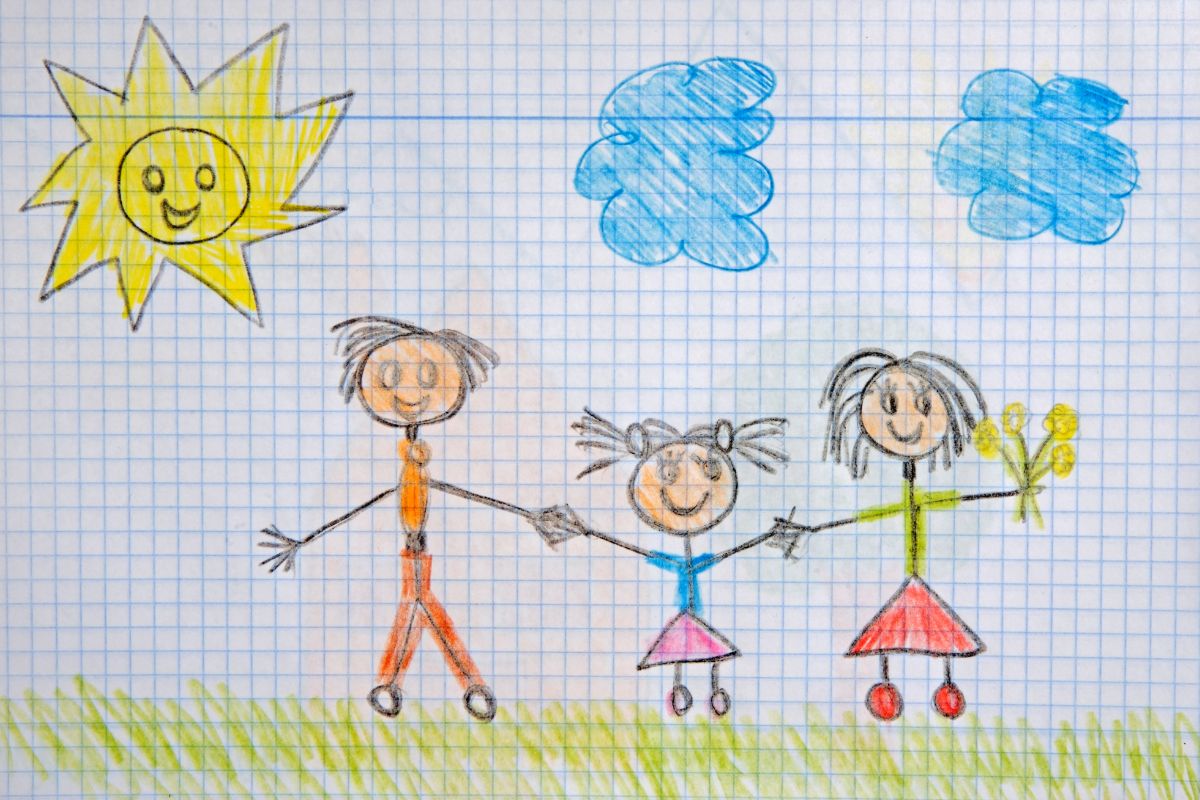
In addition to drawing and painting, playdough and sculpture are excellent art therapy tools for toddlers. These tactile, hands-on activities help children express their emotions through the act of creation.
Shaping, squishing, and molding materials like playdough can act as a release valve for emotions, helping to reduce feelings of tension or frustration. The act of sculpting also promotes fine motor skills, making it a great developmental activity as well as an emotional one.
Benefits of Playdough and Sculpture:
 Benefits of Playdough and Sculpture:
Sensory experience: The tactile nature of playdough or clay helps toddlers release pent-up energy and express themselves physically.
Creative problem-solving: Sculpting encourages toddlers to think critically and creatively, helping them understand how to shape and release their feelings.
Calming effect: Engaging in hands-on creative activities can soothe toddlers and reduce anxiety.
4. Art as a Therapeutic Routine
Incorporating art into a toddler’s daily routine can have long-lasting benefits. Creating art regularly provides toddlers with a consistent way to process their feelings and helps develop their emotional vocabulary.
Over time, art therapy can become a tool for self-soothing, helping toddlers cope with difficult emotions like frustration, anger, or anxiety in a constructive manner.
Creating a Routine with Art Therapy:
Daily expression: Setting aside time each day for art activities can give toddlers a consistent emotional outlet.
Encourages reflection: Creating art at regular intervals allows toddlers to reflect on their emotions, leading to better emotional awareness.
Promotes a sense of control: Routine art activities help toddlers feel empowered to express themselves and manage their feelings.
5. Art Therapy with Storytelling
 5. Art Therapy with Storytelling
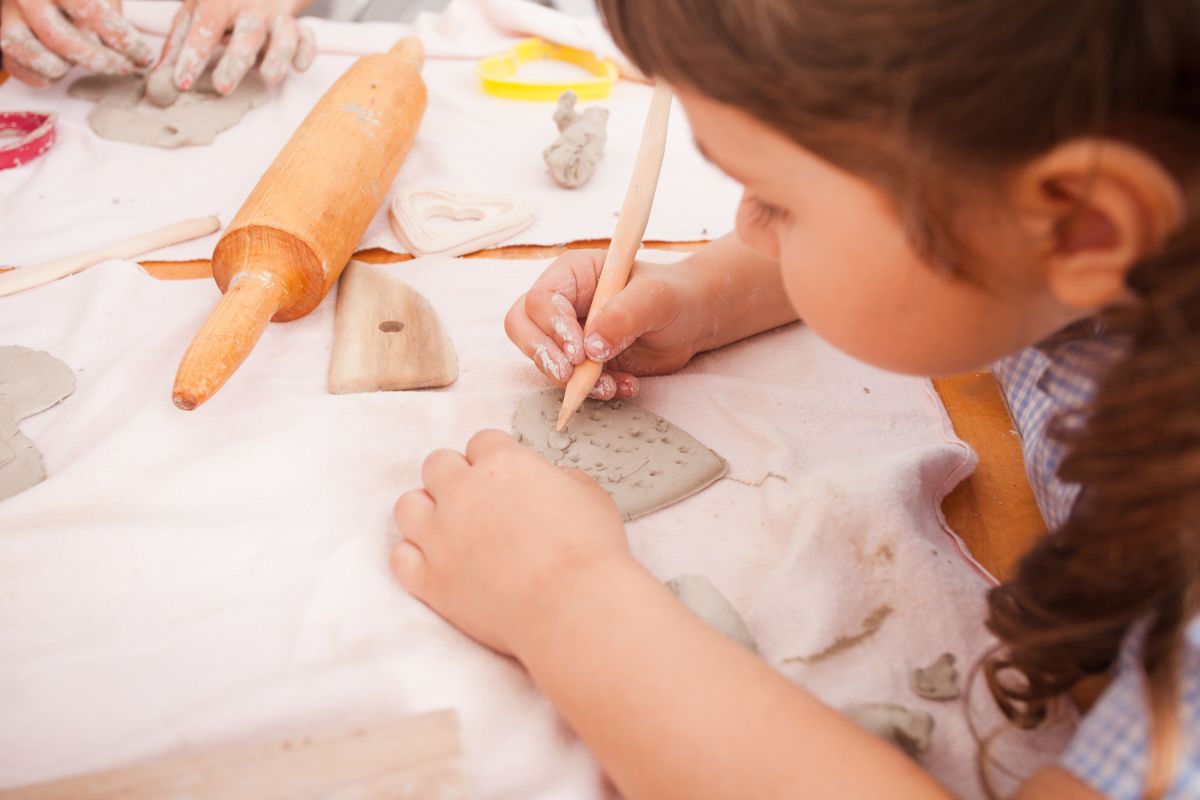
Art therapy can be even more effective when paired with storytelling. Toddlers can create scenes or characters through art, and parents can then help them build a narrative around their artwork.
This technique helps toddlers process emotions by placing them in the context of a story, making difficult emotions more approachable.
For instance, a toddler may draw a picture of a character feeling sad or scared, and together, they can talk about how to help the character feel better. This interactive approach encourages emotional growth and offers a way to discuss feelings without overwhelming the child.
Combining Art and Storytelling:
Interactive approach: Talking about the emotions in a story can help toddlers feel heard and understood.
Creative problem-solving: Storytelling can help toddlers see solutions to difficult emotions by placing them in a story.
Emotional validation: Listening to the toddler’s story helps them feel validated, enhancing their emotional self-awareness.
Empowering Toddlers to Express Themselves Through Art
 Empowering Toddlers to Express Themselves Through Art
Using art therapy techniques with toddlers is a fun, effective, and non-verbal way to help children express their emotions. Whether through drawing, color exploration, or tactile activities like playdough, art provides a safe outlet for toddlers to explore and understand their feelings.
These activities not only help toddlers regulate their emotions but also foster creativity, emotional intelligence, and self-expression.
By integrating art into your toddler’s routine, you can empower them to communicate more effectively, build emotional resilience, and develop healthy coping strategies for years to come.
Did you find this post useful or inspiring? Save THIS PIN to your PARENTING Board on Pinterest! 😊

You may also like