
Using Music Therapy to Enhance Early Childhood Learning

Music is more than just an enjoyable pastime; it is a powerful tool that can significantly enhance early childhood learning. Research has shown that incorporating music into a child’s developmental routine can boost cognitive abilities, emotional expression, and social skills.
In this article, we will explore the benefits of using music therapy in early childhood education and how it can help children develop a wide range of skills while fostering a love for learning.
The Power of Music in Early Childhood
From a very young age, children are naturally drawn to music. The rhythms, melodies, and sounds help stimulate the brain in ways that few other activities can.
Music therapy, which involves the use of music in a therapeutic context, has been shown to support emotional and cognitive development, and it plays an important role in shaping a child’s early experiences with learning.
 How Music Influences Brain Development
 How Music Influences Brain Development
Music activates multiple areas of the brain, including those responsible for language, memory, and motor skills. When young children listen to music, their brains are engaging in a complex process of processing sounds and patterns, which helps to develop cognitive skills.
For example, rhythmic patterns in music can improve a child’s ability to recognize patterns and sequencing, essential skills for early literacy and mathematics.
Studies have shown that children who engage with music therapy or music-based activities at an early age often show enhanced abilities in areas such as memory retention, problem-solving, and focus.
The repetitive nature of music also aids in memory formation, helping children retain information better.
Emotional and Social Benefits of Music Therapy
Music therapy offers significant emotional benefits for young children. The act of listening to or creating music can help children express emotions they may not yet have the words for. It also provides an outlet for creativity and self-expression, helping children process their emotions in a safe and structured environment.
Additionally, group music activities, such as singing or playing instruments together, can enhance social skills. These activities require children to work together, follow instructions, and be sensitive to the needs of others—skills that are fundamental to their overall social development.
Practical Ways to Use Music Therapy in Early Learning
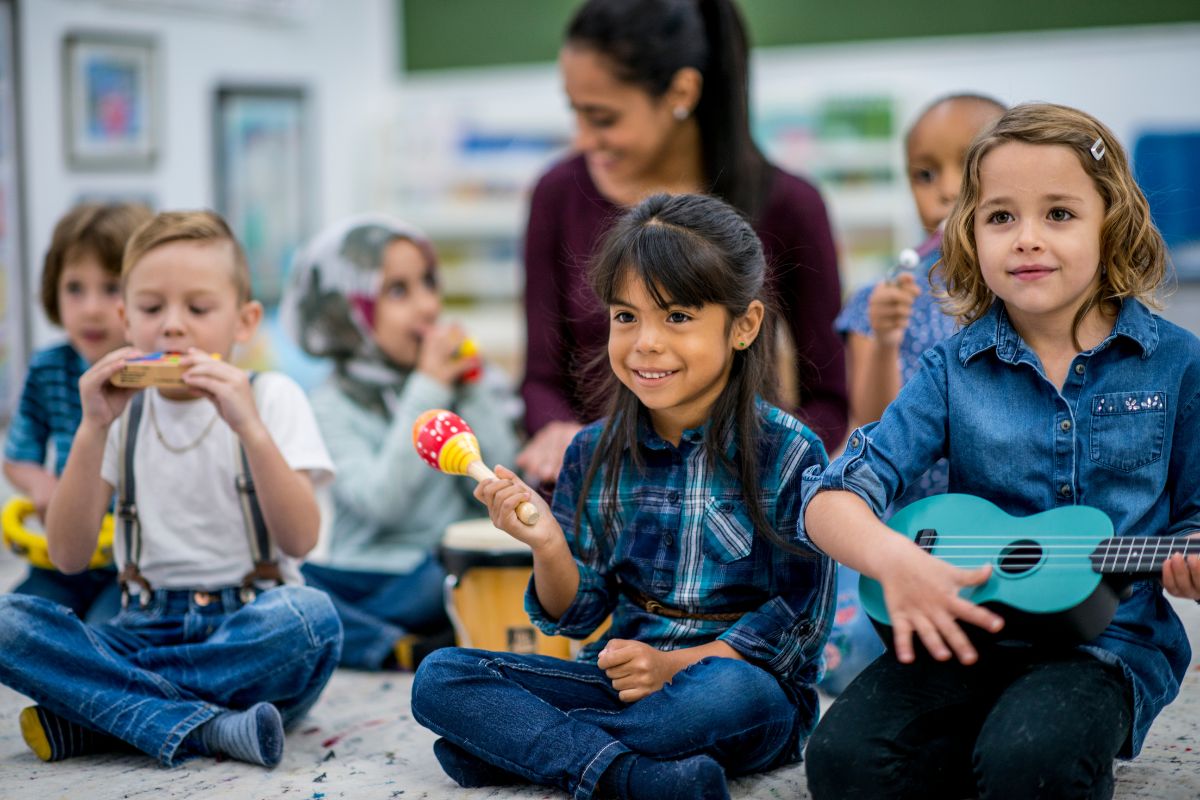 Practical Ways to Use Music Therapy in Early Learning
There are many ways music therapy can be integrated into early childhood learning environments. From formal therapy sessions to informal music-related activities, the potential for growth is vast.
1. Incorporate Music into Daily Routines
One simple way to use music to enhance early learning is by incorporating it into daily routines. Songs can be used to mark transitions, such as waking up, eating meals, or getting ready for nap time.
These routines help children become familiar with the sequence of events throughout the day, while also providing a fun and interactive way to reinforce learning.
Examples:
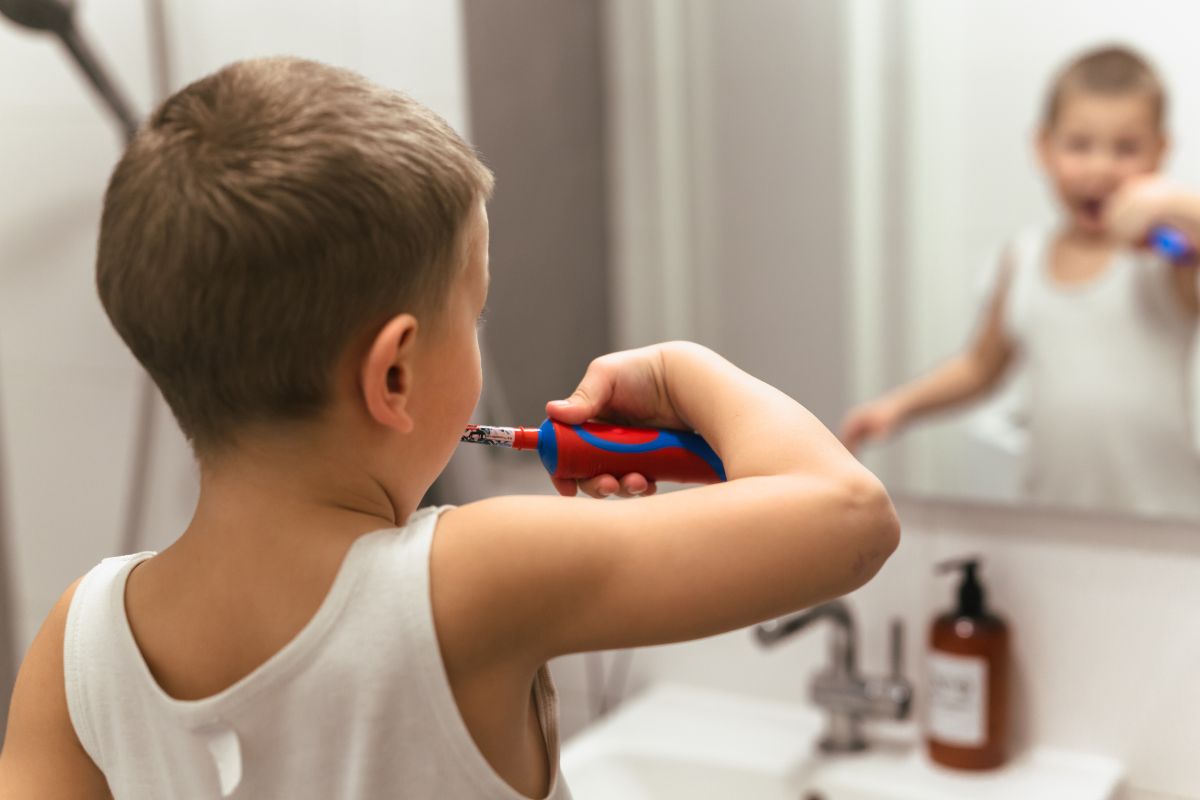
Sing a song while brushing teeth to promote routine understanding.
Use songs to teach basic concepts like colors, numbers, or animals.
Create simple songs that include the names of children in the class to help them feel included and recognized.
2. Interactive Music Play
 2. Interactive Music Play
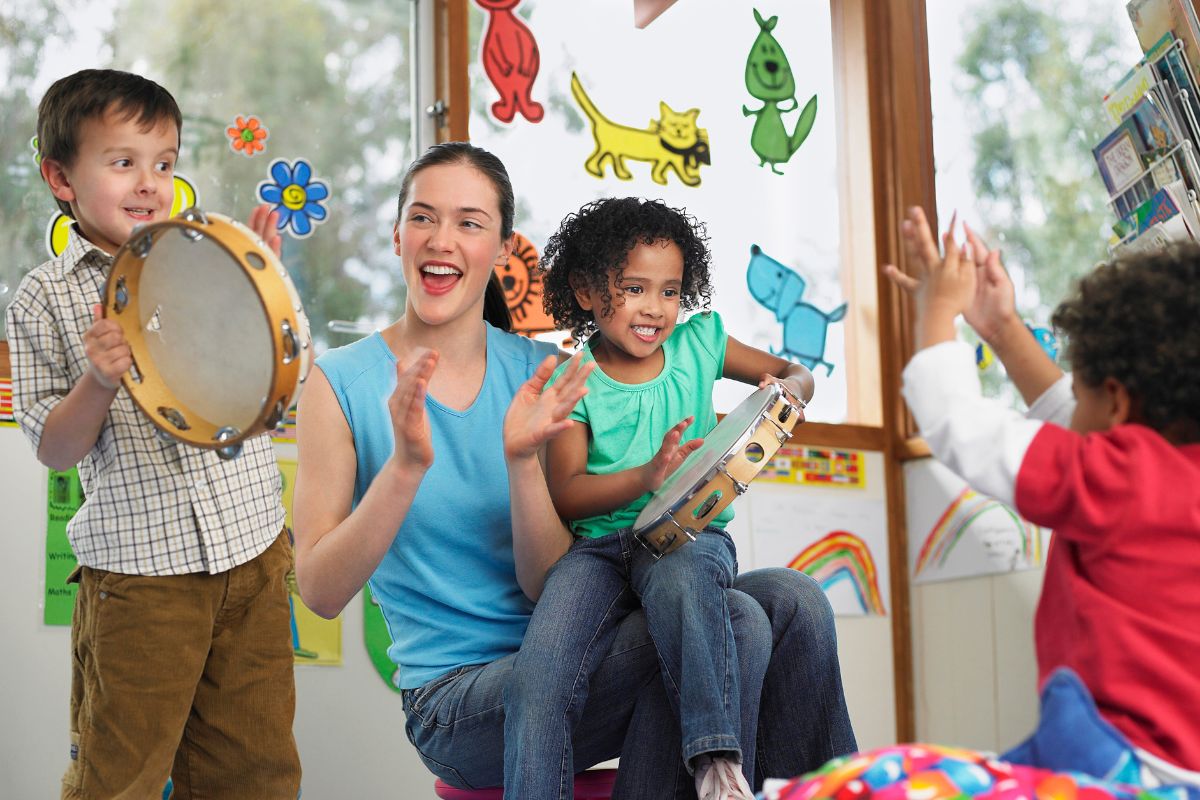
Engaging children in interactive music play is a key component of music therapy. This can include activities such as playing instruments, clapping to a rhythm, or moving to music.
These activities allow children to practice fine motor skills, develop coordination, and increase their attention span.
Examples:
Provide children with simple instruments like tambourines, maracas, or xylophones and encourage them to play along to songs.
Have children create their own rhythms by tapping or clapping along with the music.
Use movement activities, such as dancing or mimicking the actions in songs, to improve physical coordination.
3. Storytelling Through Music
Another great way to use music therapy in early childhood education is through musical storytelling. Music and songs can be used to tell stories, enhancing children’s ability to follow narratives and improve their comprehension skills.
Adding music to a story can also make it more engaging and memorable for young learners.
Examples:
 Examples:
Create a story with accompanying songs or sounds that represent different parts of the tale.
Use instruments to represent different characters or elements in the story (e.g., using drums for a thunderstorm, bells for fairies).
Encourage children to contribute their own sound effects or music to the story, allowing them to participate creatively.
4. Promote Emotional Expression Through Song
Songs can be an excellent tool for emotional expression. Children can learn about different emotions by listening to songs about feelings or by creating their own songs to express their moods.
Music offers a safe space for children to explore and identify their emotions, helping them develop emotional intelligence.
Examples:
Use songs that describe different emotions (e.g., "If You’re Happy and You Know It" for happiness or "The Sad Song" for expressing sadness).
Encourage children to create songs about their own feelings, such as how they feel when they are excited, scared, or tired.
Introduce songs with calming effects to help children manage their emotions during stressful situations.
Music Therapy Techniques Used in Early Childhood
 Music Therapy Techniques Used in Early Childhood
Music therapy in early childhood often involves a variety of techniques that combine different forms of music and sound to promote development. These techniques can be used in individual or group settings, either in the classroom or at home.
1. Imitation and Echoing
A key technique in music therapy is imitation or echoing, where the therapist or caregiver plays a melody or rhythm, and the child is encouraged to repeat it. This helps improve memory and attention skills while also reinforcing the child’s ability to focus on patterns.
2. Guided Singing
Guided singing involves the therapist or teacher singing a song with the child, often with simple, repetitive lyrics. This technique helps children develop language skills and learn new words while reinforcing their connection to the rhythm and structure of music.
3. Improvisation and Exploration
Another important aspect of music therapy is improvisation, where children are encouraged to create their own sounds or rhythms. This fosters creativity and allows children to explore different sounds, which can enhance their cognitive and motor development.
The Lasting Impact of Music Therapy on Early Learning
In conclusion, music therapy is an incredibly powerful tool in enhancing early childhood learning. It not only helps children develop key cognitive and emotional skills but also promotes social growth, creativity, and emotional expression.
By incorporating music into daily routines, interactive play, and guided activities, parents and educators can foster an environment that encourages exploration, learning, and emotional development.
The benefits of music therapy go beyond just the enjoyment of music—it lays the foundation for well-rounded, confident learners who are better equipped to engage with the world around them.
Did you find this post useful or inspiring? Save THIS PIN to your PARENTING Board on Pinterest! 😊


You may also like