
Babywearing Benefits Beyond Convenience: Emotional and Physical Impact

Babywearing, the practice of carrying your baby in a carrier or sling, has been a part of many cultures for centuries. While it’s often chosen for its convenience, babywearing offers numerous benefits that extend beyond just making daily tasks easier.
The emotional and physical impacts of babywearing are profound, contributing to a strong bond between parent and child, as well as promoting healthy development. This article will explore the emotional and physical benefits of babywearing, showing why it’s more than just a practical solution.
The Emotional Impact of Babywearing
Enhancing Bonding and Attachment
One of the most significant emotional benefits of babywearing is its ability to enhance parent-child bonding. When a parent carries their baby close to their body, it promotes physical closeness and allows for constant contact, which is essential for the development of a secure attachment.
Babies thrive on this proximity, as it makes them feel safe, loved, and nurtured. Studies have shown that babies who are worn tend to cry less and are more likely to develop healthy emotional regulation.
Babywearing creates a constant connection, allowing parents to respond quickly to their baby’s cues. This responsiveness builds trust and helps establish a strong emotional bond.
For parents, wearing their baby helps them feel more attuned to their child’s needs, which enhances their emotional connection and provides a sense of fulfillment.
 Reducing Parental Stress
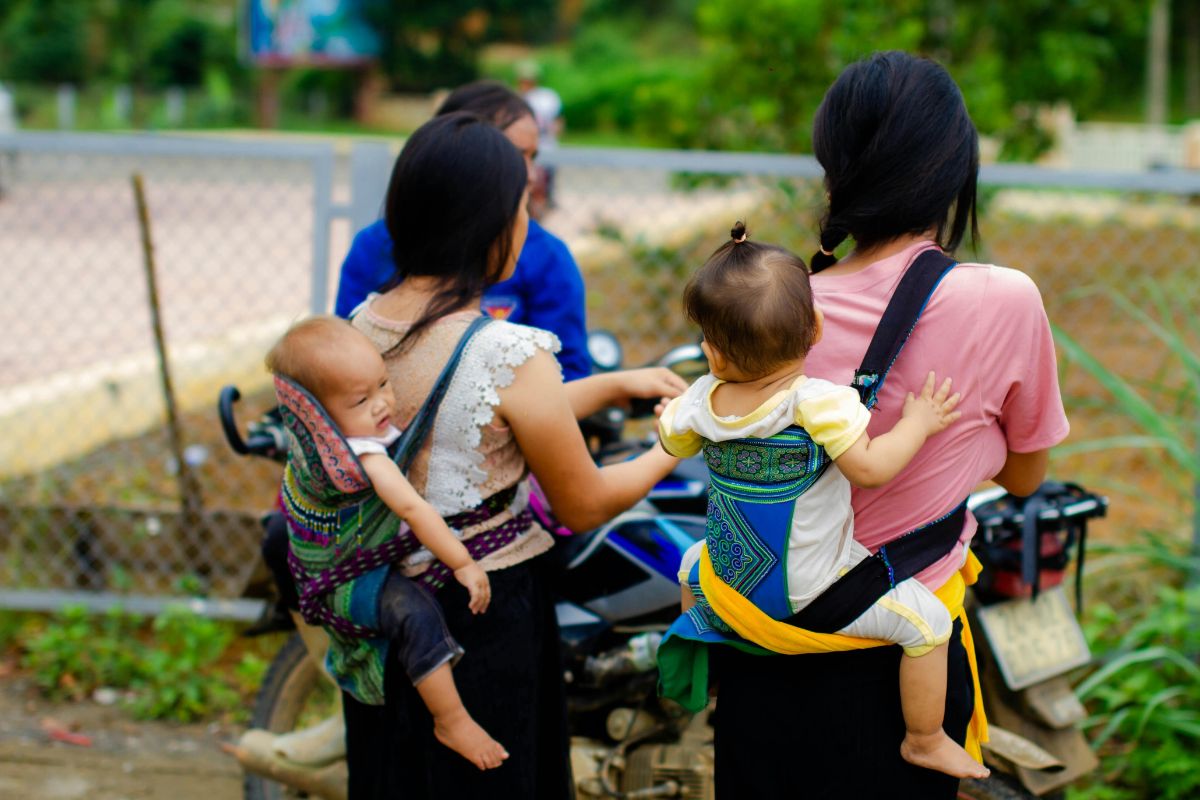 Reducing Parental Stress
Carrying your baby in a sling or carrier can also have a positive impact on the parent’s mental well-being.
The close contact helps regulate the parent’s stress levels, as being physically close to their baby can trigger the release of oxytocin, the hormone associated with feelings of love and bonding.
This can help reduce stress and create a calm, soothing environment for both the parent and the child.
Moreover, babywearing can help new parents feel more confident and in control, as they can attend to their baby’s needs without having to juggle multiple tasks or worry about their baby being upset.
This feeling of empowerment can significantly reduce anxiety, particularly for new mothers navigating the challenges of early parenthood.
The Physical Impact of Babywearing
Promoting Healthy Development for Baby
Babywearing isn’t just emotionally beneficial—it also supports the physical development of the baby. Being held in an upright position against a parent’s chest promotes healthy hip development, particularly in the early stages of life.
This is especially important for babies, as carrying them in a carrier can help maintain the proper alignment of their hips and spine.
It’s important to note that wearing a baby in a carrier that supports their natural position (with their knees slightly higher than their hips) helps to prevent the risk of hip dysplasia.
Additionally, babywearing can improve the baby’s muscle development and coordination. Being held in a carrier or sling allows the baby to observe the world around them, promoting visual, auditory, and sensory development.
The natural movement of being carried also encourages the baby to engage their muscles as they try to balance and adjust to the movement, helping to build strength and coordination.
Supporting Physical Health for Parents
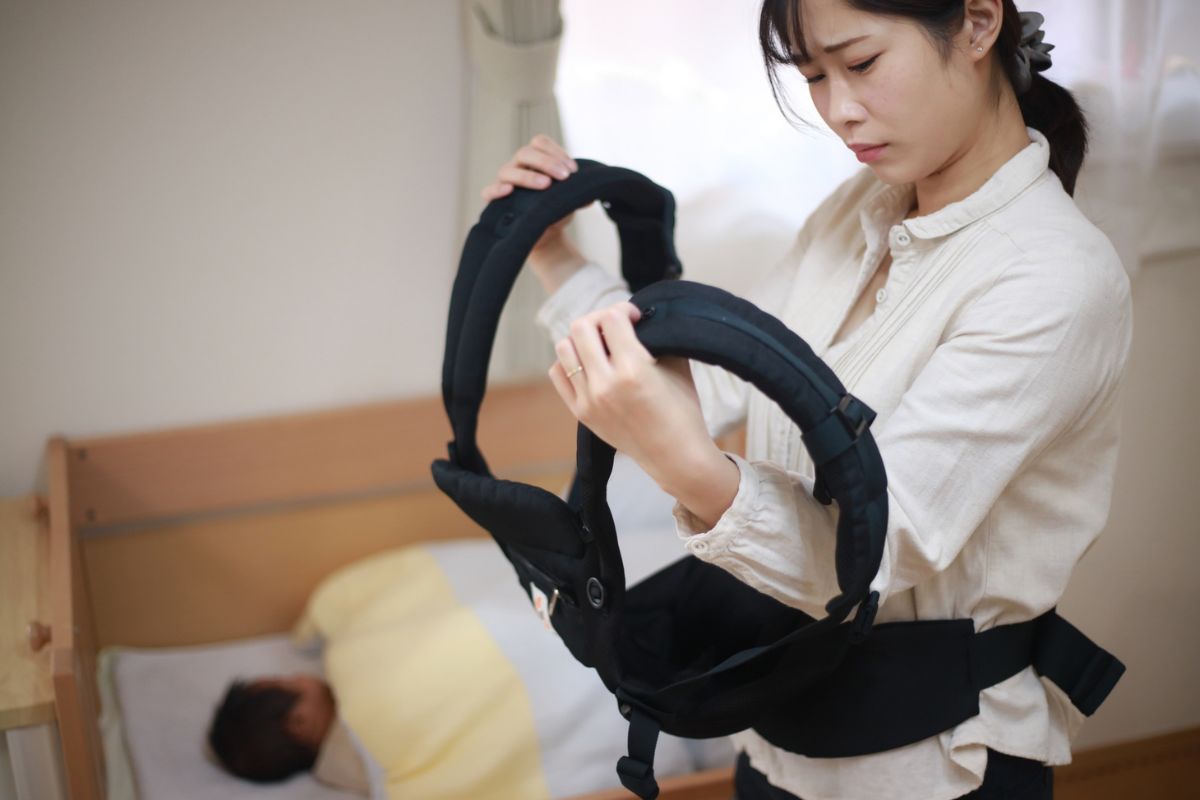 Supporting Physical Health for Parents
For parents, babywearing provides physical benefits as well. Carrying your baby close to your body in a supportive carrier helps distribute their weight evenly across your body, reducing the strain on your back, hips, and shoulders.
It’s also much easier on your joints compared to carrying a heavy car seat or infant carrier, which can place undue stress on your arms and wrists.
In addition, wearing your baby can help with postpartum recovery. It encourages parents, especially mothers, to engage in gentle movement, which can aid in muscle recovery and improve circulation.
Babywearing promotes physical activity and allows parents to be more mobile, which can contribute to a faster recovery from childbirth.
The Practical Benefits of Babywearing
Hands-Free Convenience
While babywearing offers numerous emotional and physical benefits, one of its most practical advantages is its convenience. Carrying your baby allows you to keep both hands free, which is essential for multitasking.
Whether it’s preparing meals, running errands, or simply getting things done around the house, babywearing allows you to be productive while keeping your baby close. It also helps avoid the hassle of lugging around a stroller, especially in crowded spaces or during travel.
For parents with multiple children, babywearing can be a game-changer. It allows them to care for an older child while keeping a younger baby close, without needing to set the baby down or worry about their safety.
This hands-free capability makes it easier for parents to navigate busy days without feeling overwhelmed.
Aiding in Baby’s Sleep Routine
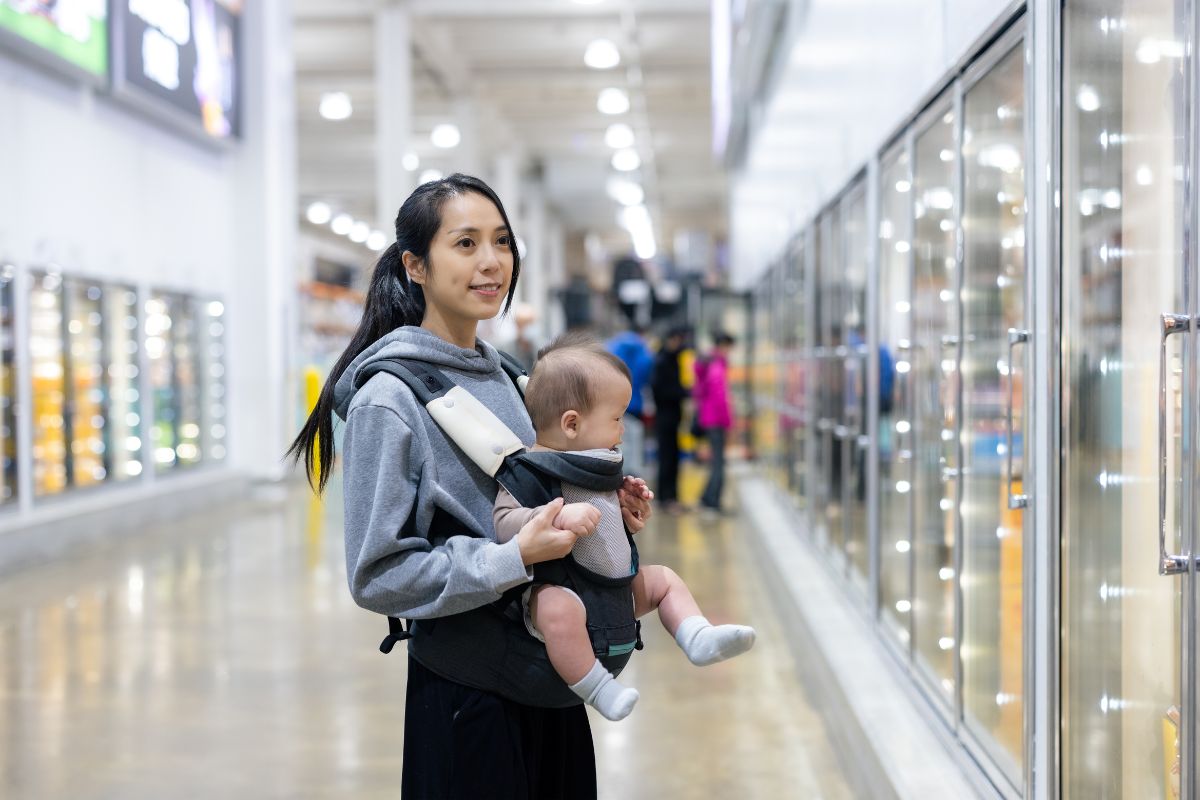 Aiding in Baby’s Sleep Routine
Babywearing can also play a role in establishing a healthy sleep routine for infants. The soothing motion of being carried, combined with the warmth and comfort of being close to a parent, can help babies fall asleep faster and sleep more soundly.
It mimics the sensations they experienced in the womb, creating a calming environment that promotes rest.
The rhythmic movement, warmth, and proximity offered by babywearing can act as a natural lullaby, easing babies into a deep, restorative sleep. It can be especially helpful for babies who have difficulty settling down or those who experience separation anxiety.
The security of being close to their caregiver fosters a sense of comfort and reassurance, making sleep time more peaceful.
How to Make Babywearing Work for You
Choosing the Right Carrier
Choosing the right carrier is key to ensuring that babywearing is both comfortable and safe for both the baby and the parent. There are various types of baby carriers available, including wraps, slings, and structured carriers, each offering different levels of support and comfort.
When selecting a carrier, it’s important to consider factors such as:
Support: Ensure that the carrier offers proper support for both your baby’s hips and your own body.
Comfort: Look for a carrier that evenly distributes your baby’s weight to prevent strain on your back or shoulders.
Ease of Use: Choose a carrier that is easy to adjust and use, especially if you’ll be putting it on and taking it off frequently.
Starting Slowly and Building Up
 Starting Slowly and Building Up
For new parents, it’s a good idea to start with short periods of babywearing and gradually increase the time as both you and your baby get more accustomed to it. This allows you to learn how to adjust the carrier for maximum comfort while ensuring your baby is securely positioned.
As you get more comfortable, you’ll find that babywearing becomes a seamless part of your daily routine.
More Than Just Convenience—A Holistic Approach to Parenting
Babywearing offers much more than just a convenient way to carry your child. It strengthens the emotional bond, promotes healthy development, and provides physical benefits for both parent and child.
The act of carrying your baby close enhances their sense of security and helps foster a deeper connection. For parents, babywearing reduces stress, supports postpartum recovery, and offers the flexibility to multitask without sacrificing quality time with your baby.
Ultimately, babywearing is a holistic approach to parenting that nurtures both the emotional and physical well-being of the entire family.
Did you find this post useful or inspiring? Save THIS PIN to your PARENTING Board on Pinterest! 😊

You may also like