
Baby’s First Year: The Importance of Bonding Through Skin-to-Skin Contact

A baby's first year is full of growth, learning and emotional development. One of the best ways to build a strong bond with your newborn is through skin-to-skin contact.
This simple yet profound practice involves holding your baby against your bare chest, allowing for physical closeness and emotional connection. In this article, we will explore the benefits of skin-to-skin contact and why it is an essential part of your baby's early development.
What is Skin-to-Skin Contact?
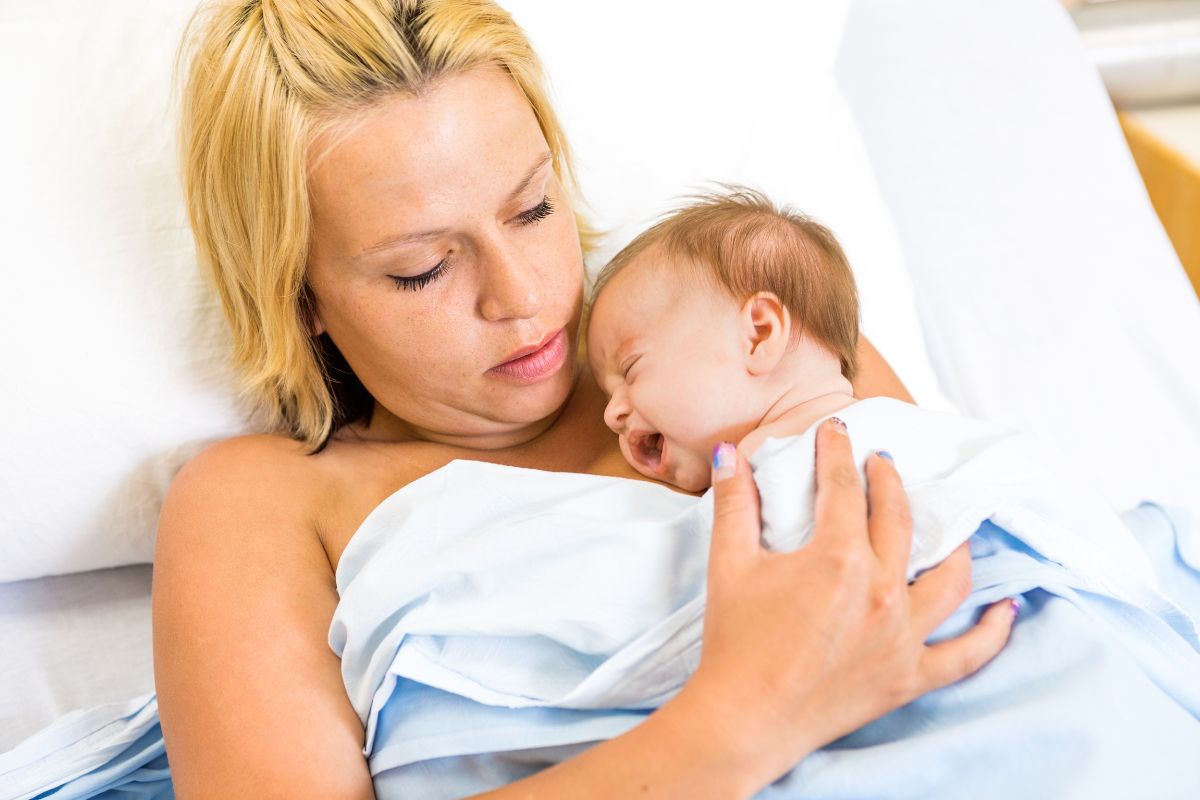
Skin-to-skin contact, often referred to as the Kangaroo Care method, involves placing your newborn directly on your chest, allowing your skin to touch your baby’s skin.
This practice can begin immediately after birth and continue throughout the first months and beyond. While often associated with mothers, fathers can also practice skin-to-skin contact, strengthening their emotional bond with their child.
 The Benefits of Skin-to-Skin Contact for Baby
 The Benefits of Skin-to-Skin Contact for Baby
1. Enhanced Emotional Bonding
One of the biggest benefits of skin-to-skin contact is the emotional connection it helps build between you and your baby. Being close and feeling the warmth of your body gives your newborn a sense of security, so they feel safe and loved.
Why Emotional Bonding Matters:
Attachment: Skin-to-skin contact promotes the development of secure attachment, which is essential for a baby’s emotional and psychological well-being.
Trust and Comfort: Holding your baby close helps them feel comforted, especially when they are adjusting to the outside world. This physical closeness is a foundation for building trust.
2. Regulation of Body Temperature
Newborns are not able to regulate their body temperature effectively in the first few weeks of life. Skin-to-skin contact helps to regulate their body temperature, keeping them warm and stable.
Your body provides the necessary warmth to help maintain their ideal body temperature, particularly in the early days after birth.
How Skin-to-Skin Helps Temperature Regulation:
Heat transfer: Your body acts as a natural incubator, helping to keep your baby’s body at the right temperature.
Prevention of hypothermia: This practice has been shown to prevent babies from getting too cold, especially in the first few hours of life when they are most vulnerable.
3. Promotes Breastfeeding
 3. Promotes Breastfeeding
Skin-to-skin contact also plays a crucial role in establishing and supporting breastfeeding. The close physical contact with your baby encourages them to latch on to your breast and feed, providing the nutrition they need during the early days of life.
Skin-to-Skin and Breastfeeding:
Increased milk production: Skin-to-skin contact stimulates the release of oxytocin, the hormone responsible for milk production and letdown.
Better latch: Being close to you helps your baby instinctively find the breast and latch more effectively, making breastfeeding easier for both of you.
Improved feeding frequency: Babies who experience more skin-to-skin contact tend to breastfeed more frequently, which helps establish a good feeding routine.
4. Reduction of Stress and Crying
Babies who experience frequent skin-to-skin contact often cry less and show fewer signs of distress. The physical closeness and warmth from their caregiver have a soothing effect, which can help calm a fussy or upset baby.
Skin-to-Skin for Calming:
Lower cortisol levels: Skin-to-skin contact has been shown to reduce the levels of cortisol, the stress hormone, in both babies and parents.
Comforting effect: The gentle sound of your heartbeat and the warmth of your body mimic the sensations your baby experienced in the womb, providing comfort and security.
5. Supports Healthy Brain Development
 5. Supports Healthy Brain Development
Studies have shown that skin-to-skin contact plays a role in healthy brain development. The sensory stimulation from being held close to a caregiver helps stimulate the brain’s development, contributing to the baby’s emotional and cognitive growth.
How Skin-to-Skin Affects the Brain:
Sensory stimulation: The physical touch and closeness of skin-to-skin contact stimulate the baby’s sense of touch, smell, and hearing, enhancing neural development.
Improved cognitive function: Babies who experience regular skin-to-skin contact have been shown to have better developmental outcomes, including higher cognitive function in the long term.
The Benefits of Skin-to-Skin Contact for Parents
1. Bonding with Baby
While the baby benefits greatly from skin-to-skin contact, parents also experience significant emotional benefits. It allows you to feel closer to your baby and enhances your emotional connection.
Strengthening Parental Bonds:
Feeling of closeness: Fathers, in particular, can experience a deep sense of connection with their newborn during skin-to-skin contact, which helps create a strong paternal bond.
Increased confidence: When you engage in skin-to-skin contact, you may feel more confident in your ability to care for and comfort your baby, reducing feelings of uncertainty or anxiety.
2. Reduction of Postpartum Depression
 2. Reduction of Postpartum Depression
For mothers, skin-to-skin contact can help alleviate some of the emotional challenges of postpartum depression. The physical closeness stimulates the production of oxytocin, often referred to as the “love hormone,” which promotes feelings of well-being and reduces anxiety and stress.
How Skin-to-Skin Helps:
Oxytocin release: The act of holding your baby close encourages the release of oxytocin, which helps to boost mood and reduce postpartum depression.
Support for mental health: Feeling emotionally connected to your baby through skin-to-skin contact can support your mental health and well-being as you transition into motherhood.
3. Improved Relationship with Your Partner
Skin-to-skin contact isn’t just beneficial for the mother and baby; it also encourages shared parenting. When both parents participate in this practice, it strengthens the relationship between partners as they share the joy and responsibility of caring for their baby together.
Bonding as a Family:
Increased father involvement: Skin-to-skin contact encourages fathers to play an active role in their baby’s care, which strengthens the bond between both parents and the child.
Shared experiences: The experience of caring for and comforting your baby together brings partners closer and builds a sense of teamwork and mutual support.
How to Practice Skin-to-Skin Contact
1. Timing is Key
You can begin skin-to-skin contact immediately after birth, during the first hours when your baby is most alert and receptive. The earlier you start, the better for establishing a strong bond.
In the hospital: Ask your healthcare provider to initiate skin-to-skin contact as soon as possible after birth.
At home: Make skin-to-skin contact a regular part of your daily routine during your baby’s first few months.
2. Be Comfortable
 2. Be Comfortable
For both you and your baby, comfort is essential during skin-to-skin contact. Find a comfortable position where you can both relax. You can either lie down on a bed, sit in a chair, or even use a carrier for hands-free contact.
3. Clothing Tips
Wear loose, comfortable clothing, or just your underwear, and ensure that your baby’s diaper is on but not their clothes. You want to maximize skin-to-skin exposure without any barriers between you and your baby.
A Powerful Bond for a Healthy Start
Skin-to-skin contact is one of the most powerful tools you can use to build a strong, loving bond with your baby in the first year. It promotes emotional, physical, and cognitive development, while also providing comfort and security to both parent and child.
Whether it’s during the early moments after birth or as part of your daily routine, the benefits of skin-to-skin contact cannot be overstated.
Embrace this practice for a healthy, connected start to your baby's life, and watch as it strengthens your relationship and promotes emotional well-being for both of you.
Did you find this post useful or inspiring? Save THIS PIN to your PARENTING Board on Pinterest! 😊


You may also like