
Choosing Safe and Multifunctional Nursery Furniture
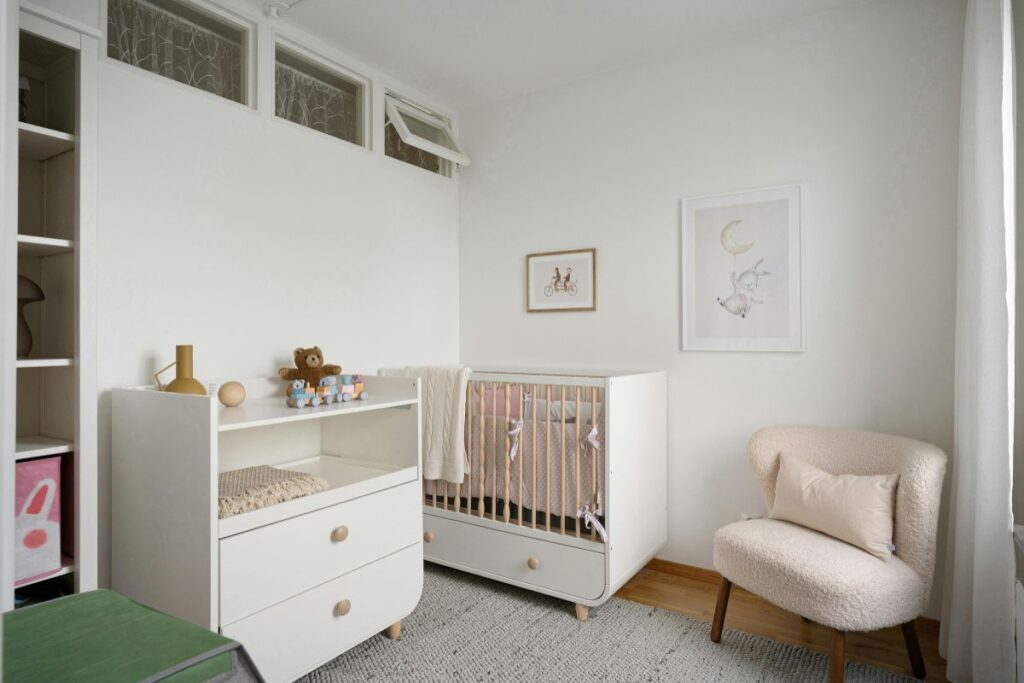
Designing a nursery is an exciting step for expectant parents, but selecting the right furniture can feel overwhelming. Beyond aesthetics, the safety and functionality of nursery furniture are paramount to create a secure and practical environment for your baby.
Investing in safe and multifunctional nursery furniture not only ensures your child’s well-being but also makes the most of your space and budget.
This article will guide you through the essentials of choosing nursery furniture that combines safety with versatility to support your family’s needs as your baby grows.
Why Safety Comes First in Nursery Furniture
Your baby’s nursery is their first environment outside the womb, so safety must be your top priority.
Standards and Certifications
Look for nursery furniture that complies with safety standards set by organizations such as the Consumer Product Safety Commission (CPSC). Certifications like JPMA (Juvenile Products Manufacturers Association) indicate that furniture has undergone rigorous safety testing.
Sturdy Construction
Choose pieces made from durable, high-quality materials that won’t easily tip, collapse, or break. Check that cribs, changing tables, and dressers are solidly built and free from sharp edges or loose parts.
 Non-Toxic Finishes
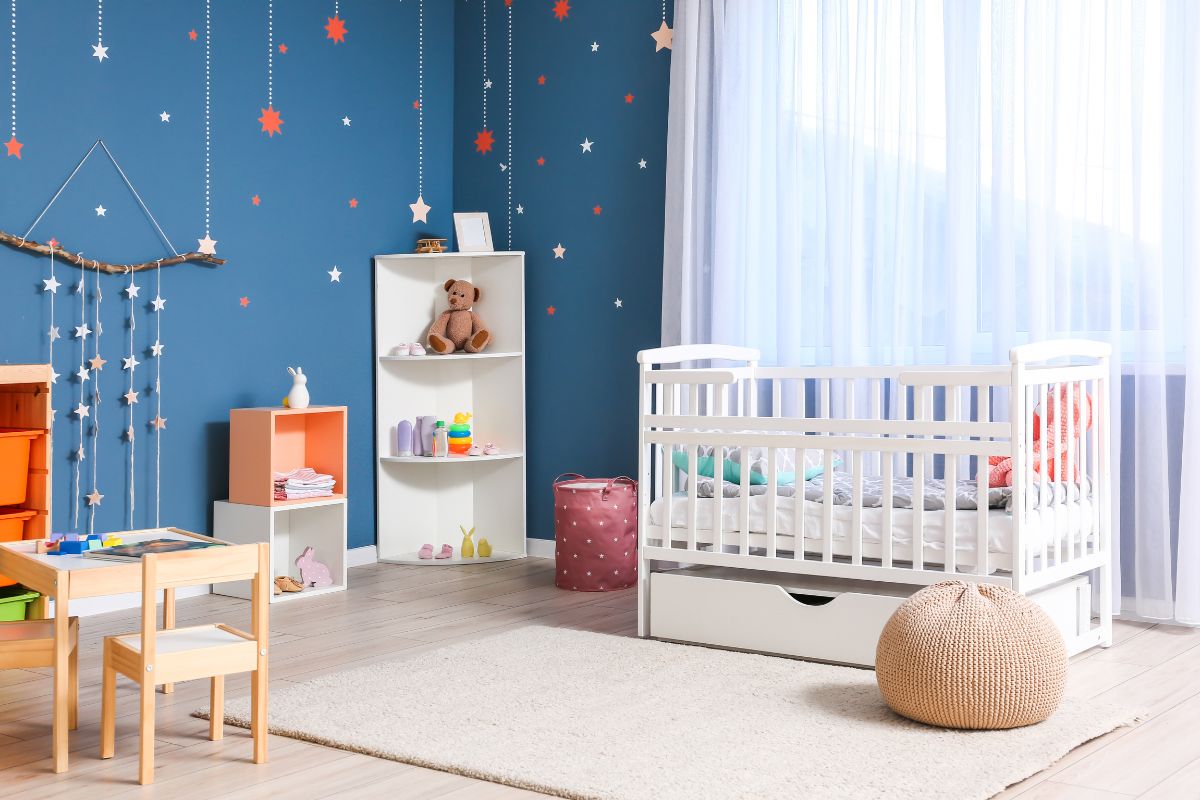 Non-Toxic Finishes
Babies explore with their mouths, so avoid furniture with toxic paints, stains, or finishes. Opt for low-VOC (volatile organic compounds) or natural finishes to reduce exposure to harmful chemicals.
Key Safety Features to Look For
Understanding specific safety features helps you make informed decisions.
Cribs
Choose a crib with slats no wider than 2 3/8 inches to prevent your baby’s head from getting stuck.
Avoid drop-side cribs, as they have been banned due to safety risks.
Ensure the mattress fits snugly without gaps to prevent entrapment.
Adjustable mattress heights allow the crib to grow with your baby.
Changing Tables
Look for changing tables with raised sides or guardrails to prevent falls.
Secure storage compartments keep diapers and creams organized and out of baby’s reach.
Check weight limits to ensure stability.
Dressers and Storage
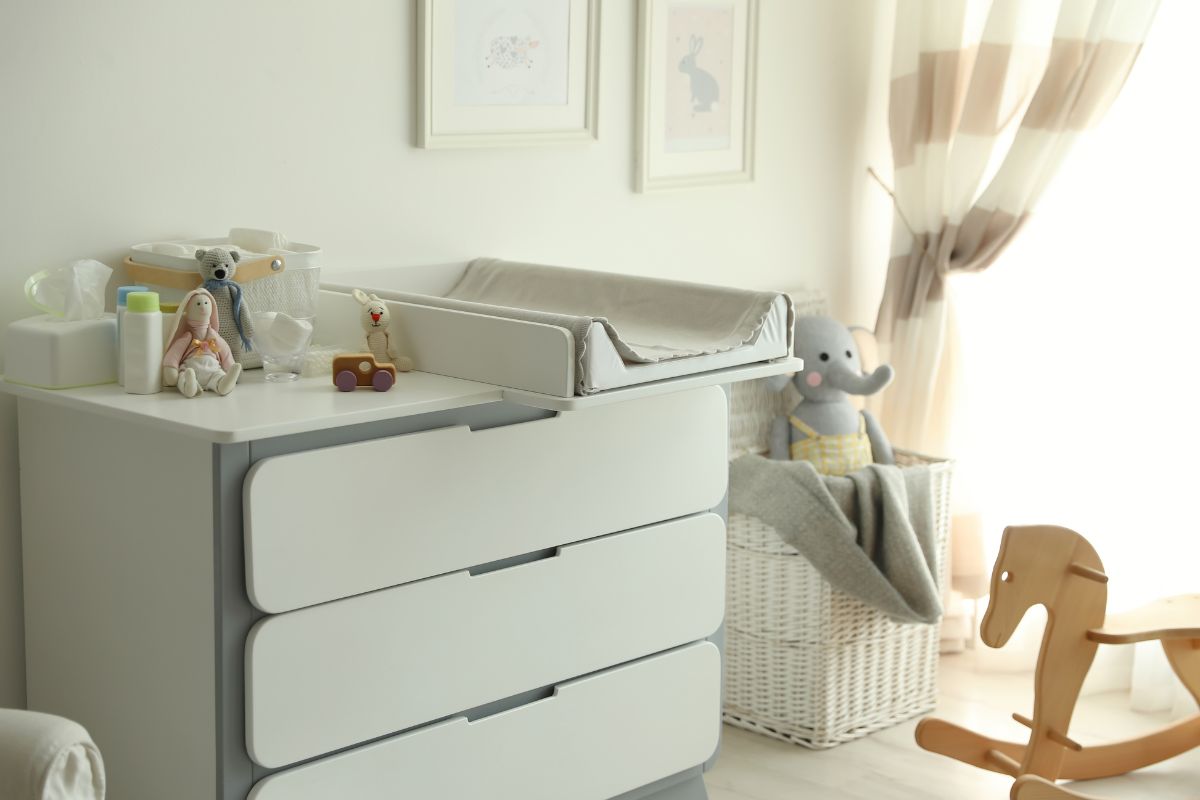 Dressers and Storage
Secure heavy dressers to the wall with safety brackets to prevent tipping.
Choose drawers with smooth glides and soft-close features to protect tiny fingers.
Benefits of Multifunctional Nursery Furniture
Multifunctional furniture is designed to grow with your child and maximize your nursery space.
Convertible Cribs
Convertible cribs transition from a traditional crib to toddler beds and sometimes even full-sized beds. This adaptability extends the furniture’s usability and saves money long-term.
Changing Table Dressers
Many dressers include a removable changing tray on top, combining storage and changing space. This dual function reduces the need for extra furniture in small nurseries.
Storage Ottomans and Benches
Seating with hidden storage provides a comfortable spot for feeding or reading while keeping toys, blankets, or diapers organized.
Wall-Mounted or Foldable Options
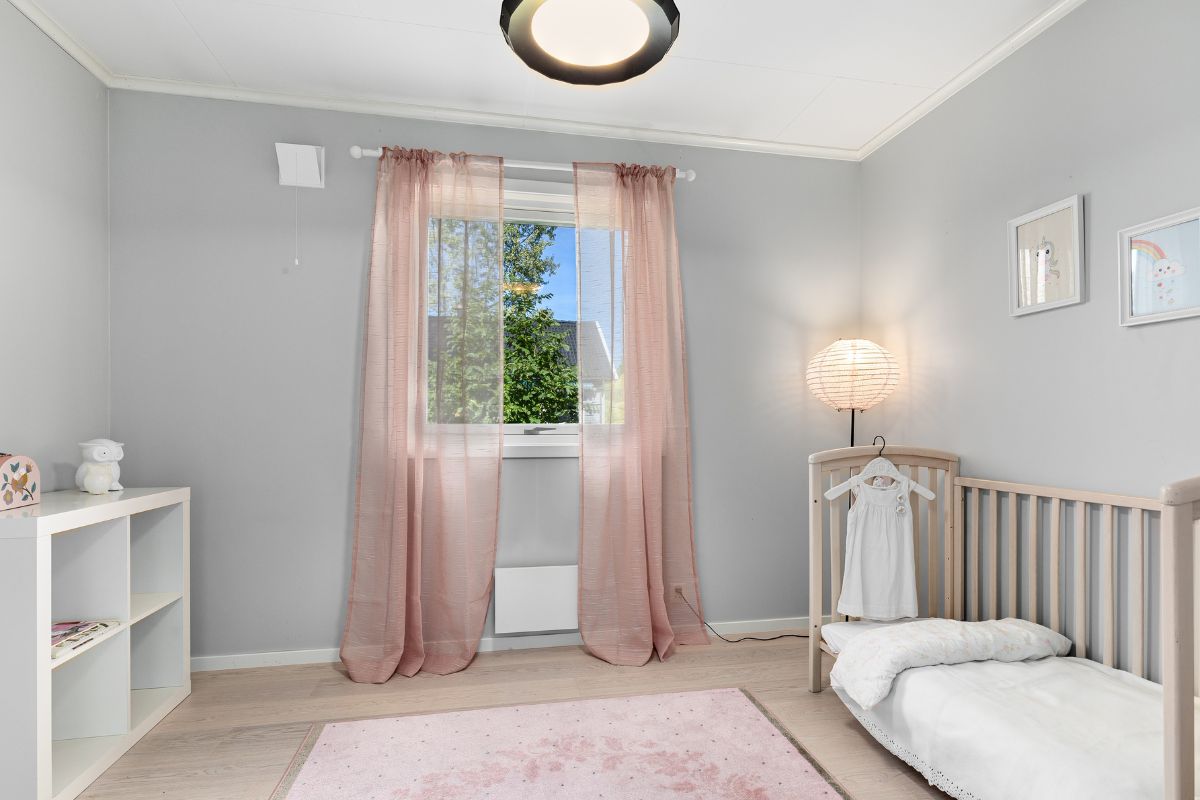 Wall-Mounted or Foldable Options
Wall-mounted shelves or foldable changing tables optimize limited space and offer practical storage without clutter.
How to Choose the Right Furniture for Your Nursery
Balancing safety, functionality, and style can be challenging, but these tips can help.
Consider Your Space
Measure your nursery carefully to determine what furniture fits comfortably while leaving room for movement and play.
Think Long-Term
Choose pieces that can adapt to your child’s changing needs to avoid frequent replacements.
Set a Budget
Multifunctional furniture may cost more upfront but offers value over time. Decide what features are essential and prioritize safety.
Test Comfort and Ease of Use
Make sure changing tables are at a comfortable height to prevent strain, and test drawers or conversion mechanisms for ease and durability.
Maintaining and Caring for Nursery Furniture
 Maintaining and Caring for Nursery Furniture
Proper care keeps furniture safe and looking great.
Regularly check for loose screws, bolts, or hardware and tighten them.
Clean surfaces with baby-safe cleaners to avoid harmful residue.
Inspect paint or finish for chips or wear and repair as needed.
Ensure moving parts like drawer slides operate smoothly.
Creating a Safe and Functional Nursery Environment
Furniture is just one part of nursery safety.
Keep cords, blinds, and curtain ties out of reach.
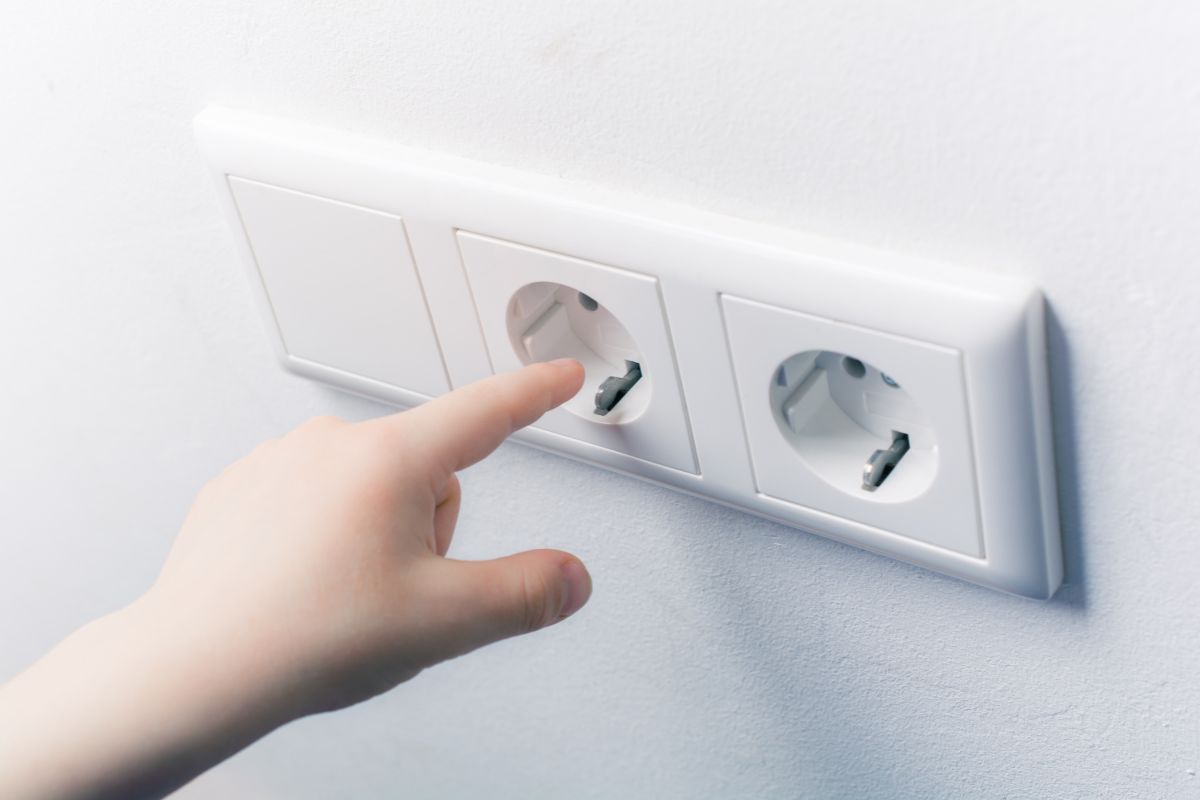
Use outlet covers and secure heavy items to walls.
Maintain a clutter-free floor to prevent trips or falls.
Choose soft, washable rugs and bedding that meet safety standards.
Building a Nursery that Grows with Your Family
 Building a Nursery that Grows with Your Family
Choosing safe and multifunctional nursery furniture is a thoughtful investment in your baby’s well-being and your family’s daily life.
By prioritizing quality, safety certifications, and adaptability, you create a nurturing space that evolves as your child grows—balancing comfort, style, and practicality. Remember, the best nursery supports not only your baby’s needs but also your ease and peace of mind as a parent.
With careful choices and ongoing care, your nursery becomes a welcoming haven where precious memories are made, and your family flourishes together.
Did you find this post useful or inspiring? Save THIS PIN to your PARENTING Board on Pinterest! 😊

You may also like