
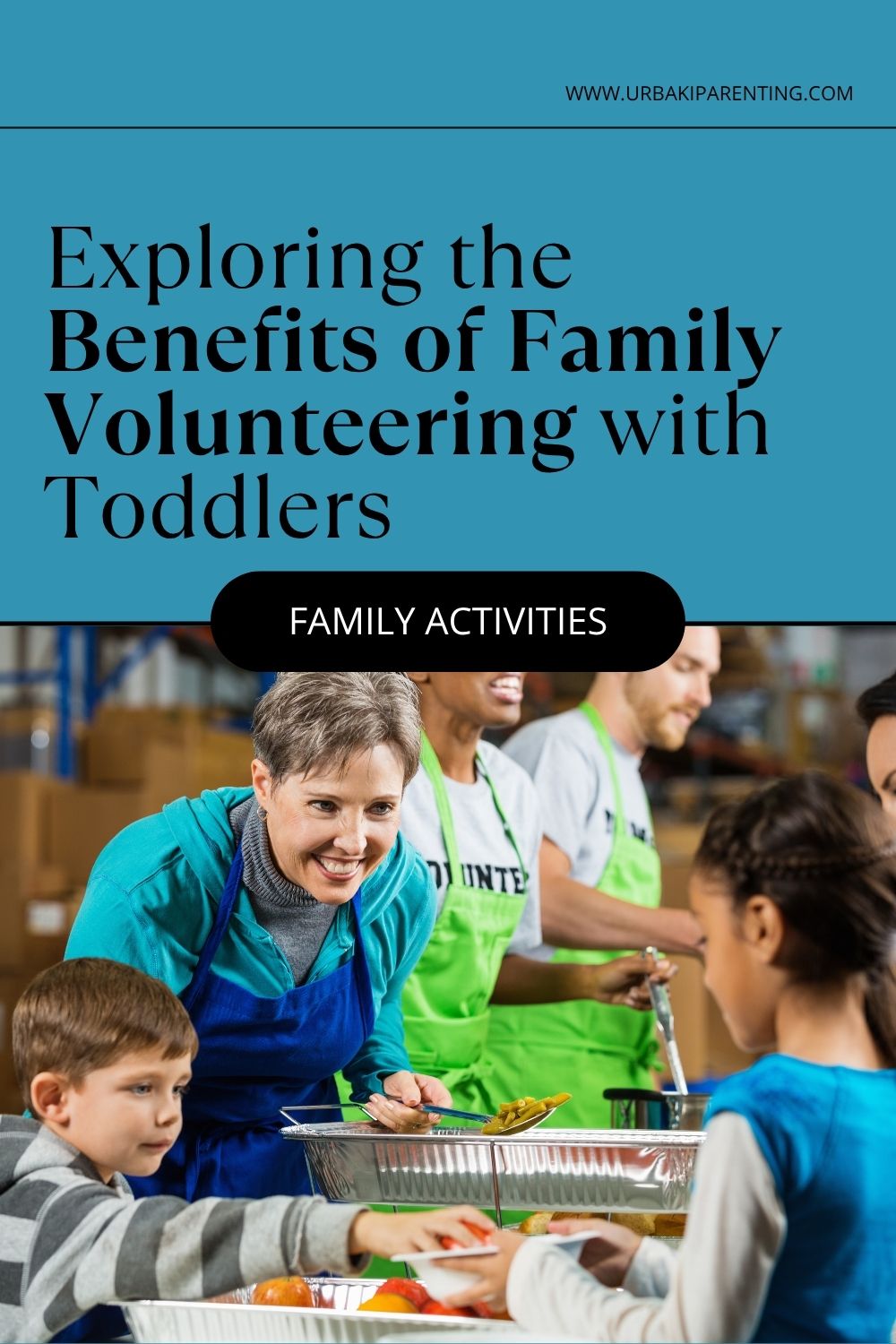
Exploring the Benefits of Family Volunteering with Toddlers

Family volunteering with toddlers might sound ambitious at first, but it’s one of those rare activities that nurtures your child’s growth while strengthening your family’s bond and making a real difference in your community.
When done thoughtfully—with age-appropriate tasks, clear expectations, and a playful spirit—volunteering becomes a joyful routine rather than a once-a-year obligation.
Below, we’ll explore the developmental benefits, how to choose the right opportunities, and simple ways to set your family up for success from the very first outing.
Why Start So Young?
Toddlers are natural imitators. They are constantly watching how adults move through the world, absorbing cues about what matters.
Introducing service early helps them learn that kindness isn’t an occasional act—it’s a way of life.
On a developmental level, volunteering activities reinforce language acquisition, fine and gross motor skills, and social-emotional learning.
Even simple acts—like handing a canned good to a parent who places it in a donation bin—allow toddlers to practice taking turns and following gentle instructions.
The best part? Toddlers link service with warm connection and shared purpose, because they’re experiencing it side-by-side with their favorite people.
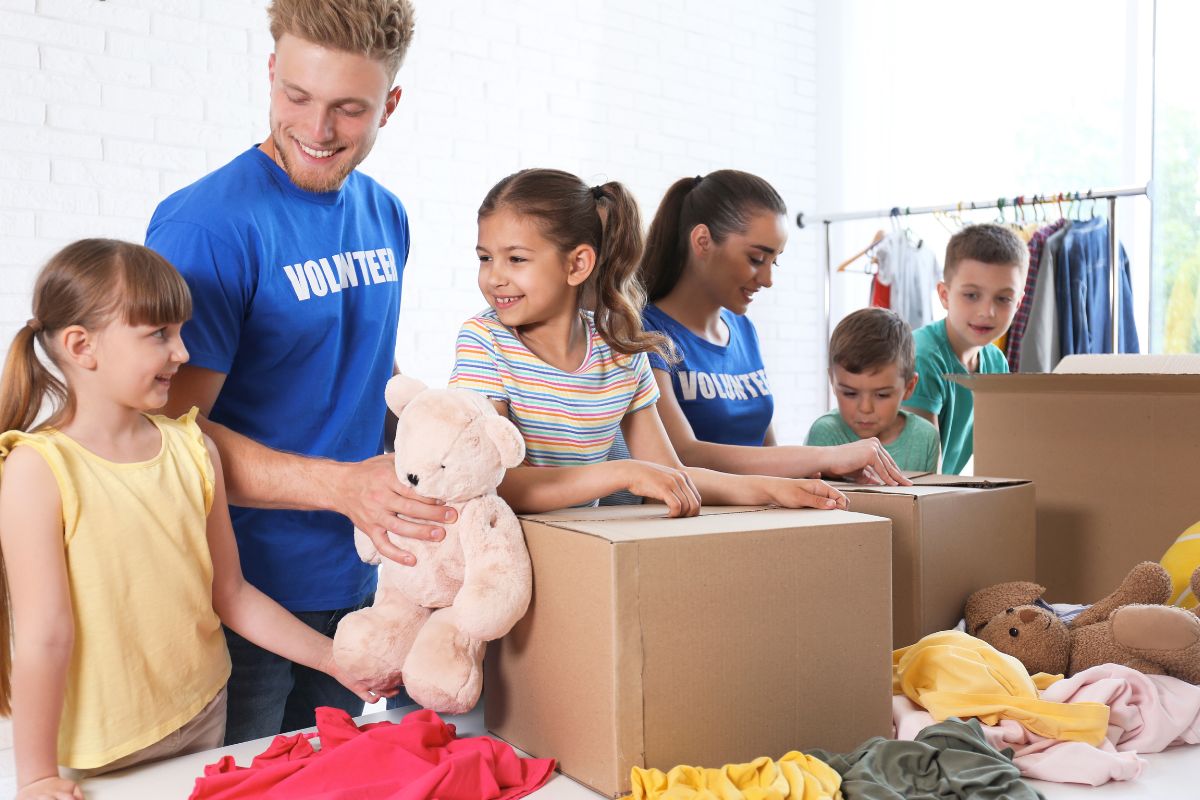 The Core Benefits for Toddlers
Growing Empathy Through Concrete Action
Toddlers understand the world through what they can see and touch. When families talk about helping and then show it in action, children connect words like “share,” “care,” and “help” with lived experiences.
This lays the foundation for compassionate habits that endure into the school years and beyond.
Building Confidence and Agency
Tasks that are just challenging enough—carrying a small produce bag to a free pantry table, sorting clean socks by color, or placing seed balls into garden beds—give toddlers a sense of “I can do it.”
Feeling capable fuels intrinsic motivation, which is essential for future learning and teamwork.
Strengthening Family Bonds
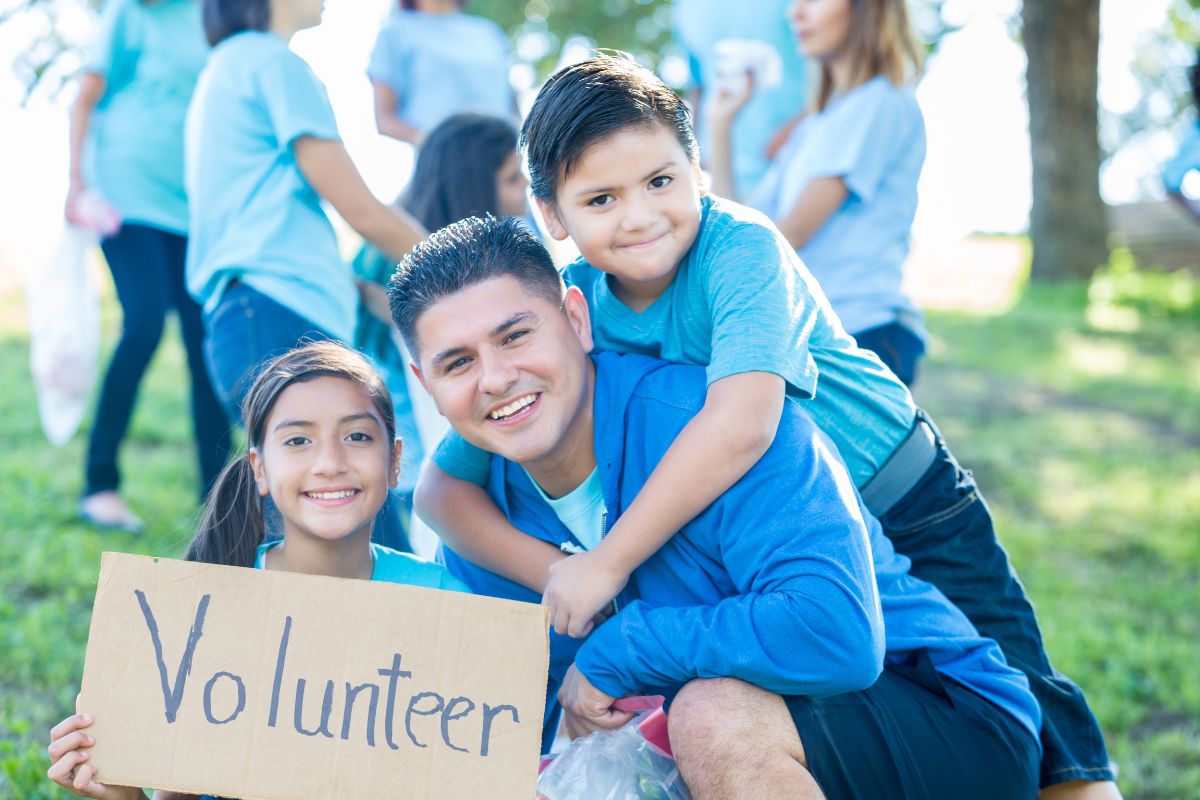
Volunteering side-by-side transforms giving into a shared family story.
The ride in the car, the chat afterward, and the ritual of returning all become touchpoints that deepen your connection and create positive family identity: “In our family, we help.”
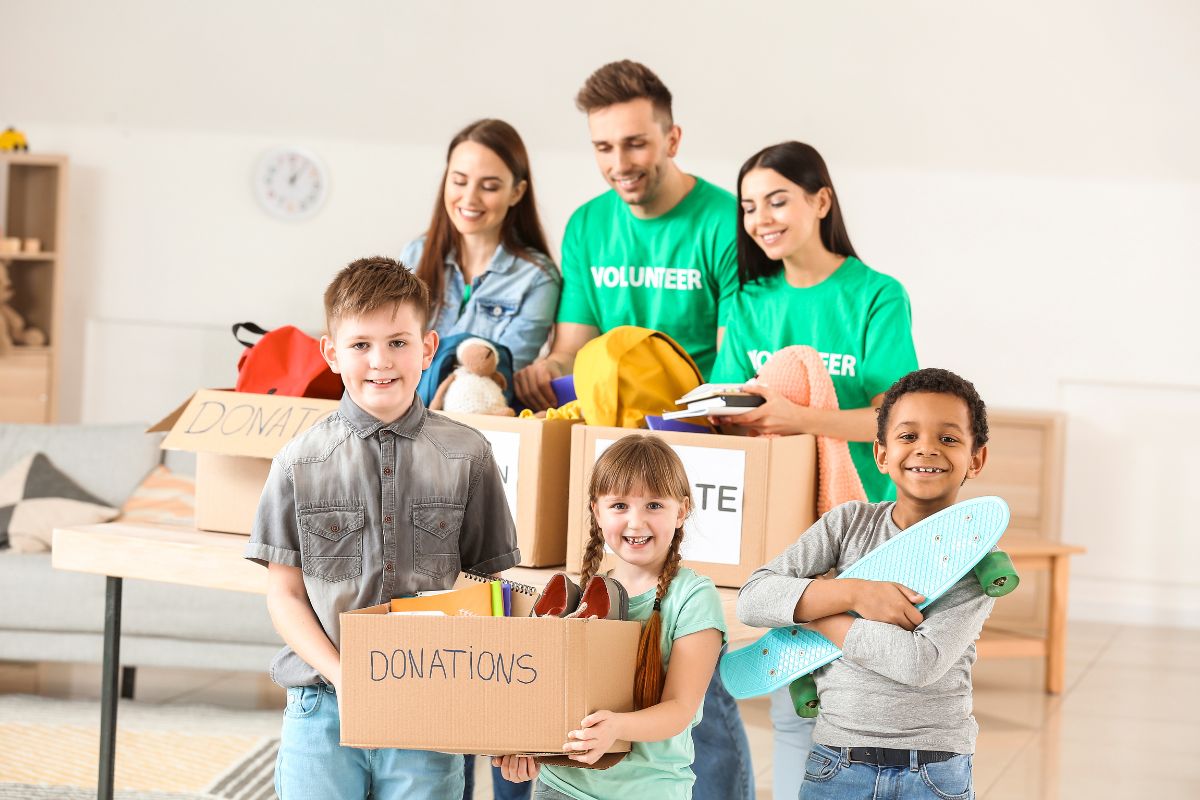 Choosing the Right Volunteer Activities
Start with Age-Appropriate, Short Sessions
Toddlers thrive in environments that match their attention spans. Look for short, predictable tasks that repeat—handing out napkins, sprinkling birdseed, watering plants with a tiny can.
Keep your first sessions under an hour and build from there.
Focus on Sensory-Friendly Settings
If your toddler is sensitive to noise or crowds, consider calmer environments.
Community gardens, donation sorting rooms with limited foot traffic, or small neighborhood clean-ups can be more comfortable than bustling events.
Ask Organizations About “Family-Friendly” Roles
Many nonprofits now offer family-friendly shifts or “helper stations” specifically designed for young kids.
These roles emphasize safety, simplicity, and supervision so toddlers can participate meaningfully without feeling overwhelmed.
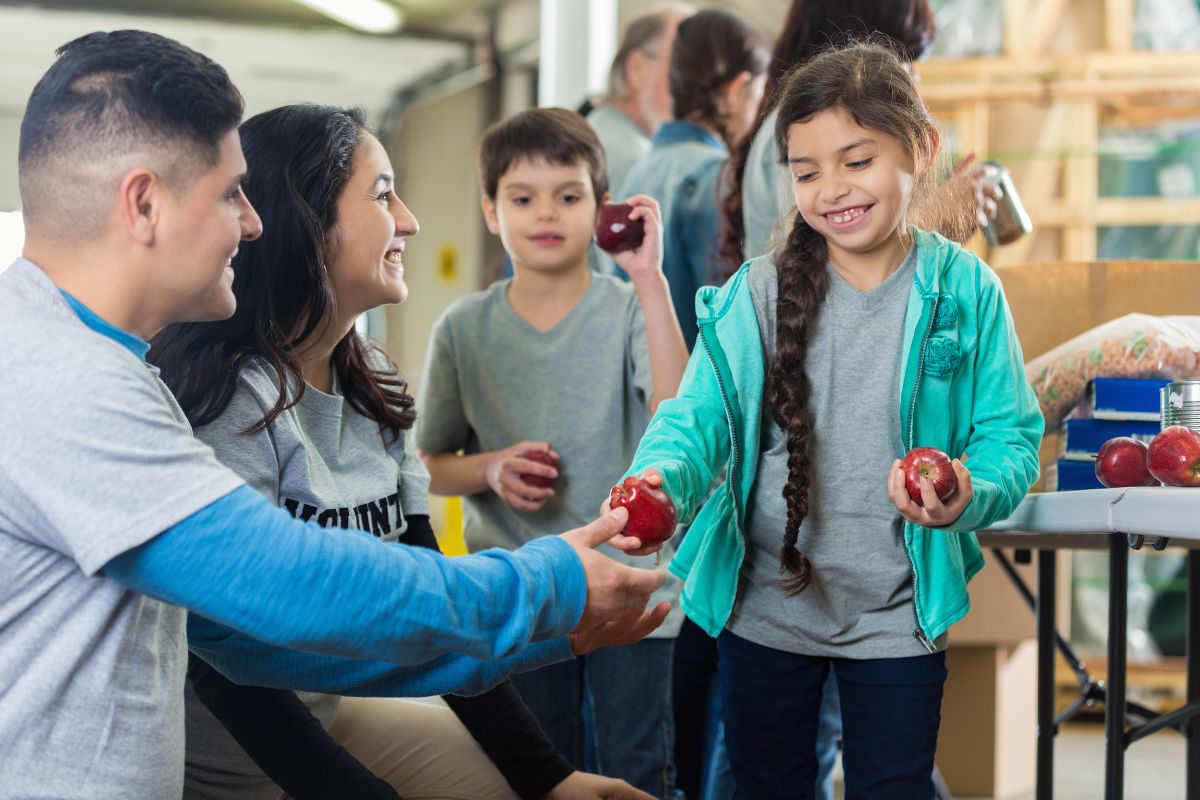 Safety, Boundaries, and Calm Routines
Prepare in Simple, Concrete Language
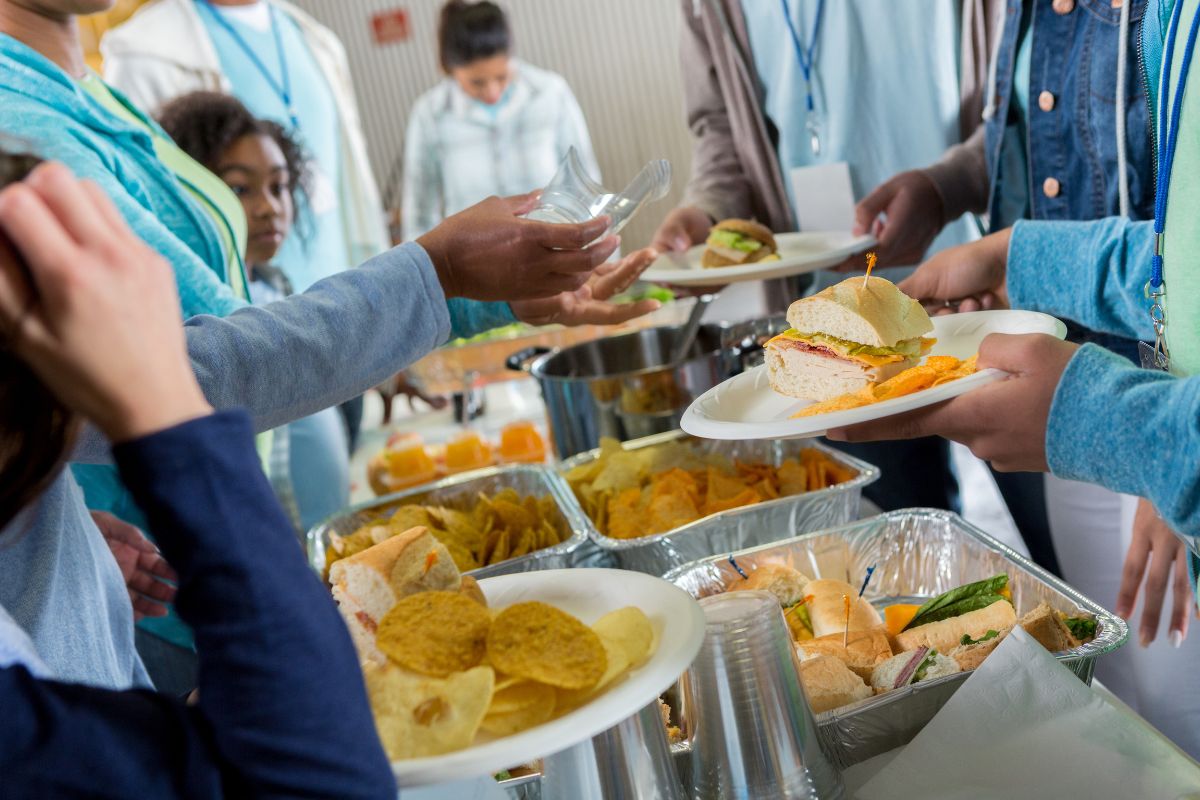
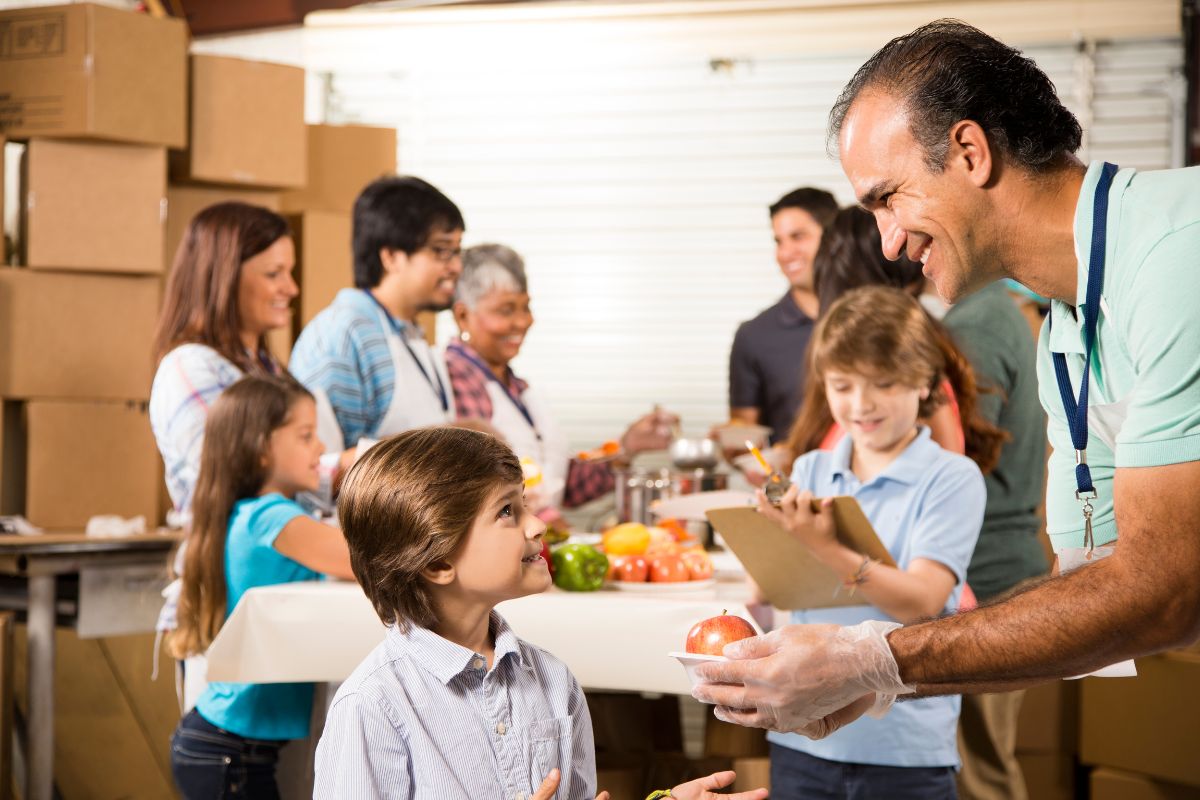
Before you go, explain the plan using short, positive phrases: “We’re going to help put food on a table so families can choose what they need. Your job is to carry one apple at a time.”
Previewing reduces anxiety and sets toddlers up for cooperative success.
Bring Familiar Comforts
A small snack, water bottle, wipes, and a favorite hat or soft toy go a long way.
Physical comfort supports emotional regulation, especially in new settings. Build small breaks into the plan so your toddler can reset.
Model Calm and Kindness
Toddlers read your cues. If you narrate your actions—“I’m waiting my turn,” “I’m asking where we can help”—they learn pro-social scripts that transfer effortlessly to playgrounds, playgroups, and preschool.
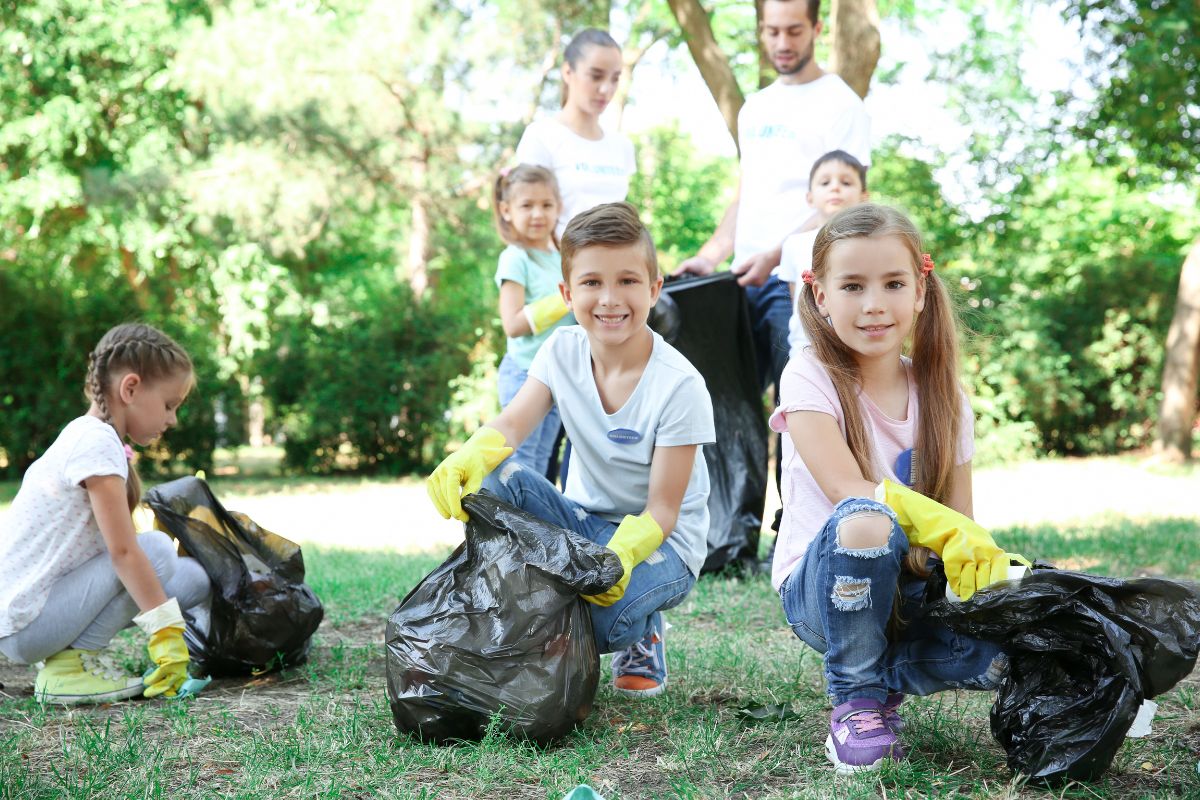 Practical, Toddler-Friendly Ideas (Without Overwhelm)
Neighborhood Kindness, Right Outside Your Door
Host a mini litter pick-up on your block with child-safe gloves and a small bag.
Create a 20-minute routine after a weekend walk: pick up a few pieces, celebrate the effort, and stop before your toddler is done.
Ending on a positive note encourages enthusiasm for next time.
Tiny Hands in the Garden
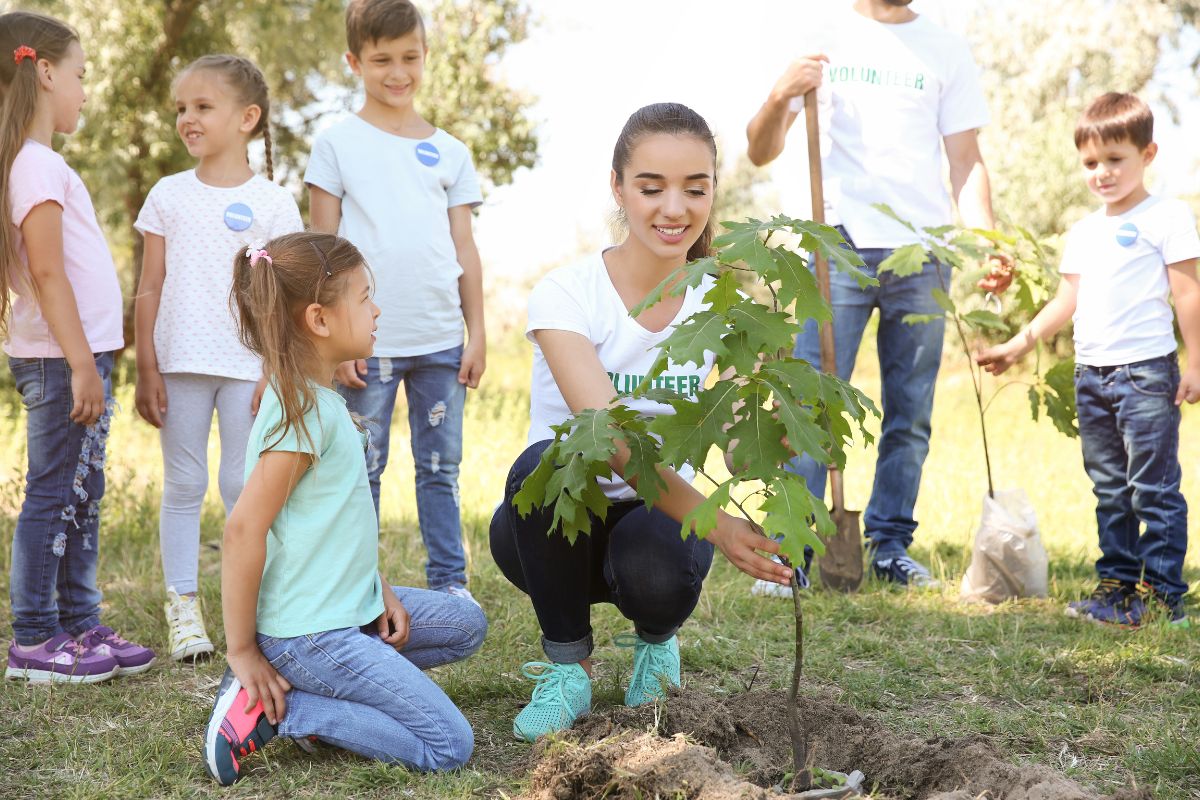
Community gardens love families who can water, mulch, or harvest small items.
Toddlers adore carrying a tiny watering can, patting soil gently, or placing harvested cherry tomatoes into a basket.
Gardening connects kids to nature, patience, and care for living things.
Micro-Donations They Can See
Invite your toddler to choose a gently used board book or a warm hat to donate. Let them place the item into the bin themselves.
Seeing the “before and after” helps make generosity feel real. Keep the decisions simple to avoid overwhelm: “This book or that book?”
 Kindness for Animals
Local shelters sometimes welcome families to assemble simple enrichment items off-site—like rolling treats into paper tubes or cutting old T-shirts into braided toys (with adult help).
Delivering these items becomes a tangible act of care even if your toddler isn’t ready to interact with animals directly.
Making It Sustainable for Your Family
Create a Predictable Rhythm
Aim for a monthly or biweekly ritual rather than a once-a-year rush.
Toddlers thrive on patterns: “On the first Saturday, we water plants at the community garden,” or “On Sundays, we make snack packs and deliver them.” Consistency transforms volunteering into a stable, meaningful tradition.
Keep Debriefs Sweet and Short
After each session, talk about one thing you did and one feeling you noticed: “We carried apples.
You were careful and strong.” These micro-reflections reinforce positive identity—“I am helpful”—without turning the car ride home into a lecture.
 Celebrate Wins, Not Perfection
Toddlers will have wobbly moments. That’s normal. Celebrate effort over outcome: the one bag carried, the five minutes of focus, the kind “hello” to a volunteer lead. Small wins accumulate into lifelong values.
Preparing Organizations for Toddler Volunteers
Communicate Needs Ahead of Time
When you sign up, mention that you’ll bring a toddler and ask about simple tasks, safe spaces, and a flexible exit if nap time calls.
Clear communication ensures everyone shares the same expectations and sets your family up for a positive partnership.
Offer to Do Prep at Home
Some tasks can be done in your kitchen or living room—assembling hygiene kits, decorating cheerful notes, or sorting donations.
Deliver your items to the nonprofit with your toddler, so they connect preparation with community impact.
 When Plans Change: Grace and Flexibility
Follow Your Child’s Cues
If your toddler is having a tough day, shorten the shift or pivot to an at-home activity.
Prioritizing emotional safety keeps volunteering associated with warmth and pride rather than stress. You can always try again next week.
Keep the Door Open
Even if you take a break, hold onto your ritual in small ways—read a story about kindness, water a neighbor’s plant, or make a thank-you card for a community helper. Continuity matters more than intensity at this age.
Story-Making: Capture the Memories
Build a Simple “Helping Book”
Print a few photos of your family in action and make a small scrapbook with your toddler. Add stickers and one-line captions: “We watered.” “We shared.”
Revisiting these pages helps toddlers remember, retell, and re-value the experience, deepening the habit of service.
 Create a “Helper Basket”
Keep a tote with child-sized gloves, a tiny apron, wipes, and a favorite hat. Having special gear signals that volunteering is a meaningful role and invites your toddler to step into it with excitement.
A Gentle Word on Inclusion
Meet Every Child Where They Are
All toddlers, including those with sensory differences or developmental delays, can contribute in dignified, adapted ways. Choose smaller spaces, quieter tasks, and clear visual cues.
What matters most is the child’s sense of belonging and contribution, not the volume of output.
A Closing Note of Encouragement
Family Volunteering with Toddlers: Planting Seeds That Last
Starting family volunteering with toddlers isn’t about perfection; it’s about planting seeds—of empathy, confidence, and community connection—that will keep growing long after the snack cups are packed away.
Choose simple tasks, keep sessions short, and celebrate small efforts.
Over time, your child won’t just learn to help; they’ll begin to see themselves as helpers, a powerful identity that enriches your family’s story and brightens the world around you.
Did you find this post useful or inspiring? Save THIS PIN to your PARENTING Board on Pinterest! 😊

You may also like