
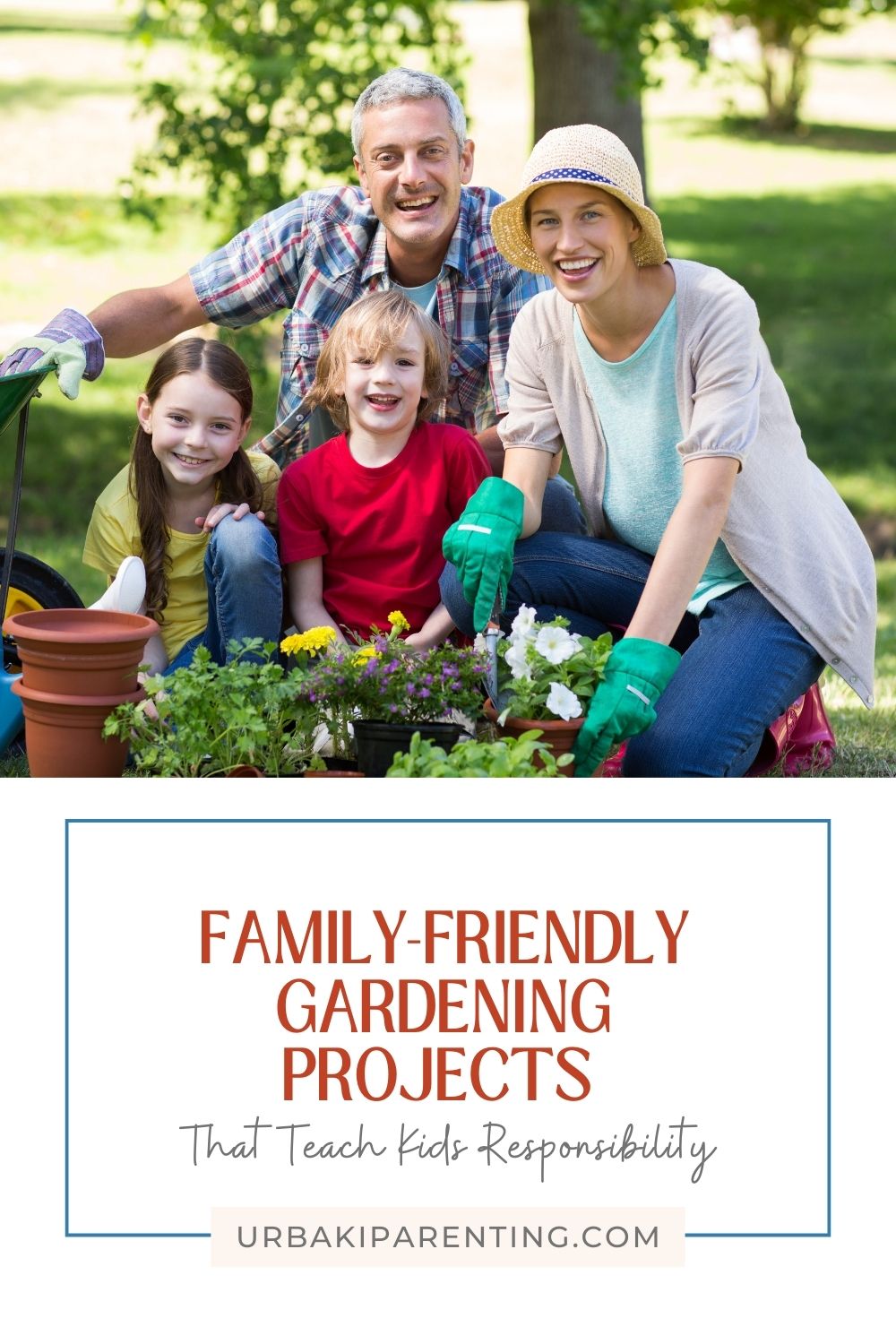
Family-Friendly Gardening Projects That Teach Kids Responsibility

Gardening is not just a great way to beautify your home and grow fresh produce; it’s also an excellent opportunity for children to develop important life skills, such as responsibility, patience, and teamwork.
Engaging kids in gardening projects allows them to see the direct impact of their actions on the environment while teaching them valuable lessons about nature and hard work.
Whether you have a large backyard or just a small balcony, there are plenty of family-friendly gardening activities that can teach your children how to care for plants and the environment.
In this article, we explore several fun and educational gardening projects for kids that will help them develop a sense of responsibility.
Why Gardening is a Great Way to Teach Kids Responsibility
Gardening is a hands-on activity that needs regular attention, which makes it a perfect way to teach kids about commitment and care. From planting seeds to watering plants, kids learn that what they do directly affects how well their garden grows. These experiences help build a sense of pride and ownership.
Developing a Sense of Care
When children are involved in gardening, they learn the importance of taking care of living things. Whether it’s remembering to water the plants, ensuring they get enough sunlight, or observing how plants grow, kids learn that plants need ongoing attention.
This teaches them the value of consistency and how small daily efforts lead to long-term results.
 Encouraging Patience and Delayed Gratification
 Encouraging Patience and Delayed Gratification
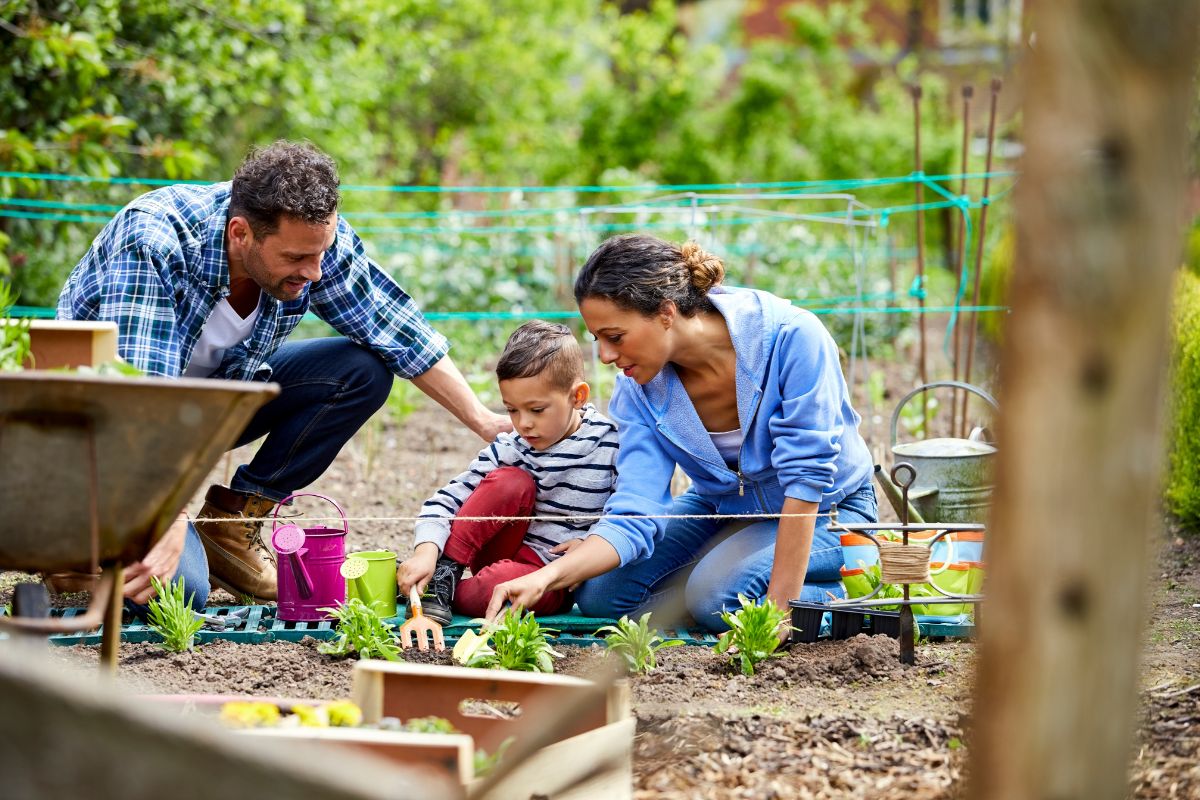
Gardening also helps teach patience. Plants take time to grow, and kids quickly learn that results don’t happen overnight. This experience encourages them to wait and care for their plants consistently, which can help build their self-discipline and delayed gratification skills.
Fun and Educational Gardening Projects for Kids
There are many ways to get your children involved in gardening, from small indoor projects to larger outdoor gardens. Here are some family-friendly gardening activities that are both educational and fun:
1. Growing a Vegetable Garden
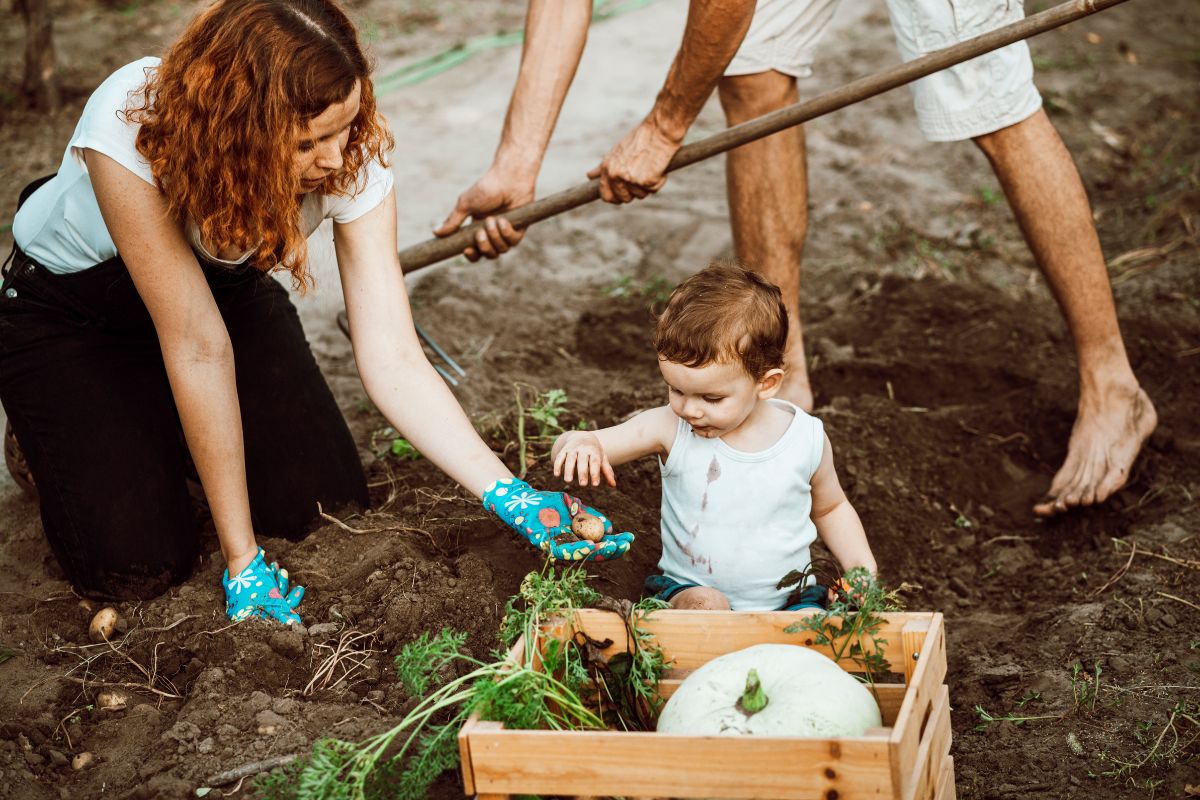
A vegetable garden is one of the most rewarding projects for kids. Watching the plants grow from tiny seeds into edible vegetables is an exciting process that provides children with a sense of accomplishment.
Why It Teaches Responsibility
Vegetable gardens require regular care, from watering and weeding to monitoring the plants for pests. Children can be responsible for a specific vegetable or section of the garden, teaching them to care for their individual plants.
As the plants grow, they can track their progress and learn about the growth cycles of different vegetables.
Simple Steps to Start
 Simple Steps to Start
Choose easy-to-grow vegetables like tomatoes, carrots, or lettuce.
Teach kids how to plant seeds, water the plants, and remove weeds.
As the vegetables mature, encourage them to help with harvesting and preparing the food.
2. Creating a Butterfly or Pollinator Garden
A butterfly or pollinator garden is a fantastic way to teach kids about ecosystems and the importance of supporting wildlife. By planting flowers that attract butterflies, bees, and other pollinators, children can learn about the role these creatures play in the environment.
Why It Teaches Responsibility
Looking after a pollinator garden teaches kids to keep the garden lively and healthy by making sure the plants have what they need to attract pollinators.
It also provides an opportunity for kids to learn about the symbiotic relationships in nature, such as how pollinators help flowers reproduce.
Simple Steps to Start
Choose plants that attract butterflies and pollinators, such as milkweed, lavender, and sunflowers.
Show kids how to plant the flowers and care for them by watering and ensuring they get enough sunlight.
Teach children how to observe the pollinators and explain their role in the ecosystem.
3. Indoor Herb Garden
 3. Indoor Herb Garden
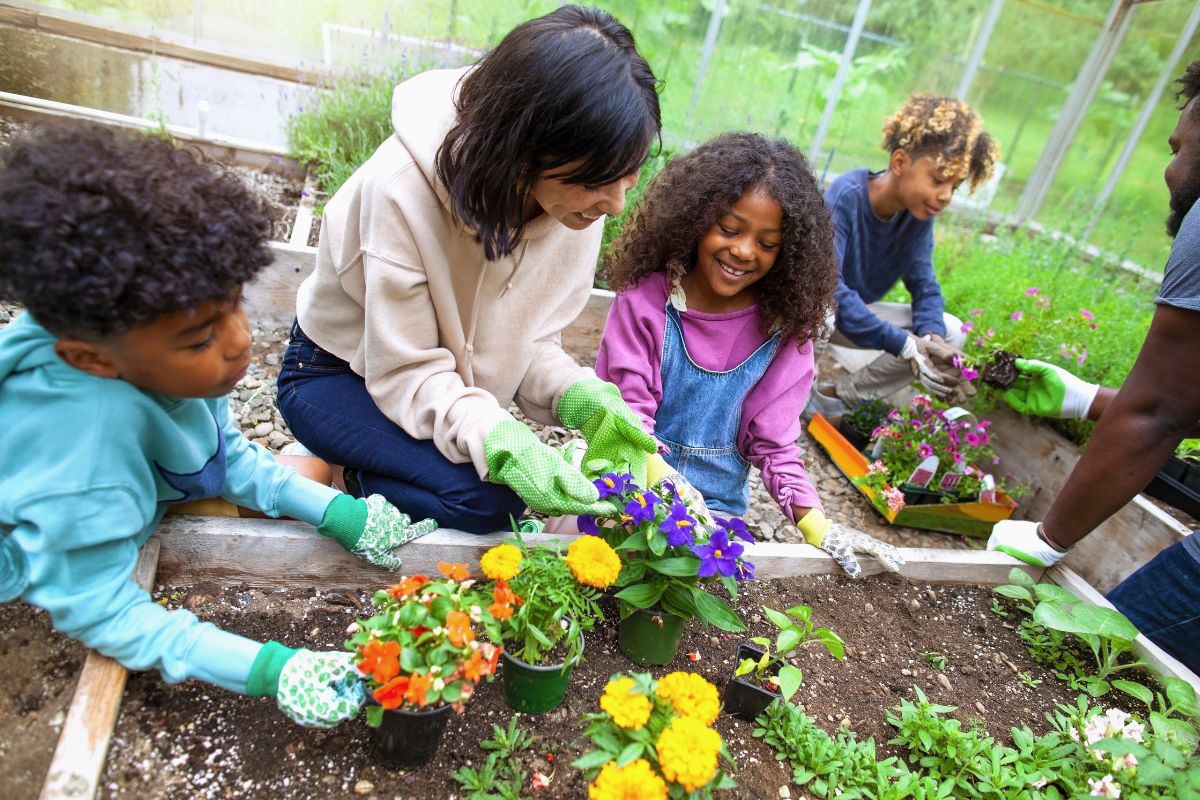
An indoor herb garden is a perfect project for families with limited outdoor space. Growing herbs like basil, mint, and parsley indoors teaches children the basics of gardening without needing a large garden plot.
Why It Teaches Responsibility
An indoor herb garden requires daily attention to watering and ensuring the plants get enough sunlight. It also teaches kids about self-sufficiency as they can use the herbs in cooking, making them feel like they’re contributing to the family’s meals.
Simple Steps to Start
Use small containers or pots to grow herbs indoors.
Involve kids in planting the seeds or seedlings and teach them how to care for the plants.
As the herbs grow, encourage kids to use them in cooking, such as adding fresh basil to pasta or mint to drinks.
4. DIY Terrariums
Creating a terrarium is a creative and fun gardening project that can teach children about plant care in a controlled, miniature environment. Terrariums are perfect for kids who want to experiment with growing plants indoors.
Why It Teaches Responsibility
 Why It Teaches Responsibility
Terrariums require regular care, but they are also a bit more self-contained than larger gardens. Children will learn how to monitor the humidity, watering needs, and sunlight for the plants inside the terrarium.
It’s a great way to teach responsibility while allowing kids to get creative with the design of their little garden.
Simple Steps to Start
Choose small plants that thrive in enclosed spaces, such as succulents, air plants, or ferns.
Provide kids with materials like glass jars or containers, small rocks, and soil.
Teach kids how to layer the materials in the jar, plant the plants, and maintain the right conditions.
5. Seed Starting and Planting Projects
Starting seeds indoors is a great way to engage kids in the gardening process early in the season. They can start seeds in small pots or egg cartons and watch as the tiny plants sprout and grow. Once the plants are strong enough, kids can help transplant them into the garden.
Why It Teaches Responsibility
Starting seeds requires patience and regular care, as kids must monitor the seeds for growth and ensure they get the right amount of water and sunlight. This hands-on experience gives them a sense of ownership over the process of nurturing plants from seed to full-grown garden.
Simple Steps to Start
Choose seeds that are easy to grow, such as sunflowers, zinnias, or peas.
Have kids fill small pots with soil, plant the seeds, and keep track of their growth.
Once the seedlings are ready, involve kids in transplanting them into the garden or outdoor pots.
Nurturing Responsibility Through Gardening
 Nurturing Responsibility Through Gardening
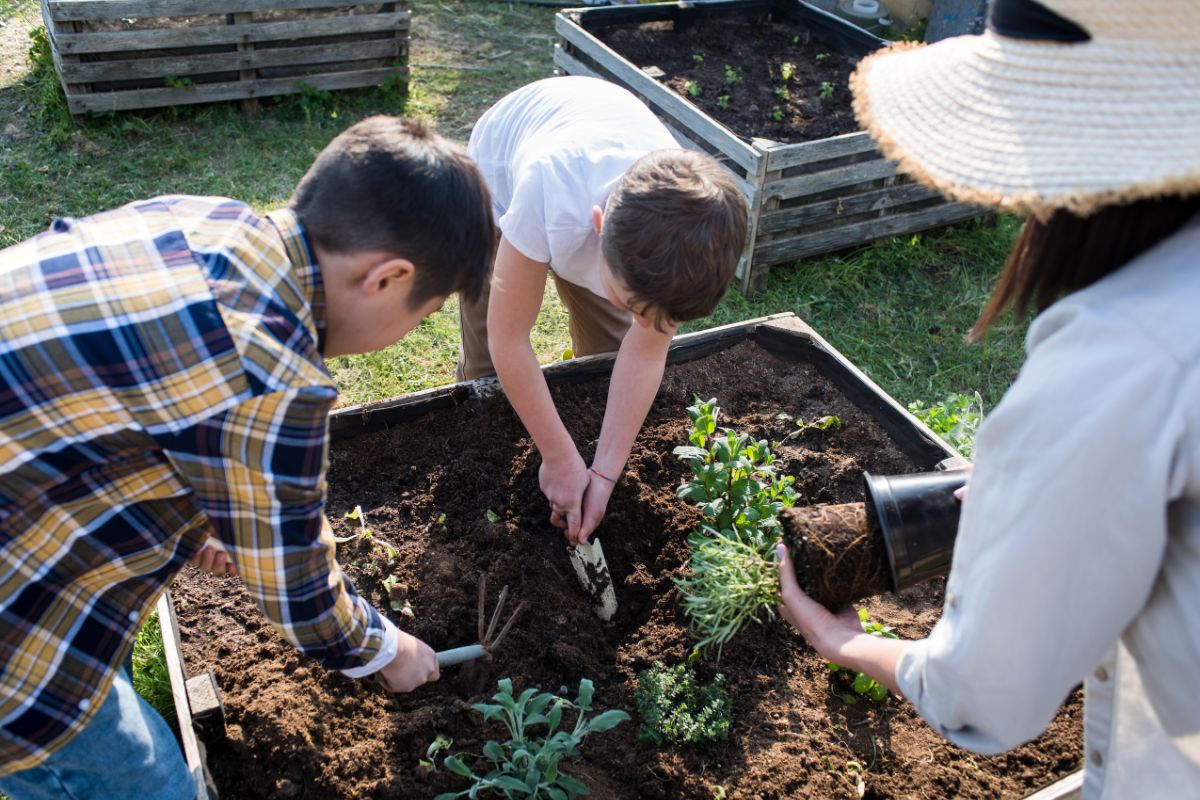
All in all, gardening gives you lots of chances to teach kids useful lessons about responsibility, patience and care.
Whether it’s growing a vegetable garden, creating a pollinator-friendly space, or starting a simple herb garden indoors, gardening projects provide children with the tools they need to learn about the environment and the rewards of hard work.
These projects encourage them to take ownership of their actions, care for living things, and watch as their efforts lead to tangible results.
By making gardening a regular family activity, you not only build a beautiful garden together but also nurture responsible, environmentally-conscious children.
Did you find this post useful or inspiring? Save THIS PIN to your PARENTING Board on Pinterest! 😊


You may also like