
The Power of Family Meal Times for Building Stronger Bonds
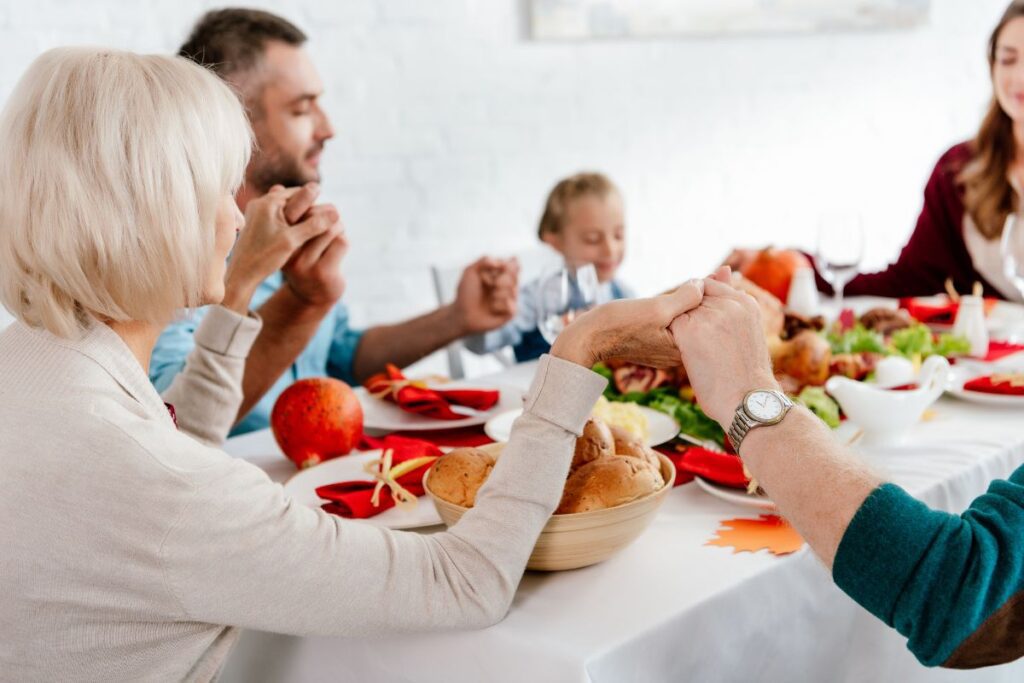
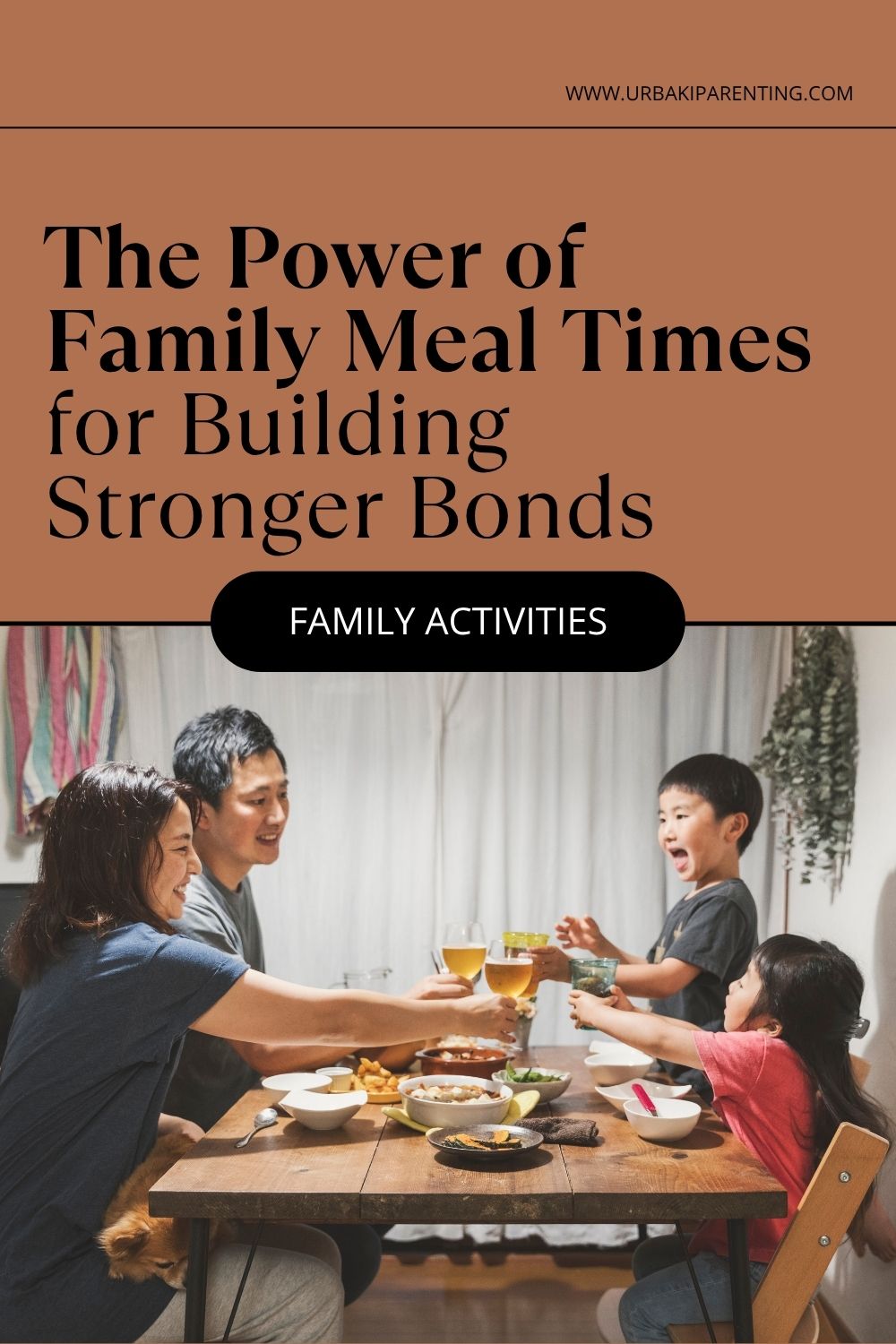
Sharing a table is one of the most easiest, most human ways to connect. When we sit down to eat together—phones away, eyes up—we create a small daily ritual that tells everyone, you belong here.
Family meals do not require elaborate recipes or long schedules. What matters most is the consistent moment of togetherness where conversation replaces distraction, and presence replaces hurry.
The Social Glue of Eating Together
Where Stories and Support Flow Naturally
Food opens the door to conversation. A warm plate and a relaxed pace help children and adults share what really happened in their day—the good, the awkward, and the confusing.
These small exchanges build trust and emotional safety, making it easier to ask for help when life gets complicated. Over time, shared meals become predictable anchors that steady the whole family.
Roles, Responsibility, and a Sense of “Us”
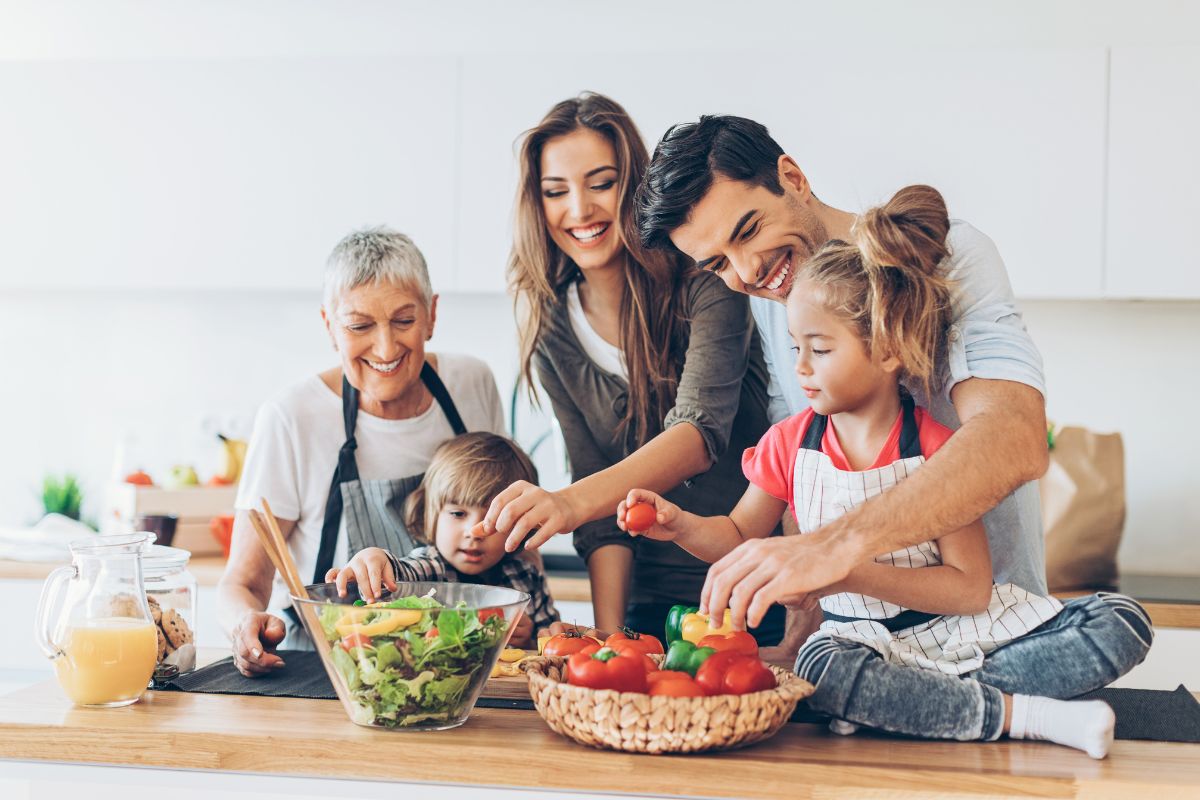
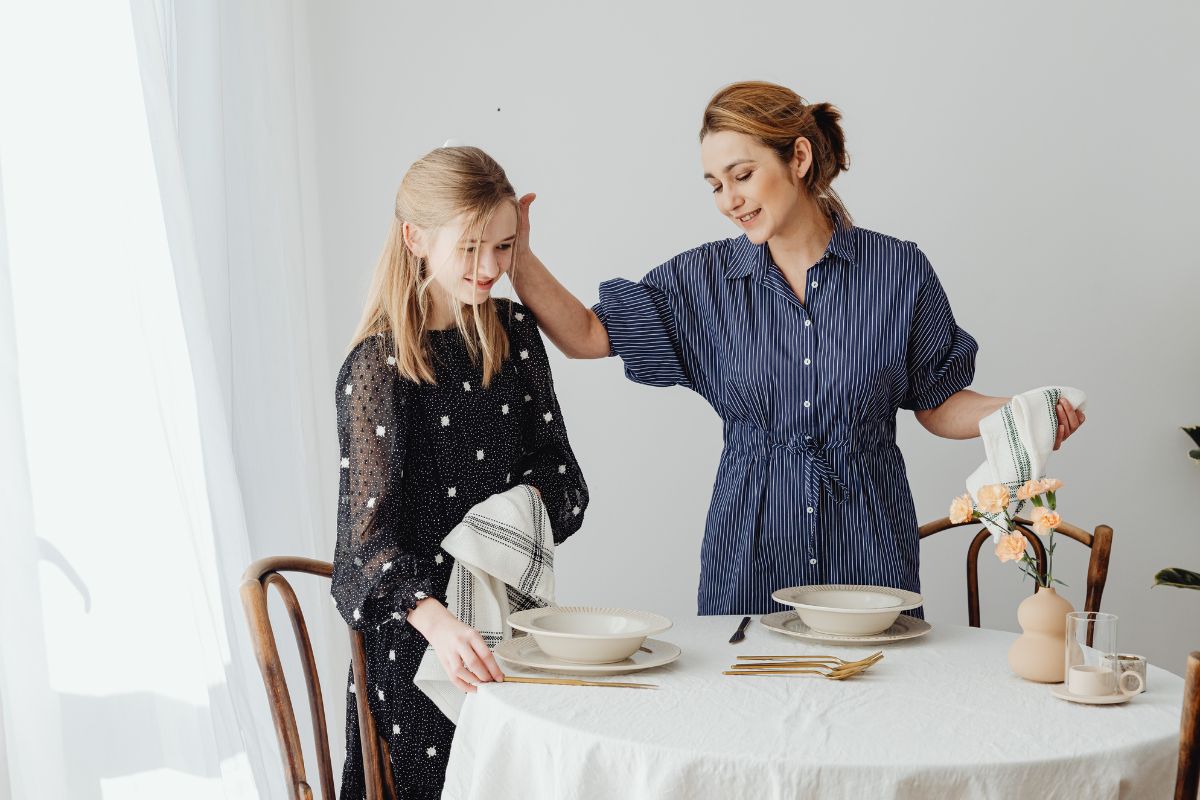
Inviting everyone to help—washing vegetables, setting the table, pouring water—creates shared ownership.
Young children develop independence and fine motor skills; teens learn time management and kitchen confidence; adults feel less of the burden to do it all.
When each person contributes, even in tiny ways, the meal becomes our meal, not just another task for one person.
 Communication Skills That Last a Lifetime
Listening That Builds Understanding
Mealtime is a daily practice in active listening.
Parents model curiosity with open-ended prompts: “What made you smile today?” or “What challenged you?” Children see that their thoughts matter, learning to listen in return.
As a result, disagreements soften, misunderstandings are cleared up early, and empathy grows naturally.
Language, Confidence, and Critical Thinking
Talking around the table strengthens language development, vocabulary, and storytelling.
Kids who have regular conversations at home learn to articulate ideas, ask follow-up questions, and express feelings with confidence.
This is not about perfect grammar; it is about finding a voice and knowing it will be heard.
 Emotional Health Benefits You Can Feel
Stress Down, Connection Up
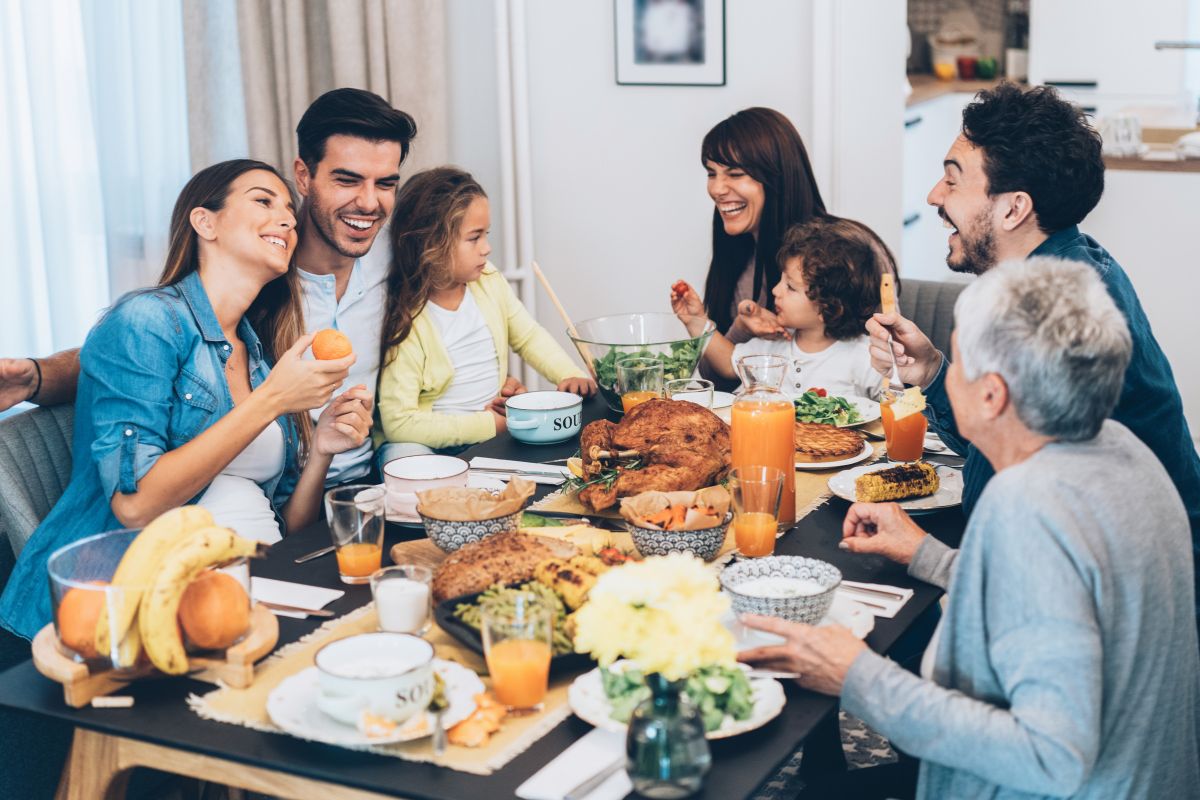
A familiar routine reduces anxiety. Even quick weeknight dinners offer a sense of predictability and calm after busy days.
When people feel seen and included, stress levels drop and resilience increases.
Families facing tough seasons—new schools, job changes, or health challenges—often find that mealtimes become reliable islands of comfort.
Belonging That Protects and Encourages
Children who grow up with regular family meals often show stronger self-esteem and healthier coping skills.
Adults benefit too; the act of pausing, eating slowly, and being with loved ones supports mindful eating and reduces mindless snacking.
The table becomes a place for encouragement and gentle accountability, not judgment.
 Practical Ways to Make It Work (Without Perfection)
Start Small and Keep It Real
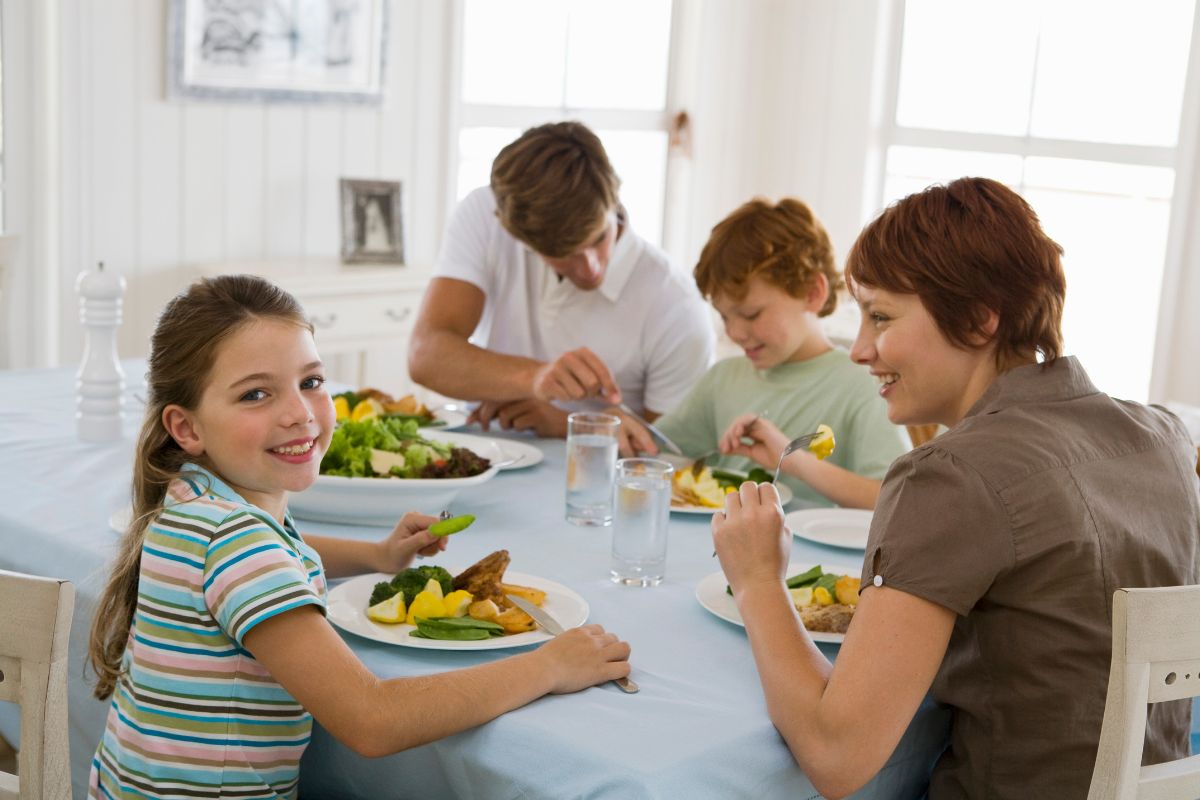
Perfection is not the goal—consistency is. If nightly dinners feel impossible, aim for three shared meals a week, including breakfasts or weekend lunches.
A pot of soup, a sandwich night, or takeout served on plates all count. What matters is showing up together.
Protect the Space From Distractions
Create a few caring rules that everyone understands: no phones on the table, no TV in the background, and a commitment to kind conversation.
Light a candle, put on soft music, or add a simple centerpiece to signal, this is our time. These small cues help the brain slow down and prepare for connection.
Share the Work Fairly
Rotate a few roles so everyone participates: a “menu helper,” a “table captain,” a “timekeeper,” and a “clean-up buddy.”
Even fifteen minutes of prep can transform the atmosphere from rushed to relational. By spreading responsibility, you also model teamwork and respect.
 Conversation That Brings People Closer
Questions That Spark Warmth
Skip yes/no questions and try gentle prompts:
“What surprised you today?”
“What are you looking forward to tomorrow?”
“Where did you feel brave?”
These prompts encourage reflection and gratitude, inviting quieter voices into the circle.
If someone is not ready to talk, let them pass without pressure. Mealtimes should be inviting, not interrogating.
Celebrate Small Wins and Everyday Moments
Make a point to name little victories—finishing a project, making a new friend, trying a new food.
Pair that with thank-yous: “Thanks for doing the dishes,” or “I noticed you helped your sister today.” This routine builds a culture where effort is noticed and kindness matters.
 Nutrition, Habits, and a Healthier Home
Better Choices Without Strict Rules
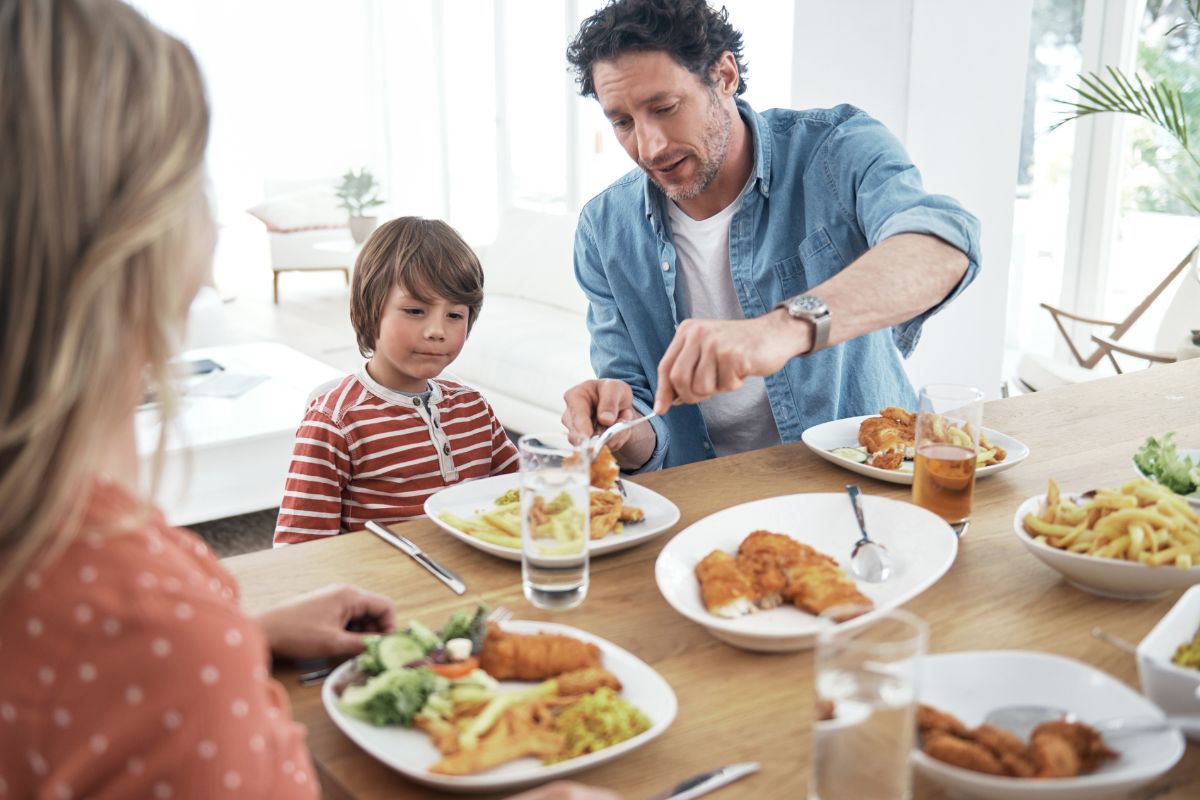
When meals are shared, families tend to eat more fruits and vegetables and rely less on ultra-processed snacks. Children exposed to a variety of foods in a low-pressure setting become more adventurous eaters over time.
Keep portions flexible, avoid commenting on bodies, and focus on listening to hunger and fullness cues—habits that support long-term health.
Modeling Balance and Flexibility
Parents and caregivers are powerful role models. Showing that it is okay to have seconds when hungry, to stop eating when full, and to enjoy dessert without guilt teaches balance.
A relaxed approach reduces food battles and encourages a healthier relationship with eating.
 Making Space for Every Stage and Structure
For Busy Families and Blended Households
If schedules collide, try standing “meet-up” times—for example, Monday dinners, Wednesday breakfasts, and Sunday brunch.
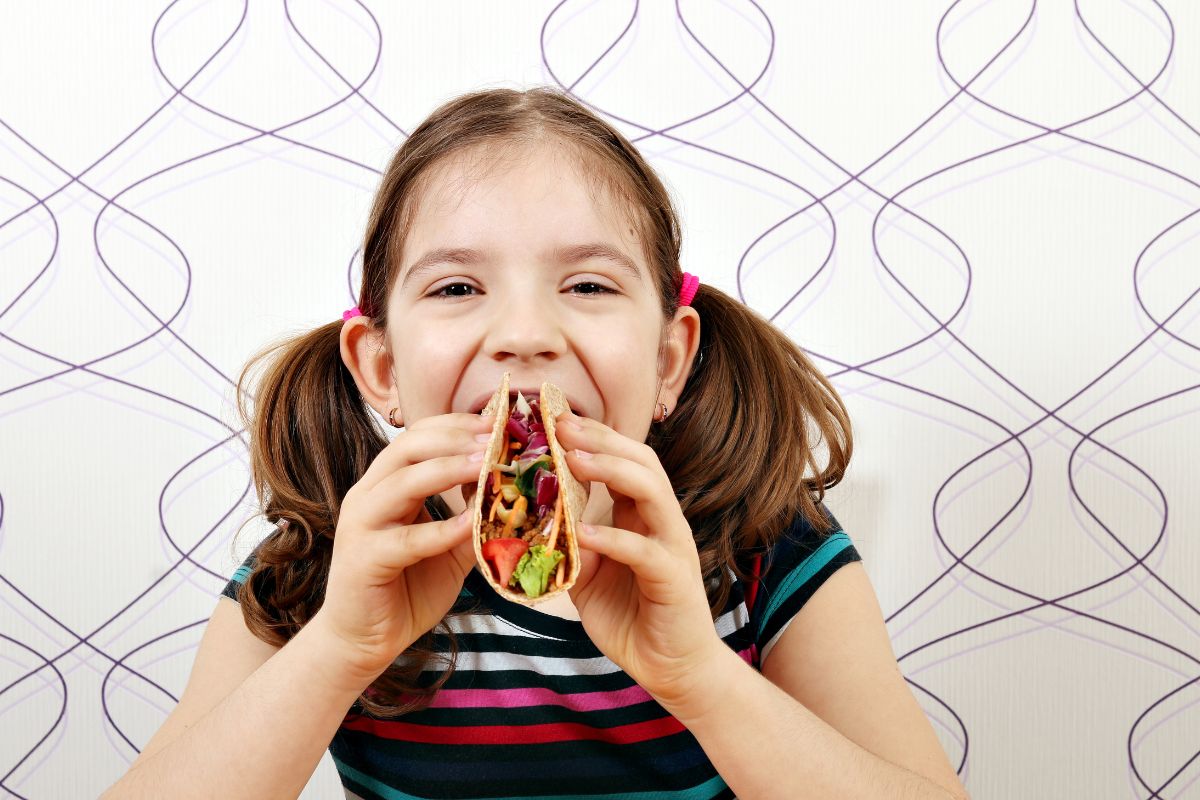
In blended or multi-home families, use a shared calendar and keep traditions simple: a weekly pasta night, taco Tuesday, or pancake Saturday. Rituals do not need to be fancy to feel solid and meaningful.
For Toddlers, Tweens, and Teens
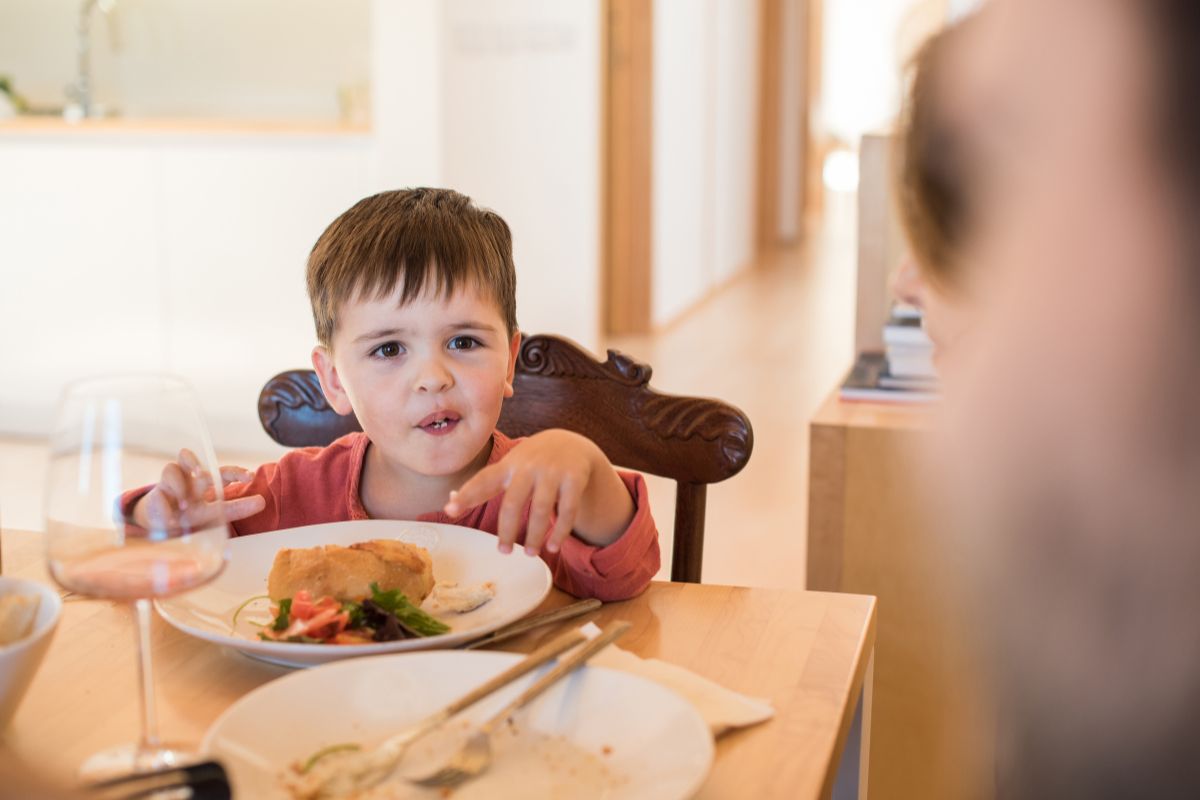
With toddlers, keep meals short and playful—name colors, count bites, and celebrate trying new textures. Tweens often enjoy helping cook or choosing music.
Teens might resist at first, but giving them a role—planning a dish, inviting a friend, or picking the topic—helps them feel respected and included.
 Troubleshooting Common Bumps
When Conversations Get Tense
If debates heat up, take a breath and reset with a neutral topic or a quick gratitude round. It is fine to table sensitive issues for later. Protect the table as a safe, judgment-free zone where everyone can relax.
When Attendance Slips
Life happens. If a week goes sideways, do not abandon the habit—reboot gently. Even a ten-minute toast and fruit plate can keep the rhythm alive. Remember, frequency matters more than length.
A Tradition Worth Keeping
From Ordinary Plates to Extraordinary Connection
Family meals are not about perfect menus or spotless kitchens. They are about building a reliable circle of care—one plate, one story, one evening at a time.
When we commit to this simple ritual, we strengthen communication, confidence, and belonging across generations.
Start with what you have, invite everyone to the table, and let the conversation do the rest.
Closing Reflection: Gather, Share, Remember
Meals end, but their impact lingers. The jokes retold, the worries eased, the quiet moments of being known—these are the threads that hold families together when life gets loud.
Keep showing up. Keep passing the bread. Keep making space for one another, because every shared table is a chance to turn ordinary time into lasting connection.
Did you find this post useful or inspiring? Save THIS PIN to your PARENTING Board on Pinterest! 😊

You may also like