
How to Encourage Positive Behavior in Children
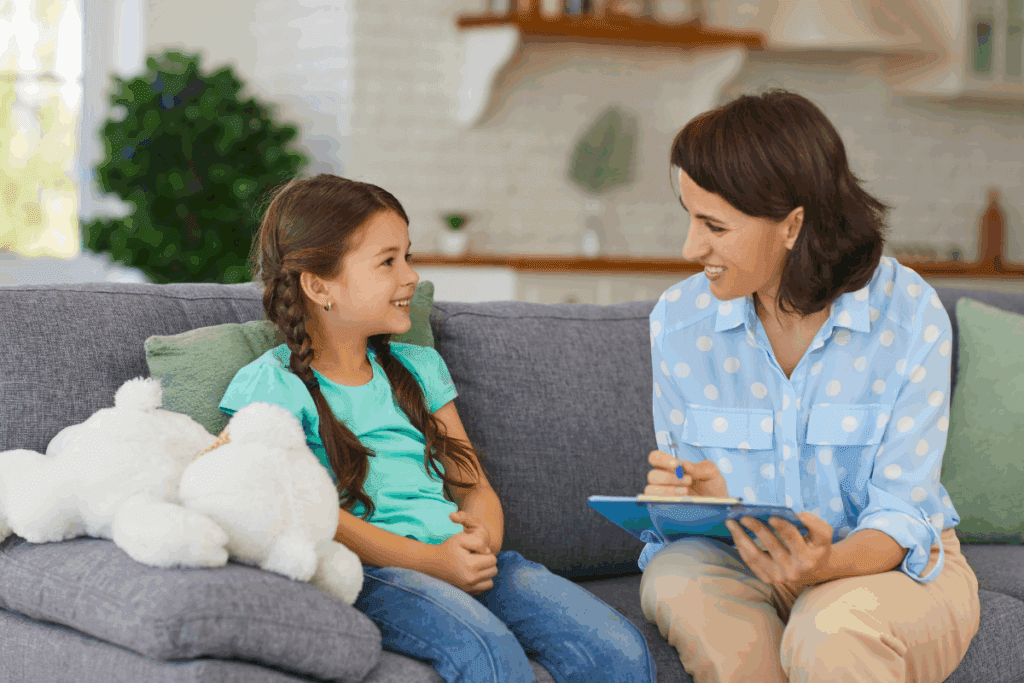
As a parent, fostering positive behavior in your child is essential for their development and well-being. Encouraging good habits, social skills, and respectful behavior helps your child grow into a confident, compassionate, and responsible individual.
However, shaping behavior in children can sometimes be challenging, especially when they are testing boundaries or struggling to express their emotions.
In this article, we’ll explore practical strategies for encouraging positive behavior in children that can benefit both parents and kids alike.
Why Positive Behavior Matters
Before diving into specific strategies, it’s helpful to understand the importance of promoting positive behavior in children. Positive behavior sets the foundation for:
Strong Relationships: Children who learn to communicate and behave positively tend to build better relationships with peers, teachers, and family members.
Emotional Development: Encouraging positive behavior helps children learn to manage their emotions and navigate social situations in healthy ways.
Self-Confidence and Independence: Positive reinforcement fosters self-esteem by encouraging children to recognize their abilities and make good choices on their own.
Long-Term Success: Learning positive behavior early in life lays the groundwork for future success in school, work, and personal relationships.
 Set Clear Expectations
 Set Clear Expectations
Setting clear and consistent expectations for your child is a fundamental step in encouraging positive behavior. Children thrive when they know what is expected of them, and when they have clear guidelines to follow.
Use Simple, Age-Appropriate Instructions
When setting expectations, it’s important to communicate in a way that’s easy for your child to understand. For example, use short, clear sentences when explaining what you expect. Instead of saying, “Be good,” specify the behavior: “Please share your toys with your sister.”
For younger children, visual reminders like pictures or charts can also help reinforce positive behavior.
Establish Routine and Consistency
Children benefit from a consistent routine where they know what to expect throughout the day.
Consistency in rules, bedtime, and other activities creates a sense of security and helps children understand that certain behaviors are expected all the time, not just occasionally.
For example, if you’ve established that it’s time for quiet reading after dinner, stick to that routine daily.
Reinforce Positive Behavior
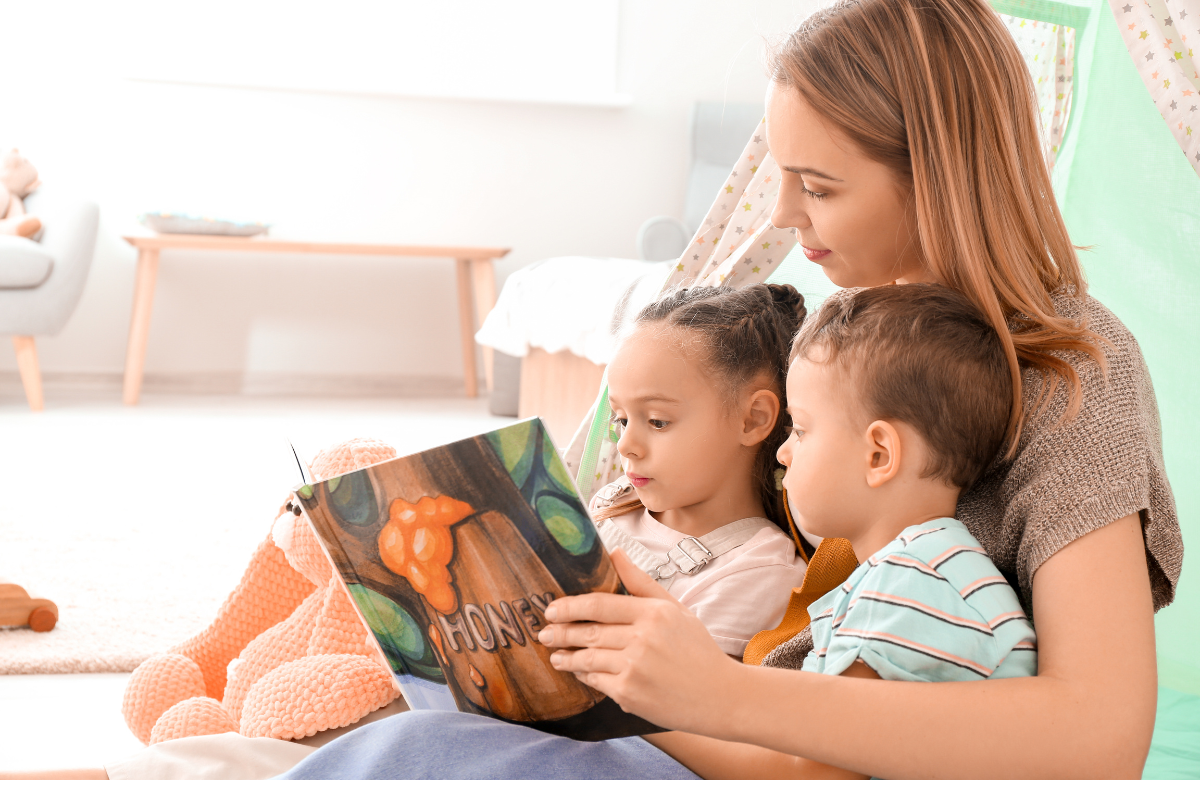 Reinforce Positive Behavior
Positive reinforcement is one of the most effective ways to encourage good behavior. Praising your child when they display positive actions helps them understand that those behaviors are valued and appreciated.
Praise Efforts, Not Just Results
It’s important to praise the effort your child puts into an activity, not just the outcome. For instance, instead of saying, “You did a great job finishing your homework,” try saying, “I’m so proud of how hard you worked on your homework today.”
This reinforces the idea that effort and perseverance are valued, not just success.
Use Specific Praise
Instead of offering generic praise like “Good job,” be specific about what you are praising. For example, “I love how you helped your brother clean up the toys without being asked” is more meaningful and helps your child understand exactly which behavior you’re rewarding.
Offer Small Rewards
Rewards don’t have to be material things—sometimes verbal praise or quality time is enough. However, offering small rewards, like a sticker or a special outing, for consistently positive behavior can motivate your child to keep up the good habits.
Make sure the reward is linked to the behavior you want to encourage.
Model Positive Behavior
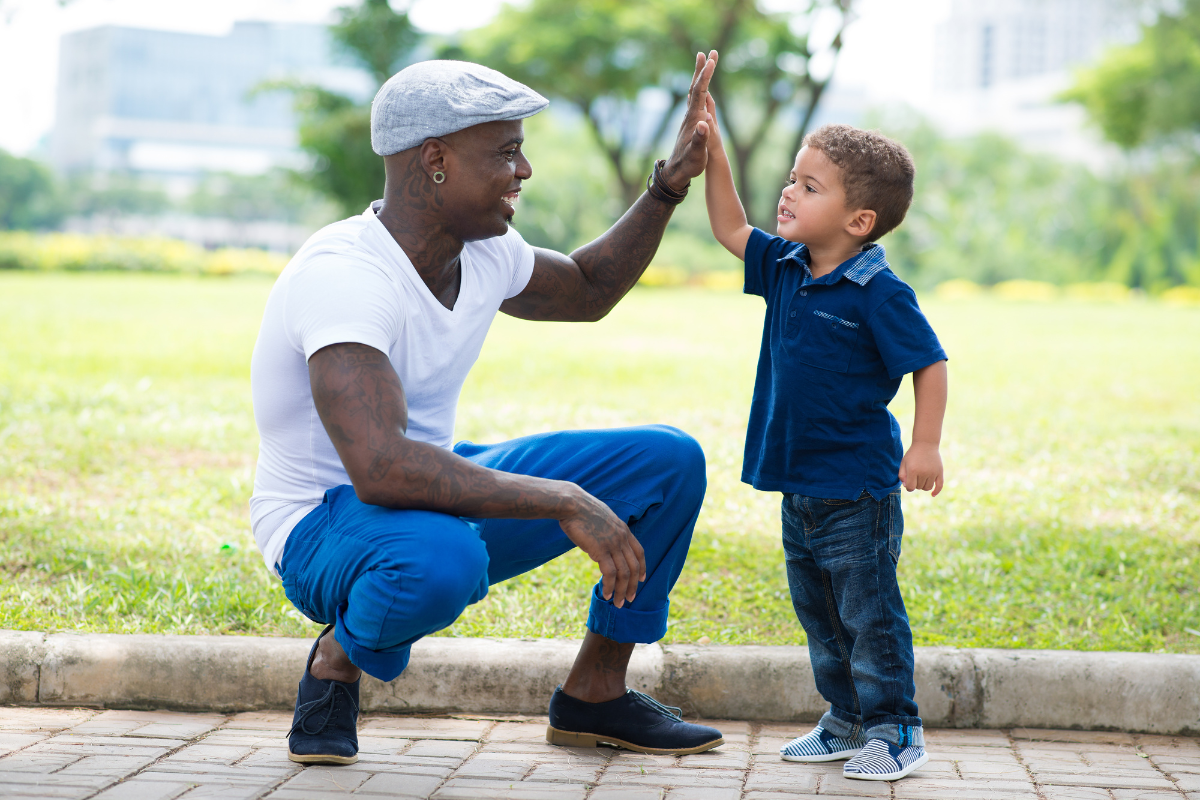 Model Positive Behavior
Children are incredibly observant and often imitate the behaviors they see in their parents. Modeling positive behavior is one of the most effective ways to teach your child how to behave.
Demonstrate Respect and Kindness
Treat others with respect, kindness, and patience. If your child sees you using polite language, listening actively, and showing empathy, they are more likely to adopt these behaviors themselves.
For example, say “please” and “thank you,” even in everyday situations, so your child can see how to use good manners.
Practice Patience and Emotional Regulation
Children learn a lot by observing how adults manage their emotions. If you remain calm when dealing with stress or frustration, your child will learn how to handle difficult emotions in a healthy way.
Practicing emotional regulation is key in teaching children how to cope with their own feelings and frustrations.
Create a Positive Environment
A positive environment encourages good behavior by making children feel secure, supported, and motivated to behave well.
Create Opportunities for Success
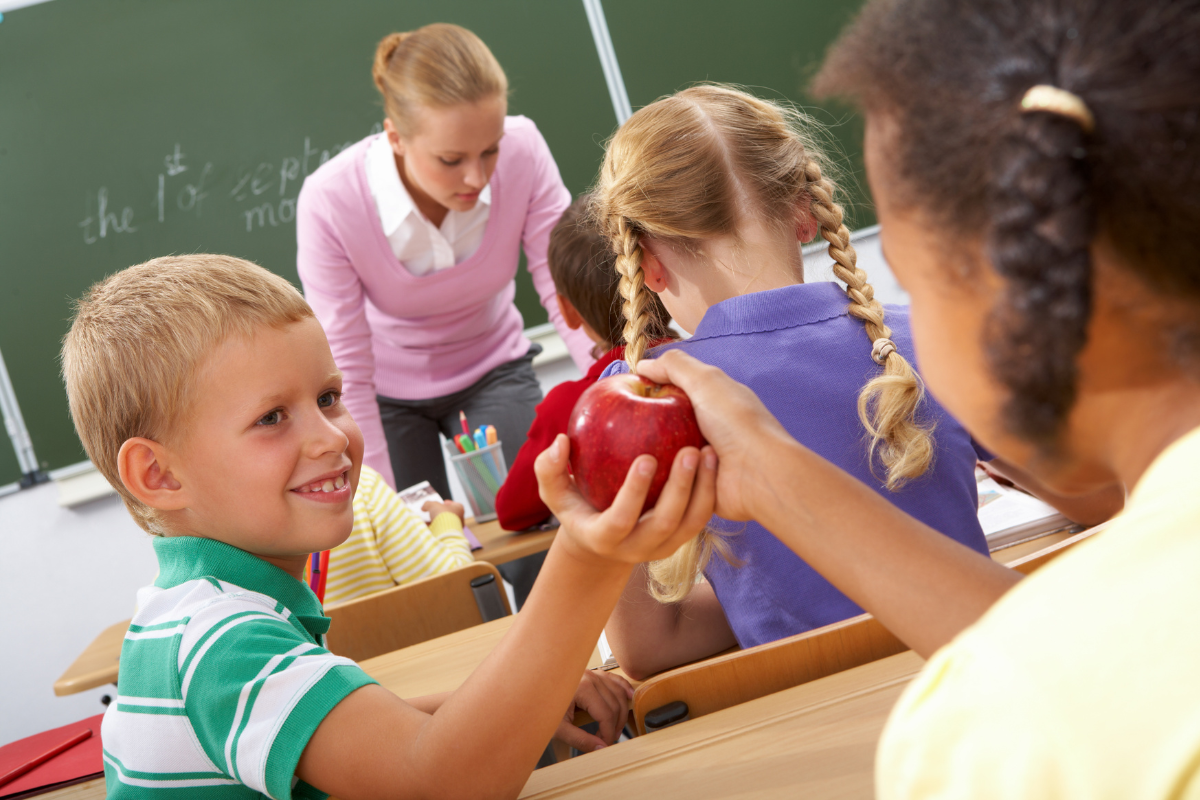 Create Opportunities for Success
Set your child up for success by providing opportunities to practice positive behaviors. For example, if your child struggles with sharing, arrange a playdate with a child who enjoys sharing toys.
Create environments where your child can practice the behaviors you want to reinforce, such as teamwork, sharing, and patience.
Provide a Safe Space for Expression
Sometimes children act out when they feel overwhelmed, tired, or misunderstood. Providing a safe space for your child to express their emotions is essential.
This could be a quiet corner with calming activities like drawing or reading, where they can take a break and regulate their emotions before rejoining the group.
Avoid Negative Reinforcement
While it’s important to correct negative behavior, it’s also important to avoid using negative reinforcement like yelling or harsh punishments. Focus on positive discipline by redirecting your child to more appropriate behavior or offering alternatives.
For example, if your child hits another child, calmly explain that hitting is not acceptable and offer a solution like using words to express their feelings.
Be Patient and Understanding
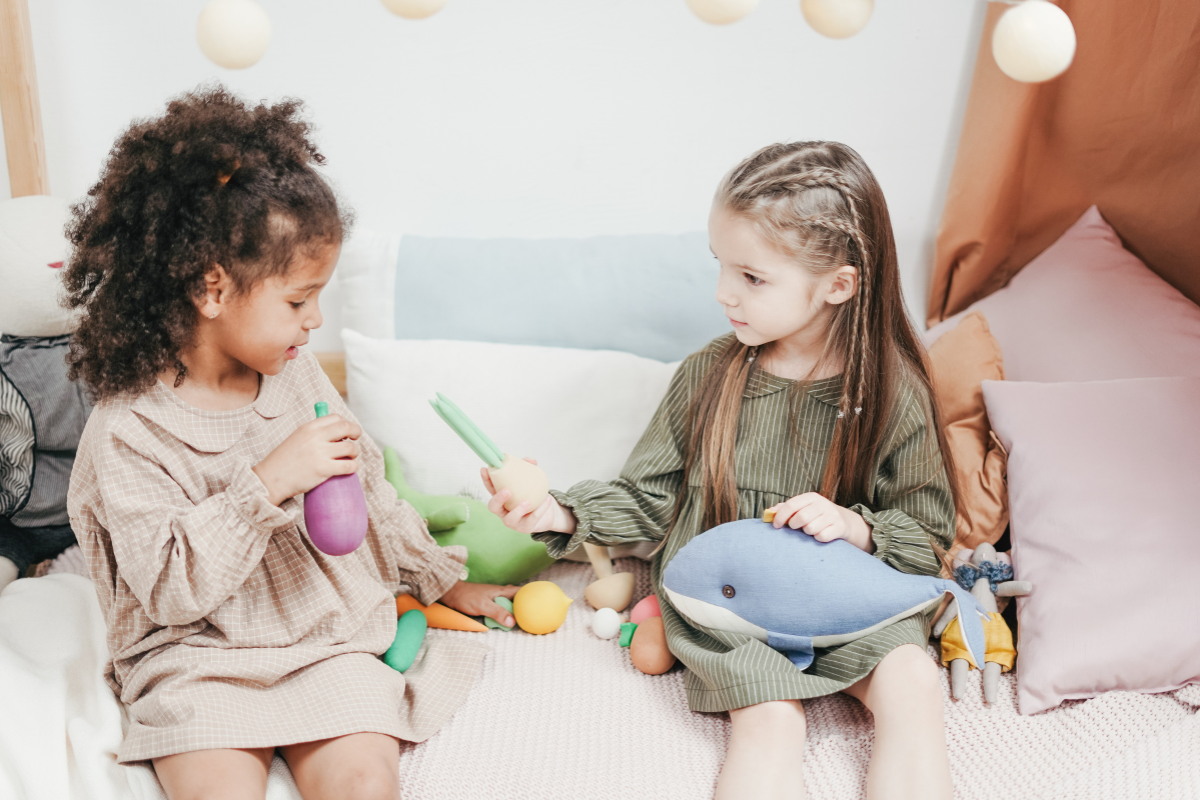 Be Patient and Understanding
Changing behavior, especially for toddlers or younger children, takes time. Be patient with your child and understand that mistakes will happen along the way. Consistency is key, and positive behavior won’t develop overnight.
Celebrate the small wins, and remember that progress is a gradual process.
Avoid Punitive Measures
Rather than focusing on punishment, focus on teaching your child better ways to behave. When you see a behavior you don’t like, offer an alternative that demonstrates the appropriate action.
For example, if your child refuses to share, encourage them by saying, “Let’s take turns with the toy,” rather than just saying “no” or taking the toy away.
Use Positive Redirection
Instead of focusing solely on what your child shouldn’t do, redirect their attention to something more positive. If they’re throwing a tantrum, calmly guide them to a different activity, such as a puzzle or a favorite toy, to help shift their focus.
Building a Foundation for Positive Behavior
Encouraging positive behavior in children is an ongoing journey that requires patience, consistency, and a deep understanding of your child’s developmental needs.
By setting clear expectations, modeling appropriate behaviors, reinforcing good actions, and providing a positive environment, you help your child build a foundation of respect, self-regulation, and empathy.
With time and dedication, these efforts will not only improve your child’s behavior but also strengthen your relationship with them, making your parenting experience more fulfilling and positive.
Did you find this post useful or inspiring? Save THIS PIN to your PARENTING Board on Pinterest! 😊

You may also like