
How to Encourage Your Child’s Emotional Intelligence

Emotional intelligence (EI) is a vital skill that influences how children understand their feelings, manage relationships, and navigate social situations.
Developing EI early in life supports resilience, empathy, and effective communication—qualities that contribute to success both in childhood and adulthood.
As a parent, you play a crucial role in nurturing your child’s emotional intelligence by modeling healthy behaviors, providing guidance, and creating a supportive environment.
In this article, we’ll explore practical ways to encourage your child’s emotional intelligence and help them thrive emotionally and socially.
What is Emotional Intelligence?
Emotional intelligence refers to the ability to recognize, understand, manage, and express emotions effectively. It also involves perceiving the emotions of others and responding with empathy. For children, developing EI means learning to:
Identify their own emotions
Communicate feelings clearly
Regulate emotional responses
Develop empathy and social skills
Resolve conflicts constructively
These skills form the foundation for healthy relationships and mental well-being.
 Why Emotional Intelligence is Important for Children
 Why Emotional Intelligence is Important for Children
Children with strong emotional intelligence are better equipped to:
Handle stress and challenges calmly
Build positive relationships with peers and adults
Show empathy and compassion
Make thoughtful decisions
Succeed academically and socially
By fostering EI, you’re helping your child build lifelong skills that support their overall happiness and success.
Model Healthy Emotional Behavior
Children learn a great deal by observing their parents. Your reactions to emotions set the tone for how your child will respond to their own feelings.
Express Your Feelings Openly
Share your emotions in appropriate ways. For example, say, “I’m feeling frustrated right now, so I’m going to take a deep breath.” This teaches your child that emotions are normal and manageable.
Demonstrate Healthy Coping Strategies
 Demonstrate Healthy Coping Strategies
Show your child how you calm yourself when upset, such as through deep breathing, taking a break, or talking about feelings. Your child will learn by example.
Teach Your Child to Identify and Name Emotions
Recognizing emotions is the first step toward emotional intelligence.
Use Emotion Words Regularly
Help your child build a vocabulary for feelings by labeling emotions during daily interactions: “You look happy playing with your friend,” or “It seems like you’re feeling sad because your toy broke.”
Read Books About Emotions
Children’s books that explore feelings are excellent tools. They encourage conversation and help children relate to different emotions and situations.
Use Visual Aids
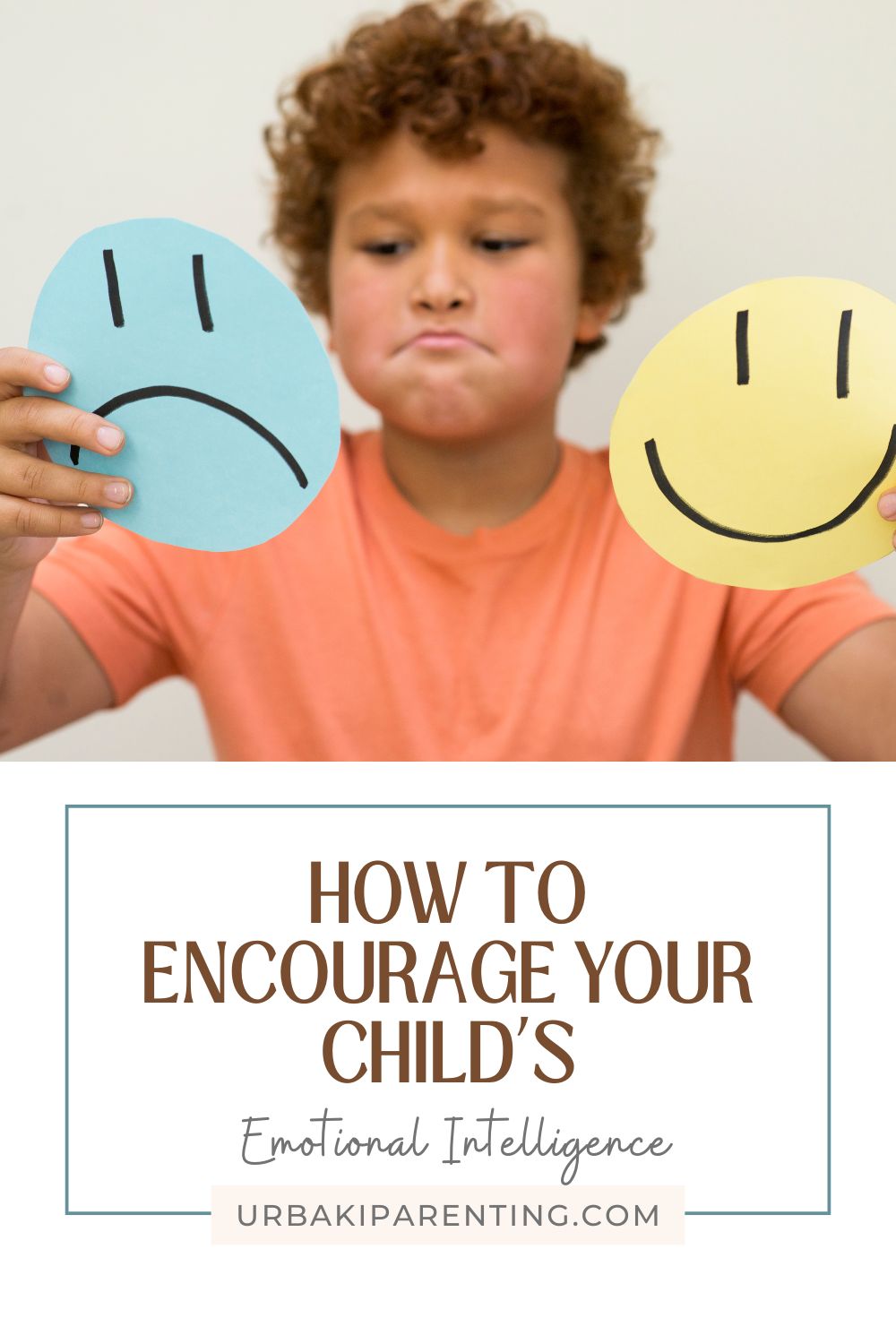
Charts or flashcards showing faces with different expressions can assist young children in identifying emotions.
Encourage Emotional Expression
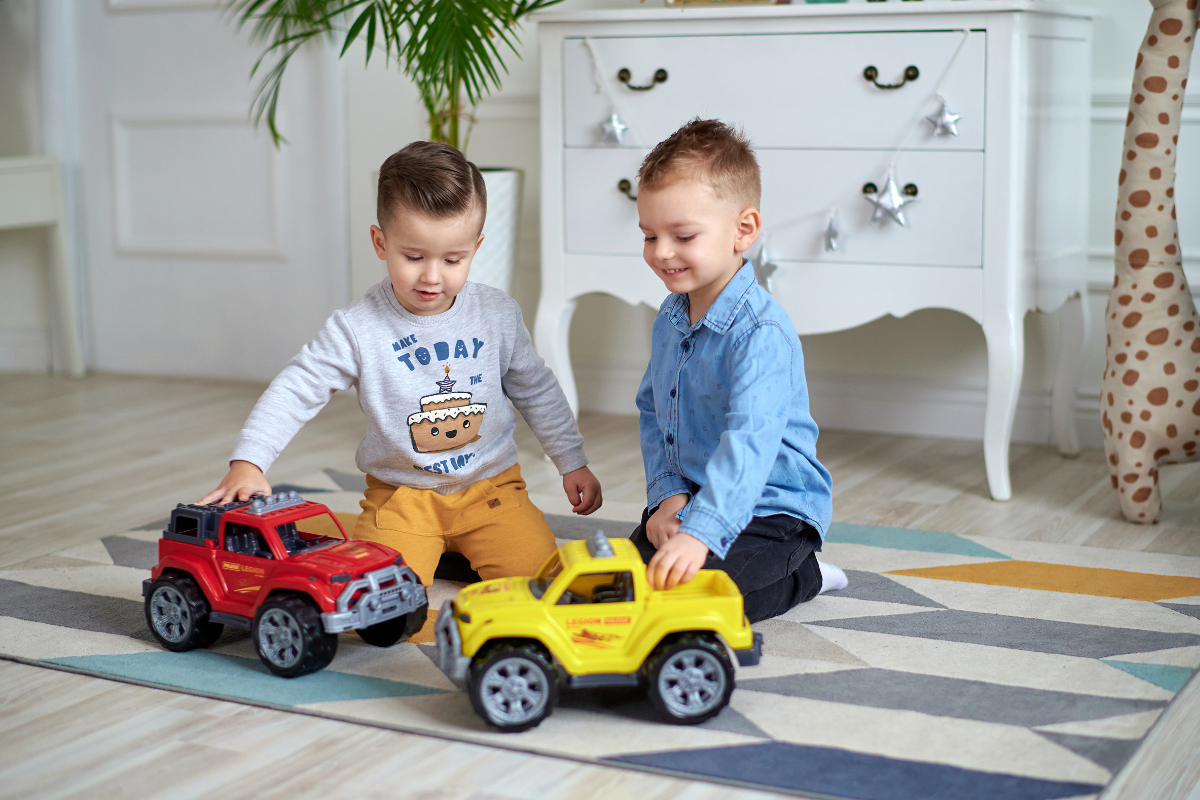 Encourage Emotional Expression
Creating a safe space for your child to share feelings builds trust and self-awareness.
Validate Their Feelings
Acknowledge your child’s emotions without judgment. Saying “It’s okay to feel angry” or “I understand you’re scared” helps children feel heard and accepted.
Ask Open-Ended Questions
Encourage your child to talk about their feelings with questions like “What made you feel that way?” or “How can we make it better?”
Encourage Creative Outlets
Activities like drawing, storytelling, or role-playing allow children to express emotions in healthy, imaginative ways.
Teach Emotion Regulation Skills
Helping your child manage their emotions is critical to developing EI.
Introduce Calming Techniques
Teach strategies such as deep breathing, counting to ten, or using a “calm down” corner where your child can take a break when overwhelmed.
Practice Problem-Solving Together
 Practice Problem-Solving Together
Guide your child in thinking through solutions when they face frustrating situations, helping them respond thoughtfully instead of reacting impulsively.
Set Clear and Consistent Boundaries
Clear expectations about behavior provide security and help children learn self-control.
Foster Empathy and Social Skills
Emotional intelligence is not just about self-awareness but also about understanding others.
Model Empathy
Show empathy in your interactions with others, and explain your feelings and actions: “I can see you’re upset, and I want to help.”

Encourage Sharing and Cooperation
Create opportunities for your child to play and work with peers, which helps develop perspective-taking and cooperation skills.
Discuss Other People’s Feelings
Talk about how actions can affect others’ emotions and encourage kindness and respect.
Reinforce Positive Emotional Behavior
Consistent encouragement helps children internalize emotional intelligence skills.
Praise Emotional Effort
Recognize when your child expresses feelings appropriately or handles a tough situation well. For example, “I’m proud of how you stayed calm and talked about your feelings.”
Use Positive Reinforcement
Rewards, stickers, or extra playtime can motivate your child to practice emotional skills.
When to Seek Professional Support
If you notice your child struggles significantly with emotions, such as extreme mood swings, difficulty connecting socially, or prolonged anxiety, consider consulting a pediatrician or child psychologist. Early support can make a meaningful difference.
Empowering Your Child with Emotional Intelligence
Encouraging your child’s emotional intelligence equips them with essential tools for life.
Through modeling, teaching emotional awareness, fostering empathy, and guiding emotional regulation, you create a supportive environment where your child can grow into a confident, compassionate, and resilient individual.
Remember, emotional intelligence is a journey, not a destination—it develops over time with patience, practice, and love. By nurturing these skills early, you’re setting your child up for success in relationships, school, and beyond.
Did you find this post useful or inspiring? Save THIS PIN to your PARENTING Board on Pinterest! 😊

You may also like