
How to Handle Separation Anxiety in Children

Separation anxiety is a normal part of child development, but it can be challenging for both parents and children.
Whether it’s the first day of school, a new babysitter, or a family member leaving for work, children may experience distress when they are separated from their caregivers.
As a parent, understanding the causes of separation anxiety and how to manage it effectively can help your child feel safe, secure, and supported.
In this article, we’ll explore practical strategies for handling separation anxiety in children, easing their fears and helping them grow more confident in dealing with separation.
What is Separation Anxiety?
Separation anxiety is a common emotional response in children, typically beginning between 6 months and 3 years of age.
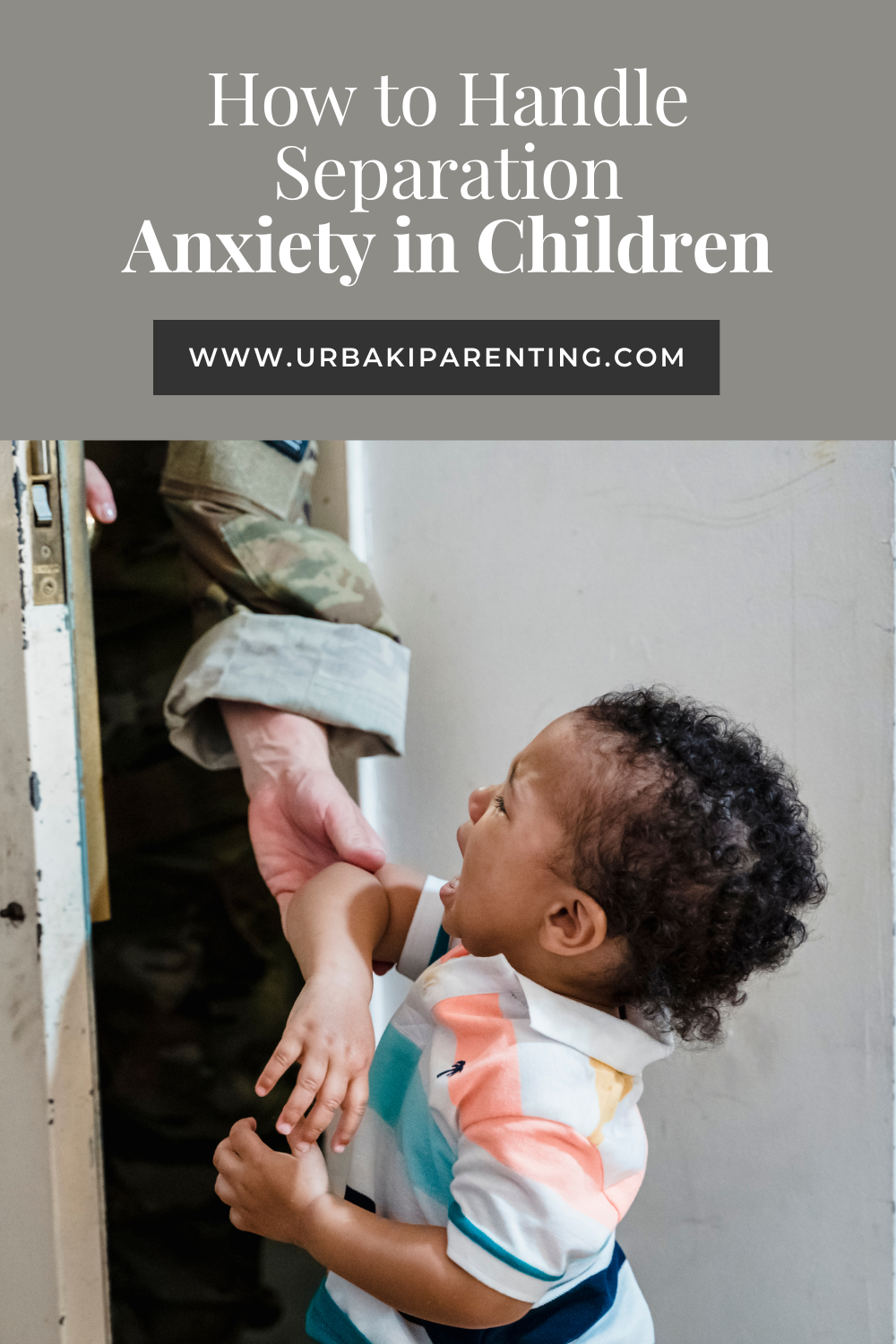
It happens when children feel distressed or fearful about being away from their primary caregivers, often accompanied by crying, clinging, or refusal to go to school or daycare.
Separation anxiety can also affect older children, especially when faced with new or unfamiliar situations.
Why Do Children Experience Separation Anxiety?
Separation anxiety is a natural developmental phase, but it can be distressing for both children and their caregivers. Here are some common reasons children experience separation anxiety:
 Developmental Changes
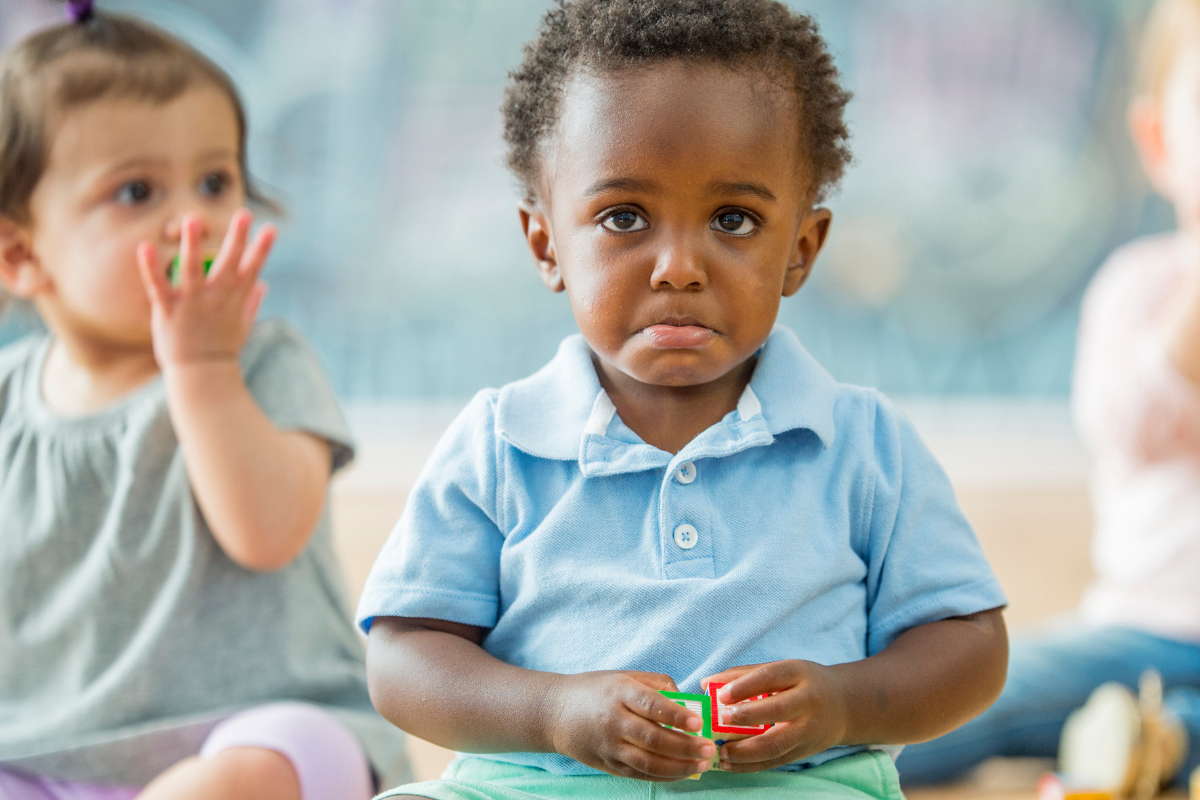 Developmental Changes
As children grow, they start to develop a greater sense of attachment to their caregivers. Around the age of 6 to 12 months, babies begin to understand the concept of object permanence—the idea that people and objects continue to exist even when they are out of sight.
As a result, they may experience anxiety when they can’t see their parents.
Fear of the Unknown
Separation can trigger feelings of insecurity, especially if the child is unfamiliar with their new environment or caregiver.
For example, the first day of school, starting daycare, or meeting a new babysitter can all be stressful events for a child, as they may feel uncertain or anxious about what will happen next.
Changes in Routine or Environment
Any significant change, such as a move to a new home, the arrival of a sibling, or changes in a child’s daily routine, can increase anxiety.
Children may struggle to adapt to new situations, causing heightened emotional responses when separated from their caregivers.
Separation Anxiety in Older Children
While separation anxiety is most common in younger children, it can also occur in older children, particularly when they face significant transitions or stress.
For example, starting school, attending a new camp, or dealing with family stress can trigger feelings of anxiety in children who are otherwise independent.
How to Handle Separation Anxiety in Children: Effective Strategies
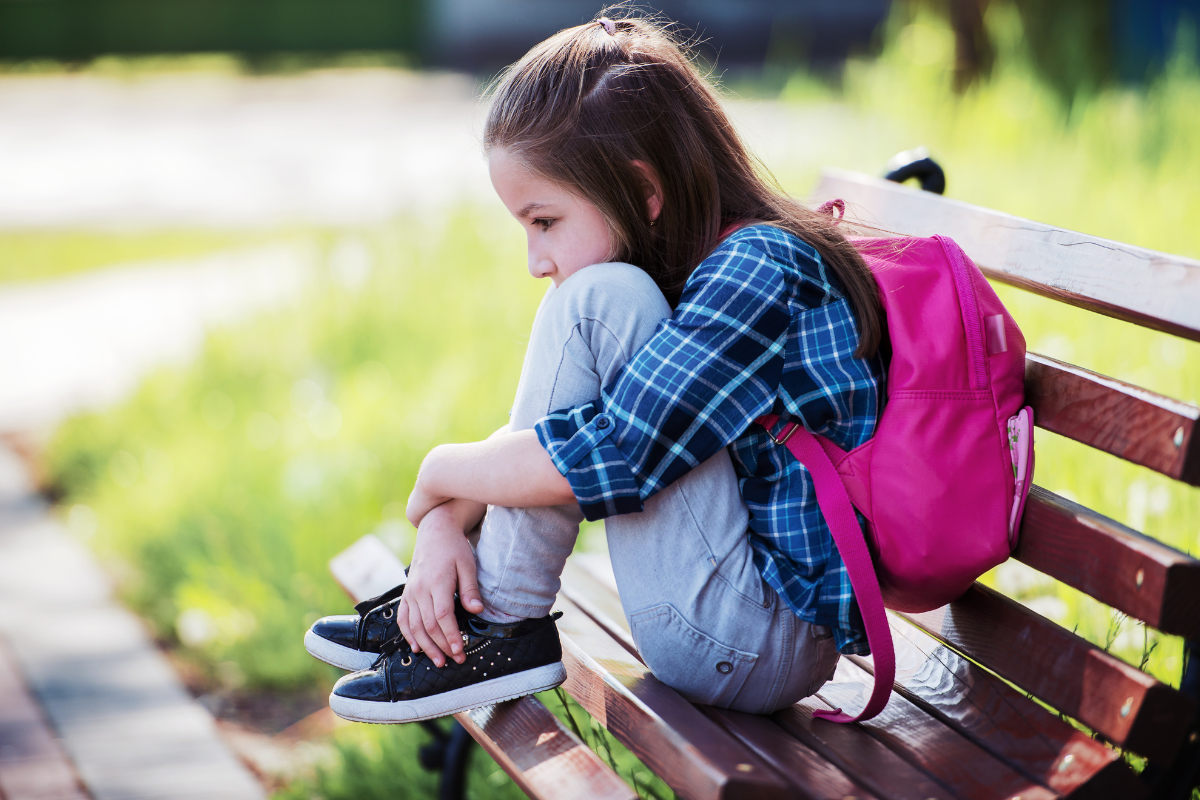 How to Handle Separation Anxiety in Children: Effective Strategies
While separation anxiety can be difficult, there are several strategies parents can use to help their child feel more comfortable during times of separation.
The goal is to create a sense of security and predictability, which will help your child gradually overcome their fears.
Establish Consistent Routines
Children thrive on routine, and consistency can significantly reduce anxiety. Establishing a regular routine, especially around times of separation (such as getting ready for school or daycare), provides a sense of predictability that helps your child feel more secure.
Create a Positive Goodbye Ritual
A consistent goodbye ritual can help ease the transition when you have to leave your child. Whether it’s a special hug, a high-five, or a phrase like “I’ll be back soon,” having a predictable goodbye routine can comfort your child. Make sure to keep goodbyes short and positive to avoid drawing out the moment.
Keep Transitions Simple
Whether it’s a move to a new daycare or the first day of school, make the transition as smooth as possible. If possible, visit the new environment with your child beforehand to help them get familiar with it.
Introduce the new caregiver gradually and allow your child to get comfortable at their own pace.
Validate Your Child’s Feelings
 Validate Your Child’s Feelings
Acknowledge your child’s anxiety and let them know that their feelings are normal and understandable. Instead of dismissing their fears with phrases like, “It’s no big deal,” try saying, “I know you’re feeling scared right now, but I’ll always come back for you.”
This approach helps your child feel heard and supported, which can make them more willing to cope with the separation.
Empathize with Your Child
By empathizing with your child’s anxiety, you’re teaching them that it’s okay to feel vulnerable and that you will be there to support them through their emotions. Offer comforting words or actions that show your child that you understand and care.
Gradually Increase Separation Time
One way to ease separation anxiety is through gradual exposure. Start with short periods of separation and gradually extend them as your child becomes more comfortable.
Practice Short Separations
If your child is struggling with separation anxiety, practice brief separations at home before facing a bigger challenge, like leaving them with a caregiver for an entire day.
Start by leaving your child with a trusted family member or friend for just a few minutes, then gradually increase the time as your child becomes more comfortable.
Encourage Independent Play
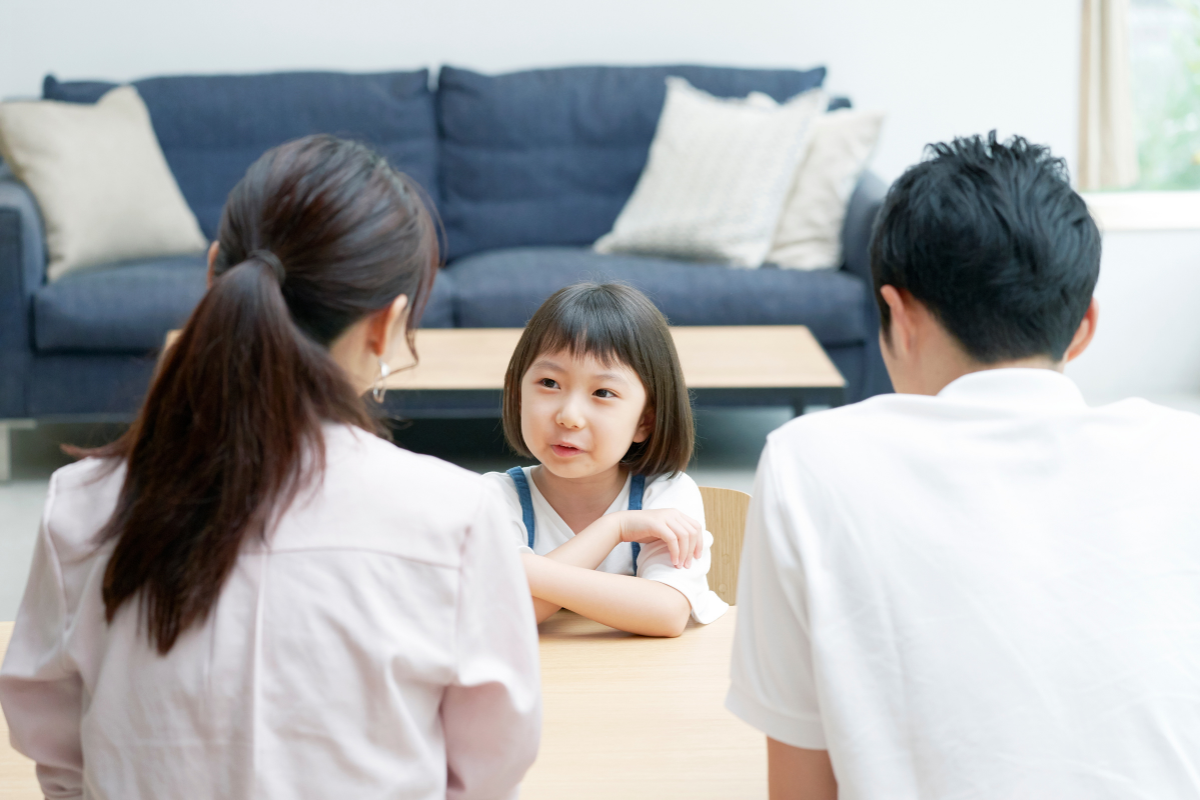 Encourage Independent Play
Encouraging independent play can help your child develop confidence and ease their reliance on you.
Create opportunities for your child to play by themselves in a safe environment, gradually giving them more space to explore and interact on their own.
Use Comforting Objects
Comforting objects, such as a favorite blanket, stuffed animal, or photo, can help your child feel secure when you’re not around. These familiar items provide a sense of comfort and connection to you, helping to ease their anxiety during times of separation.
Transitional Objects
Let your child bring a transitional object with them when they go to daycare or school, like a favorite toy or a small photo of the family. This object will serve as a reminder of you, which can make them feel more at ease.
Remain Calm and Confident
Children often pick up on their parents’ emotions, so it’s essential to remain calm and confident when dealing with separation anxiety. If you show anxiety or hesitation, your child may mirror those feelings. Keep your goodbyes positive and reassure them that you will return.
Reassure Your Child
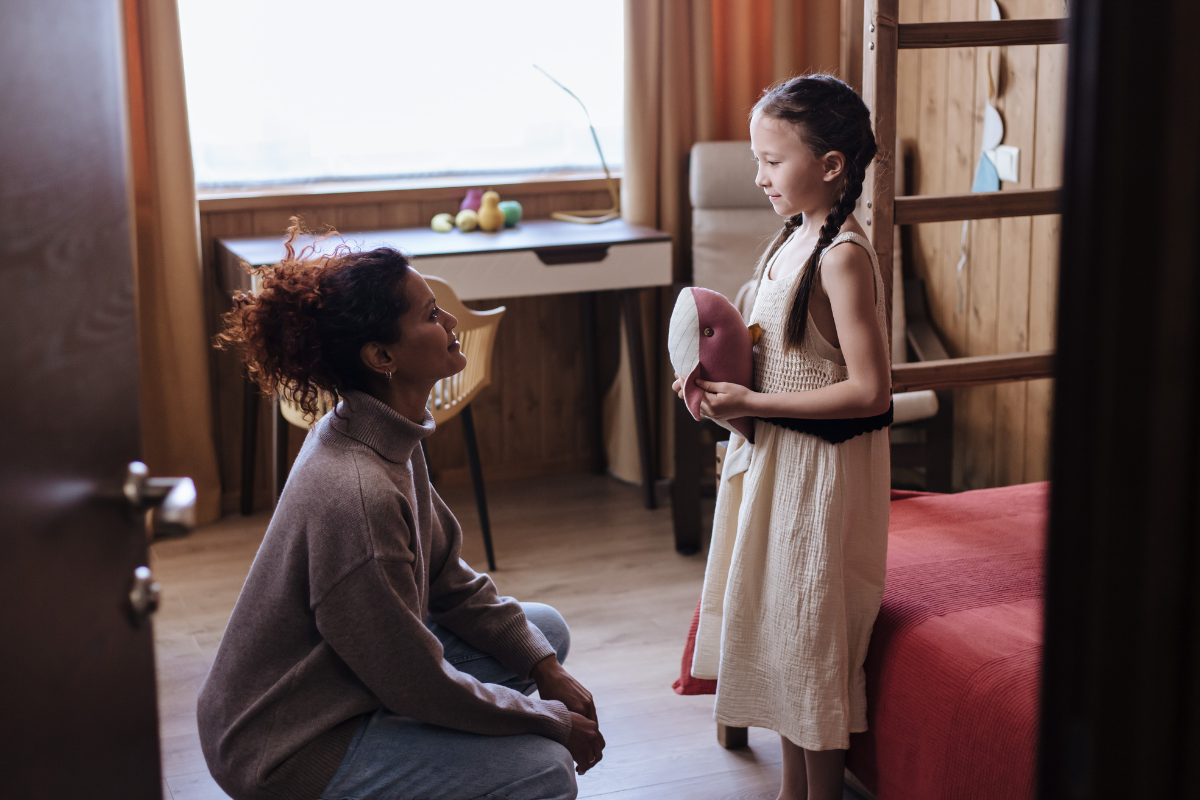 Reassure Your Child
Let your child know that they are safe and that you will always come back. Even if they cry or appear upset, it’s important to follow through with your plans and avoid lingering at the door. Consistent, calm behavior from you will help your child feel more secure over time.
Limit Sudden Changes
If possible, avoid sudden changes in routine, especially if your child is particularly sensitive to separations. Keep the daily schedule predictable, and communicate any changes in advance to help your child prepare for them.
Talk About Upcoming Events
If a significant event is coming up, such as a parent leaving for work or a new caregiver arriving, talk about it in advance. Explain the situation in simple terms, such as, “Mommy has to go to work, but I’ll be back to pick you up after lunch.” Knowing what to expect can reduce anxiety for your child.
Final Thoughts: Supporting Your Child Through Separation Anxiety
Separation anxiety is a natural phase of development that many children experience. As a parent, your role is to provide emotional support, consistency, and reassurance during these times of transition.
By validating your child’s feelings, gradually increasing the time spent apart, and creating a supportive routine, you can help your child navigate separation with confidence.
Remember, this phase will eventually pass, and your child will grow more independent as they continue to develop emotionally. With patience and understanding, you can help your child manage separation anxiety and build a strong foundation of trust and resilience.
Did you find this post useful or inspiring? Save THIS PIN to your PARENTING Board on Pinterest! 😊

You may also like