
How to Prepare Your Baby’s Environment for Better Language Acquisition
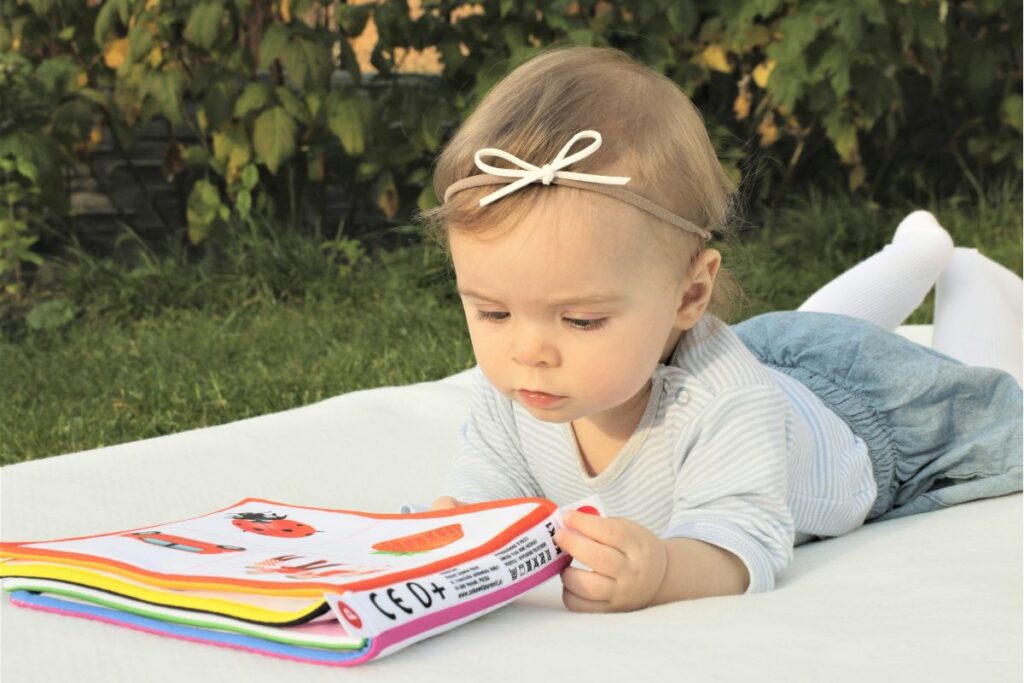
The first few years of a baby’s life are critical for language development. Babies absorb information at an astonishing rate, especially when it comes to language acquisition.
As a parent or caregiver, you play a vital role in preparing an environment that fosters this growth.
The good news is that there are many simple, effective ways to enhance your baby’s language development by creating a rich, stimulating environment that encourages learning and communication.
This article will explore practical steps you can take to nurture your baby's language skills right from the start.
Why the Early Environment Matters for Language Development
Babies begin learning language before they even say their first words. From birth, they are attuned to the sounds around them, gradually learning the rhythm, tone, and patterns of their native language.
Research shows that a baby’s environment can greatly influence how quickly and effectively they acquire language.
By providing a stimulating and supportive environment, you help lay the foundation for strong language skills, which are essential for their social, cognitive, and emotional development.
 1. Engage in Regular Face-to-Face Interaction
 1. Engage in Regular Face-to-Face Interaction
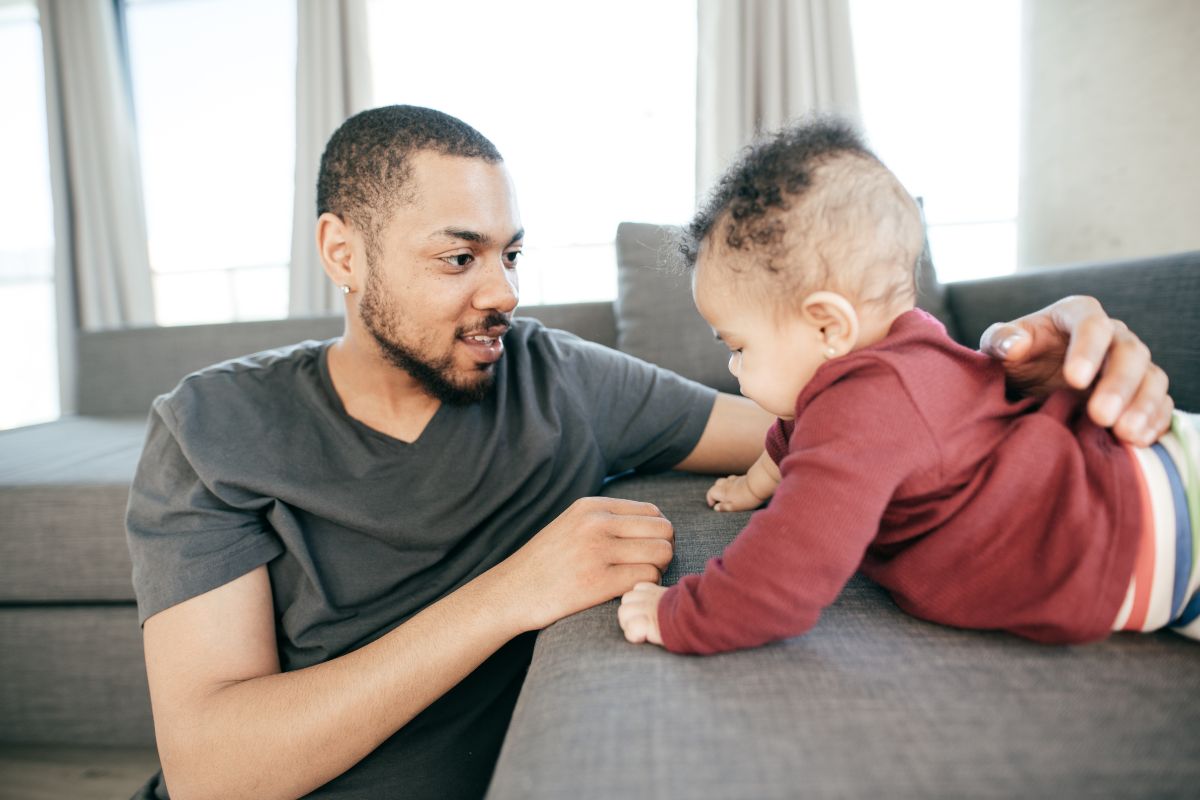
One of the most important factors in early language acquisition is personal interaction. Babies learn best when they are looking at and listening to the faces and voices of the people around them.
Face-to-face interactions are crucial as they help babies associate words with emotions, expressions, and actions.
Practice: Conversing with Your Baby
Even though your baby can’t respond with words, it’s essential to speak to them regularly. Talk to your baby throughout the day about what you're doing, what they are experiencing, or simply describe the objects around them.
For example, “Look at the red ball! The ball is round. You’re touching the ball!” This exposes them to new vocabulary and encourages early communication.
When talking to your baby, use exaggerated facial expressions, clear speech, and varied tones. This engages their attention and makes the language more interesting.
Try to pause after speaking to give your baby a chance to "respond" with coos or facial expressions, which reinforces the back-and-forth nature of conversation.
2. Create a Language-Rich Environment
A language-rich environment is one where your baby is constantly surrounded by sounds, words, and stories.
Surrounding your baby with language at every opportunity will help them start recognizing words and sounds long before they start speaking.
Practice: Reading Books and Singing Songs
 Practice: Reading Books and Singing Songs
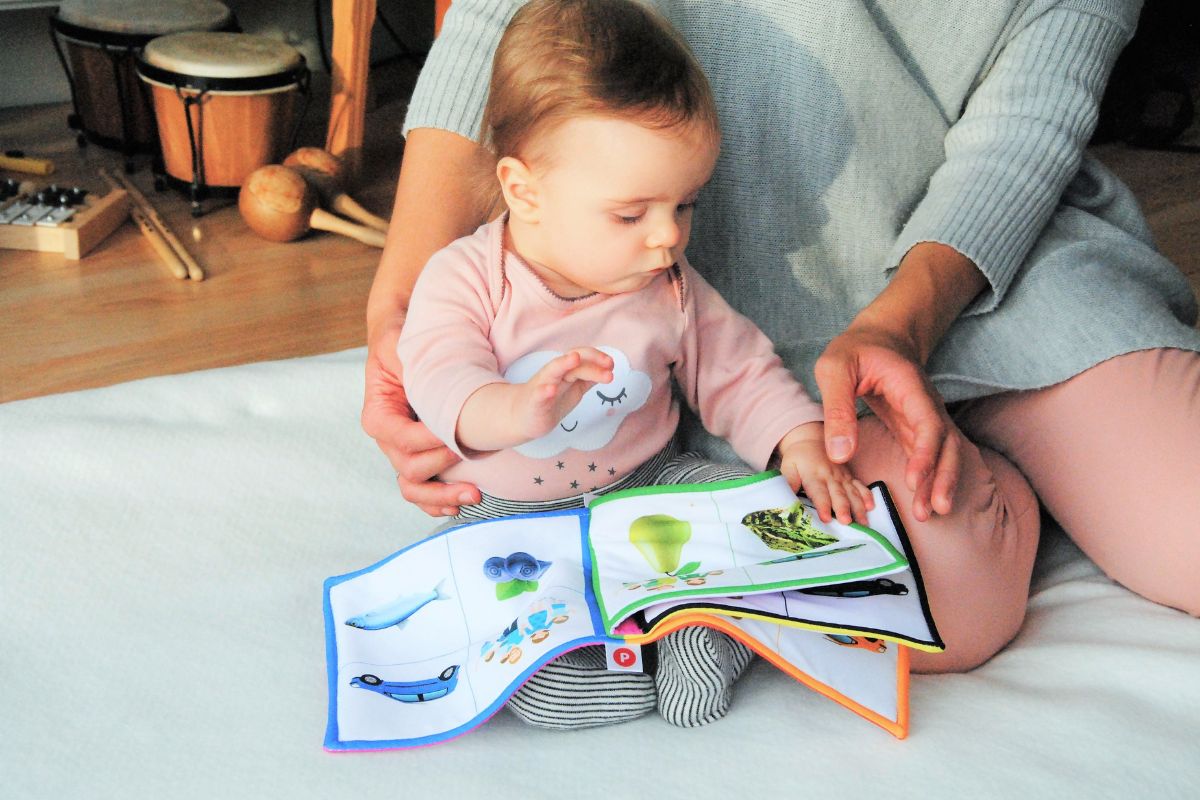
Start reading aloud to your baby from day one. Even if they can’t understand the story yet, they will start to recognize the rhythm and patterns of speech.
Choose books with bright colors and simple pictures, and point to the objects as you say the words. Repetition is key, so don’t be afraid to read the same book over and over again.
Nursery rhymes and songs are also a great way to help babies recognize sounds and language patterns.
By consistently incorporating books and songs into daily routines, you create a language-rich atmosphere that supports your baby’s ability to pick up new words and sounds.
3. Provide Opportunities for Imitation
Babies learn by imitating the sounds and actions they see around them. Creating opportunities for your baby to mimic speech and gestures helps strengthen their language skills.
Practice: Gesture and Sound Imitation
 Practice: Gesture and Sound Imitation
Encourage imitation by playing games like peek-a-boo or making silly faces. These activities help babies begin to recognize social cues and associate facial expressions and gestures with communication. You can also make sounds (like animal noises) and encourage your baby to imitate them. By making fun sounds together, you are helping your baby practice their vocal cords and learn the basic sounds of their language.
As your baby grows, they will begin to mimic your actions and words more consciously, helping them understand the concept of communication.
4. Limit Screen Time and Promote Human Interaction
In today’s digital age, many babies are exposed to screens from a very young age. While there are educational apps and videos, too much screen time can hinder language development by limiting direct human interaction, which is essential for acquiring language.
Practice: Screen-Free Time
Limit the use of screens in the early years to create more opportunities for interaction and communication. Instead, focus on face-to-face interactions, talking to your baby, playing together, and spending time in an engaging, interactive environment.
When you do use screens, make sure they are engaging and educational, and watch the content together to enhance learning.
The more time your baby spends connecting with people rather than screens, the more opportunities they’ll have to practice language in a real-world context.
5. Use Positive Reinforcement and Encourage Interaction
 5. Use Positive Reinforcement and Encourage Interaction
As your baby starts to experiment with sounds and words, it’s essential to encourage and celebrate their efforts. Positive reinforcement motivates your baby to continue developing their communication skills.
Practice: Praise Their Attempts
When your baby makes a sound or attempts to say a word, respond with enthusiasm.
For example, if your baby says "ba-ba," say, "Yes! That’s right, 'ba-ba'! You’re so smart!" Celebrating these early attempts shows your baby that their efforts are valued, motivating them to continue exploring language.
Additionally, provide plenty of opportunities for turn-taking and shared activities. Simple activities like passing a ball back and forth or taking turns with toys help develop communication and social interaction skills.
6. Foster a Calm and Secure Environment
Stress can significantly impact language development. Babies need to feel safe and secure in their environment to focus on learning.
A calm, stress-free atmosphere allows babies to focus on communication and language acquisition without distraction or anxiety.
Practice: Consistent Routines and Comfort
 Practice: Consistent Routines and Comfort
Create a comforting and predictable routine for your baby. Regular sleep patterns, feeding schedules, and quiet time help your baby feel safe and at ease, which can enhance their ability to absorb language. Make sure your baby’s space is quiet and free from excessive noise, allowing them to focus on the sounds and words around them.
Building a Strong Foundation for Lifelong Language Skills
Creating the right environment for language acquisition isn’t about doing one specific thing; it’s about consistently providing opportunities for connection through words, sounds, and interaction.
By engaging in regular face-to-face communication, reading, singing, encouraging imitation, limiting screen time, offering praise, and maintaining a calm, nurturing environment, you are laying the groundwork for your baby’s lifelong language development.
These simple yet effective strategies will not only help your baby’s language skills flourish but also foster a deep, lasting bond between you and your little one.
Did you find this post useful or inspiring? Save THIS PIN to your PARENTING Board on Pinterest! 😊


You may also like