
The Truth About Baby Creams and Lotions: What You Need to Know
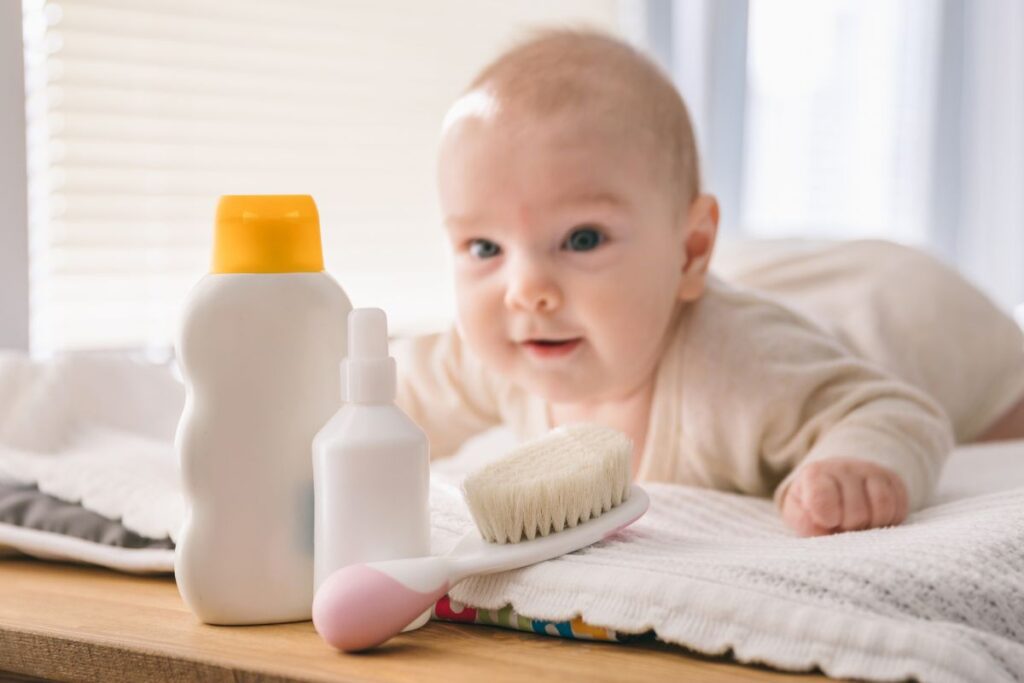
When it comes to caring for your baby's delicate skin, baby creams and lotions are often among the first products we reach for.
However, with so many options available on the market, how do you know which one is best for your baby? The truth is, not all baby creams and lotions are created equal.
Understanding what these products really do and what to look for can help you make the best choices for your little one’s skin. In this article, we’ll explore everything you need to know about baby creams and lotions, so you can ensure your baby’s skin stays soft, healthy, and protected.
What Are Baby Creams and Lotions?
Before diving into which products to use, let’s clarify what baby creams and lotions actually are. Both are designed to keep your baby’s skin hydrated and moisturized, but they come in different forms and are used for slightly different purposes.
Baby Creams
Baby creams tend to be thicker and richer in texture than lotions. They’re often used for areas of the skin that are particularly dry or chapped, such as the face, elbows, or knees. Creams typically contain more oils and emollients, making them ideal for locking in moisture and providing long-lasting hydration.
Baby Lotions
Baby lotions, on the other hand, are lighter and more fluid. They are usually a combination of water and oils, and they spread more easily on the skin. Lotions are great for everyday use, especially for all-over body moisturizing. They hydrate without feeling heavy and absorb quickly, making them perfect for after baths.
 Choosing the Right Baby Cream or Lotion for Your Baby
 Choosing the Right Baby Cream or Lotion for Your Baby
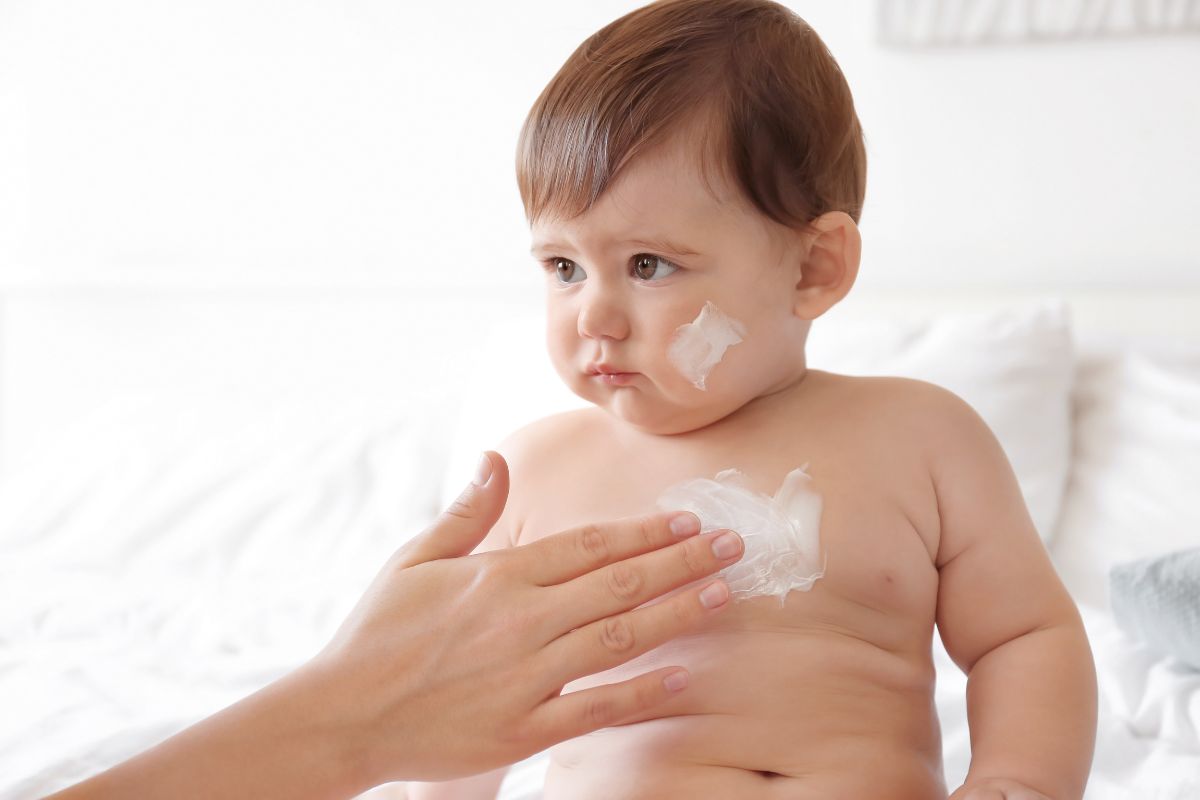
Not all baby lotions and creams are made the same. When selecting a product for your little one, it’s essential to pay attention to ingredients, as some may be better suited for your baby’s skin type than others.
Consider Your Baby’s Skin Type
Just like adults, babies can have different skin types. Some babies may have very dry skin, while others may have more sensitive or even oily skin. Identifying your baby’s skin type will help you choose the best product.
For Dry Skin: Choose a thick, emollient-rich cream. Look for ingredients like shea butter, coconut oil, or petrolatum, which help to lock moisture in.
For Sensitive Skin: If your baby has particularly sensitive skin, opt for a lotion that’s fragrance-free, hypoallergenic, and free from harsh chemicals. Look for products labeled “dermatologist-tested” or “suitable for sensitive skin.”
For Normal Skin: If your baby’s skin is neither too dry nor too oily, a gentle, everyday baby lotion is probably the best option. Look for lightweight formulas that still hydrate but aren’t too greasy.
Ingredients to Look For
 Ingredients to Look For
When shopping for baby lotions and creams, always check the ingredient list. Some ingredients are better than others at soothing, moisturizing, and protecting your baby’s skin. Here are some of the most beneficial ones:
Shea Butter: Known for its moisturizing and anti-inflammatory properties, shea butter helps to nourish and protect the skin.
Aloe Vera: A soothing ingredient that helps calm irritated or sunburned skin.
Coconut Oil: Rich in fatty acids, coconut oil is a great natural moisturizer for dry skin.
Glycerin: This ingredient draws moisture from the air into the skin, keeping it hydrated.
Chamomile Extract: Known for its calming effects, chamomile extract can help soothe irritated skin.
Ingredients to Avoid
 Ingredients to Avoid
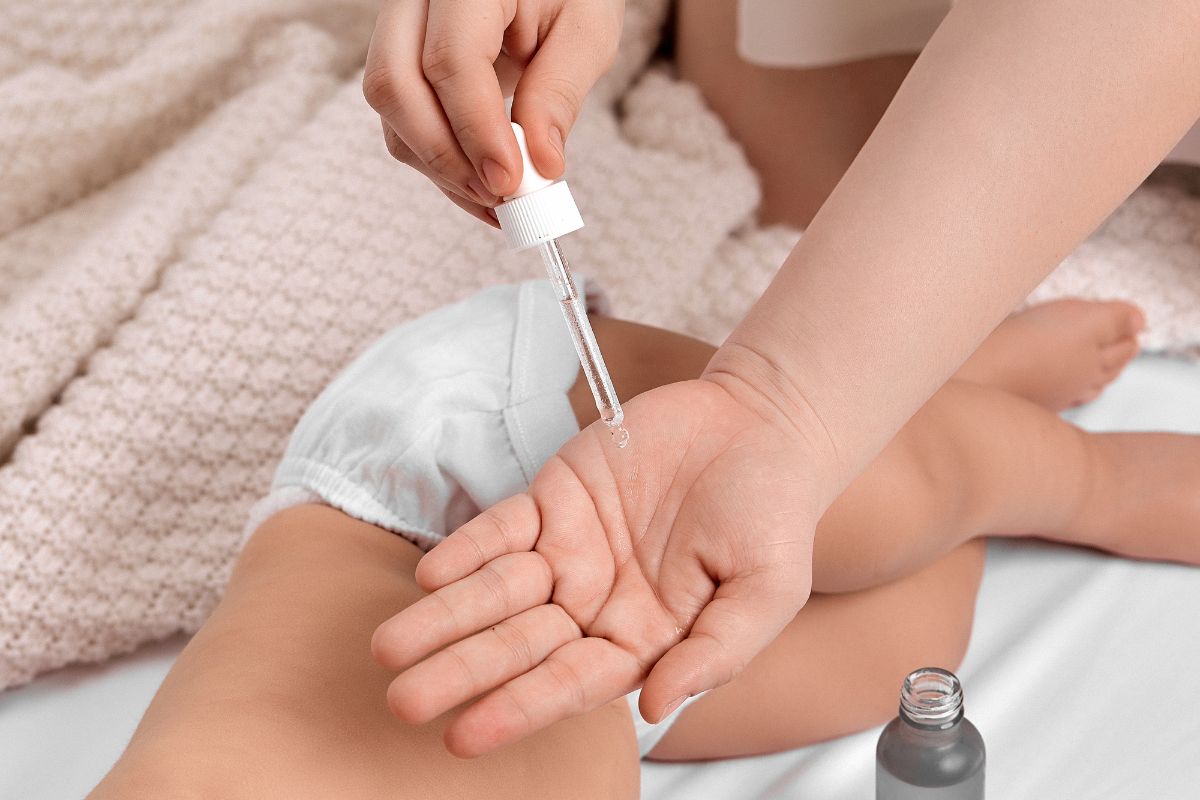
While many baby lotions and creams contain beneficial ingredients, there are some that you should avoid, as they can cause skin irritation or allergic reactions:
Parabens: These preservatives are used to extend the shelf life of products, but they can disrupt hormones and irritate the skin.
Fragrance: While fragrance may smell pleasant, it’s often made from synthetic chemicals that can irritate sensitive skin.
Phthalates: These chemicals are often used in perfumes and lotions but can be harmful to your baby’s skin and health.
Sodium Lauryl Sulfate (SLS): This detergent can strip the skin of its natural oils, causing dryness and irritation.
How to Use Baby Creams and Lotions Effectively
 How to Use Baby Creams and Lotions Effectively
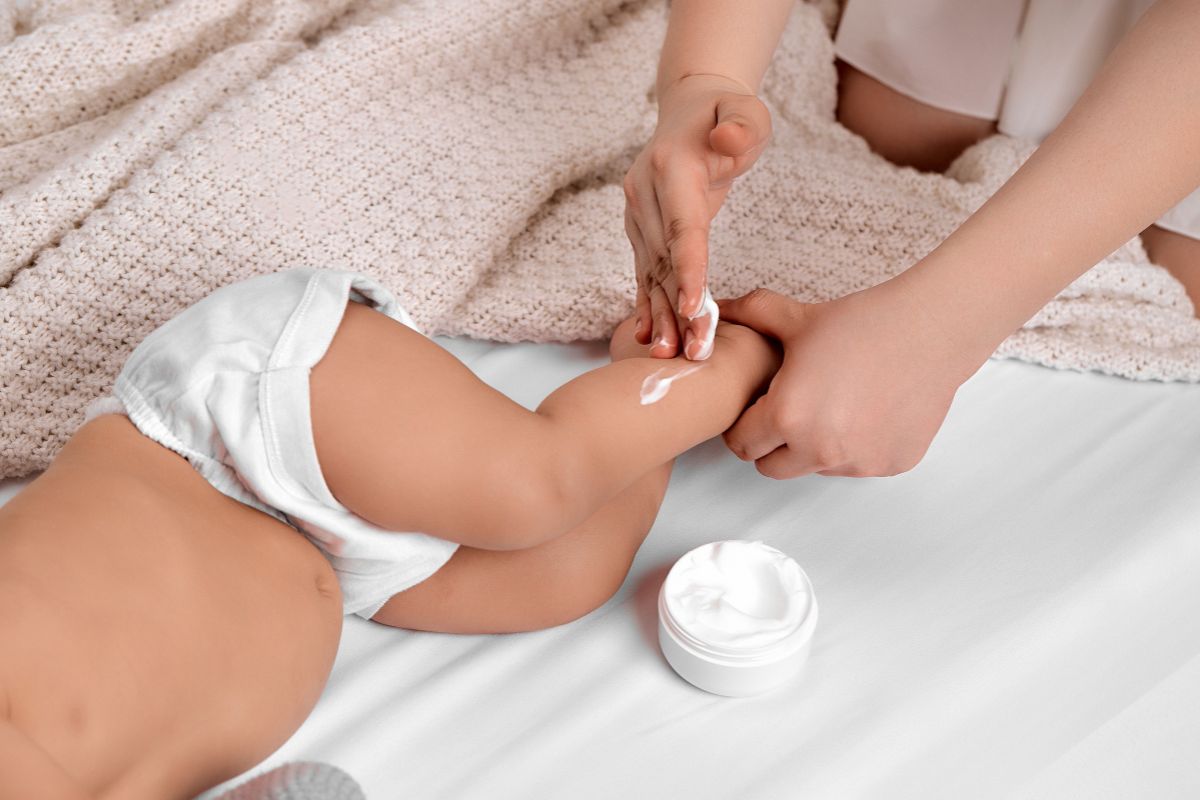
Applying baby cream or lotion the right way can enhance the benefits of the product and keep your baby’s skin feeling soft and smooth.
After Bath Time
The best time to apply baby lotion or cream is immediately after bath time, when the skin is still damp. Gently pat your baby’s skin with a towel to remove excess water, then apply the cream or lotion while the skin is still slightly wet. This helps to lock in moisture and prevent dryness.
Use a Small Amount
While it can be tempting to use a lot of product, a little goes a long way with baby lotions and creams. Use just enough to gently massage into your baby’s skin without over-applying. Too much product can cause the skin to feel greasy and may lead to clogged pores.
Gentle Application
Always apply the lotion or cream using gentle, upward strokes. Avoid rubbing or tugging on your baby’s skin, as their skin is more delicate than adult skin. Be especially gentle when applying to areas like the face and neck.
Baby Skincare Tips Beyond Creams and Lotions
 Baby Skincare Tips Beyond Creams and Lotions
While baby creams and lotions are essential for keeping your baby’s skin moisturized, there are a few other steps you can take to ensure optimal skin health.
Keep Your Baby’s Skin Clean: Regularly bathe your baby with a mild, fragrance-free soap. Avoid using hot water, as it can dry out the skin.
Dress Your Baby in Soft Fabrics: Choose clothing made of soft, breathable fabrics like cotton to prevent irritation and sweating.
Protect from the Sun: Babies have sensitive skin that can burn easily, so make sure to apply sunscreen when outdoors and keep them shaded from the sun as much as possible.
Caring for Your Baby’s Skin with the Right Products
The right baby cream or lotion can make a significant difference in your little one’s skin health. By understanding the ingredients, benefits, and the proper way to apply these products, you can help ensure your baby’s skin stays soft, moisturized, and healthy.
Always choose products that suit your baby’s skin type and sensitivities, and remember that consistency is key. A gentle skincare routine with the right products will help protect your baby’s delicate skin throughout the early stages of life.
Did you find this post useful or inspiring? Save THIS PIN to your PARENTING Board on Pinterest! 😊

You may also like