
Baby-Friendly Gardening: Activities That Teach Nature and Responsibility

Gardening is a wonderful way to introduce your little one to the beauty of nature while fostering a sense of responsibility and curiosity. Even babies and toddlers can enjoy simple gardening activities that engage their senses and help them connect with the natural world around them.
Whether you're planting flowers, growing vegetables, or simply exploring the outdoors, gardening offers endless opportunities for learning and bonding. In this article, we’ll explore baby-friendly gardening activities that teach both the wonders of nature and the importance of responsibility.
The Benefits of Gardening for Babies and Toddlers
Introducing babies and toddlers to gardening has numerous benefits that go beyond simply growing plants. These early experiences can help foster a love for nature and instill valuable life skills that will last a lifetime. Here are some of the key benefits:
1. Sensory Stimulation
Gardening is a full-sensory activity, and babies and toddlers can engage with nature in many ways. From the feeling of soil between their fingers to the scents of flowers and herbs, gardening provides rich sensory experiences that help with cognitive and emotional development.
2. Motor Skills Development
Activities like digging, planting, and watering help babies and toddlers develop both fine and gross motor skills. As they practice grasping tools or reaching for plants, they build coordination and strength.
 3. Fostering Responsibility
 3. Fostering Responsibility
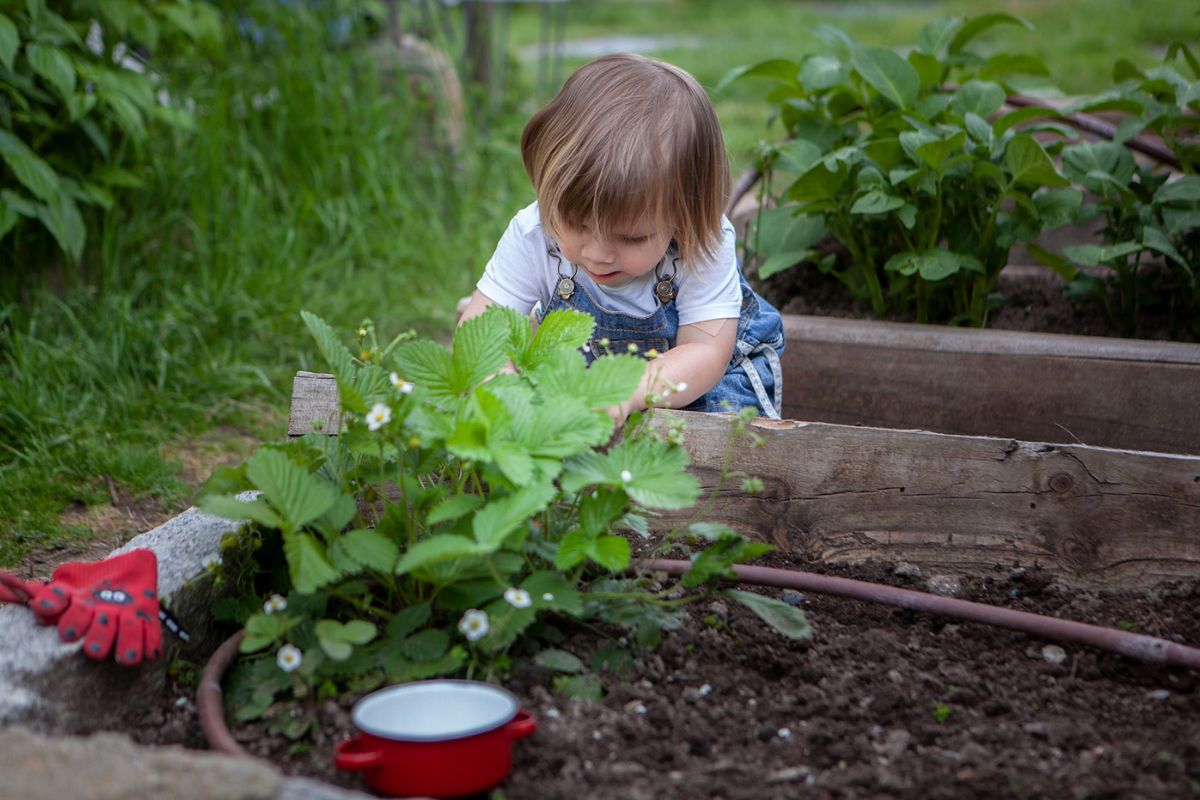
Even at a young age, children can begin to understand the concept of responsibility. Caring for plants teaches them that living things need attention, water, and nurturing to grow, which can translate into greater empathy and respect for the environment and other people.
4. Exposure to the Outdoors
Gardening encourages time spent outside, which is essential for physical health and well-being. Fresh air, sunlight, and the opportunity to explore nature help support physical growth and overall happiness.
Baby-Friendly Gardening Activities
Gardening with a baby or toddler doesn’t have to be complicated. In fact, simple activities can make the experience fun and educational. Below are some baby-friendly gardening activities that are easy to implement and promote learning through play.
1. Exploring Nature with Touch and Taste
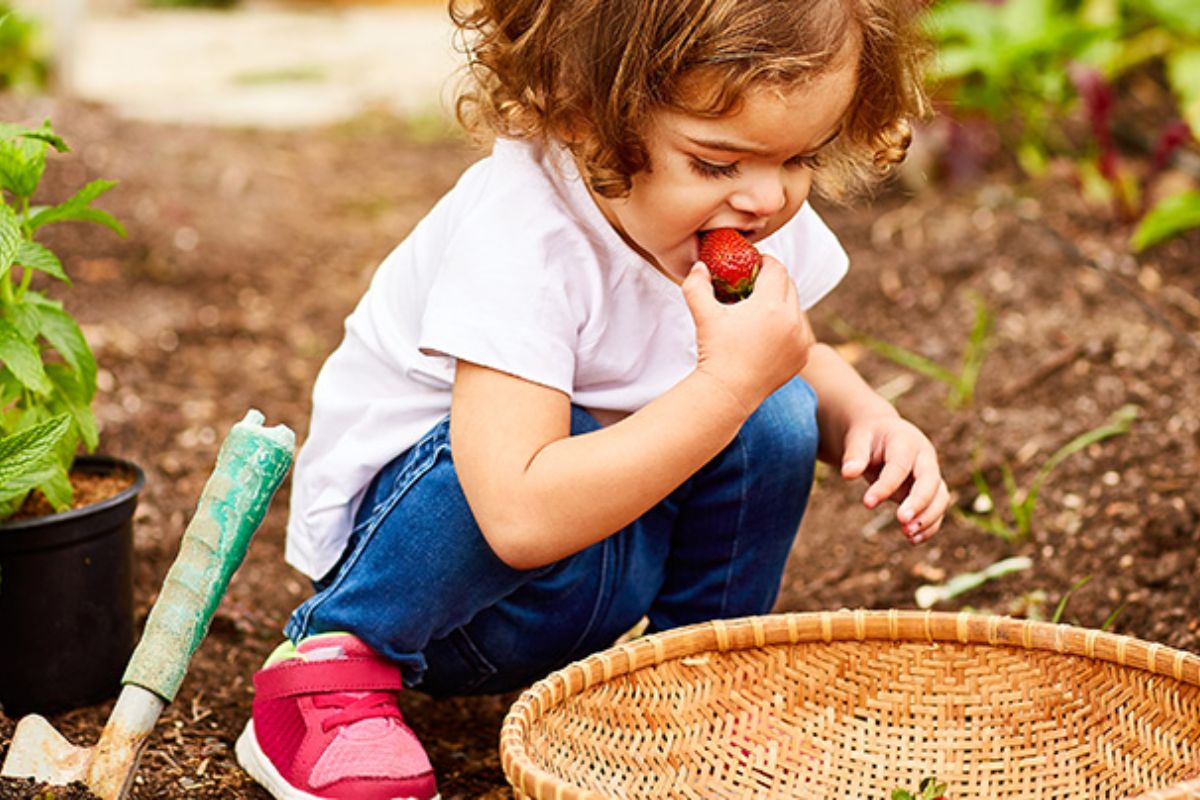
Start by simply allowing your baby to explore the garden with their hands. They can touch the soil, feel the leaves, and observe the textures of different plants.
For babies who are already teething, offering safe plants like mint or basil to chew on can be a natural way to soothe them while engaging them with nature.
Encourage your baby to smell flowers or herbs like lavender or rosemary. If your baby is old enough, they may also be able to taste certain herbs, like mint or parsley (be sure to verify they’re safe first).
This is an excellent way to engage their senses and introduce them to the world of natural flavors.
2. Watering Plants Together
 2. Watering Plants Together
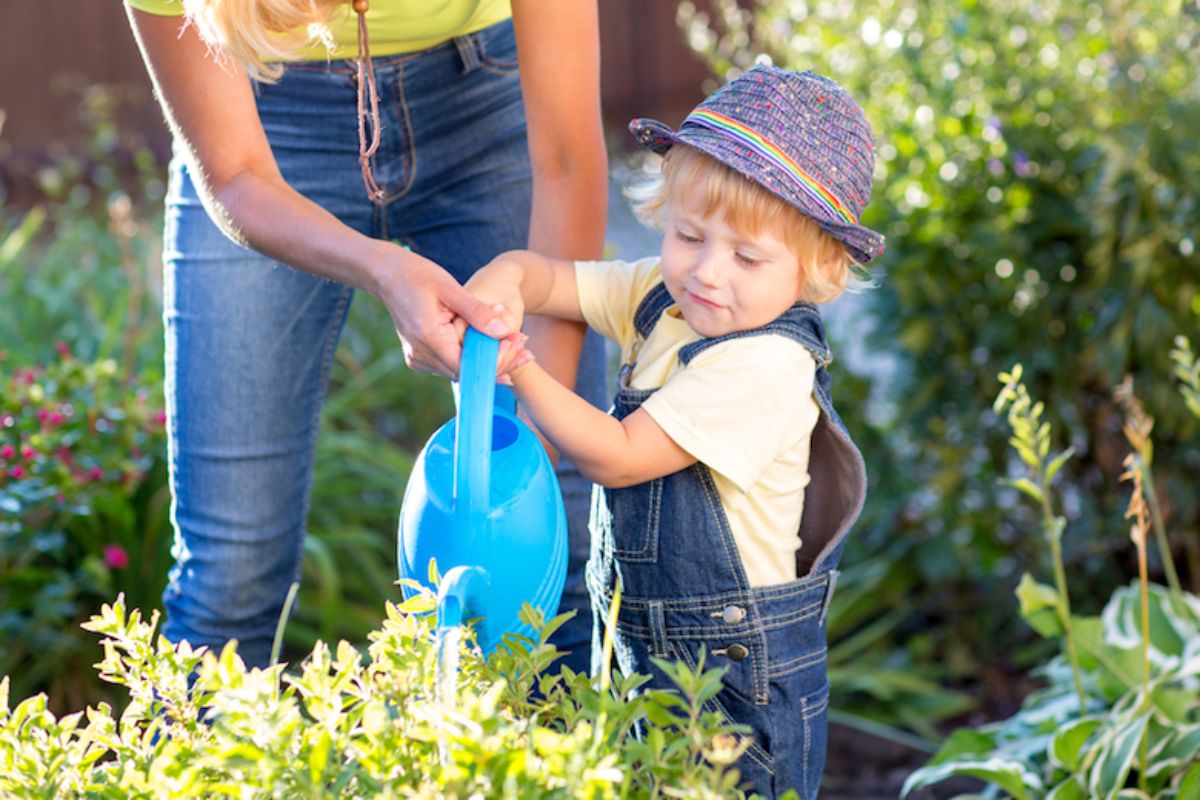
Watering plants is one of the easiest gardening activities for toddlers and young children. They can help by holding a small watering can and learning to water plants gently.
At first, they might enjoy splashing the water around, which is great for them to practice hand-eye coordination. You can guide them by showing how to water the roots of plants or flowers and explain the importance of keeping the plants hydrated.
This simple activity teaches toddlers about the importance of hydration and how it helps plants grow, reinforcing the idea that every living thing needs care to thrive.
3. Planting Seeds in Pots or Small Beds
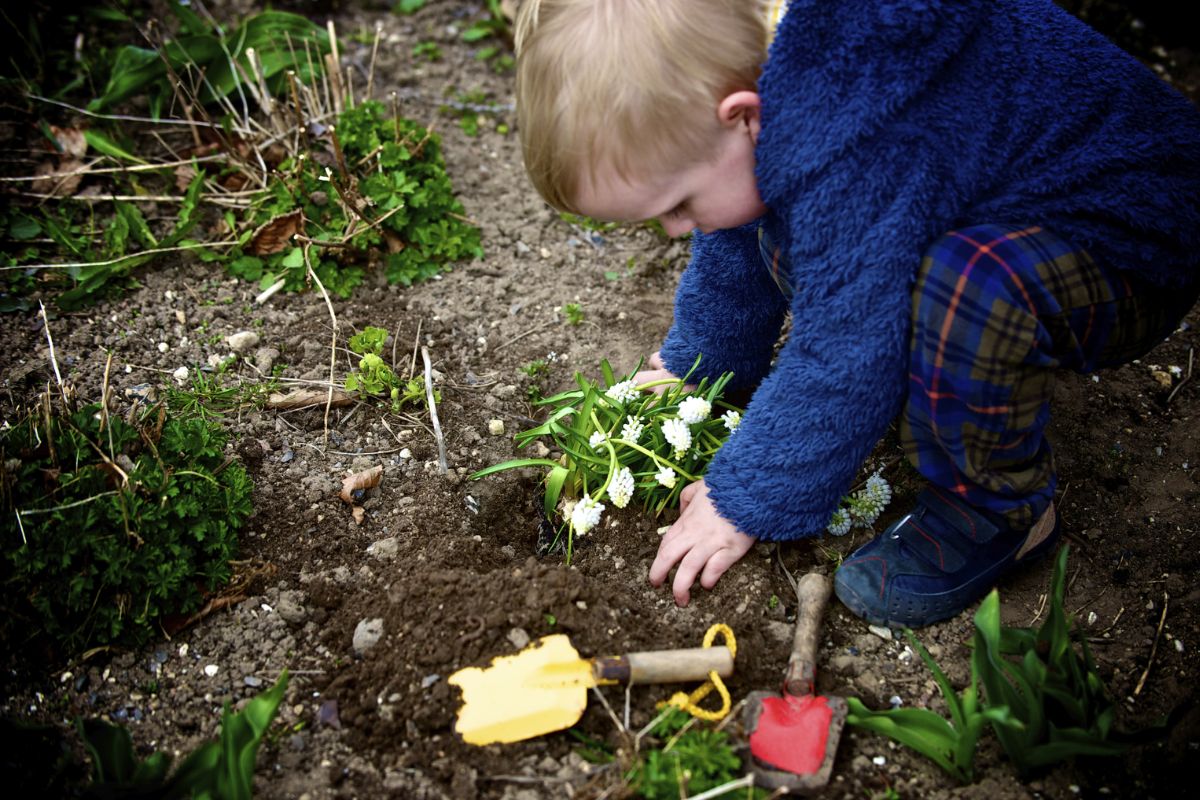
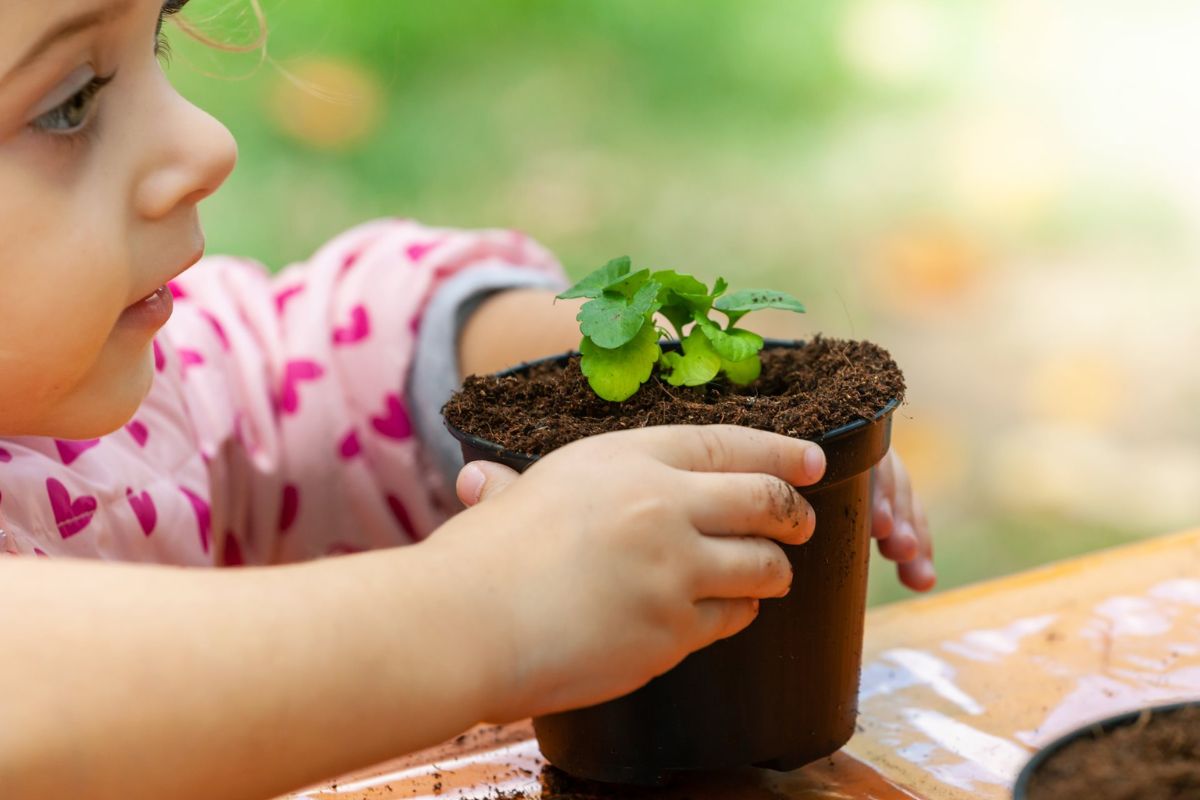
Planting seeds is a wonderful introduction to the concept of growth and responsibility. Start by choosing easy-to-grow plants like sunflowers, peas, or lettuce, which are fast-growing and have large, visible changes that babies and toddlers can easily observe.
You can create small containers with soil and let your baby touch and explore as you plant the seeds together.
As the plants grow, your toddler will begin to understand the process of growth and how seeds can transform into plants. Encourage them to watch for the first sprouts and teach them about the care needed for the plants to grow strong.
4. Building a Sensory Garden
 4. Building a Sensory Garden
A sensory garden is a garden designed to stimulate the senses. You can create a sensory garden with plants that offer various textures, colors, and scents. For example, you could include soft grasses, fuzzy lamb's ears, or scented flowers like jasmine.
A sensory garden encourages babies and toddlers to engage with the world around them and explore plants using their senses.
For babies, you can lay out a blanket on the grass and let them explore the plants by touching or smelling them. For toddlers, you can encourage them to play and interact with the plants by picking leaves, feeling textures, or even helping with watering and caring for the plants.
Teaching Responsibility through Gardening
Gardening naturally involves a sense of responsibility. Even young children can begin to understand that plants need attention and care to grow. Here are a few ways to incorporate responsibility into your gardening activities:
1. Daily Watering Routine
Make watering the plants a part of your toddler’s daily routine. Let them take part in this task every day, either in the morning or before bedtime. You can teach them that plants rely on water to grow, just as they rely on food and sleep to thrive.
As they water the plants, they will start to learn the importance of routine and care.
2. Incorporating Plant Care into Daily Life
 2. Incorporating Plant Care into Daily Life
Another way to teach responsibility is to have your toddler help with other aspects of plant care, such as removing dead leaves or checking for signs of pests.
While they may not be able to do all tasks independently, encouraging them to observe and engage in basic care routines fosters a sense of ownership and empathy toward nature.
3. Keeping a Plant Journal
If your toddler is old enough, you can start a simple plant journal. Help them draw pictures of the plants or write down observations as they grow.
This journal will serve as a reminder of the effort and care it takes to grow something from a small seed into a full-grown plant, reinforcing the concept of nurturing and patience.
 Nurturing Nature and Responsibility Early On
Baby-friendly gardening offers an invaluable opportunity for young children to learn about nature, growth, and responsibility in a fun, engaging way.
By introducing your baby or toddler to the garden, you’re not only encouraging them to connect with the natural world, but you’re also helping to lay the foundation for healthy habits and an appreciation for the environment that can last a lifetime.
Whether it’s exploring plants with touch and taste, watering plants together, or starting a sensory garden, gardening activities teach valuable lessons about caring for living things and respecting the environment.
By creating a routine around plant care and involving your toddler in the process, you’re setting the stage for future learning and emotional growth. Gardening with your baby fosters not only an appreciation for the natural world but also a deep sense of responsibility and curiosity.
Did you find this post useful or inspiring? Save THIS PIN to your PARENTING Board on Pinterest! 😊

You may also like