
Baby Reflexes and What They Tell Us About Development

From the moment babies are born, they begin displaying reflexes—automatic responses to stimuli that serve as important signs of neurological development. These reflexes are present at birth and usually fade as babies grow and develop more voluntary motor skills.
However, the presence and progression of these reflexes can provide valuable insight into a baby’s health and developmental milestones. In this article, we will explore some common baby reflexes and what they tell us about infant development, offering a deeper understanding of the early stages of life.
What Are Baby Reflexes?
Baby reflexes, also known as primitive reflexes, are involuntary movements that are controlled by the brainstem. These reflexes are essential for survival and development during the early months of life.
They help infants perform basic actions such as feeding, breathing, and maintaining balance. Most reflexes are temporary and disappear as the baby’s central nervous system matures and their voluntary motor control improves.
Types of Baby Reflexes and What They Reveal
There are several key reflexes that newborns display, each providing a clue about how their brain and body are developing. Here are some of the most common reflexes and what they tell us about a baby’s development:
 1. The Moro Reflex (Startle Reflex)
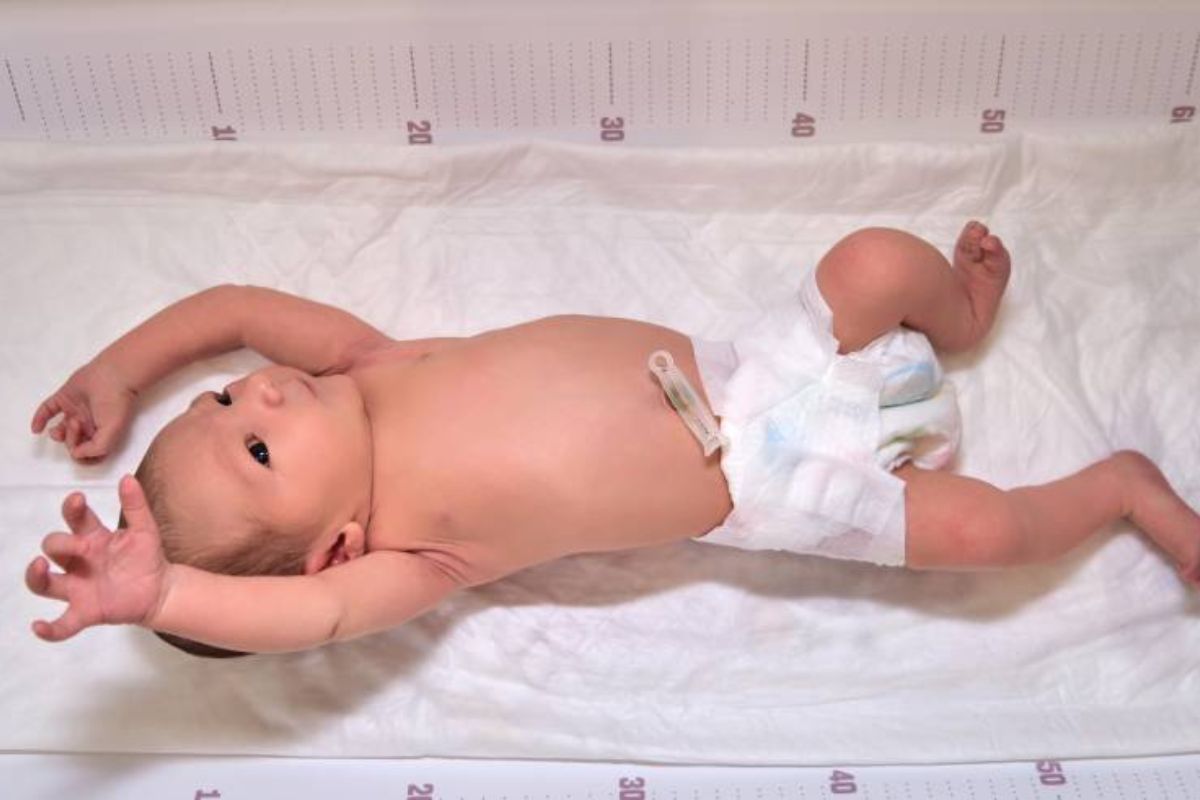 1. The Moro Reflex (Startle Reflex)
The Moro reflex, also known as the startle reflex, is one of the first reflexes that babies display. This reflex occurs when a baby is suddenly startled by a loud noise or a sudden movement.
In response, the baby will fling their arms and legs outward and then quickly bring them back toward their body, as if hugging themselves. This reflex typically disappears by around 4 to 6 months.
What It Tells Us:
The Moro reflex is a sign that a baby’s nervous system is functioning correctly. It indicates that the baby’s brain is responding appropriately to external stimuli.
Over time, as the baby’s muscle strength and coordination improve, the reflex fades, which is a natural part of their developmental progression.
2. The Rooting Reflex
The rooting reflex is triggered when a baby’s cheek or mouth is gently stroked. In response, the baby will turn their head toward the touch and open their mouth, as if searching for the breast to feed.
This reflex is essential for early feeding and helps babies find the breast or bottle when they are hungry. It typically fades by around 3 to 4 months.
What It Tells Us:
The rooting reflex is a sign that the baby’s brainstem is working to help them feed. It shows that the baby has the instinctual drive to seek food, an essential function for survival.
If this reflex does not appear or disappears too early, it may indicate a need for further evaluation to ensure proper neurological development.
3. The Sucking Reflex
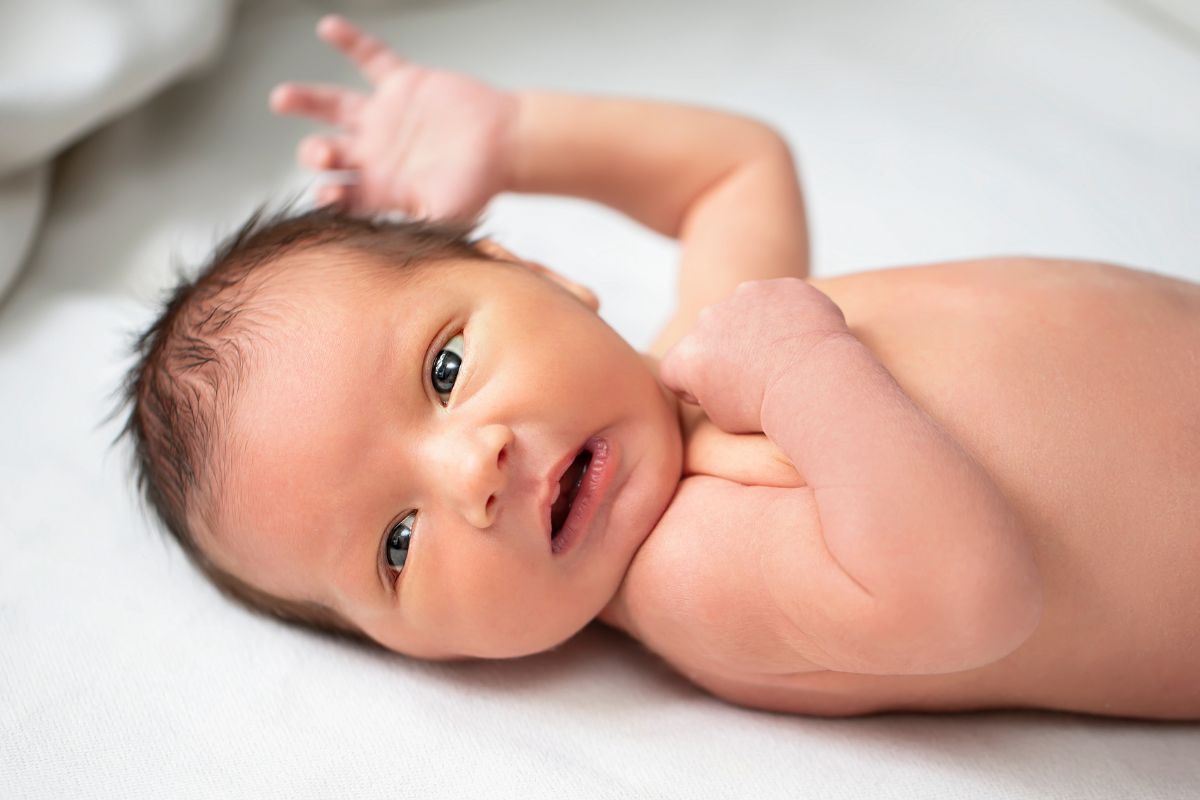 3. The Sucking Reflex
The sucking reflex is another essential reflex that allows babies to feed. When the roof of the baby’s mouth is touched, they will automatically begin to suck, which is crucial for breastfeeding or bottle feeding. This reflex typically begins to fade around 4 to 6 months.
What It Tells Us:
The sucking reflex is vital for a baby’s ability to feed and get the nutrition they need. It is an indication of a properly functioning neurological system and is a sign that the baby is capable of feeding independently. Delayed or absent sucking reflexes can indicate potential feeding difficulties or developmental concerns.
4. The Grasp Reflex (Palmar Reflex)
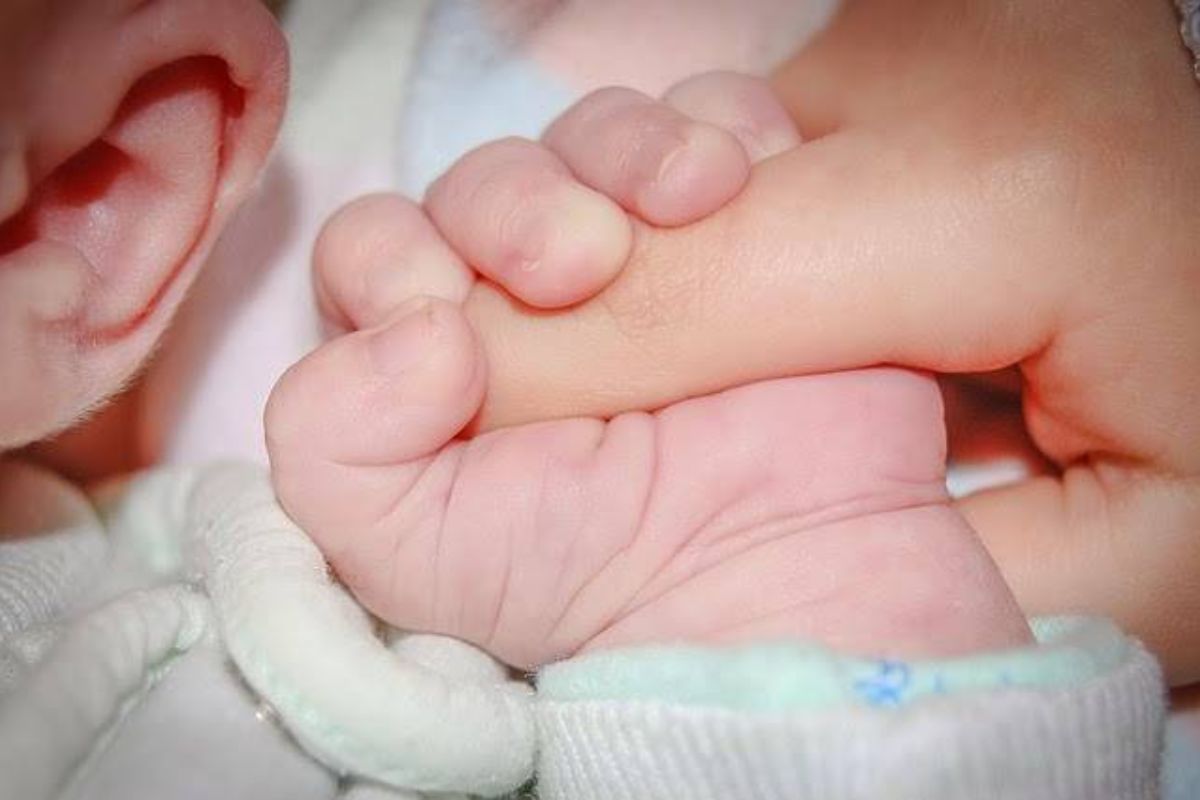
The grasp reflex is triggered when an object is placed in a baby’s palm or when their palm is gently stroked. The baby will automatically close their fingers around the object, creating a firm grasp.
This reflex is strongest in the first few months of life and gradually fades by around 5 to 6 months, at which point babies begin to develop more voluntary hand control.
What It Tells Us:
The grasp reflex demonstrates that a baby’s brainstem is functioning properly and that the baby has basic motor coordination. It’s an early sign that the baby’s body is responding to stimuli and is developing the motor skills necessary for future movement and manipulation of objects.
5. The Babinski Reflex
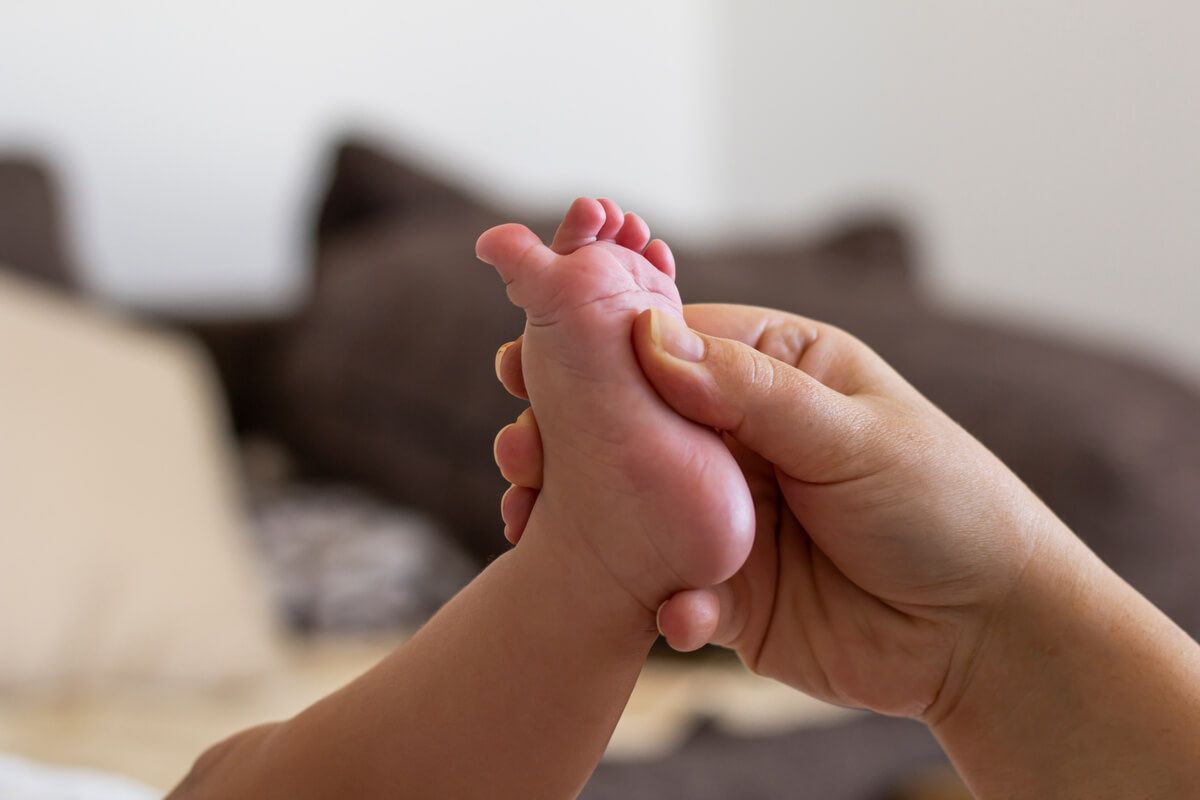
 5. The Babinski Reflex
The Babinski reflex occurs when the sole of a baby’s foot is gently stroked. In response, the baby will spread their toes and extend their foot. This reflex typically disappears around 1 year of age as the baby’s central nervous system matures.
What It Tells Us:
The Babinski reflex is an important indicator of the development of the baby’s nervous system. It is a normal reflex seen in infants, and its presence suggests that the nervous system is still developing.
If the reflex persists beyond the typical time frame, it could be a sign of neurological issues, and further evaluation may be necessary.
6. The Tonic Neck Reflex (Fencing Reflex)
The tonic neck reflex is also known as the fencing reflex. It occurs when a baby’s head is turned to one side. In response, the baby will extend the arm and leg on the side they are facing while bending the arm and leg on the opposite side, resembling a “fencing” pose.
This reflex typically appears around 2 months and disappears by 6 to 7 months.
What It Tells Us:
The tonic neck reflex is related to coordination and balance. It is an early sign that the baby’s body is beginning to prepare for voluntary movement. As the baby grows and gains more control over their muscles, this reflex fades, allowing for more intentional movements.
When to Be Concerned: Red Flags in Reflex Development
 When to Be Concerned: Red Flags in Reflex Development
While most primitive reflexes are normal and fade over time, there are certain situations where a lack of reflexes or an absence of typical development may be cause for concern. Here are a few red flags to watch for:
Persistence of reflexes: If primitive reflexes persist beyond the typical age range, it could indicate an issue with the baby’s neurological development.
Absence of reflexes: If a baby fails to exhibit common reflexes, such as the rooting or sucking reflex, this may suggest potential developmental delays or neurological concerns.
Asymmetry: Reflexes should appear symmetrically on both sides of the body. If one side is noticeably weaker or unresponsive, it may indicate a neurological concern that requires further investigation.
If you notice any of these signs, it’s essential to consult with your pediatrician or healthcare provider for further evaluation.
Reflexes as a Window into Your Baby’s Development
Baby reflexes are fascinating and important indicators of your infant’s neurological health and developmental progress.
From the Moro reflex that helps babies respond to stimuli to the rooting reflex that supports feeding, these primitive reflexes guide babies through their early stages of life.
Monitoring these reflexes can provide valuable insights into how your baby’s brain and body are maturing.
As a parent, being aware of these reflexes and their timelines can help you track your baby’s development. While most reflexes are temporary, their presence is a reassuring sign that your baby is on the right path.
If you have any concerns, always consult your healthcare provider to ensure your baby’s development is progressing smoothly.
Did you find this post useful or inspiring? Save THIS PIN to your PARENTING Board on Pinterest! 😊


You may also like