
- Urbaki Parenting
- Baby
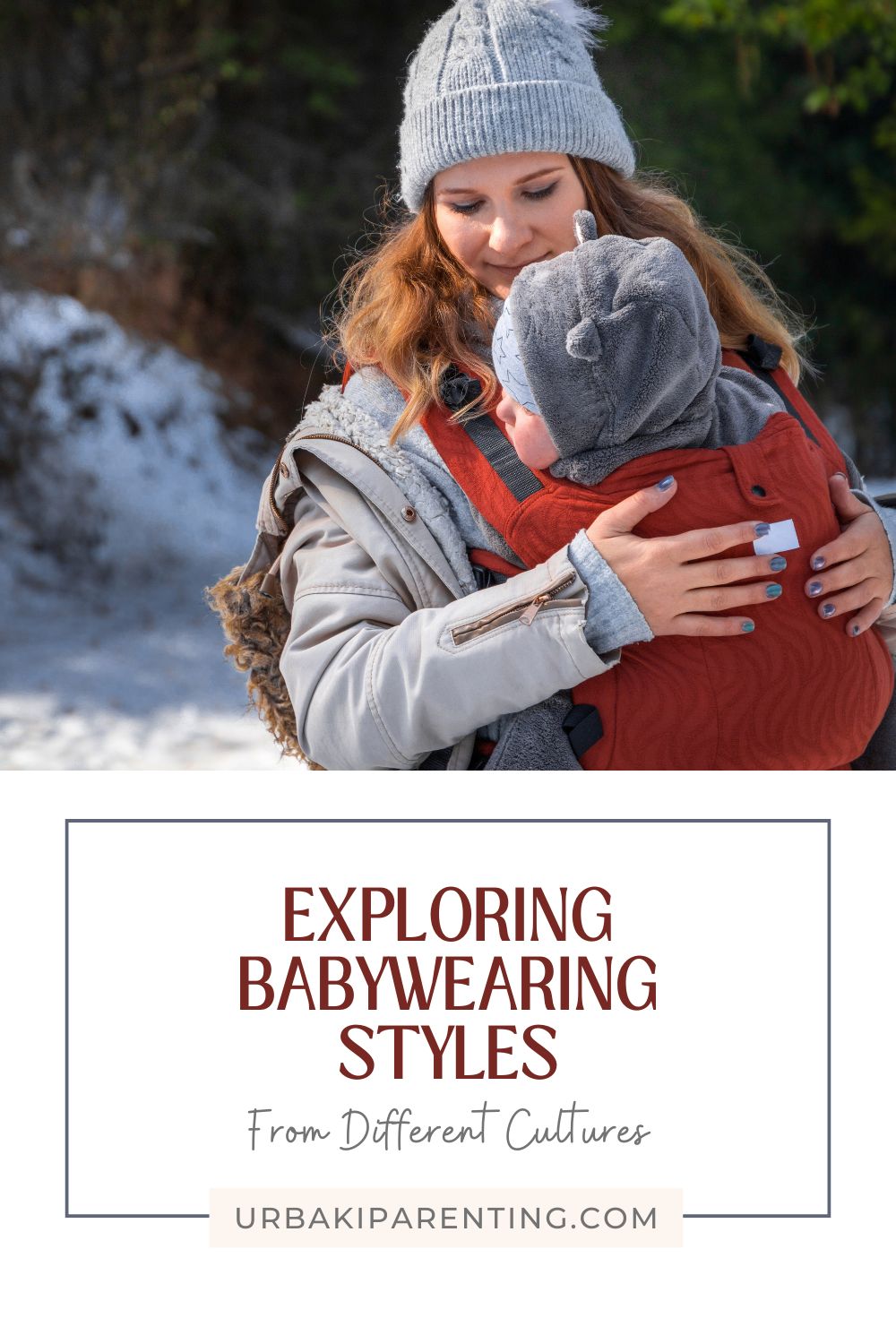
- Exploring Babywearing Styles From Different Cultures
Exploring Babywearing Styles From Different Cultures

Babywearing, the practice of carrying babies in slings, wraps, or carriers, is a timeless tradition that transcends borders and connects generations. From the bustling streets of Asia to the serene hills of Africa, babywearing is a practice that holds deep cultural significance.
In this article, we’ll explore the varied babywearing styles found around the world and how they contribute to both bonding and practicality.
The Roots of Babywearing
Babywearing has existed for centuries, serving as an essential practice for parents, especially mothers, who needed to attend to daily tasks while keeping their infants close. It allows for hands-free care, making it easier to go about chores, travel, or interact with others.
The connection between parent and child is enhanced as babies are kept close, feeling the comfort and warmth of their caregivers.
Babywearing Styles Around the World
Each culture has its unique way of wearing babies, often influenced by historical practices, climatic conditions, and family structures. Let’s take a closer look at some of the most well-known babywearing styles.
1. Asia: The Traditional Asian Baby Carrier (Mei Tai and Ring Slings)
In many Asian countries, babywearing is a deeply embedded cultural practice. China, Japan, and Vietnam are home to some of the most well-known styles, including the Mei Tai and ring slings.
Mei Tai: This is a rectangular piece of cloth with straps that are tied around the caregiver’s waist and shoulders. It’s an ancient Chinese method that offers versatility and comfort, especially for longer wear. Mei Tai carriers are often used for front, back, or hip carrying, and their design helps to evenly distribute the weight of the baby.
Ring Sling: The ring sling, which has its origins in Vietnam, is made from a long piece of fabric that is threaded through a pair of rings, allowing parents to adjust the fit easily. This style is ideal for newborns and young infants and allows for quick adjustments without having to remove the carrier completely.
 2. Africa: The Kikoy and the African Baby Wrap
 2. Africa: The Kikoy and the African Baby Wrap
In many African communities, babywearing is a practical solution for keeping babies safe while parents work in fields or carry out daily tasks. The Kikoy and African baby wraps are two styles that stand out.
Kikoy: A traditional African cloth, typically made from cotton or wool, the Kikoy is used to wrap babies on the back. This method allows for close physical contact, which is important for emotional bonding. The fabric is soft yet durable, making it suitable for different climates, especially in hotter regions.
African Baby Wrap: This style involves wrapping a long piece of fabric around the caregiver's body, securing the baby to their back. It is a practical style that’s been used for centuries and is still widely preferred in many African communities. This method ensures the baby is safely secured while offering the caregiver the freedom to move.
3. South America: The Rebozo
The Rebozo is a Mexican babywearing tradition that uses a long scarf-like piece of cloth. Worn across the shoulder, it provides a supportive structure that can carry babies in both front and back positions.
The Rebozo has long been used for traditional massages and to soothe infants. This versatile piece of cloth helps create a secure yet comfortable environment for the baby, offering a sense of closeness and security.
4. Europe: The Woven Wrap
In European countries, the use of woven wraps has gained popularity in recent years, though it has roots dating back to ancient times. Woven wraps are typically made from cotton, linen, or hemp and come in varying lengths and designs, giving parents plenty of options to suit their personal preferences and needs.
The woven wrap provides excellent support for both the baby and the caregiver. It allows for multiple carrying positions, from the front to the back or hip. This flexibility makes it an ideal option for babies of all ages, from newborns to toddlers.
The Benefits of Babywearing
 The Benefits of Babywearing
Babywearing offers more than just practical benefits; it also has numerous emotional and developmental advantages for both parents and babies.
Emotional Bonding
Being physically close to their caregivers helps babies feel secure and loved, which can contribute to the development of attachment. Babywearing fosters the creation of a strong emotional bond, as babies are able to sense their caregiver’s heartbeat and breathing, which creates a feeling of safety.
Developmental Benefits
Research shows that babywearing encourages healthy physical development. Babies who are carried regularly tend to develop stronger muscles, improved head control, and better overall coordination.
Babywearing also promotes socialization as the baby is able to observe their caregiver’s interactions with the world around them.
Practicality for Parents
 Practicality for Parents
For parents, babywearing allows them to engage in day-to-day tasks without sacrificing the closeness they want with their baby. Whether it's cleaning the house, running errands, or even taking a walk, babywearing makes these tasks easier and more efficient.
Furthermore, it enables hands-free time with the baby, making it possible to multitask without feeling guilty.
The Evolution of Babywearing in Modern Times
In recent years, babywearing has seen a resurgence in popularity, especially in Western cultures, thanks to the growing availability of ergonomic carriers that combine comfort with style.
Brands like ErgoBaby and Tula have made babywearing accessible to a modern audience, blending traditional methods with contemporary design.
Today, more parents around the world are opting to incorporate babywearing into their daily lives, appreciating its many benefits.
Modern carriers come in a variety of styles, from structured soft carriers to ring slings and meitai-style options, offering the perfect balance of comfort and support for both parent and baby.
Embracing the Tradition of Babywearing
 Embracing the Tradition of Babywearing
Babywearing is much more than a method of carrying a child; it’s a deeply ingrained cultural practice that spans the globe, offering a window into the diverse ways people show love, care, and affection for their children.
Whether it's the Mei Tai in Asia, the Rebozo in Mexico, or the Kikoy in Africa, these styles reflect the shared humanity of parents everywhere.
By embracing babywearing, we not only connect with our babies in meaningful ways but also honor the wisdom of our ancestors who have passed down these practices over generations.
So, next time you see a parent wearing their child, take a moment to appreciate the timeless practice and the cultures it represents. Babywearing truly transcends borders, uniting us all in the universal experience of parenting.
Did you find this post useful or inspiring? Save THIS PIN to your PARENTING Board on Pinterest! 😊

You may also like