
- Urbaki Parenting
- Toys
- Creative Toy Rotation Systems to Maximize Play and Learning
Creative Toy Rotation Systems to Maximize Play and Learning
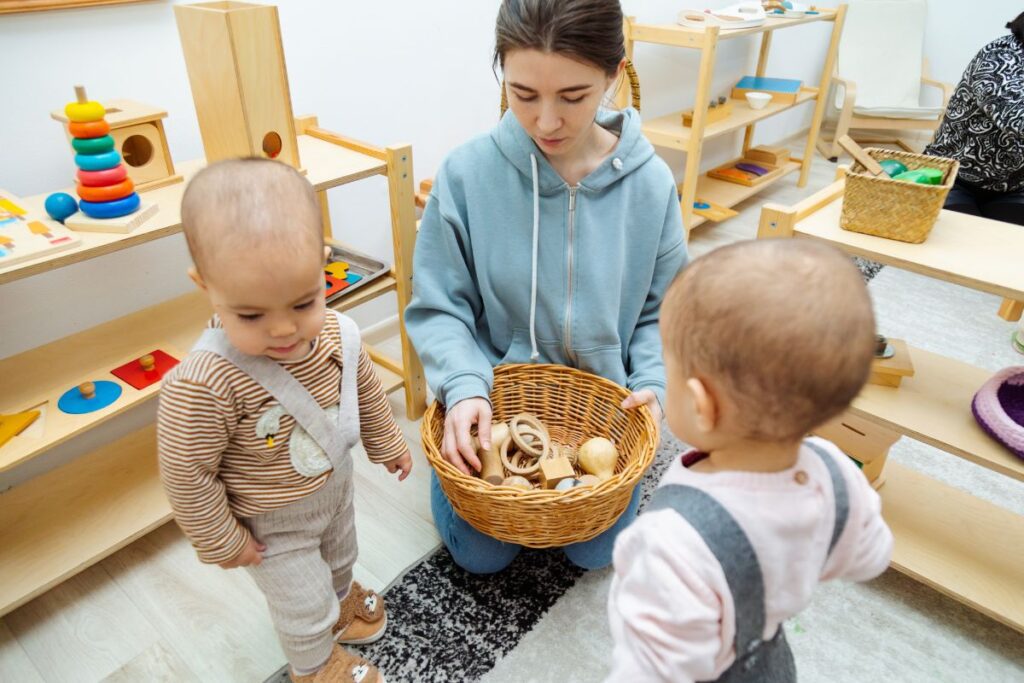
As parents and caregivers, we often find ourselves surrounded by toys that, over time, become forgotten or neglected. With so many options available, it's easy for children to become overwhelmed by the sheer amount of toys at their disposal.
A creative toy rotation system can be an effective way to reduce clutter, maximize playtime, and enhance learning experiences.
By rotating toys regularly, you can foster focused engagement, encourage exploration, and help your child discover new ways to play.
In this article, we will explore different toy rotation systems and how they can benefit your child’s development.
Why Toy Rotation Works
Toy rotation is a strategy where toys are grouped and presented to children in intervals, allowing them to focus on a smaller selection of toys at any given time.
Instead of overwhelming children with too many choices, a toy rotation system offers a simplified and organized environment that encourages deeper play and exploration.
1. Reduces Clutter and Overstimulation
One of the main benefits of a toy rotation system is that it helps reduce the clutter in your home. By limiting the number of toys available at once, children are less likely to become overstimulated or distracted.
With fewer choices, they can focus on one toy or activity at a time, which promotes concentration and creativity.
 2. Maximizes Engagement and Interest
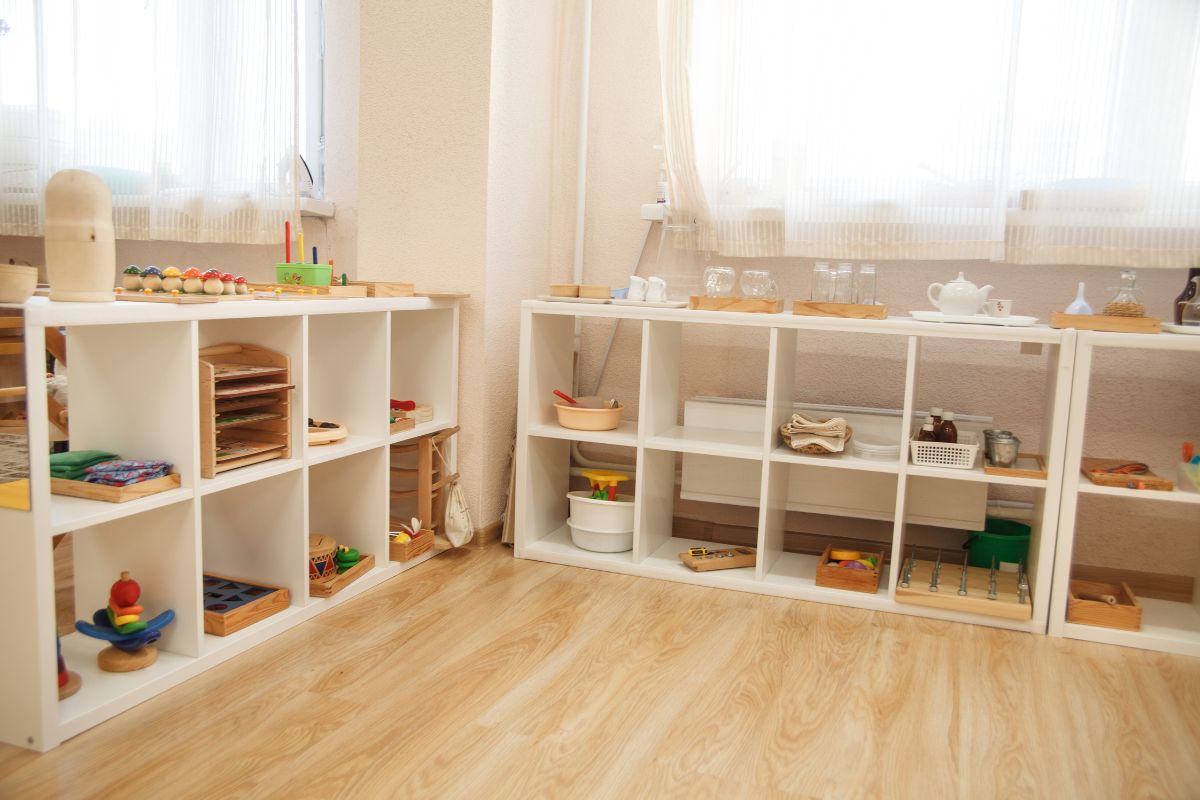 2. Maximizes Engagement and Interest
When toys are rotated, children have a greater sense of excitement and novelty each time a new selection is introduced. This constant change prevents boredom and helps keep your child engaged in the toys they have.
As a result, they are more likely to return to their toys with fresh enthusiasm, eager to explore them again.
3. Encourages Learning and Skill Development
A well-planned toy rotation system can enhance your child's cognitive and developmental skills. By introducing age-appropriate toys at regular intervals, you encourage them to develop problem-solving abilities, fine motor skills, and creative thinking.
Moreover, certain toys can be paired to promote learning through play, such as puzzles and blocks that reinforce concepts like shapes and colors.
How to Set Up a Toy Rotation System
Setting up a toy rotation system doesn’t have to be complicated. It requires thoughtful planning, organization, and consistency. Below are some effective strategies to help you get started.
1. Assess Your Toy Collection
Before you begin rotating toys, take inventory of the toys you already own. Group them based on categories like educational toys, building blocks, pretend play, and sensory toys.
This step will help you identify what toys are being underutilized and which ones may be missing from your collection. Be mindful of toys that offer open-ended play, as they tend to have more learning potential.
2. Decide on the Rotation Frequency
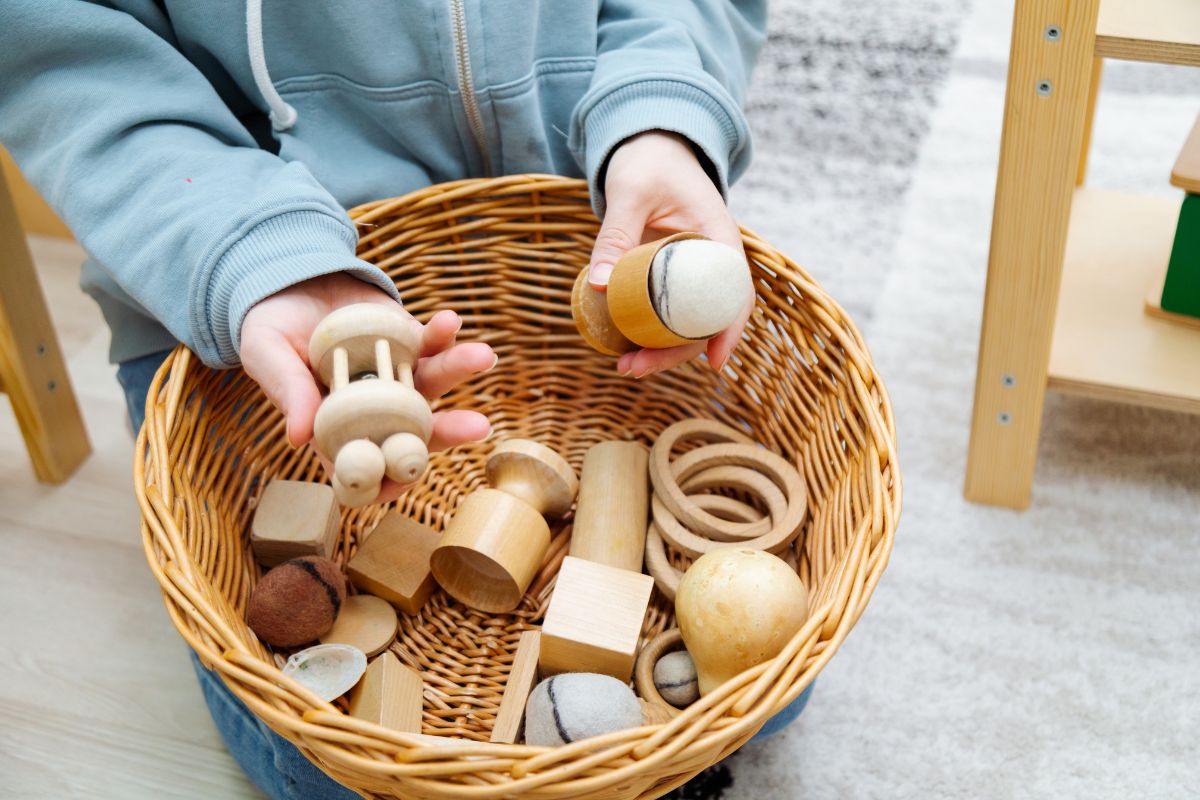 2. Decide on the Rotation Frequency
Deciding how often to rotate toys depends on your child’s age, attention span, and preferences. For toddlers and younger children, a rotation every 1-2 weeks may work best, as they tend to focus on one or two toys at a time.
Older children may benefit from a rotation every 3-4 weeks, depending on their play habits. The goal is to keep the rotation manageable and maintain excitement about the toys in the rotation.
3. Choose the Right Number of Toys
When selecting toys to include in the rotation, avoid overwhelming your child with too many options. A good starting point is to rotate 4-6 toys at a time for younger children, and up to 8-10 toys for older children.
Limit the number of toys to ensure that your child can focus and explore them more thoroughly. You can always adjust the number based on how your child responds.
4. Store the Non-Rotated Toys
To keep the toy rotation system organized, store the toys that are not in use in bins, baskets, or storage boxes. Label the containers by category or toy type for easy access.
Keeping these toys out of sight will increase their novelty and help maintain the excitement when they are reintroduced to the rotation.
5. Create a Routine
Consistency is key when it comes to toy rotation. Set a specific time each week or month to switch out the toys in the rotation. Involve your child in the process by letting them help choose the toys they’d like to play with next.
This routine will help your child become accustomed to the system and keep them engaged in the process.
Creative Ways to Organize and Rotate Toys
 Creative Ways to Organize and Rotate Toys
There are several creative ways to organize and rotate toys, depending on your space and your child’s interests. Below are some ideas to make toy rotation more engaging and efficient.
1. Use a “Theme of the Week” Approach
One fun and educational way to rotate toys is by creating a “theme of the week.” Each week, select toys related to a specific theme, such as construction, nature, or art and creativity.
By grouping toys by theme, you can introduce new learning concepts and encourage your child to explore different types of play. For example:
Week 1: Building blocks, construction vehicles, and puzzles
Week 2: Musical instruments, art supplies, and creative play toys
Week 3: Animal figures, nature-related toys, and outdoor exploration tools
2. Incorporate Seasonal Rotations
Seasonal changes offer a perfect opportunity to rotate toys based on the time of year. For example, summer toys like sand toys and water play items can be rotated in when the weather is warm, while winter-themed toys such as sleds or snow gear can be brought out when it’s cold.
This approach not only keeps the toys fresh and exciting but also ties playtime to the seasons and helps children learn about different times of the year.
3. Introduce New Educational Toys Gradually
Instead of overwhelming your child with a large number of educational toys all at once, introduce them gradually through the rotation system.
Rotate in learning tools such as alphabet blocks, number games, or shape sorters as your child grows and shows interest in specific areas. This way, they can engage with educational toys at an appropriate pace, without feeling rushed or distracted.
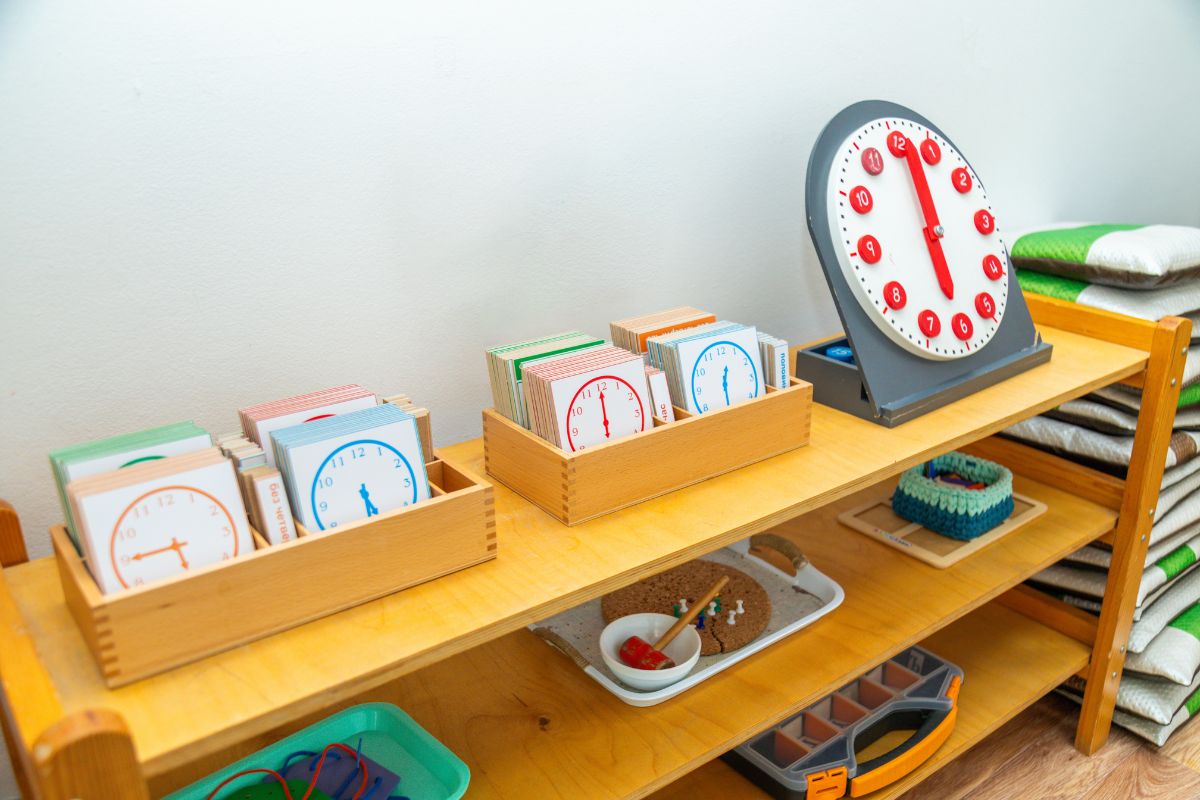
4. Use Open Shelving for Easy Access
 4. Use Open Shelving for Easy Access
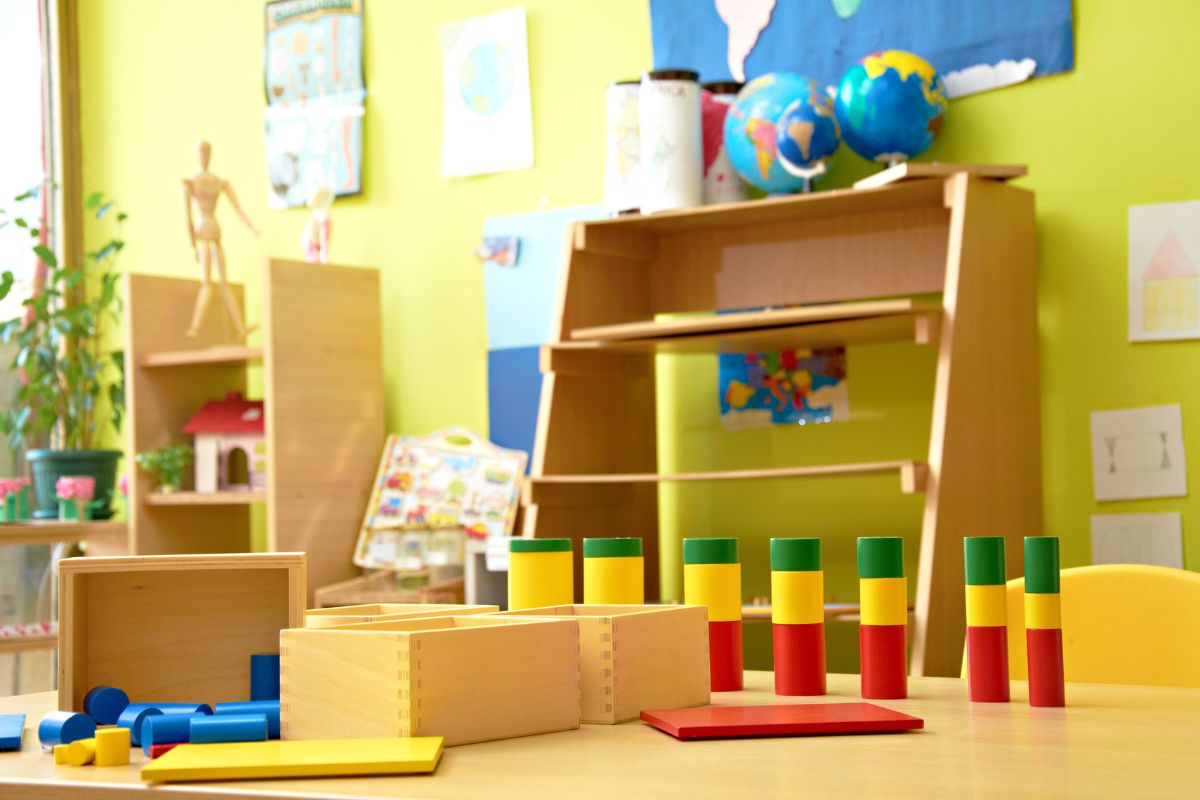
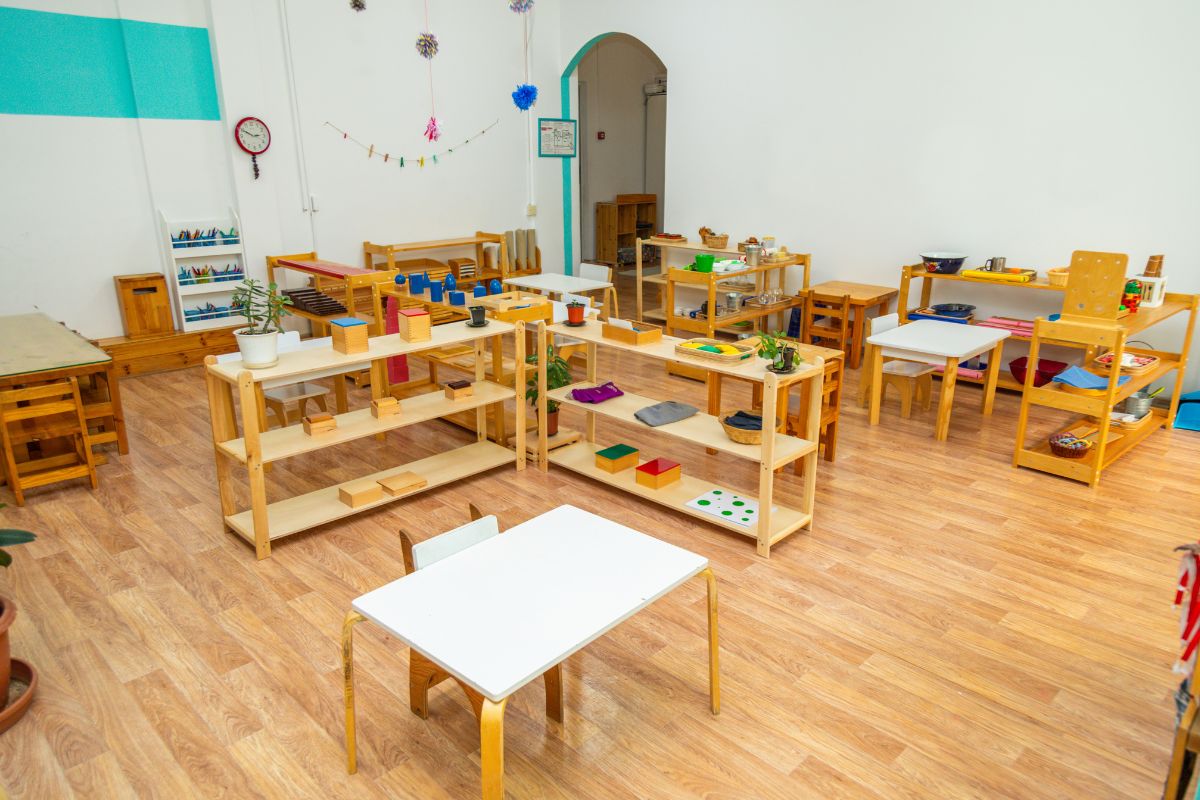
Consider using open shelving to store rotated toys, as it makes it easy for both you and your child to see what’s available for play. By placing toys within easy reach, you encourage your child to independently choose what they’d like to play with.
This fosters independent decision-making and helps them become more organized with their toys.
Benefits of Toy Rotation Beyond Play
Toy rotation isn’t just about keeping toys fresh and exciting for your child—it also offers additional benefits for both children and parents. Here are some additional advantages:
1. Encourages Problem-Solving and Critical Thinking
When toys are rotated, your child has more opportunity to experiment and discover new ways to play. This encourages critical thinking and problem-solving skills as they figure out how to use toys in creative ways.
For example, puzzles may be revisited with a fresh perspective, or building blocks can be used to create more complex structures.
2. Reduces Overwhelming Choices
 2. Reduces Overwhelming Choices
Too many toys can be overwhelming for young children, leading to frustration or a lack of focus. A toy rotation system ensures that your child has a manageable number of toys to choose from at any given time, which can help them focus more and engage deeply in their play.
3. Promotes Long-Term Interest in Toys
Rather than losing interest in a toy after a few uses, toy rotation can help maintain a child’s interest in their toys over the long term. By keeping the toys fresh and exciting, you increase the likelihood that your child will continue to enjoy them and return to them regularly.
Maximizing Play and Learning with a Simple System
A creative toy rotation system is a powerful tool that can help you maximize the benefits of play while reducing clutter and overstimulation. By thoughtfully organizing and rotating toys, you provide your child with the opportunity to engage deeply in learning, creativity, and problem-solving.
This simple yet effective strategy not only fosters a more focused and enriching play experience but also supports your child’s cognitive development and emotional well-being.
With a little planning and consistency, toy rotation can become an essential part of your child’s growth and exploration.
Did you find this post useful or inspiring? Save THIS PIN to your PARENTING Board on Pinterest! 😊

You may also like