
- Urbaki Parenting
- Toys
- The Benefits of Using Natural Materials in Toys and Play Spaces
The Benefits of Using Natural Materials in Toys and Play Spaces

These days, parents and caregivers are paying more attention to how materials affect the environment and children's health. One of the biggest changes in children's products has been the move toward natural materials in toys and play spaces.
From wooden blocks to organic cotton mats, more and more families are opting for eco-friendly, sustainable, and non-toxic options. But beyond being good for the environment, natural materials offer a host of benefits for children’s development, safety, and overall well-being.
In this article, we will explore the many advantages of using natural materials in toys and play spaces, focusing on their impact on both the environment and children’s growth.
Why Choose Natural Materials for Toys?
Natural materials, such as wood, cotton, wool, and bamboo, have been used for centuries in the creation of children’s toys and furniture. While synthetic materials often dominate the toy market today, there are several compelling reasons to choose natural materials for children’s products.
1. Healthier and Safer for Children
One of the most important considerations when choosing toys and play equipment is safety. Many toys made from synthetic materials contain chemicals like phthalates, lead, or BPA, which can be harmful to a child’s health.
These chemicals are often used to make plastic more durable or flexible but can pose significant risks, especially in toys that babies or toddlers put in their mouths.
On the other hand, natural materials are typically free from harmful chemicals and toxins. Wood, for example, is a durable, non-toxic material that is both safe for children and friendly to the environment.
Organic cotton, hemp, and wool are other excellent natural choices for toys and fabrics, as they are free from pesticides and chemical treatments commonly used in conventional farming.
 2. Encourages Sensory Development
 2. Encourages Sensory Development
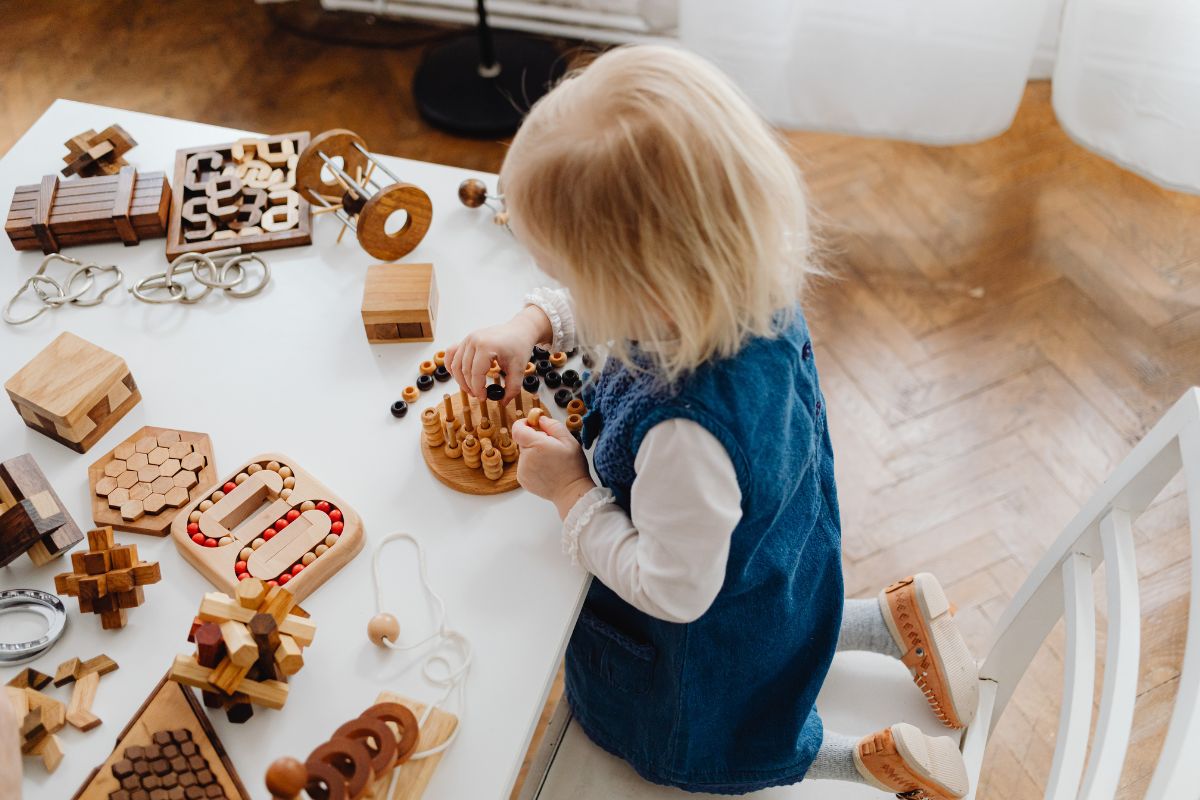
Toys made from natural materials offer a more sensory-rich play experience for children. Unlike plastic toys, which can feel cold, hard, or unappealing to the touch, natural materials often have unique textures, smells, and finishes that engage a child’s senses in a deeper way.
Wooden toys have a warm, tactile feel that invites children to touch, grip, and explore. The natural grains and textures of wood provide rich sensory feedback, which helps babies and toddlers refine their fine motor skills.
Fabric toys made from materials like organic cotton or wool are soft and comforting, making them ideal for snuggling, while also promoting emotional development.
These sensory experiences matter a lot for a child's development, because they help build curiosity, problem-solving skills and creativity.
3. Stimulates Imagination and Creativity
Natural materials have a simplicity and raw beauty that can stimulate imagination in children. Unlike brightly colored plastic toys with specific functions or features, toys made from wood or fabric allow for open-ended play.
Wooden blocks, for instance, can be stacked, knocked down, and rearranged into countless forms, encouraging children to think creatively and develop spatial awareness.
When toys are made from natural materials, they often have a more minimalistic design, which can spark creativity. This simplicity encourages children to use their imagination to invent new games, stories, and ways of interacting with their toys.
In contrast, toys made from synthetic materials often come with predefined functions, limiting the scope of imagination and independent play.
The Environmental Impact of Natural Materials
 The Environmental Impact of Natural Materials
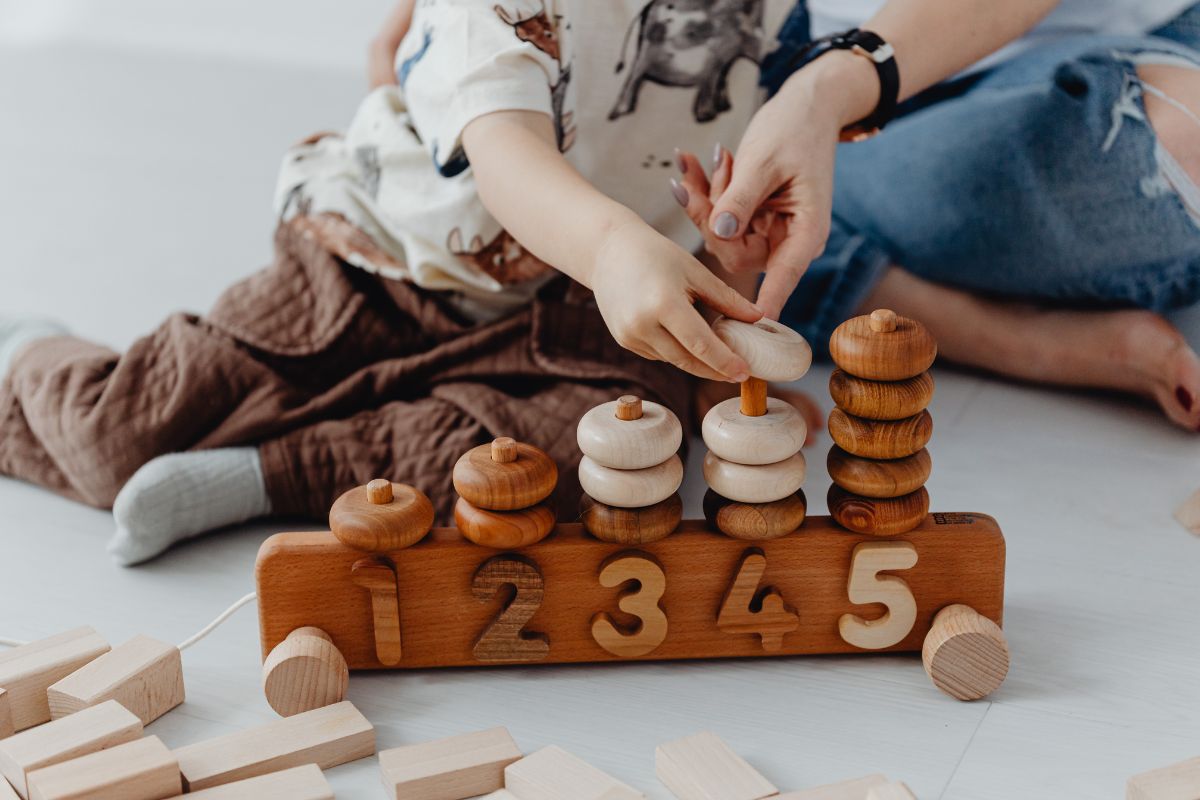
Choosing toys made from natural materials also has a positive impact on the environment. Many natural materials are renewable, biodegradable, and require fewer chemicals to produce compared to their synthetic counterparts.
1. Sustainability
Natural materials like wood (from responsibly managed forests), bamboo, and hemp are renewable resources that can be replenished over time. When sourced sustainably, these materials help reduce the environmental impact associated with manufacturing and waste.
For example, bamboo grows rapidly and requires little water or pesticides, making it an excellent eco-friendly option for toys and play equipment.
In addition, natural materials are often biodegradable. Unlike plastic toys, which can take hundreds of years to break down in landfills, wooden toys and cotton-based fabrics decompose naturally, reducing the long-term environmental footprint of the products.
2. Reducing Toxic Waste
As the world becomes more aware of plastic pollution, the importance of reducing plastic waste cannot be overstated. Natural materials are a great way to help cut down on plastic consumption.
By choosing toys made from sustainable materials, parents can contribute to a significant reduction in plastic production and waste.
Many synthetic toys also contain non-biodegradable components like PVC and styrofoam, which contribute to environmental degradation when discarded. Opting for toys made from natural, organic materials helps minimize these harmful effects.
3. Ethical Manufacturing
 3. Ethical Manufacturing
Many manufacturers who specialize in toys made from natural materials focus on ethical and sustainable production methods. This includes ensuring fair wages for workers, reducing carbon footprints, and using environmentally friendly packaging.
By supporting these companies, consumers are promoting better environmental and social practices.
The Aesthetic and Emotional Value of Natural Materials
Beyond the practical and environmental benefits, natural materials also offer a sense of aesthetic beauty that can be emotionally enriching for both children and parents.
1. Timeless Appeal
Wooden toys and play furniture have a classic, timeless quality that plastic simply cannot replicate. Over time, these products often develop a patina or rich finish that adds character and warmth to any play space.
For parents, having natural materials in the home can create a calming, more peaceful atmosphere, contributing to the overall design and feel of the home.
2. Nurturing Emotional Connections
 2. Nurturing Emotional Connections
Natural materials, by their very nature, create a sense of connection to the earth. This connection can have a calming effect on children, particularly in play spaces where they are encouraged to engage with the materials in a tactile way.
The organic textures of wood, cotton, and wool can bring a sense of comfort and security, creating an environment that promotes emotional well-being.
Embracing Natural Materials for a Healthier, More Creative Play Environment
Incorporating natural materials into toys and play spaces offers a variety of benefits that go beyond just being environmentally friendly. These materials contribute to a child’s health and safety, stimulate their creativity, and promote a deeper connection to the world around them.
By choosing natural materials, parents are not only providing their children with safer and more enriching play experiences, but they are also supporting sustainability and ethical practices in the toy industry.
By embracing natural materials in toys and play spaces, we are giving our children the gift of a more wholesome and nurturing environment, where their imaginations can flourish, and their connection to the world can grow.
Did you find this post useful or inspiring? Save THIS PIN to your PARENTING Board on Pinterest! 😊


I'm Rachel, and my days are full of school runs, snack requests and craft supplies all over the kitchen table. I'm not a pediatrician or a child psychologist, just a parent sharing the ideas, activities and routines that make family life a little easier and a lot more fun. For anything health-related, always check with your child's doctor.

You may also like