
The Benefits of Multisensory Toys for Toddlers with Sensory Processing Issues

Sensory processing issues are common among toddlers and can affect how they perceive and react to stimuli in their environment.
These issues can involve difficulties in processing sensory input such as sounds, textures, and visual stimuli, which can lead to discomfort, overwhelm, or even behavioral challenges.
Multisensory toys, which engage more than one sense at a time, can be an effective tool in supporting toddlers with sensory processing issues. These toys provide opportunities for children to explore and integrate sensory experiences in a controlled and enjoyable way.
In this article, we will explore the benefits of multisensory toys for toddlers with sensory processing issues and how they can support emotional, physical, and cognitive development.
What Are Sensory Processing Issues?
Sensory processing issues occur when the brain has trouble receiving, organizing, or responding to sensory information. This can result in toddlers becoming either overly sensitive or under-responsive to sensory stimuli. Some common signs of sensory processing issues in toddlers include:
Overreacting to certain textures, sounds, or lights.
Seeking out intense sensory experiences, such as touching everything or making loud noises.
Avoiding certain sensations, like being touched or certain fabrics.
Difficulty transitioning from one activity to another due to sensory overload.
By addressing these challenges, parents and caregivers can help toddlers develop better coping strategies and enhance their sensory integration. Multisensory toys are specifically designed to engage multiple senses, allowing toddlers to process and respond to sensory input in a more balanced and controlled way.
 The Role of Multisensory Toys
 The Role of Multisensory Toys
Multisensory toys are designed to stimulate more than one of a child's senses at a time—such as sight, touch, hearing, and even taste or smell.
These toys provide rich sensory experiences that can support brain development, motor skills, and emotional regulation in toddlers, especially those with sensory processing issues.
By using a multisensory approach, these toys help children integrate sensory information in a way that encourages exploration and learning.
1. Encouraging Sensory Integration
Sensory integration is the process by which the brain organizes and makes sense of the sensory information it receives. Multisensory toys help facilitate this process by providing different types of input simultaneously.
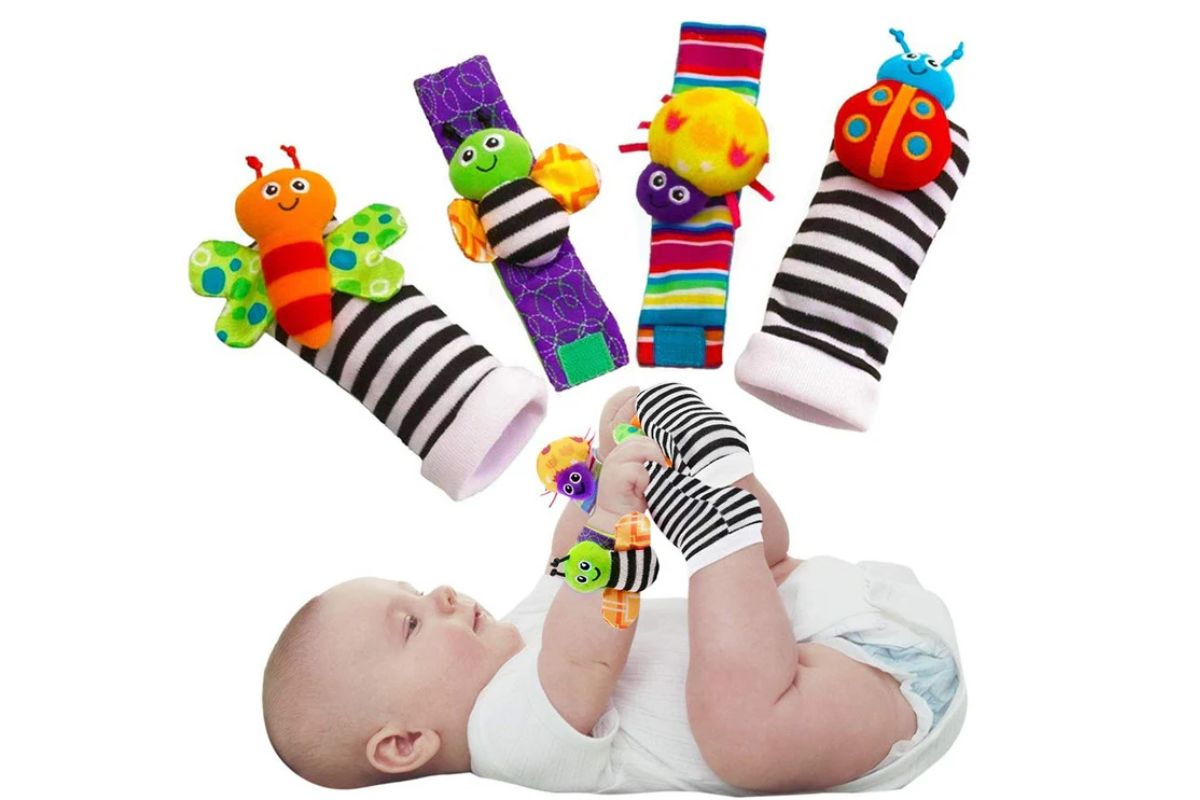
For example, a toy that combines soft textures, bright colors, and sounds can help toddlers with sensory processing issues practice integrating all these inputs in a cohesive manner.
By engaging multiple senses at once, these toys create a safe and stimulating environment where toddlers can practice adapting to and processing sensory input. Over time, this can help them respond to sensory stimuli in a more balanced and less overwhelming way.
2. Improving Focus and Attention
Toddlers with sensory processing issues often struggle to focus on a single task due to being easily distracted or overwhelmed by sensory stimuli. Multisensory toys can help improve a child’s ability to focus by providing a structured and engaging way to practice attention.
For example, a musical toy that responds to touch can encourage a toddler to concentrate on the task at hand—pressing buttons or turning knobs to create sounds.
When toddlers are given the opportunity to explore a toy that stimulates multiple senses, they are more likely to stay engaged for longer periods of time, which can enhance their ability to focus both in play and other activities.
3. Enhancing Emotional Regulation
 3. Enhancing Emotional Regulation
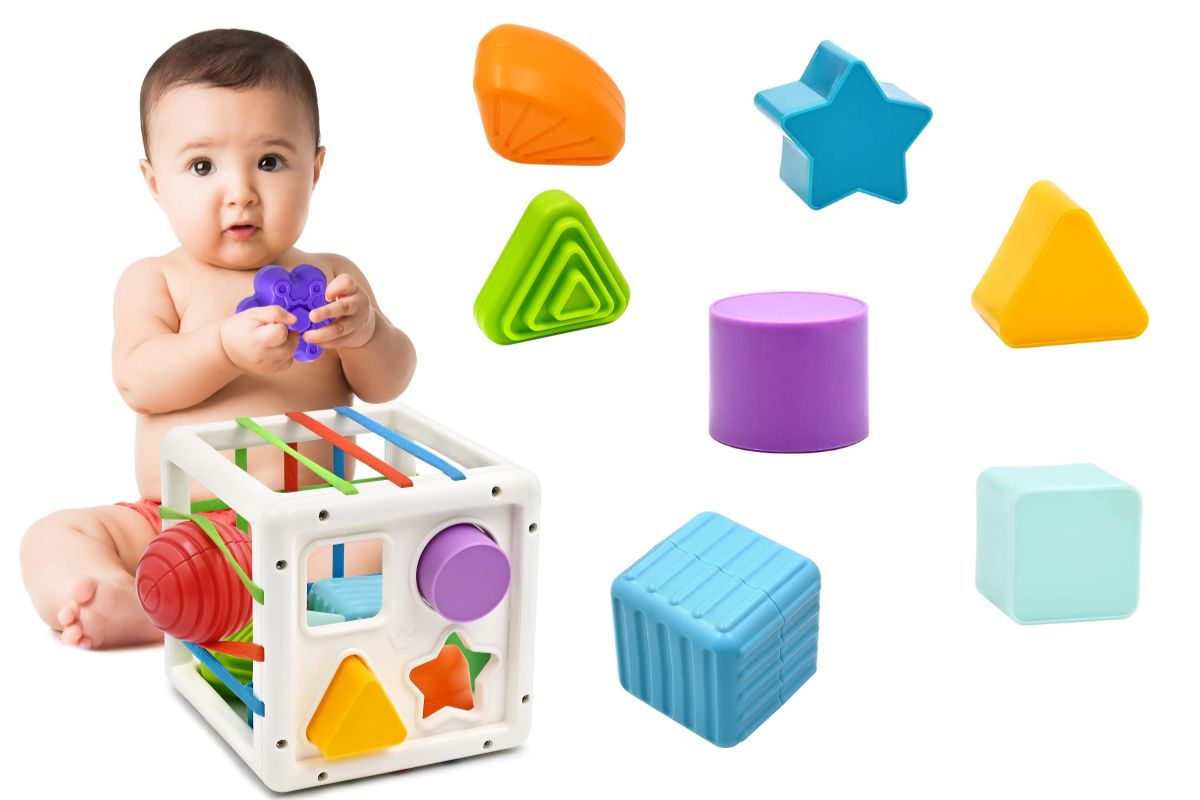
For toddlers with sensory processing issues, regulating emotions can be a challenge, especially when they are overwhelmed by sensory stimuli. Multisensory toys can help toddlers practice self-regulation by providing a calming and predictable experience.
For example, a light-up toy that changes colors in response to touch can provide soothing visual feedback, while a textured ball can engage the sense of touch and provide a calming tactile experience.
By allowing toddlers to engage with multisensory toys at their own pace, they can learn to recognize and manage their emotional responses in a controlled environment. This promotes self-soothing and helps them develop coping strategies for when they experience sensory overload or frustration.
Types of Multisensory Toys for Toddlers with Sensory Processing Issues
Different types of multisensory toys can address a variety of sensory processing challenges. Below are a few examples of multisensory toys that can be particularly beneficial for toddlers with sensory processing issues:
1. Textured Toys
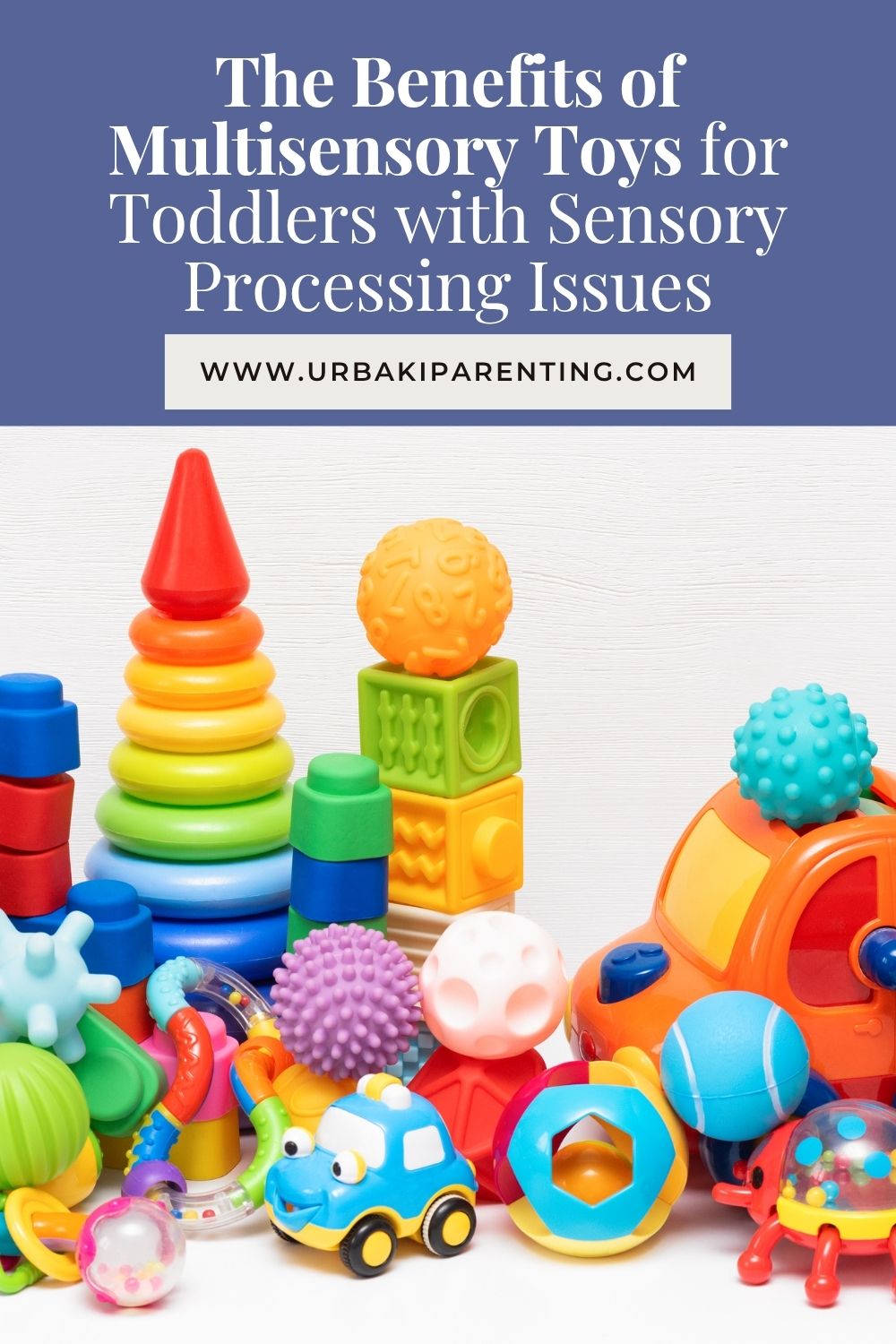
Textured toys engage the sense of touch, which can be especially helpful for toddlers who are sensitive to certain textures or need to practice tactile exploration. Textured toys can include:
Textured balls or cushions that encourage tactile exploration.
Tactile books with raised patterns or soft fabrics to engage the sense of touch.
Sensory bins filled with materials like rice, sand, or water that toddlers can scoop, pour, and explore.
These types of toys can help toddlers become more comfortable with different textures and allow them to explore sensory experiences in a controlled and enjoyable way.
2. Musical Toys
 2. Musical Toys
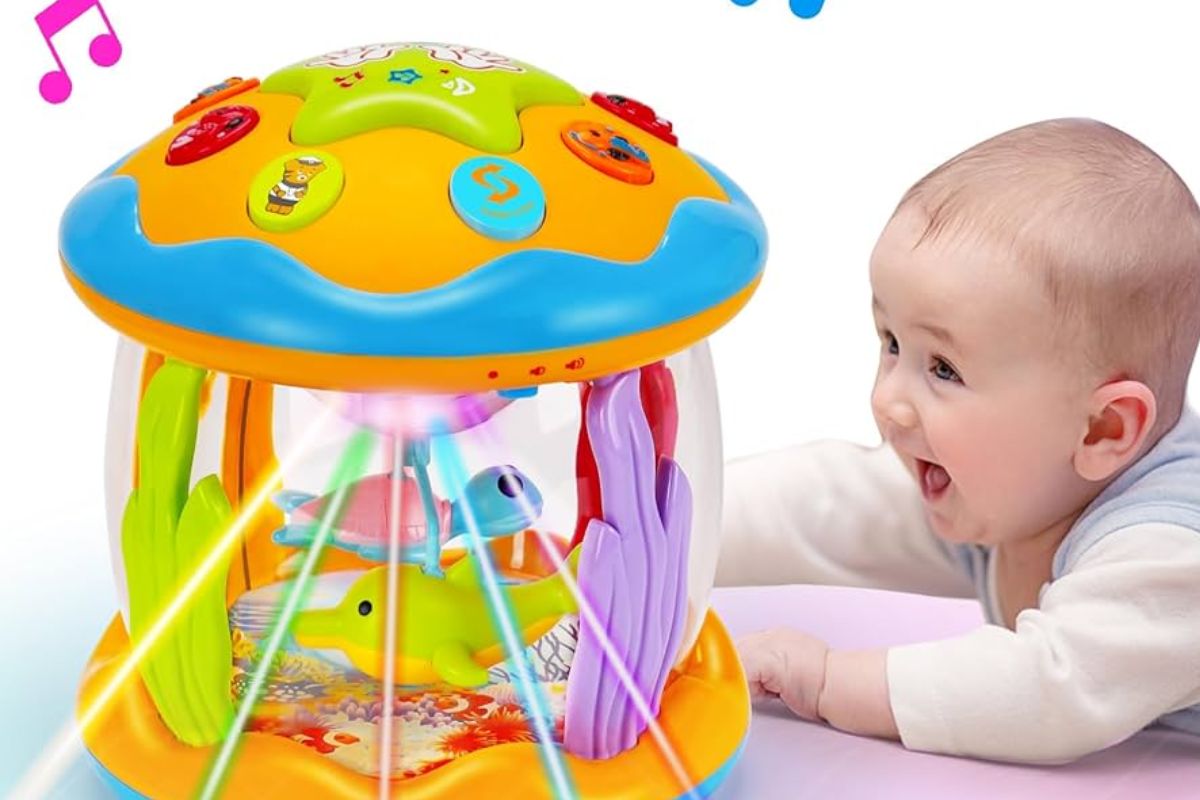
Toys that produce sound, such as musical instruments, singing toys, or sound-making plush toys, can help engage a toddler’s sense of hearing.
For toddlers who struggle with auditory processing, musical toys can be a great way to encourage attention to sound and help them distinguish between different tones and volumes.
For example, a xylophone or drum can allow toddlers to explore rhythm and sound, while a singing toy or interactive book with sounds can provide auditory feedback as they engage with the toy.
3. Light-Up and Interactive Toys
Toys that combine visual and tactile stimuli, such as light-up toys or toys that respond to touch, can engage a toddler’s sense of sight and touch simultaneously. These types of toys often provide visual feedback, such as flashing lights or changing colors in response to a child’s actions.
This can be particularly beneficial for toddlers who need to learn how to manage sensory overload by offering a predictable and calming sensory experience.
Interactive toys that involve pressing buttons, pulling levers, or turning knobs can also encourage motor skills development while engaging multiple senses at once.
4. Calming Toys
For toddlers who become easily overstimulated or anxious, calming multisensory toys can help them relax and self-soothe.
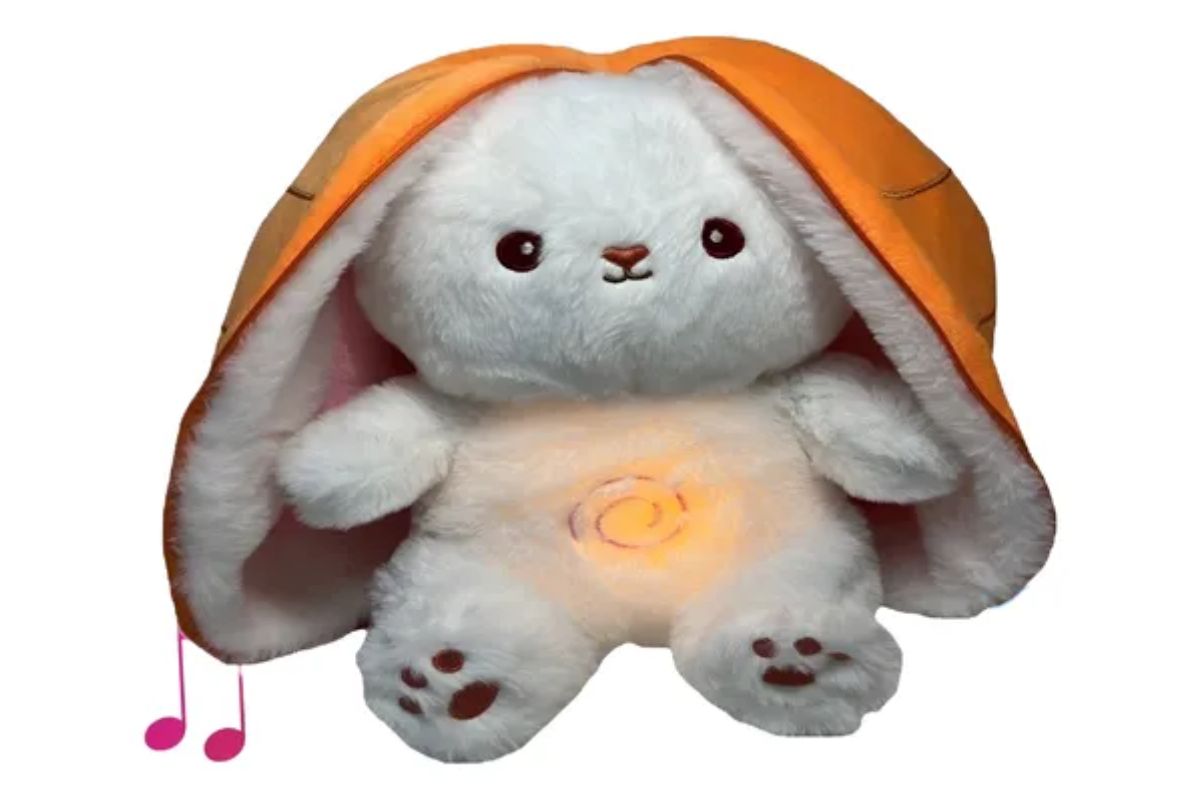
Soft, weighted blankets, sensory bottles filled with glitter or liquid, and squeeze toys that offer gentle pressure can provide a calming effect and help toddlers manage sensory processing challenges in a more soothing manner.
Supporting Sensory Development with Multisensory Toys
 Supporting Sensory Development with Multisensory Toys
Multisensory toys are an invaluable resource for toddlers with sensory processing issues. These toys provide a safe and engaging way for children to explore and integrate sensory stimuli, improving their language development, focus, emotional regulation, and physical coordination.
By mixing tactile, visual and auditory input, multisensory toys help toddlers as they learn to understand and handle the sensory world around them.
For parents and caregivers, incorporating these toys into daily routines can help toddlers navigate sensory challenges and build a strong foundation for future development.
By choosing toys that engage multiple senses, parents can create an environment that encourages learning, exploration, and growth in a supportive and enjoyable way.
Did you find this post useful or inspiring? Save THIS PIN to your PARENTING Board on Pinterest! 😊


You may also like