
DIY Eco-Friendly Toy Ideas That Boost Cognitive Development
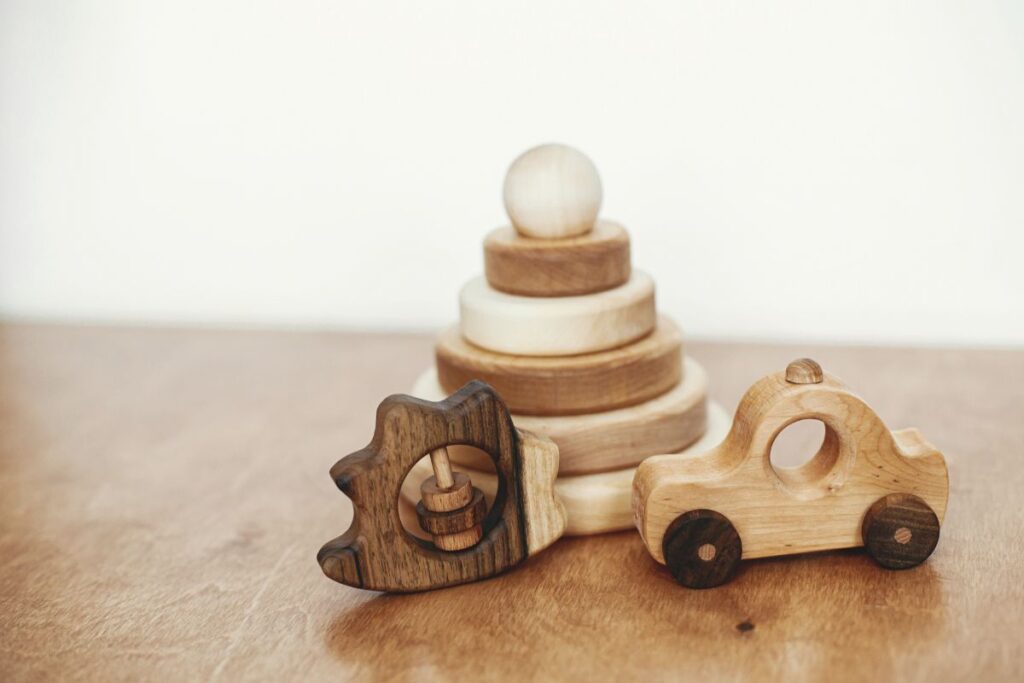
In today’s world, parents are becoming increasingly aware of the importance of fostering cognitive development in their children from an early age.
One way to promote this growth is through play, and what better way to combine fun with learning than by creating DIY eco-friendly toys? Not only are these toys a sustainable choice, but they can also help children develop essential cognitive skills, such as problem-solving, creativity, and memory.
In this article, we’ll explore some easy-to-make, eco-friendly toy ideas that can boost your child’s cognitive development, while also being kind to the planet. These simple yet effective toys offer an engaging way for your child to play, learn, and grow.
Why Choose Eco-Friendly Toys?
Before diving into the toy ideas, it’s important to understand why choosing eco-friendly toys is such a good decision. Traditional plastic toys contribute to environmental harm, often ending up in landfills or polluting oceans.
By opting for eco-friendly materials such as wood, fabric, or recycled materials, parents can help reduce their environmental footprint while providing safe and natural alternatives for their children.
Additionally, eco-friendly toys are often more durable, non-toxic, and designed to last longer. Many of these toys also encourage creative thinking and exploration, which are essential for cognitive development.
 Cognitive Benefits of DIY Toys
 Cognitive Benefits of DIY Toys
Before we dive into the projects, let’s first discuss how DIY toys can contribute to your child’s cognitive development:
Problem-Solving: Building and figuring out how to use toys encourages kids to think critically and solve problems on their own.
Creativity and Imagination: DIY toys often require kids to imagine different ways of playing, which fosters creativity.
Memory and Learning: Interactive toys can help children improve their memory and learning skills as they associate objects with different tasks or functions.
Fine Motor Skills: Many DIY toys require children to manipulate objects, which helps develop their fine motor skills and hand-eye coordination.
Now, let’s explore some fun and simple DIY eco-friendly toy ideas that will support your child’s cognitive growth.
1. Wooden Stacking Blocks
Materials Needed:
Small wooden blocks (you can use leftover pieces of wood or purchase eco-friendly, untreated blocks)
Sandpaper
Non-toxic paint or natural dyes
How to Make:
 How to Make:
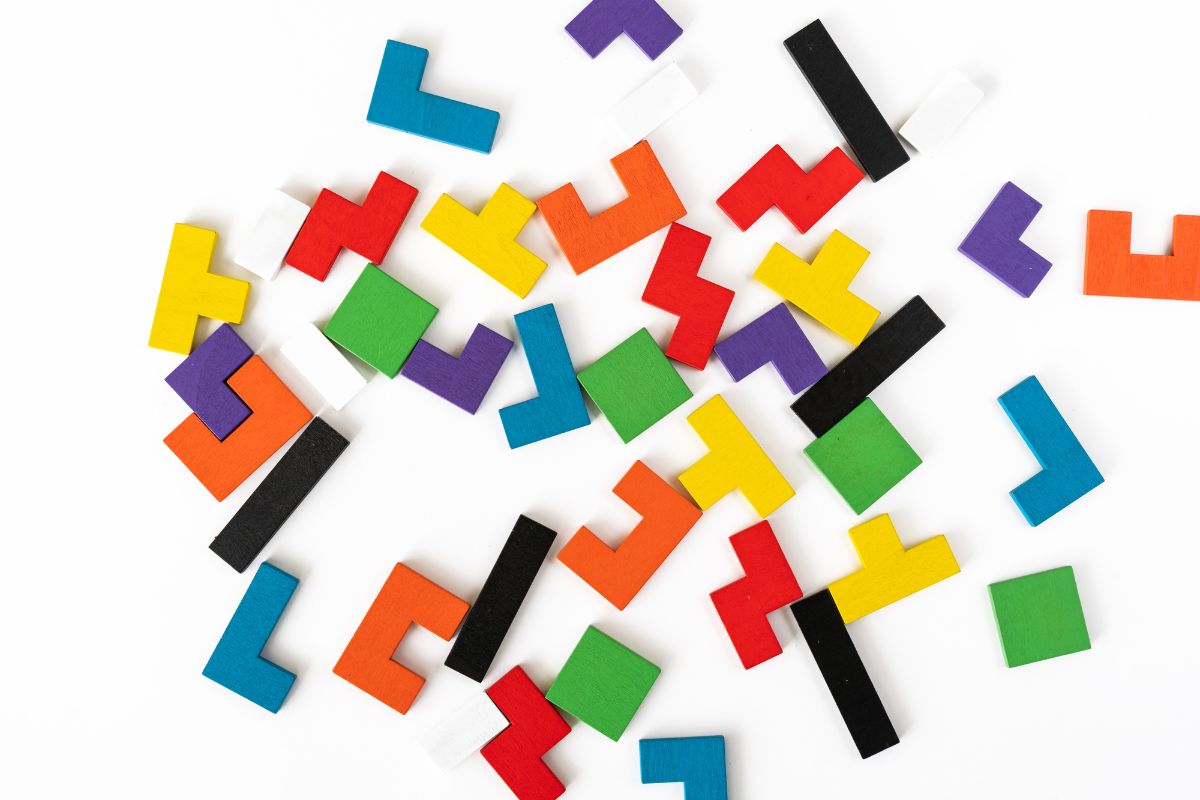
Wooden stacking blocks are a classic toy that helps children improve their problem-solving skills and fine motor development. Simply cut or buy small wooden blocks and sand them down for smooth edges.
To make the blocks visually appealing, use non-toxic paints or natural dyes to decorate them.
Children can stack these blocks in various ways, which will help improve their spatial awareness, planning, and problem-solving skills.
This toy also allows children to experiment with shapes and sizes while promoting creativity as they design their own structures.
2. Sensory Bottles
Materials Needed:
Empty plastic bottles or glass jars
Natural materials like rice, beans, or dried flowers
Non-toxic glue or tape
How to Make:
Sensory bottles are fantastic for stimulating a child’s sensory development. They can engage in visual tracking, sound identification, and cause-and-effect thinking as they interact with the bottles.
To create a sensory bottle, fill an empty bottle or jar with rice, beans, or small natural materials like dried flowers or pebbles. You can even add glitter or colored water for extra excitement.
Seal the lid securely with non-toxic glue or tape, and let your child shake, roll, or listen to the bottle. This activity will help improve their sensory processing skills, as well as their attention span and focus.
3. Recycled Paper Puzzle
 3. Recycled Paper Puzzle
Materials Needed:
Old cardboard boxes or cereal boxes
Scissors
Non-toxic markers or paints
How to Make:
Recycled paper puzzles are a wonderful way to engage your child’s problem-solving skills and memory. Start by cutting a piece of cardboard into a square or rectangular shape.
Then, draw a simple image or pattern on the cardboard. Cut the cardboard into several pieces to create a puzzle.
Your child can now practice putting the pieces together, improving their hand-eye coordination and spatial reasoning. You can increase the difficulty by making more complex images or cutting the pieces into smaller shapes as your child gets better at solving puzzles.
4. Fabric Memory Match Game
Materials Needed:
Scrap fabric (use old clothes or fabric scraps)
Scissors
Non-toxic fabric glue or a sewing kit
How to Make:
 How to Make:
A fabric memory match game is a perfect toy for boosting memory and concentration in toddlers and preschoolers. Cut fabric scraps into small squares (around 3-4 inches).
Glue or sew pairs of fabric squares together, ensuring that each pair has a unique design or color. You can even add shapes, letters, or numbers to make the game more educational.
Once the fabric squares are ready, turn them face down and encourage your child to pick two at a time, trying to match the designs. This simple game helps improve their memory recall and concentration, while also encouraging them to practice visual discrimination.
5. Nature-Inspired Art Kit
Materials Needed:
Collect natural materials such as leaves, twigs, pebbles, and flowers
Recycled paper
Non-toxic glue
How to Make:
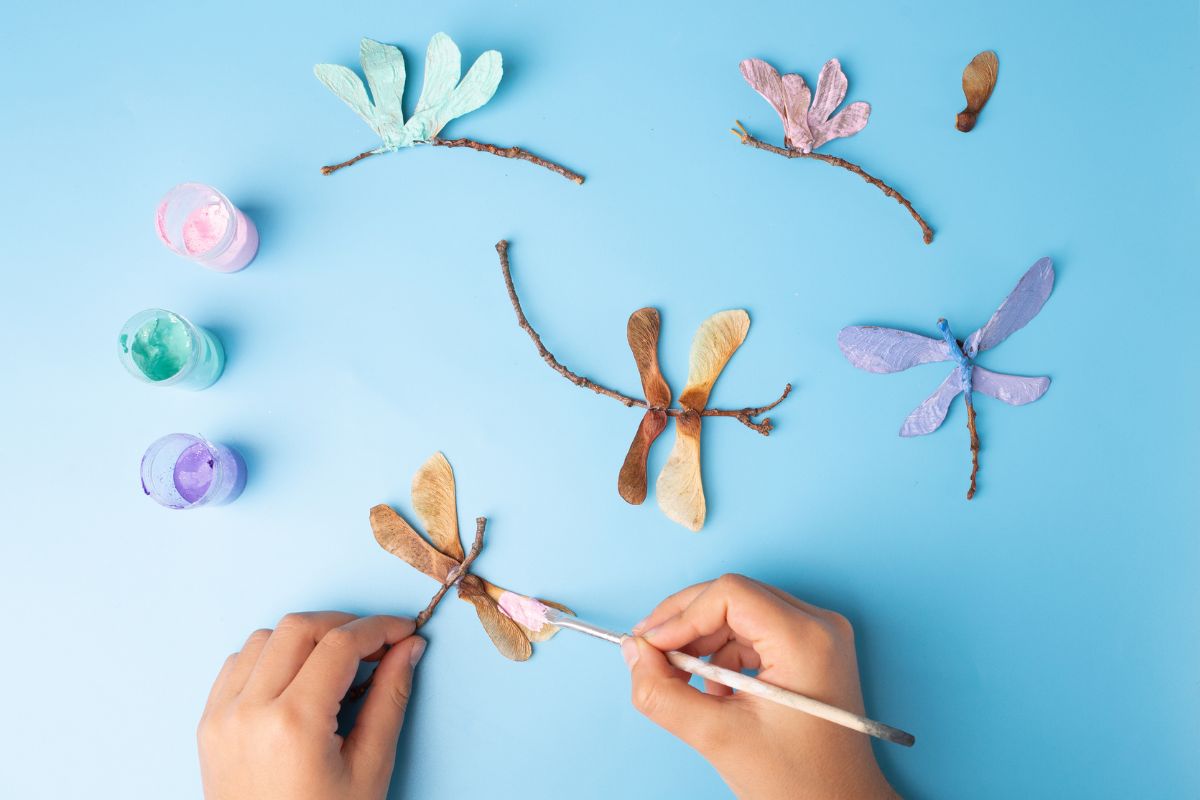
This activity combines nature exploration with creativity. Take your child outdoors and collect various natural items like leaves, twigs, pebbles, and flowers. Once home, lay out some recycled paper and encourage your child to arrange and glue the items onto the paper to create unique nature-inspired art.
This craft fosters creativity and imagination, as your child explores the textures and colors of natural materials. It also helps with fine motor skills as they arrange the pieces and apply glue. Additionally, the process encourages your child to learn about the environment and the materials they are using.
6. Homemade Play Dough
 6. Homemade Play Dough
Materials Needed:
1 cup of flour
½ cup of salt
½ cup of water
1 tbsp of cream of tartar
Natural food coloring or vegetable dyes
How to Make:
Homemade play dough is an excellent eco-friendly option for creative play. Mix flour, salt, water, and cream of tartar in a bowl to form dough. Divide the dough into separate portions and add natural food coloring or vegetable dyes to make different colors.
Playing with play dough helps toddlers develop their fine motor skills, creativity, and problem-solving abilities as they roll, pinch, and mold the dough into shapes. This toy also encourages imaginative play, helping children create animals, buildings, or anything they can imagine.
Nurturing Cognitive Growth with DIY Eco-Friendly Toys
DIY eco-friendly toys are not only a sustainable choice but also a powerful tool for fostering cognitive development in children. These simple toys encourage creativity, problem-solving, fine motor skills, and memory—all while helping to reduce waste and promote a greener planet.
By making these toys at home, you can actively contribute to your child’s growth while teaching them the importance of sustainability. Whether through puzzles, sensory play, or nature-inspired crafts, these DIY projects offer endless possibilities for fun and learning.
So, gather your materials, get creative, and start building these eco-friendly toys today. Not only will your child benefit from the cognitive development these toys offer, but you’ll also be setting a great example for a more environmentally conscious future.
Did you find this post useful or inspiring? Save THIS PIN to your PARENTING Board on Pinterest! 😊

You may also like