
Family Activities Inspired by World Cultures to Promote Inclusivity

In today’s interconnected world, it’s more important than ever to foster inclusivity and cultural understanding in our families.
One of the most effective ways to promote these values is through shared family activities that explore diverse cultures from around the globe.
By incorporating world cultures into family time, parents can help their children develop a deeper respect for different traditions, customs, and beliefs while having fun together.
In this article, we will explore a range of family activities inspired by world cultures that can promote inclusivity and bring your family closer.
Discovering the Joy of International Cuisine
Cooking together is a great way to introduce your family to the culinary traditions of different countries.
Food is an essential part of every culture, and preparing international dishes can help your family understand the rich history and flavors that define each cuisine.
Start by picking a country each month and researching a traditional recipe from that region. For example, you could try making Mexican tacos, Indian samosas, Italian pasta, or Japanese sushi.
Let the children participate in age-appropriate tasks like chopping vegetables or assembling ingredients. Cooking not only brings families together but also offers a hands-on way to learn about the significance of food in various cultures.
Additionally, after the meal, take the opportunity to discuss the cultural context of the dishes, such as their origins and the role they play in local festivals.
 Embracing Traditional Music and Dance
 Embracing Traditional Music and Dance
Music and dance are deeply embedded in cultures worldwide, and they provide an engaging and dynamic way to connect with the traditions of different regions.
Listening to world music together and trying out cultural dances can be a fun and educational experience for all ages.
For instance, you could introduce your family to the lively beats of Brazilian samba, the elegant movements of Indian classical dance, or the rhythmic steps of African drumming.
Encourage family members to participate in dance workshops or simply move along to the music in the living room. YouTube offers a wide variety of tutorials for cultural dances, making it easy to learn together.
Besides the enjoyment, these activities also help children appreciate the role of music and dance in community life and celebrations across the globe.
Art and Craft Projects from Different Cultures
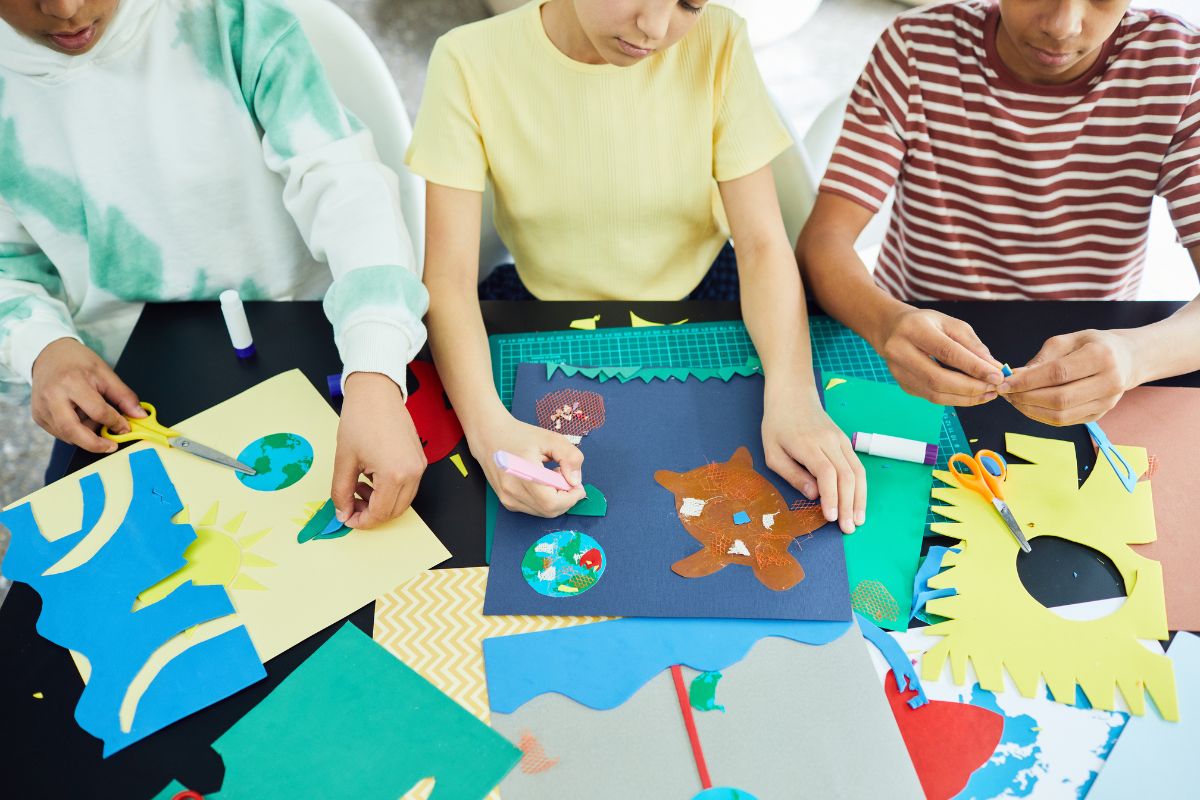
Art is another wonderful medium to explore world cultures. Different regions have distinct art styles and techniques, and creating artwork inspired by these traditions can offer family members a deeper understanding of cultural heritage.
Cultural crafts often reflect the values, landscapes, and histories of a community, making them a valuable tool for learning.
For example, you could explore Japanese origami, Mexican papel picado (cut paper), or African beadwork. These crafts can be made with simple materials and offer an opportunity for hands-on learning.
Not only will children enjoy the creative process, but they will also gain insight into the cultural significance behind each art form.
You can turn these projects into a family tradition, setting aside time to create new crafts inspired by different cultures every month.
Storytelling and World Folklore
 Storytelling and World Folklore
Stories are powerful tools for teaching children about the values, dreams, and struggles of other people.
Reading folktales from different cultures exposes children to diverse perspectives and teaches them important lessons about empathy, respect, and community.
Choose a selection of folktales from various regions—such as Greek mythology, African folk tales, or Native American legends—and read them together.
Afterward, discuss the moral lessons of each story and reflect on how they relate to the values your family holds dear.
If your children enjoy storytelling, encourage them to create their own tales based on the themes and characters from different cultures. This activity fosters creativity, imagination, and cultural understanding.
Celebrate Global Holidays and Festivals
Festivals are an excellent way to immerse your family in the customs and traditions of other cultures. Many countries have unique celebrations that offer a glimpse into their history and values.
By celebrating these festivals at home, your family can experience the joy and unity that come with cultural traditions.
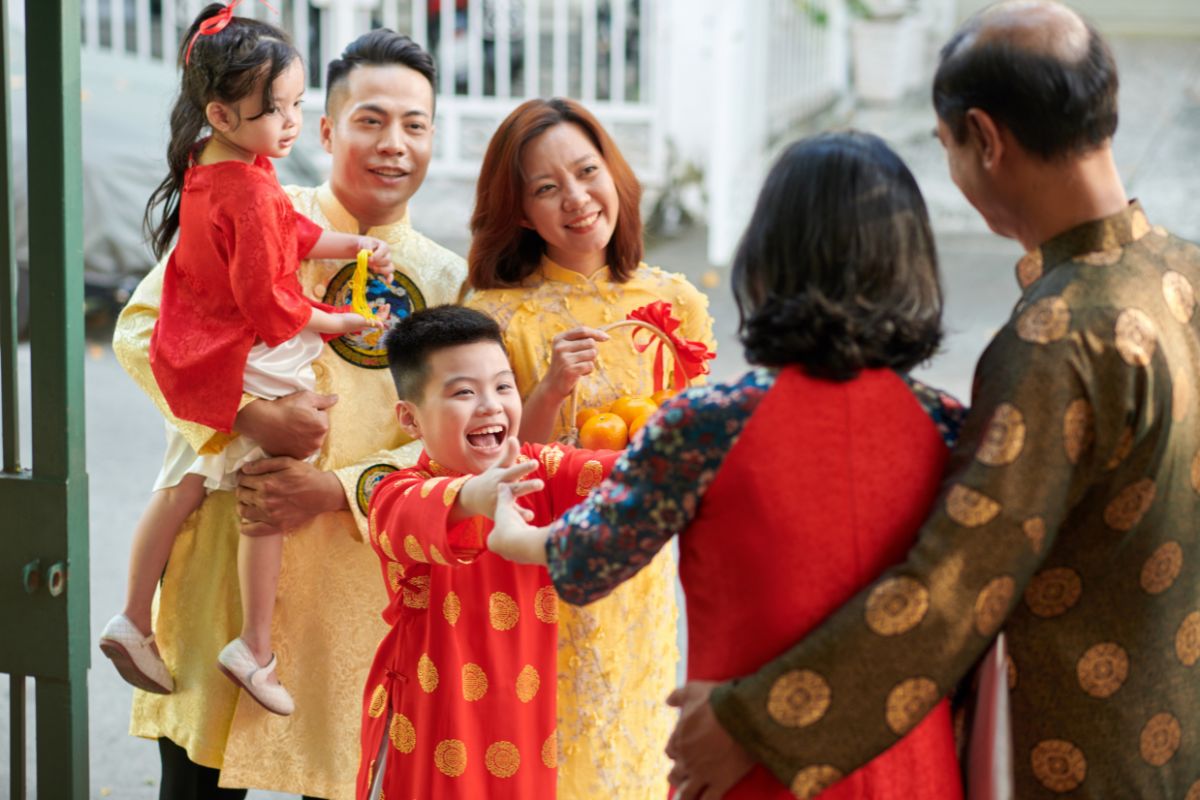
For example, Chinese New Year is a colorful and vibrant celebration marked by traditional foods, lion dances, and family gatherings.
Diwali, the Hindu festival of lights, celebrates the triumph of good over evil and is often marked by the lighting of lamps, singing, and feasting. Carnival in Brazil is a lively celebration with music, dancing, and costumes.
Choose a holiday from a different culture each year and celebrate it with your family, making traditional decorations, cooking festive meals, and learning about the significance of the event.
Building Cultural Awareness Through Travel
 Building Cultural Awareness Through Travel
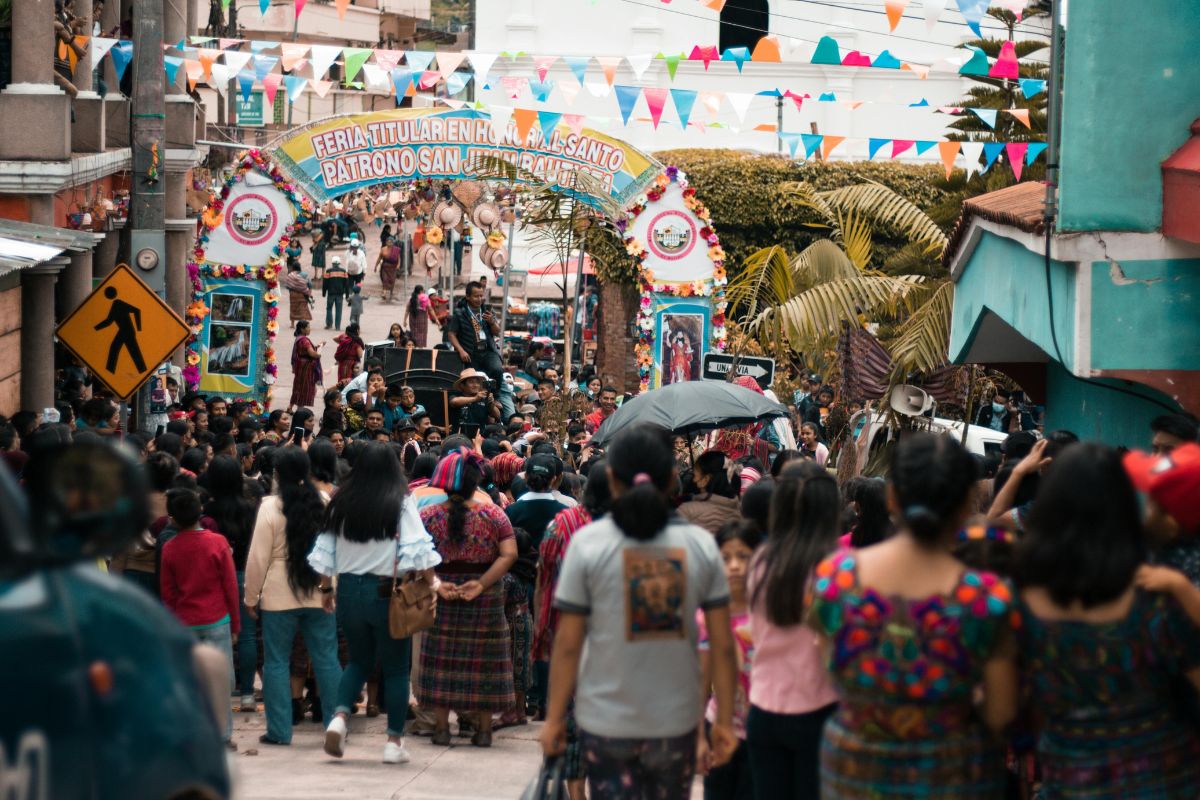
If possible, traveling is one of the most impactful ways to experience new cultures. Although international travel may not always be feasible, local cultural festivals, museums, and cultural centers offer valuable learning experiences.
Visiting places where diverse communities gather can give your family firsthand exposure to different cultural practices and traditions.
For families who cannot travel far, consider visiting local ethnic neighborhoods or cultural exhibitions at museums.
These experiences provide an opportunity to sample diverse foods, hear different languages, and observe traditional dances and performances. They also encourage curiosity and respect for cultural diversity.
Strengthening Bonds Through Cultural Appreciation
 Strengthening Bonds Through Cultural Appreciation
Incorporating family activities inspired by world cultures into your routine is not just about learning new facts—it's about fostering a deep respect for the diversity that makes our world so rich and interesting.
By engaging in these activities, families can promote inclusivity, empathy, and understanding, helping children grow up with a more global perspective.
Embrace the many ways in which cultures can enrich your life—whether through food, music, dance, crafts, stories, or travel.
By making these activities a regular part of family life, you can ensure that your home becomes a place where cultural appreciation thrives and inclusivity is celebrated.
Remember, each family activity is an opportunity to create meaningful connections and build lasting memories that will teach your children to embrace the beauty of the world’s many cultures.
Did you find this post useful or inspiring? Save THIS PIN to your PARENTING Board on Pinterest! 😊

You may also like