
Family Activities to Foster Emotional Intelligence in Kids
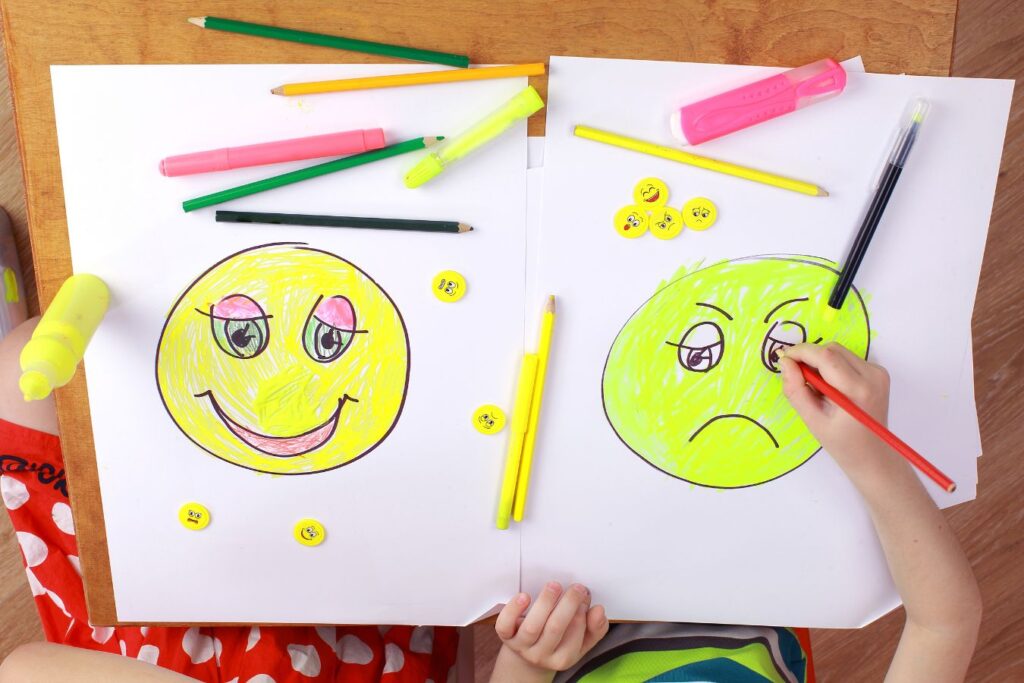
Emotional intelligence (EQ) is a vital skill that helps children navigate their feelings, understand others' emotions, and develop strong social skills.
Cultivating emotional intelligence from a young age can enhance their ability to handle stress, build healthier relationships, and make more empathetic decisions. Parents and caregivers play an essential role in guiding kids toward emotional growth.
The following family activities can help foster emotional intelligence in children while creating meaningful connections within the family.
Understanding Emotional Intelligence in Children
Before diving into the activities, it’s essential to understand what emotional intelligence in children entails. Emotional intelligence refers to a child's ability to recognize, understand, manage, and express emotions in healthy ways.
Children with strong EQ can communicate their feelings more effectively, empathize with others, and handle conflicts constructively. Encouraging emotional development through family activities helps children learn these skills naturally.
 Encourage Open Conversations About Emotions
 Encourage Open Conversations About Emotions
Creating an open environment where children feel safe to express their emotions is crucial in developing emotional intelligence. Discussing emotions regularly helps children recognize their feelings and learn how to manage them.
Family Discussion Time
Set aside time each day or week for a family check-in, where everyone shares how they’re feeling. You can introduce a feelings chart or use simple prompts like:
"What made you happy today?"
"What frustrated you?"
"What are you grateful for?"
This practice allows children to identify and articulate their emotions, which can lead to improved self-awareness and emotional regulation. It also opens the door for active listening, allowing family members to validate each other’s feelings.
Mindful Breathing and Relaxation Techniques
Teaching children to manage stress and strong emotions is a key aspect of emotional intelligence. Mindfulness and relaxation techniques can help children become more aware of their emotions and learn how to calm themselves.
Family Mindfulness Practice
 Family Mindfulness Practice
Take a few minutes each day to practice mindful breathing together. Use simple techniques, such as breathing in for four counts, holding for four counts, and breathing out for four counts.
Encourage your child to pay attention to how their body feels during the process. You can also explore guided meditation apps or calming music to further introduce relaxation practices.
This activity teaches children how to self-soothe during stressful moments and boosts emotional regulation. It helps them develop resilience, a vital component of emotional intelligence.
Role-Playing and Empathy Games
Empathy is an essential component of emotional intelligence. Understanding others’ emotions and perspectives enhances communication and strengthens relationships.
Role-playing and empathy games are fun, engaging ways to encourage kids to practice empathy and emotional understanding.
Pretend Play for Empathy Building
 Pretend Play for Empathy Building
Set up role-playing scenarios where family members take on different roles to understand various emotional experiences. For instance, one child can pretend to be a teacher, while another is a student.
Encourage them to act out how they might feel in different situations.
You can also play empathy-based board games or card games that involve taking turns and recognizing emotions. Simple activities like these help children connect with others' feelings and practice emotional perspective-taking.
Reading Books with Emotional Themes
Books are a fantastic resource for teaching emotional intelligence. Children’s books often present relatable scenarios where characters experience a range of emotions, helping kids recognize and label their feelings.
Family Storytime and Discussion
After reading a story, ask questions like:
"How do you think the character felt in this situation?"
"What would you do if you were in their shoes?"
"How did the character solve their problem?"
This activity allows kids to explore different emotions and practice empathy in a supportive environment. Plus, it gives families an opportunity to bond over shared reading experiences.
 Celebrating Emotional Wins
Acknowledge and celebrate emotional milestones or moments when your child demonstrates emotional growth. Whether it's handling a disagreement calmly or showing empathy to a friend, positive reinforcement encourages the development of emotional intelligence.
Family Praise Time
Make a habit of recognizing emotional achievements within the family. Celebrate when children exhibit good emotional control, practice empathy, or have an insightful conversation about their feelings.
Offering praise strengthens the positive behaviors and reinforces the value of emotional intelligence.
Collaborative Problem-Solving Activities
Problem-solving skills are closely tied to emotional intelligence. Children who can manage their emotions in challenging situations are better equipped to think critically and come up with solutions.
Collaborative problem-solving activities help children build resilience and learn how to cooperate with others.
Family Puzzle Night or Team Challenges
 Family Puzzle Night or Team Challenges
Work together as a family to solve puzzles, brain teasers, or other group challenges. As you tackle problems, encourage discussions about different solutions and perspectives.
Highlight moments when family members work together effectively and stay calm under pressure. These activities foster collaboration, patience, and adaptability—skills that promote emotional intelligence.
Building Emotional Intelligence One Activity at a Time
Incorporating these family activities into your routine not only strengthens your child’s emotional intelligence but also nurtures stronger family bonds.
As you encourage open conversations, practice mindfulness, engage in role-playing games, and celebrate emotional growth, your child will gain a deeper understanding of their emotions and how to navigate them.
The journey of fostering emotional intelligence is ongoing, but with consistent effort and meaningful family activities, children can develop the skills needed for healthier, more empathetic relationships and a greater sense of self-awareness.
Did you find this post useful or inspiring? Save THIS PIN to your PARENTING Board on Pinterest! 😊

You may also like