
How to Build a Child-Friendly Home Library From Scratch

Building a child-friendly home library can be a rewarding and enriching experience for both you and your child.
A well-organized, inviting library encourages a love for reading, supports early literacy skills, and creates a space where your child can explore new ideas, expand their imagination, and develop lifelong learning habits.
Whether you have a dedicated room for books or a small corner in the living room, creating a library that is both functional and engaging can be done with a few thoughtful steps.
In this article, we will guide you on how to build a child-friendly home library from scratch, focusing on practical tips for selecting the right books, organizing the space, and making the library inviting.
Why Build a Home Library?
A child-friendly home library offers numerous benefits for both parents and children. Some key reasons to build one include:
Encouraging Reading Habits: Having easy access to a variety of books promotes a love for reading and encourages children to make books a regular part of their daily routine.
Supporting Developmental Skills: Reading aloud improves language skills, vocabulary, and comprehension, while exploring new topics stimulates curiosity and cognitive development.
Creating a Cozy Reading Nook: A well-designed library creates a dedicated space where children can enjoy quiet time, relax, and immerse themselves in stories.
Building Independence: Children can independently explore their favorite books, enhancing their sense of autonomy and fostering a habit of self-guided learning.
 Steps to Building Your Child-Friendly Home Library
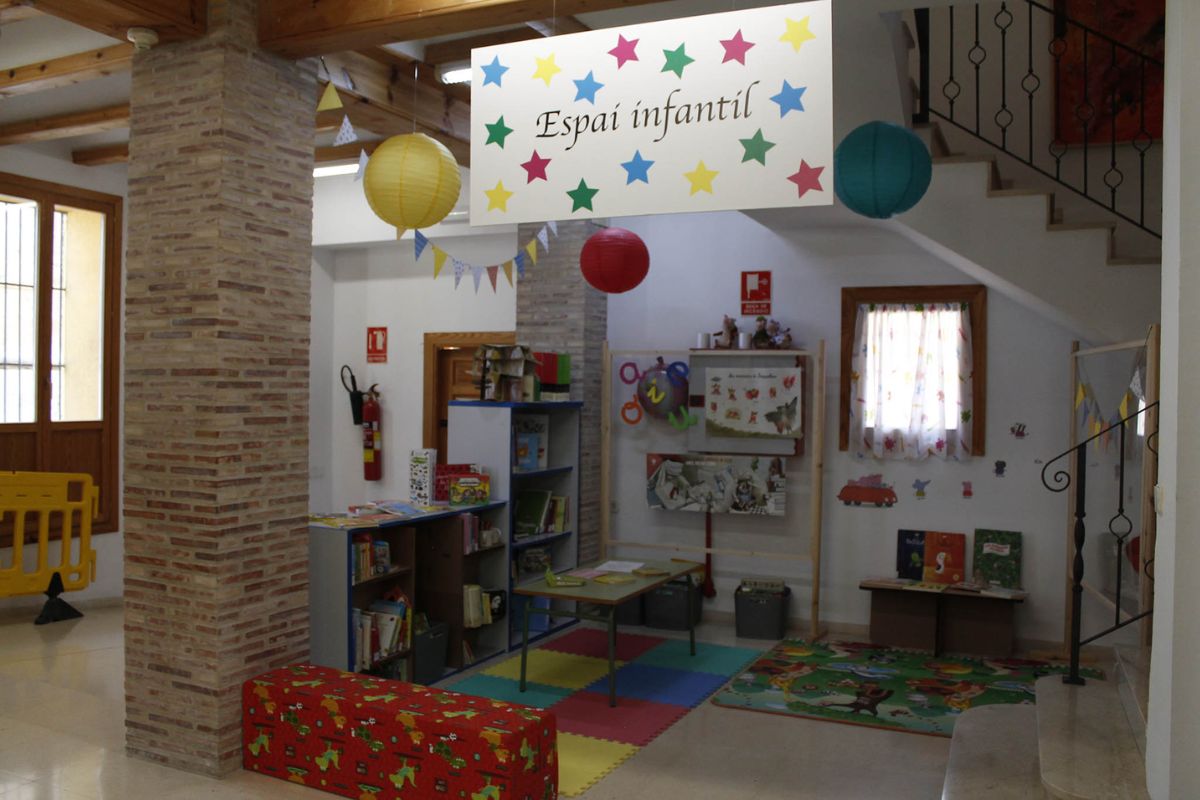 Steps to Building Your Child-Friendly Home Library
Now that you understand the importance of creating a home library, let’s break down the process into manageable steps.
1. Choosing the Right Space
The first step in building a child-friendly library is selecting the right space. It doesn’t need to be a large room; even a small corner or bookshelf nook can work wonderfully. Consider the following:
Accessible Location: Choose a spot where your child can easily reach the books without assistance. Ideally, the library should be in a high-traffic area like the living room or your child’s bedroom so that they can access it often.
Comfortable Setting: Make the area cozy with a soft rug, some cushions, or even a comfortable chair where your child can sit and read.
Quiet Environment: Select a spot away from distractions like televisions or noisy appliances to ensure your child can focus and enjoy their reading time.
2. Selecting Books for All Ages and Interests
Building a collection of books that suits your child’s age, interests, and developmental stage is key to making the library engaging. Follow these guidelines to curate a great selection:
Age-Appropriate Books: Start with board books and interactive books for babies and toddlers, progressing to picture books, early readers, and eventually chapter books as your child grows. Be sure to include non-fiction books on subjects they’re interested in, such as animals, space, or dinosaurs.
Diverse Topics: Include a mix of fiction and non-fiction books. Fiction books, like fairy tales and adventure stories, will spark your child’s imagination, while non-fiction books help them learn about the world around them.
Inclusive Representation: Choose books that feature diverse characters and represent a variety of cultures, backgrounds, and experiences. This encourages empathy, inclusivity, and helps broaden your child’s worldview.
Interactive and Educational Books: Books with textures, flaps, or sounds can captivate younger children, while activity books, educational guides, and storybooks with lessons can help develop skills in older children.
3. Organizing the Library for Easy Access
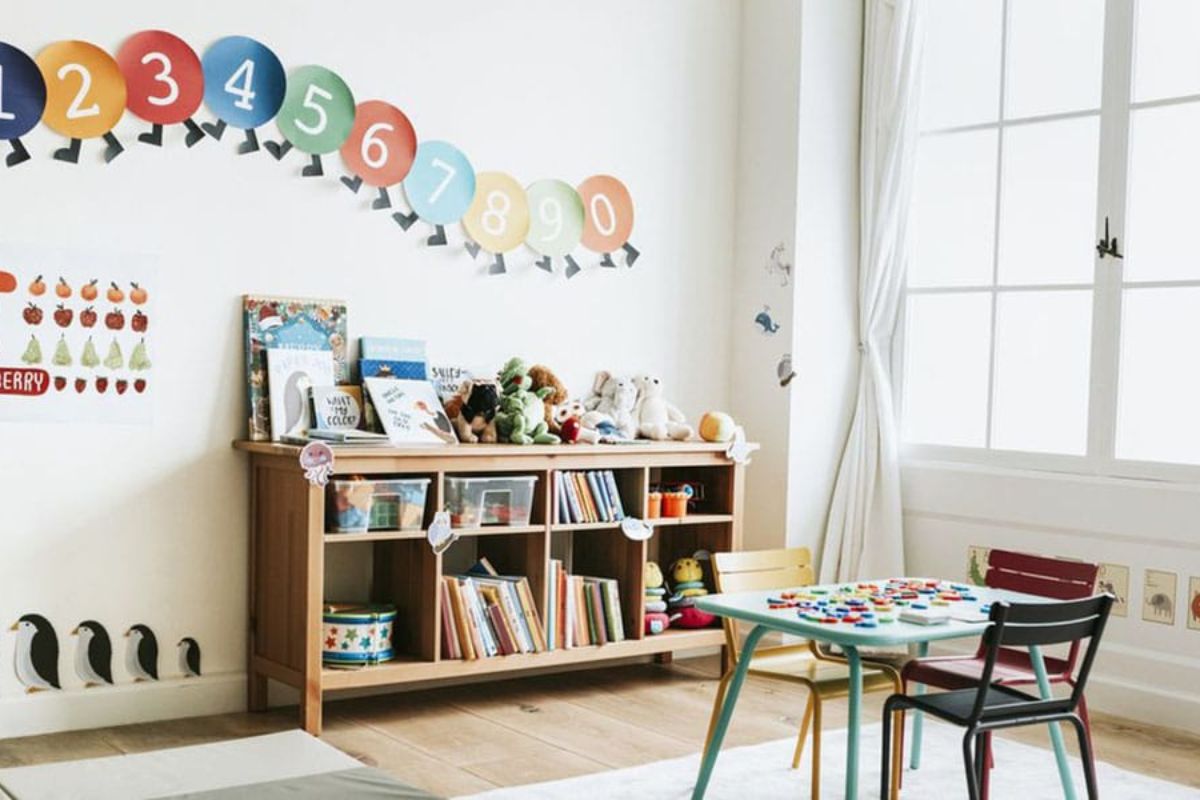 3. Organizing the Library for Easy Access
An organized library allows your child to easily navigate and select their favorite books. A clutter-free and accessible space encourages independence and responsibility. Here’s how to organize your child’s books effectively:
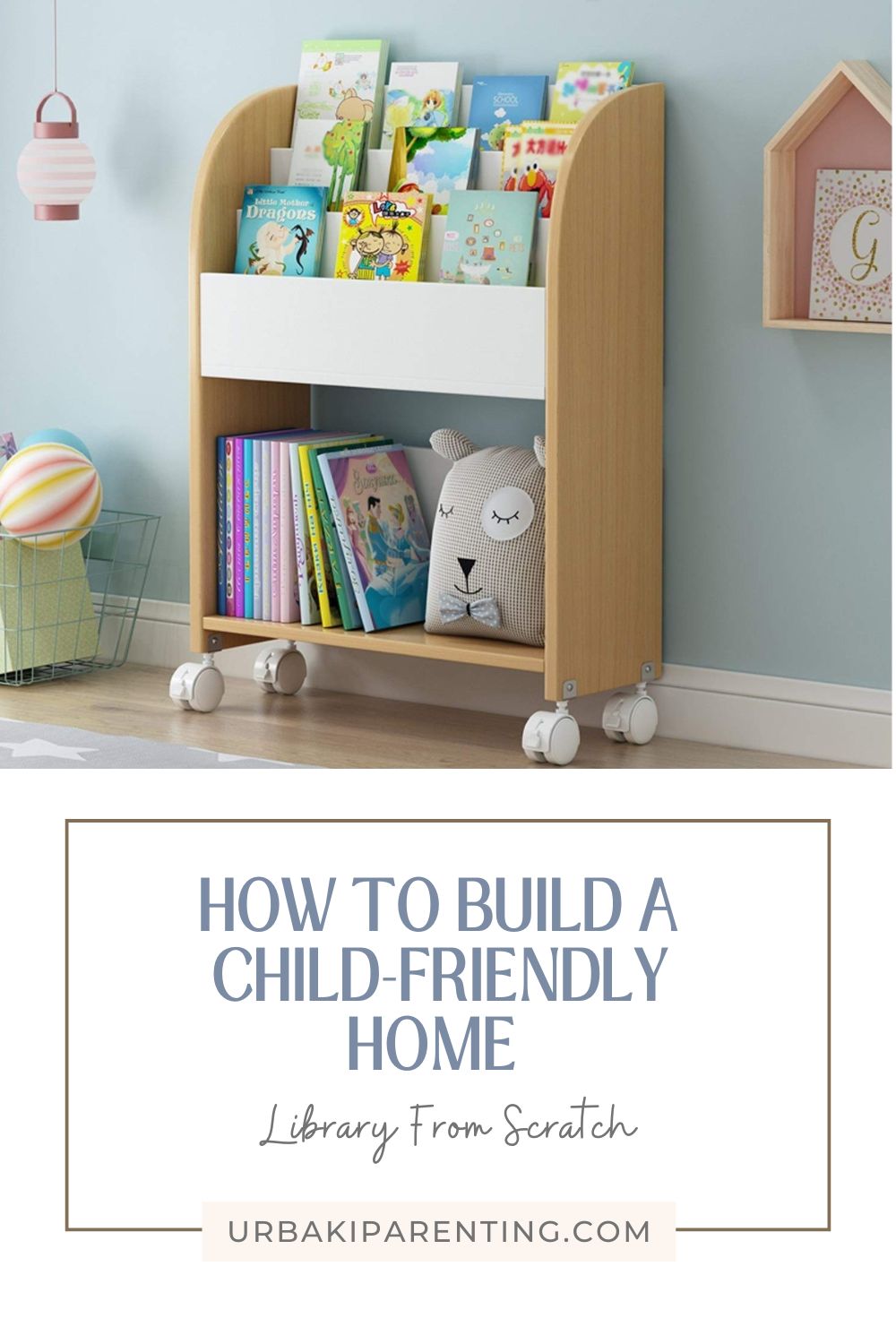
Low Shelves and Bins: Invest in low, sturdy shelves or bins that your child can reach. A bookshelf with adjustable shelves allows you to make space for books of different sizes as your collection grows.
Labeling: Label shelves or bins with clear, colorful labels, especially as your child grows older. You can label by book categories (e.g., “Animals,” “Adventure,” “Bedtime”), which will help your child understand how to organize their books.
Rotating the Collection: Keep the collection fresh by rotating books every few weeks. This prevents the library from feeling stale and introduces your child to new stories and themes.
Displaying Favorites: Keep a small selection of your child’s current favorites on a separate shelf or table for easy access. This makes it easy for them to grab a beloved book and encourages regular reading.
4. Creating a Comfortable and Inviting Atmosphere
The key to a successful child-friendly library is creating a space that feels welcoming and cozy. When children enjoy spending time in their library, they’re more likely to develop a love for reading. Consider these tips for enhancing the atmosphere:
Soft Lighting: Add soft, ambient lighting, such as a floor lamp or string lights, to make the space feel warm and inviting. Avoid harsh, bright lights that could create a distracting or uncomfortable environment.
Cushions and Rugs: A soft rug and a few cushions can make reading time more comfortable. Create a cozy nook where your child can snuggle up with their books, fostering a sense of relaxation and focus.
Personal Touches: Add personalized touches such as framed art, your child’s drawings, or decorative elements that reflect their interests and make the space uniquely theirs.
5. Encouraging Regular Reading Time
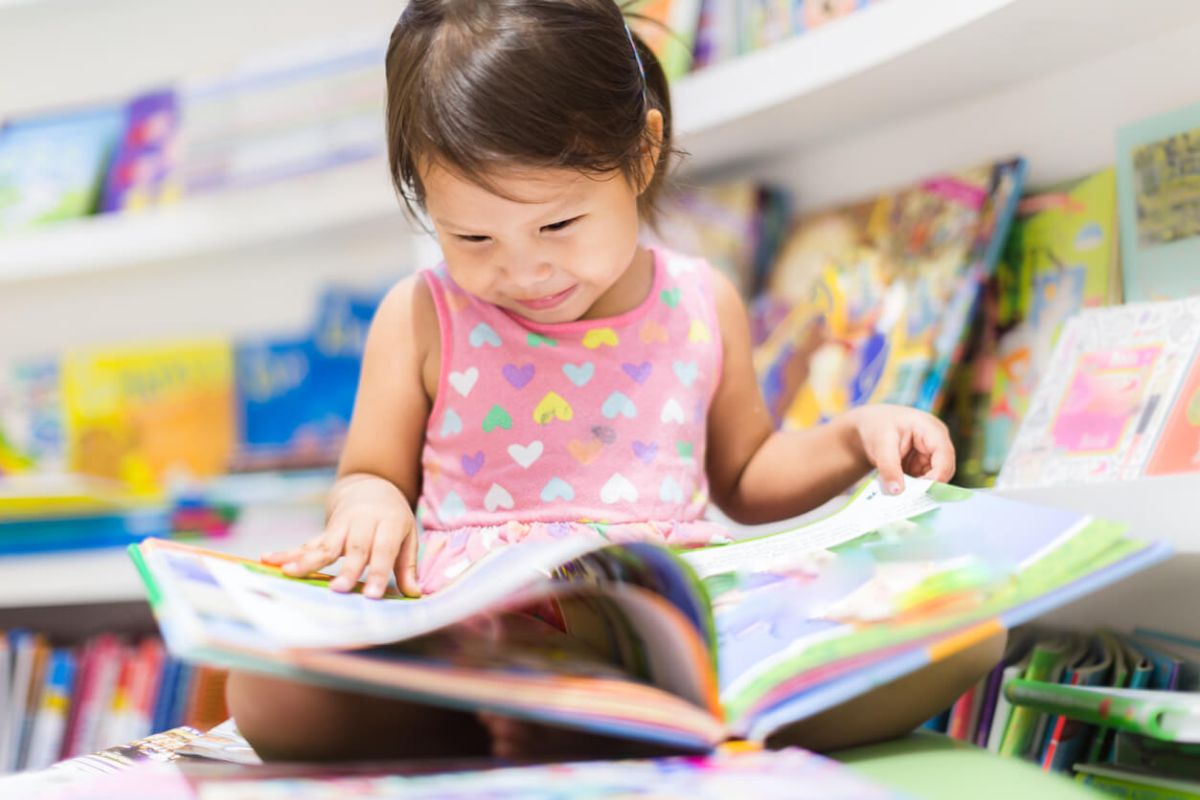 5. Encouraging Regular Reading Time
Building a library is only part of the equation. To truly nurture a love of reading, make reading time a daily routine. Here are some ways to encourage your child to spend time in their library:
Set Aside Time for Reading: Create a daily reading routine by setting aside dedicated time each day for your child to explore their books. This could be part of their bedtime routine or after school.
Read Together: Read aloud to your child, even if they can read on their own. Sharing stories helps strengthen the bond between you and fosters a love for books and storytelling.
Visit the Library Together: Make trips to the public library a regular outing. This introduces your child to a larger world of books and reinforces the importance of reading.
Building a Library That Grows with Your Child
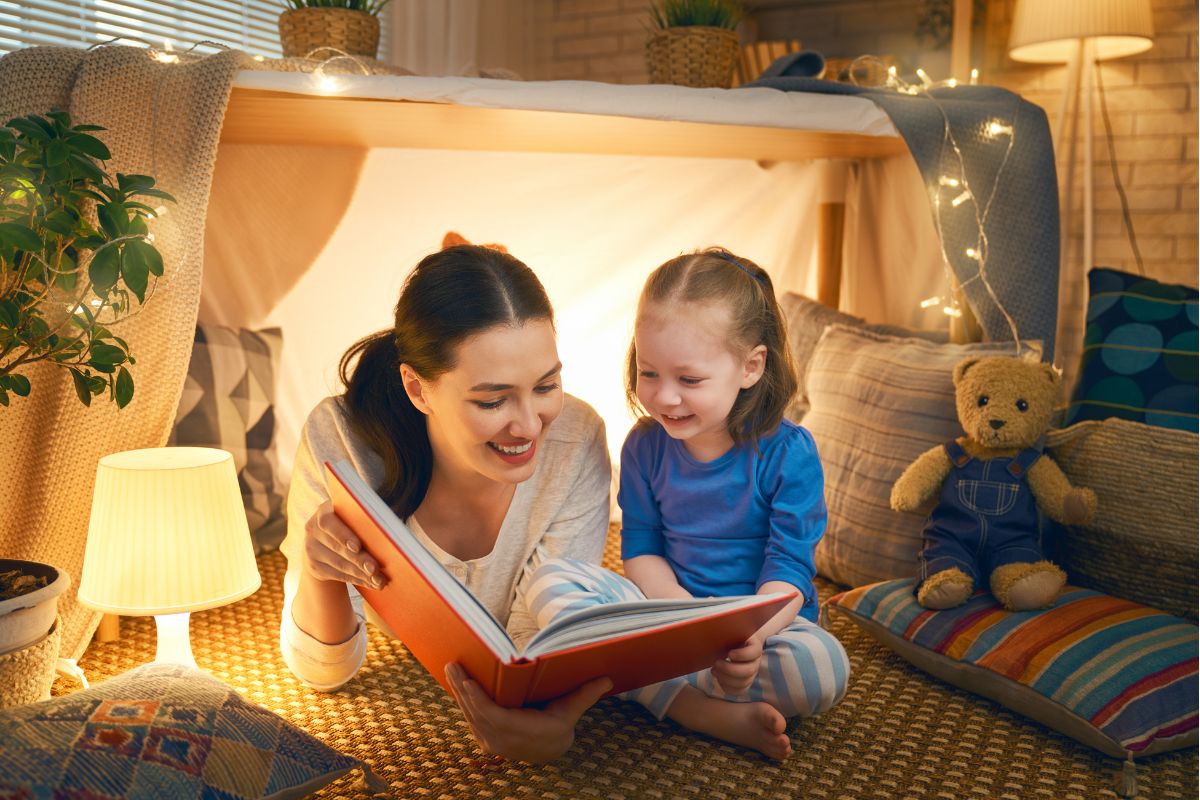 Building a Library That Grows with Your Child
Creating a child-friendly home library is not just about providing a space for books; it’s about fostering a lifelong love for reading and learning.
By selecting age-appropriate books, organizing the space thoughtfully, and making the library a comfortable and inviting place, you set the stage for your child’s educational and emotional growth.
As your child grows, their interests and reading level will evolve, and so should your library. Keep the collection fresh and diverse, adapt the space as needed, and encourage a reading routine that becomes a cherished part of their daily life.
A well-loved home library becomes a space not only for reading but also for growing imaginations, developing skills, and discovering the world through stories.
Did you find this post useful or inspiring? Save THIS PIN to your PARENTING Board on Pinterest! 😊

You may also like