
How to Build a Sustainable and Eco-Friendly Baby Nursery
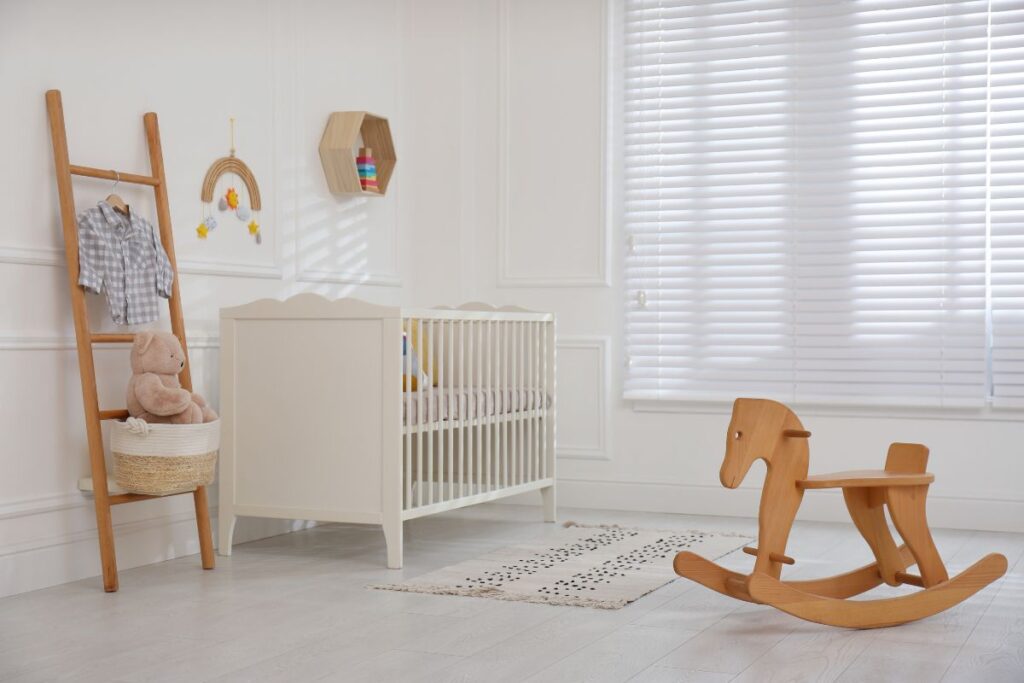
Bringing a new baby into the world is exciting, but it can also make you more aware of the impact your choices have on the environment.
Creating a nursery that is safe, cozy, and eco-friendly not only benefits your child’s health but also supports a more sustainable future. The good news is that building a sustainable baby nursery is easier than you might think.
With a few mindful decisions, you can design a beautiful space that is gentle on both your baby and the planet.
Choosing Eco-Friendly Materials
Opt for Natural and Non-Toxic Furniture
When selecting cribs, dressers, and changing tables, prioritize solid wood furniture made with natural finishes rather than particleboard filled with chemicals.
Look for products labeled low-VOC (volatile organic compounds) or certified by trusted standards such as Greenguard Gold. These certifications ensure the furniture emits fewer harmful chemicals, keeping the indoor air safer for your baby.
 Use Organic Textiles
 Use Organic Textiles
Babies spend a lot of time wrapped in blankets, lying on sheets, and cuddling with soft items. Choose organic cotton, bamboo, or linen fabrics that are grown without pesticides and processed without harsh dyes.
These materials are not only gentler on sensitive skin but also better for the environment.
Designing with Sustainability in Mind
Keep It Minimal
Parents often feel pressured to buy more than they need, but the most eco-friendly nursery is one that avoids clutter. Focus on essential items only—a safe crib, a changing space, and a comfortable chair for feeding and bonding.
Not only does this reduce waste, but it also creates a calm, soothing environment for your baby.
Choose Multipurpose Furniture
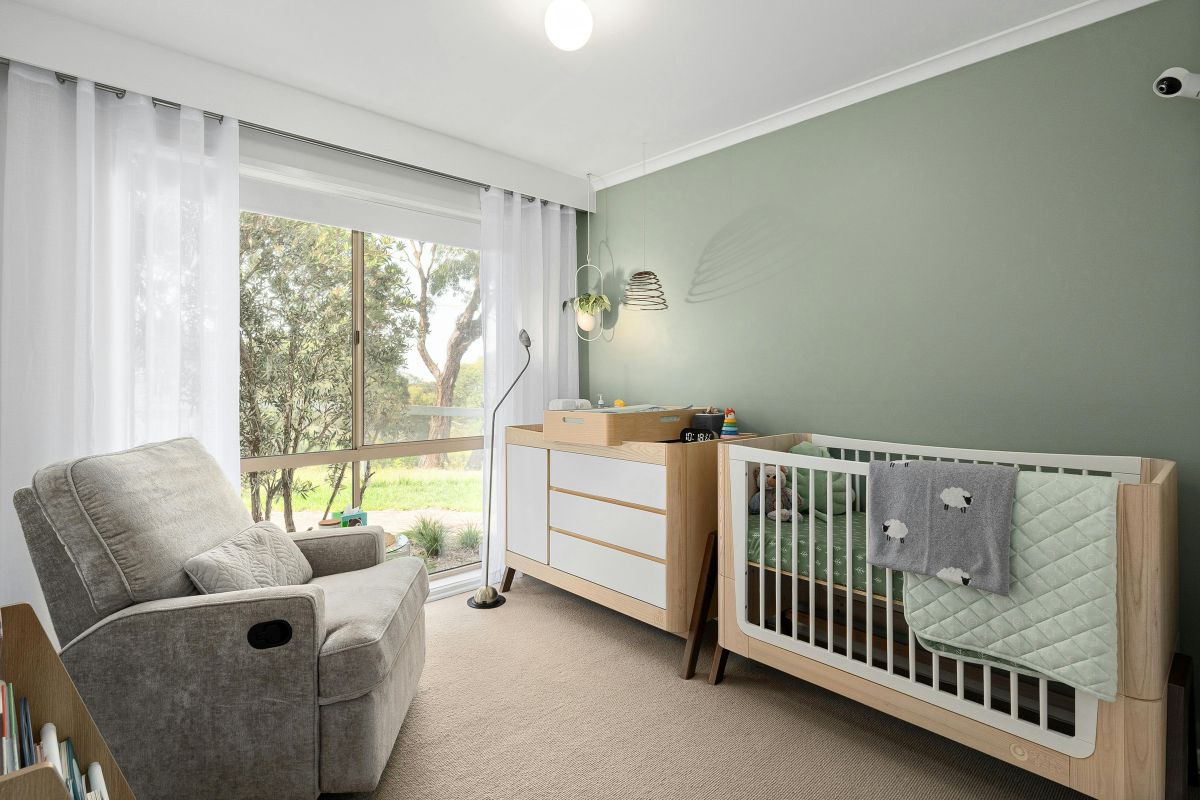
Another way to cut down on waste is to invest in furniture that grows with your child. Cribs that convert into toddler beds or dressers that double as changing stations are sustainable investments.
By extending the lifespan of these pieces, you reduce the need for replacements later.
Air Quality and Paint Choices
 Air Quality and Paint Choices
Select Non-Toxic Paint
If you plan to repaint the nursery, go for zero-VOC or low-VOC paints. Traditional paints release harmful chemicals into the air long after they have dried.
Eco-friendly paints, on the other hand, create a safer indoor environment without sacrificing color or style.
Add Air-Purifying Plants
Certain plants, such as snake plants, peace lilies, or spider plants, can help naturally purify the air. Be sure to choose species that are non-toxic to children and place them out of reach.
Indoor greenery not only enhances air quality but also brings a touch of nature to the nursery.
Sustainable Flooring and Rugs
Opt for Natural Flooring
If you are renovating the nursery, avoid vinyl flooring, which contains plastics and chemicals. Instead, choose sustainable options like cork, bamboo, or reclaimed wood.
These materials are durable, renewable, and kinder to the planet.
Use Eco-Friendly Rugs
 Use Eco-Friendly Rugs
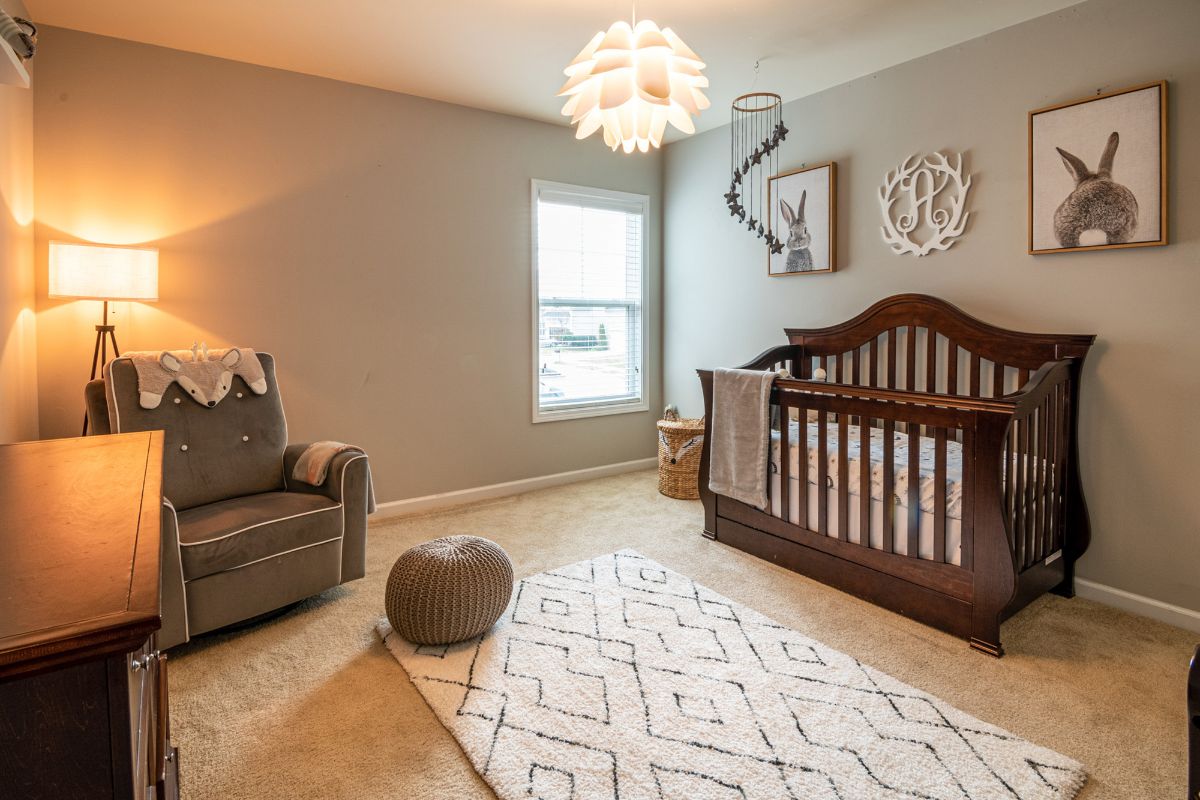
Adding a soft rug creates a cozy space for play, but it’s best to avoid synthetic fibers that may shed microplastics.
Go for rugs made from organic wool, jute, or cotton, which are safer for your baby and biodegradable at the end of their life cycle.
Energy Efficiency and Lighting
Choose LED Lighting
Lighting is essential in a nursery, especially for late-night feedings. Switch to LED bulbs, which consume far less energy than traditional ones and last much longer.
Soft, warm lighting can also help create a calming atmosphere.
Maximize Natural Light
Whenever possible, make use of natural daylight. Not only does it reduce the need for artificial lighting, but natural sunlight helps regulate your baby’s sleep cycle.
Use light-colored curtains or blinds made of organic fabrics to allow gentle sunlight into the room.
Eco-Friendly Diapering and Storage
 Eco-Friendly Diapering and Storage
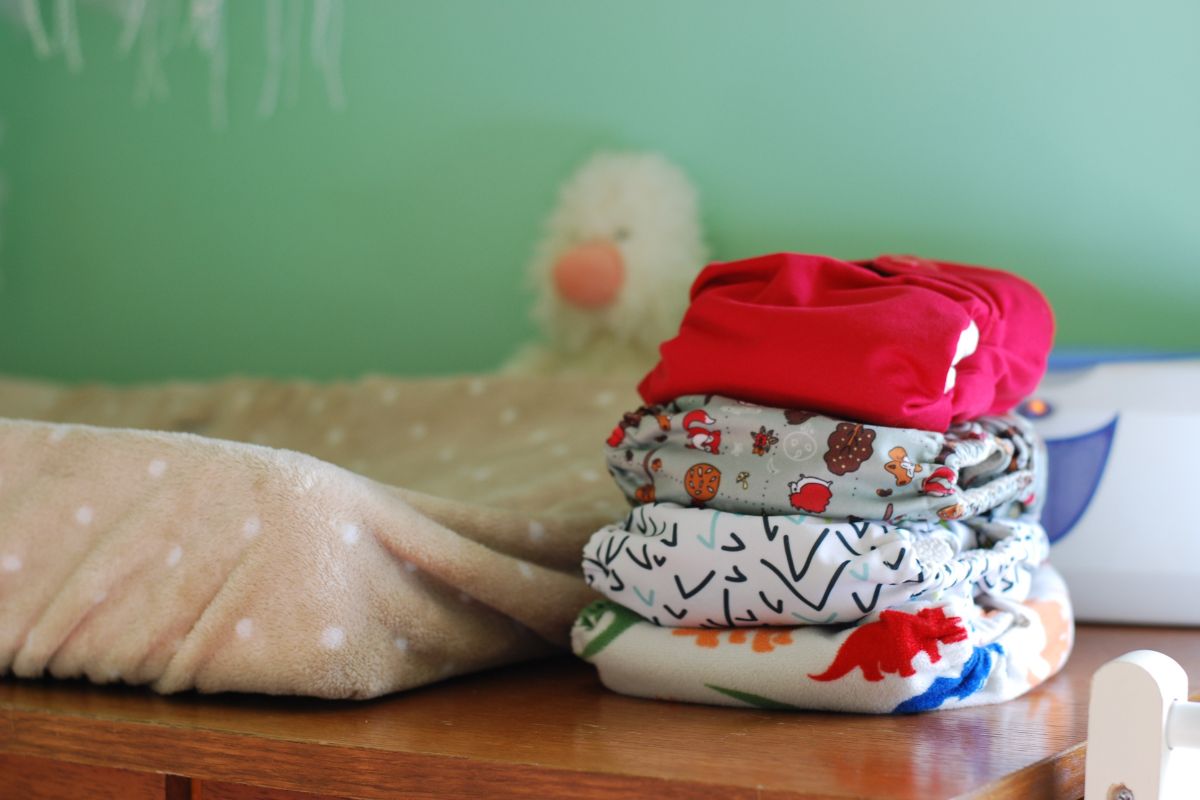
Consider Cloth Diapers
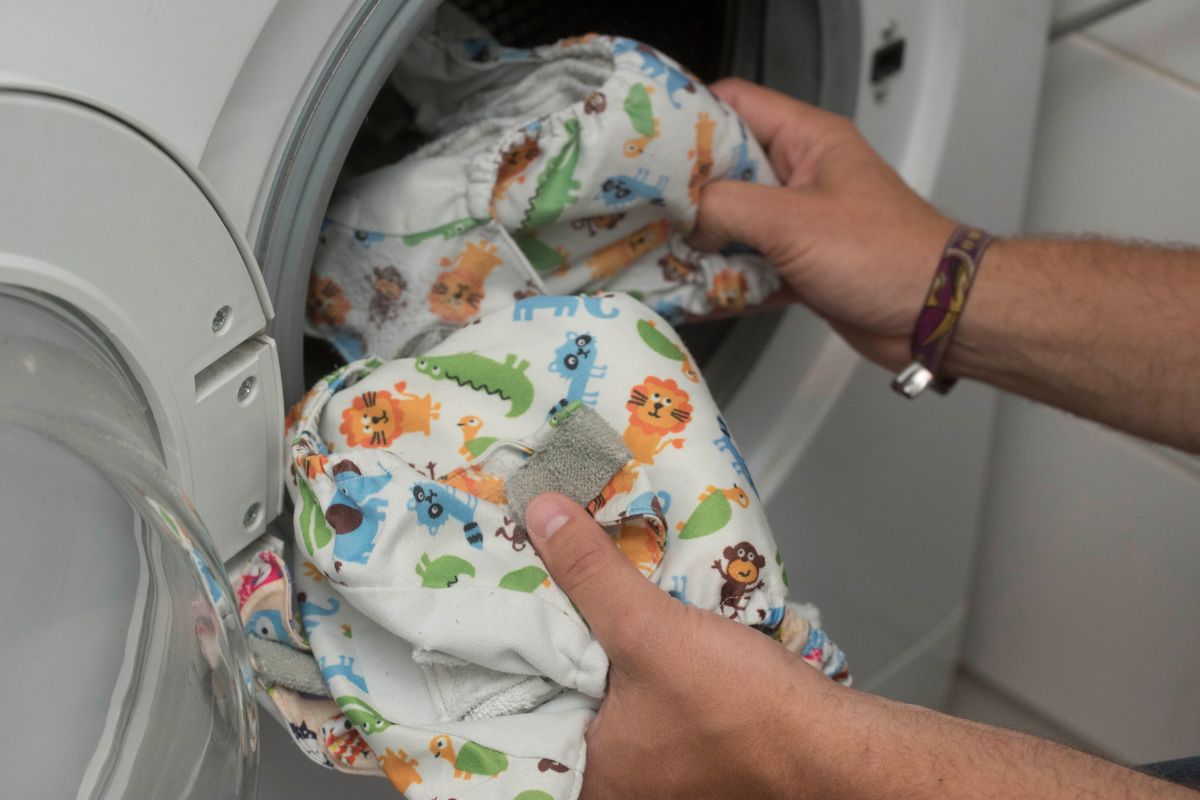
While disposable diapers are convenient, they contribute significantly to landfill waste. Cloth diapers are a reusable, eco-conscious option that can save money in the long run.
If cloth feels overwhelming, you can still reduce impact by choosing biodegradable or compostable disposables.
Use Sustainable Storage Solutions
For organizing baby clothes and supplies, avoid plastic bins when possible. Instead, use baskets made from natural fibers like wicker, seagrass, or bamboo.
These not only look charming but also align with eco-friendly living.
Green Cleaning and Maintenance
 Green Cleaning and Maintenance
Stick to Non-Toxic Cleaners
Babies are especially sensitive to harsh chemicals, so it’s crucial to clean the nursery with plant-based, non-toxic cleaning products. Vinegar, baking soda, and castile soap are safe and effective alternatives to conventional cleaners.
Wash Fabrics Sustainably
When washing baby clothes, blankets, and sheets, use eco-friendly detergents that are fragrance-free and biodegradable. To save energy, wash in cold water when possible and line-dry items outdoors for a fresh, chemical-free scent.
Thoughtful Decor and Personal Touches
Choose Handmade or Upcycled Decor
Instead of buying mass-produced decorations, look for handmade items from local artisans or consider upcycling existing pieces.
For example, an old wooden frame can become wall art, or leftover fabric scraps can be turned into bunting.
Limit Plastic Toys
 Limit Plastic Toys
Babies don’t need a mountain of toys. Opt for wooden, fabric, or silicone toys that are free from harmful plastics like BPA.
Fewer, high-quality toys also encourage more imaginative play as your baby grows.
Creating a Healthier Space for Your Baby and the Planet
Designing a nursery is about more than just style—it’s about creating a nurturing environment that reflects your values.
By choosing eco-friendly materials, reducing waste, and making energy-conscious decisions, you can set up a space that supports both your baby’s well-being and the health of the planet.
Every small change, from using organic bedding to switching to LED lights, makes a difference. The result is a nursery that feels safe, welcoming, and sustainable—a room where your baby can grow surrounded by comfort and care.
Did you find this post useful or inspiring? Save THIS PIN to your PARENTING Board on Pinterest! 😊

You may also like