
The Benefits of Teaching Toddlers About Money Early On

Money matters are often seen as adult concerns, but teaching toddlers about money can set the foundation for healthy financial habits as they grow.
You might wonder, why start so early? The truth is, children absorb information and develop habits from a young age, including their understanding of money.
Introducing basic financial concepts to toddlers in fun, age-appropriate ways can foster essential skills that will last a lifetime.
In this article, we explore the key benefits of teaching toddlers about money and provide simple strategies to start today.
Why Teaching Toddlers About Money is Important
Building Financial Literacy Early
Financial literacy is a life skill, much like learning how to read or count. Starting with basic concepts such as saving, spending, and sharing can help toddlers understand money in the context of their everyday lives.
When taught early, children are better equipped to make informed decisions about money as they grow older, leading to healthier relationships with spending, saving, and budgeting.
 Establishing Positive Money Habits
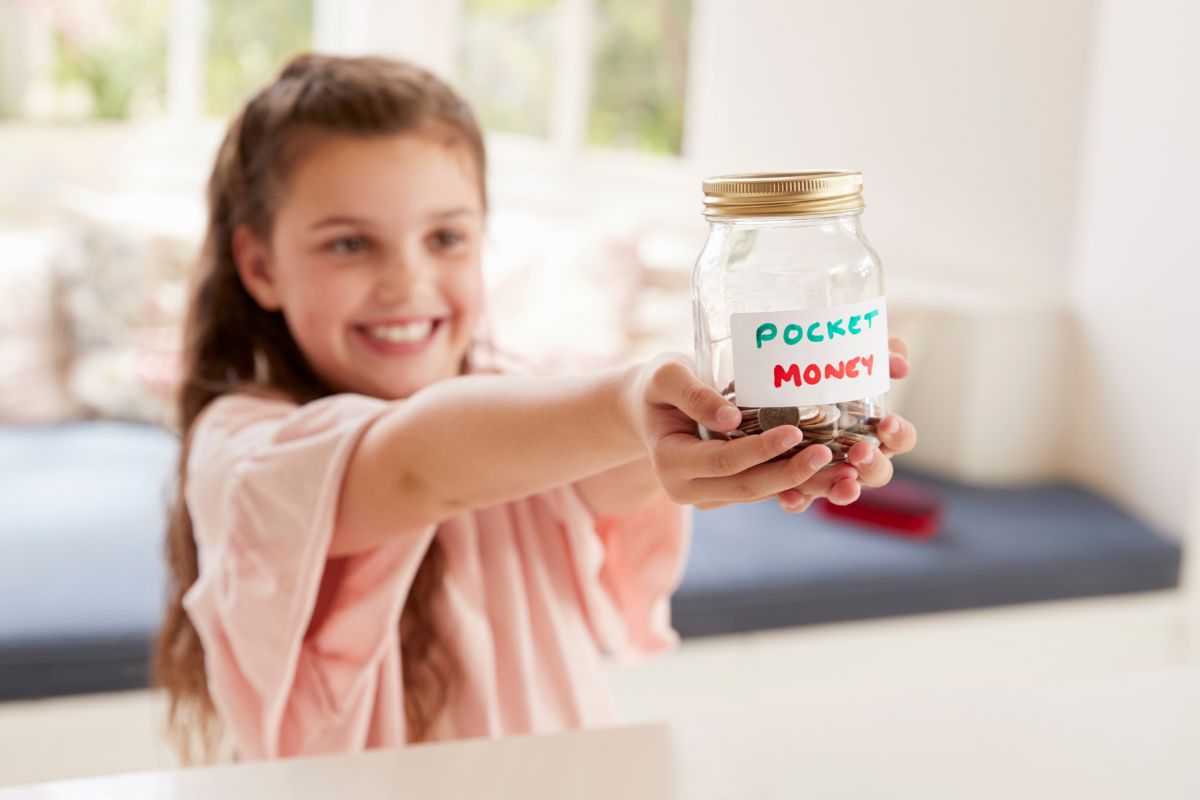 Establishing Positive Money Habits
Young children may not grasp complex financial concepts, but they can begin learning important habits.
When you introduce the idea of saving money for future goals or making thoughtful purchases, you help instill a sense of responsibility.
Habits formed at a young age tend to stick, and these positive money habits will serve them well throughout life.
Key Benefits of Early Financial Education
Promoting a Sense of Responsibility
Teaching toddlers about money is one of the best ways to foster a sense of responsibility. By introducing them to concepts like earning, saving, and spending, you empower them to start making choices based on their resources.
For instance, when a toddler is given a small allowance or coins to save, they learn to decide how much to save for something special and how much to spend on immediate wants.
This helps them connect their actions to consequences, promoting a healthy attitude towards managing resources.
Encouraging Delayed Gratification
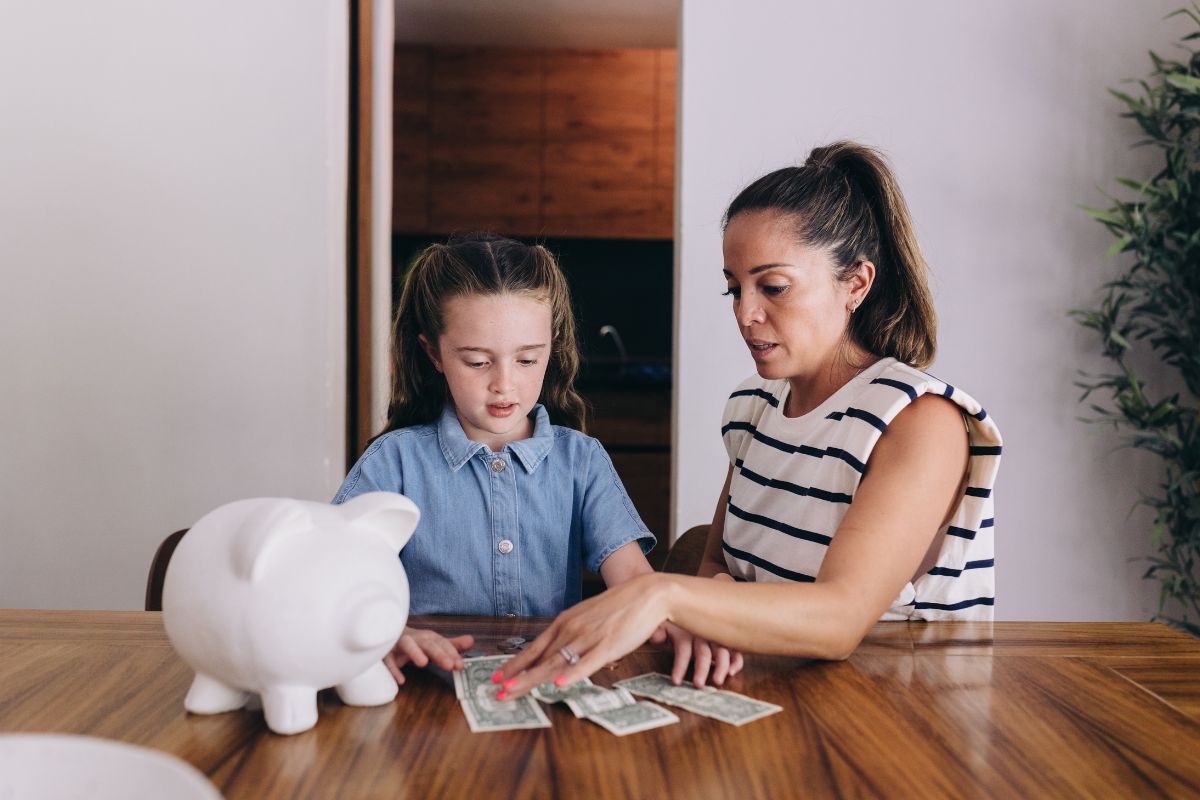 Encouraging Delayed Gratification
One of the greatest gifts you can give a toddler is the ability to delay gratification. By teaching them how to save for something they want, you help them understand that good things come to those who wait.
This skill can carry over into all aspects of life—not just finances. It’s the foundation for patience, perseverance, and goal setting.
Toddlers can start by saving small amounts of their allowance or birthday money for a bigger toy or treat, which builds the muscle of delayed gratification over time.
Enhancing Problem-Solving Skills
When toddlers understand that money has value, they start thinking critically about how to spend it. This process encourages them to develop problem-solving skills.
For example, if they have $1 but want a toy that costs $2, they’ll have to figure out a way to make up the difference. This might involve saving more, doing extra chores, or choosing a less expensive toy.
These decision-making processes help toddlers learn how to approach challenges and think creatively to solve problems.
Strengthening Family Communication
 Strengthening Family Communication
Talking about money with toddlers can also improve family communication. It encourages open dialogue about financial decisions, which can be especially helpful as children grow older and encounter more complex money-related topics.
Having regular, casual conversations about budgeting, saving, and spending lays the groundwork for healthy family discussions about finances as children mature.
How to Teach Toddlers About Money
Use Playful and Age-Appropriate Methods
At this age, the best way to teach toddlers about money is through play and hands-on activities. Incorporating toys like play money, piggy banks, or savings jars can make learning about finances fun and engaging.
There are also plenty of money-related games and apps that can introduce concepts in a playful, interactive way. The goal is to make money feel less abstract and more like a tool they can use and understand in their daily lives.
Incorporate Money Lessons into Daily Activities
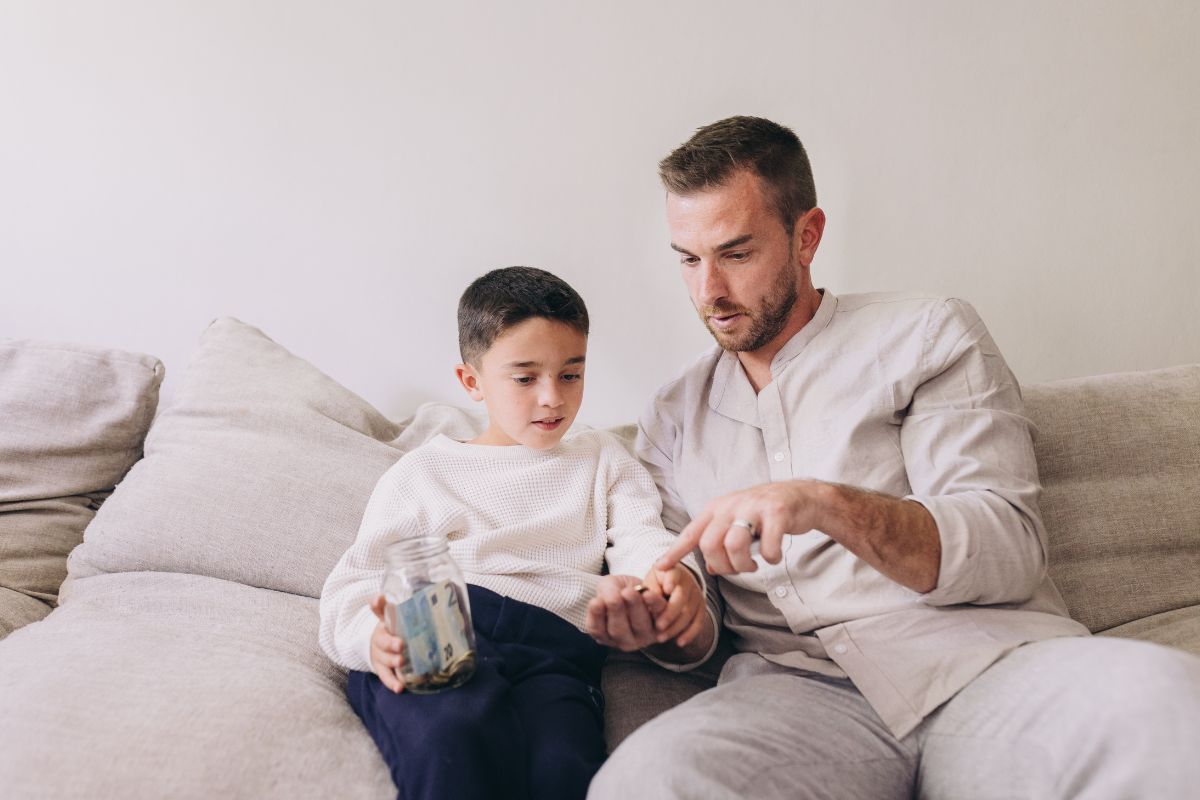 Incorporate Money Lessons into Daily Activities
You don’t need to sit down for long lessons on money to teach toddlers valuable financial concepts. Simple daily activities are great opportunities to reinforce money lessons. For example:
When shopping, show them how you decide between saving money by choosing a store brand or spending money on a higher-quality item.
Let them help you make a grocery list, talk about prices, and involve them in decisions like choosing what to buy within a set budget.
Use coins and bills to teach them about different denominations while you explain how much things cost.
Model Healthy Financial Behavior
Children are keen observers, and they often imitate the behaviors they see. So, one of the most effective ways to teach toddlers about money is by modeling healthy financial habits yourself.
When you practice things like saving, budgeting, and making mindful purchases, your toddler will start to notice and learn from your example.
For instance, when you put a little bit of money aside for savings, explain why you're doing it, saying something like, “This is for something special we’ll need later.”
Set Up Simple Allowances or Money Jars
An easy way to start teaching toddlers about money is by giving them a small allowance or a few coins to manage. You can set up simple money jars—one for spending, one for saving, and one for giving.
This system teaches them how to allocate their money and how sharing with others is an important part of financial responsibility.
Start with small amounts, and encourage your toddler to put a portion into each jar to help them grasp the concept of dividing money for different purposes.

The Long-Term Impact of Financial Education
Boosting Confidence and Independence
When toddlers learn the value of money, they begin to feel more confident in their ability to make decisions. As they grow, this foundation of financial education will help them approach financial challenges with more independence.
Knowing how to budget, save, and make smart purchases will give them the tools to manage their finances effectively in the future, whether they’re managing allowance money, handling a part-time job, or even budgeting for larger purchases as teens or adults.
Preparing for Future Financial Responsibilities
By introducing money management concepts early on, toddlers will be better prepared for the more complex financial decisions that await them as they grow.
Early lessons in budgeting, saving, and spending lay a strong foundation for their financial future.
These skills will serve them throughout their lives, from managing their own bank accounts to making informed decisions about loans, credit cards, and investments.
The Lifelong Value of Early Money Lessons
Teaching toddlers about money doesn’t just benefit them in the short term—it equips them with the tools for financial success in the future.
By fostering early lessons in financial literacy, responsibility, and decision-making, you’re laying the groundwork for your child to navigate adulthood with confidence and financial wisdom.
Through simple, playful activities and modeling positive financial behaviors, you’re helping your toddler build habits that will serve them well for the rest of their lives.
Start small, stay consistent, and remember that these lessons are invaluable stepping stones toward your child’s long-term success and well-being.
Did you find this post useful or inspiring? Save THIS PIN to your PARENTING Board on Pinterest! 😊


You may also like