
- Urbaki Parenting
- Tips for Parents
- Tips for Preparing Your Toddler for the First Day of Preschool
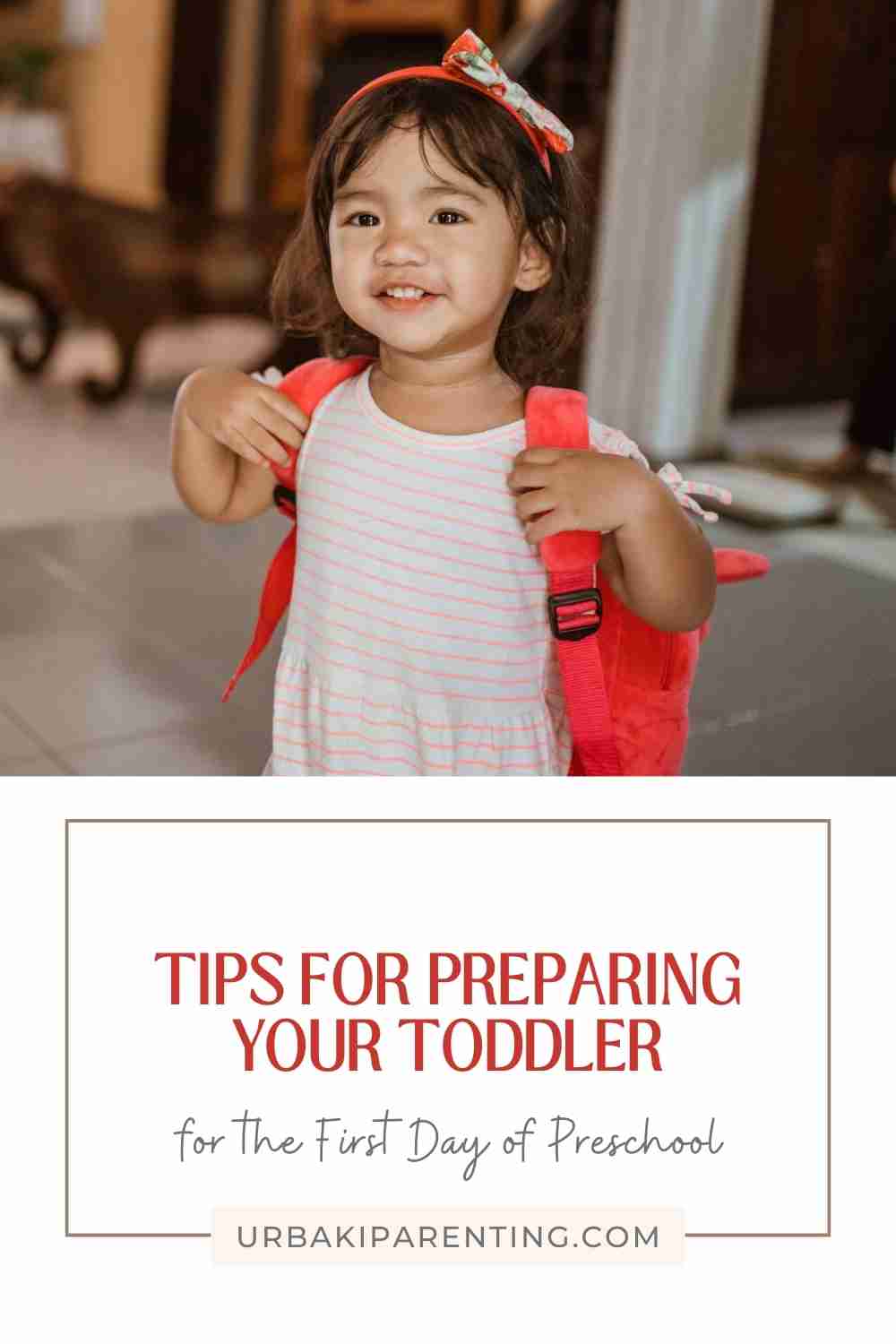
Tips for Preparing Your Toddler for the First Day of Preschool
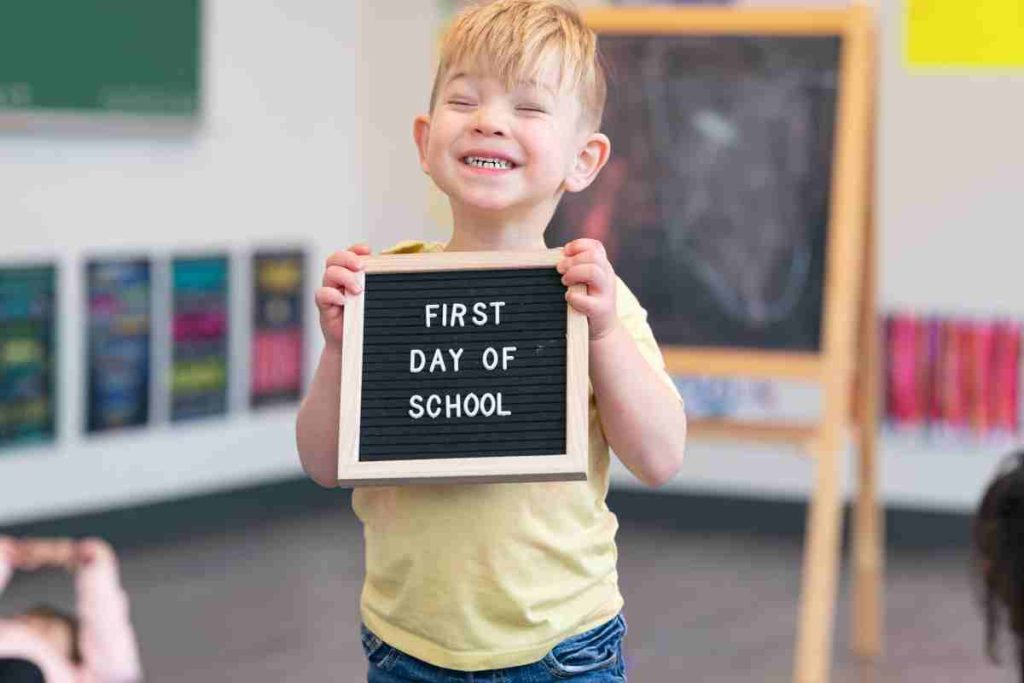
The first day of preschool is a milestone for both children and caregivers. It’s normal to feel excitement and nerves all at once. Instead of chasing a flawless start, aim for readiness—a calm, predictable plan that supports your toddler’s sense of safety, curiosity, and independence.
When you frame the transition as a gentle step rather than a leap, your child learns that new places can be interesting and manageable.
Watch and Follow Your Child’s Signals
Every toddler copes with novelty differently. Some run toward the classroom; others cling, observe, and warm up gradually. Pay attention to energy cues, like restlessness or quiet watchfulness, and match your approach.
A child who needs time may prefer unhurried visits and extra reassurance. A bold explorer might benefit from clear boundaries and reminders about classroom routines. When you respond to who your child is, you send the powerful message: “You’re safe, and I’m listening.”
Model Calm Confidence
Your child reads your face, voice, and posture before they take in your words. Keep your tone steady and warm, and practice your goodbye script out loud: “I’ll take you to your teacher, we’ll do our special wave, and I’ll be back after snack.” Confidence is contagious; when you look grounded, your toddler borrows that emotional stability.
 Build Gentle Familiarity with the New Setting
 Build Gentle Familiarity with the New Setting
If possible, visit the school ahead of time. Walk past the entrance, point out the classroom door, playground, and cubbies.
Take photos of key spaces and look at them together at home, narrating what will happen: “Here’s where your teacher will greet you; this is where your backpack goes.” Familiarity lowers anxiety and makes the first day feel like step two, not step one.
Practice Mini Goodbyes
Before the big day, rehearse brief separations in low-stress places—a grandparent’s home, a trusted sitter, a short activity class. Use the same consistent goodbye ritual you’ll use at drop-off.
The goal isn’t to eliminate emotions; it’s to teach your child that goodbyes are clear, and reunions are certain.
Create Predictable Routines That Do the Heavy Lifting
Toddlers thrive on predictability. In the week before school, shift wake-up and bedtime toward the new schedule. Eat breakfast at the target time, do teeth and getting dressed in the same order, and finish with shoes and backpack by the door. Repetition turns effort into habit.
Make a Morning Map
 Make a Morning Map
Describe the morning in simple steps: wake, potty, breakfast, get dressed, sunscreen, shoes, special wave, classroom. Keep a small visual chart on the fridge. Celebrate small wins—“You put on your shoes right after breakfast!”—to build confidence without pressure.
Design a Goodbye Ritual
Rituals make uncertainty feel safe. Choose a short and sweet routine: a hug, a high-five, a heart sticker on the wrist, and a special wave at the window. End with the same reassuring phrase, like “See you after snack time.”
Consistency beats length every time; long, lingering goodbyes often increase anxiety.
Coach Feelings and Language Before Day One
Talk about school with curious, neutral language: “You’ll meet new friends, play with blocks, and have snack with your teacher.” Invite feelings of all kinds—excited, nervous, or both. Name what you see: “Your tummy feels wiggly—that’s your brave getting ready.”
Try a Simple Social Story
 Try a Simple Social Story
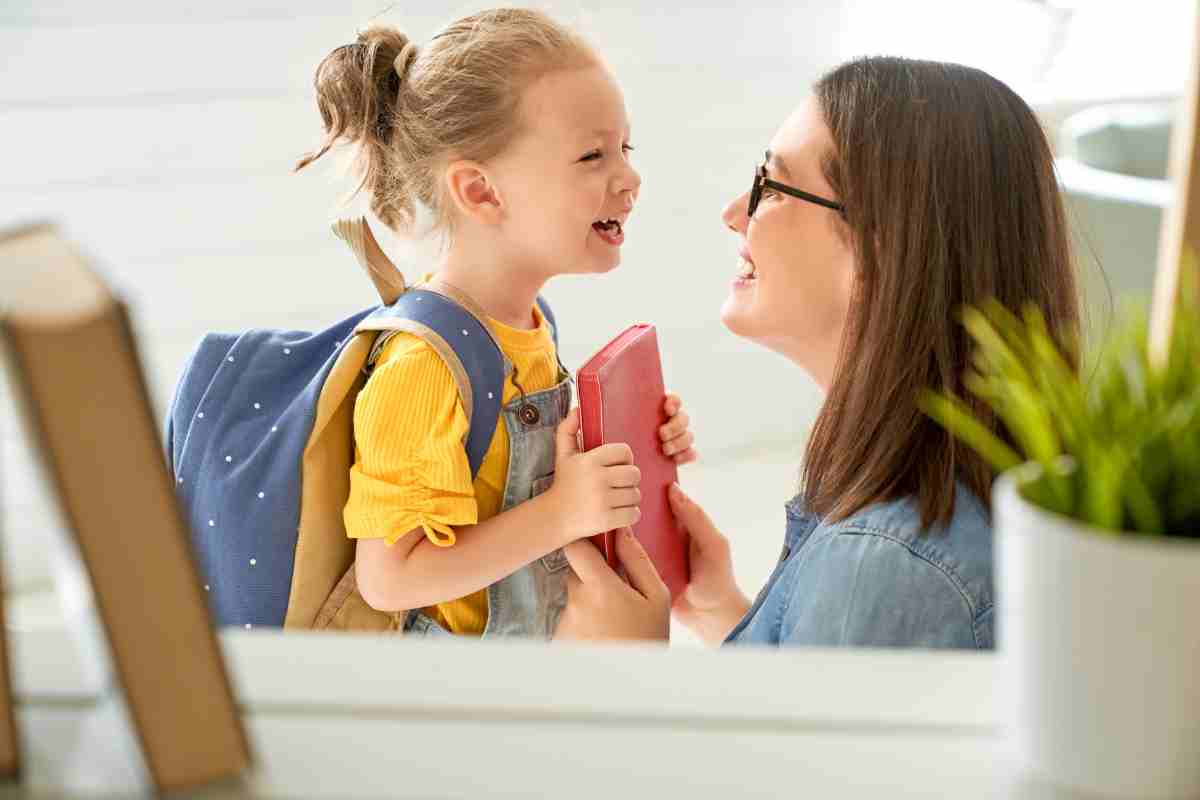
Create a short, homemade “book” with photos of the school, teacher, and classroom. Add one line per page: “We hang our backpack.” “We say hello.” “Grown-ups say goodbye and come back.” Reviewing the story gives your child a mental script and reduces surprises.
Role-Play the Day
Use stuffed animals to act out drop-off, playtime, cleanup, and pickup. Practice asking for help (“Can I have more water?”), sharing, and taking turns. Role-play lets toddlers rehearse language and coping in a playful, low-stakes way.
Prep the Practical Things (So Emotions Have Space)
Label everything—backpack, jacket, lunchbox, water bottle, extra clothes—so items return home. Choose comfortable layers and shoes your child can manage independently.
Pack a familiar comfort object if allowed, like a small lovey or family photo. Confirm potty routines, allergy protocols, and nap plans in advance so you can explain them simply to your child.
Partner with Teachers from the Start
Share helpful details with the teacher: nicknames, comfort strategies, sensory preferences, and any separation history. Ask about the daily rhythm—arrival, snack, outside time—so your reassurances match classroom reality.
When school and home speak the same language, your toddler enjoys a coherent experience.
Align on Separation Support
 Align on Separation Support
If your child is likely to cling, agree on a handoff plan. Many toddlers do better when the caregiver passes the child directly to a known adult with a clear script and then exits confidently.
Trust the teacher’s guidance; they have seen countless first days and know how to help children settle.
Craft a Clear Drop-Off Game Plan
On day one, keep your morning unrushed. Offer a good breakfast and leave early enough to avoid a frantic arrival. At the door, follow your ritual, use your anchor phrase, and then go—even if your child cries.
Prolonging the moment often intensifies distress. Most children settle within minutes once they can turn toward play and connection with the teacher.
Plan for Gentle Reconnection After School
First days can be tiring. Keep the afternoon simple—snack, cuddles, and unstructured play. Avoid peppering your toddler with questions.
Try open, low-pressure prompts like “I wonder what you built today” or “Tell me about the playground.” If your child is quiet, share observations (“I noticed glitter on your sleeve!”) to invite stories without interrogation.
Close the Loop
 Close the Loop
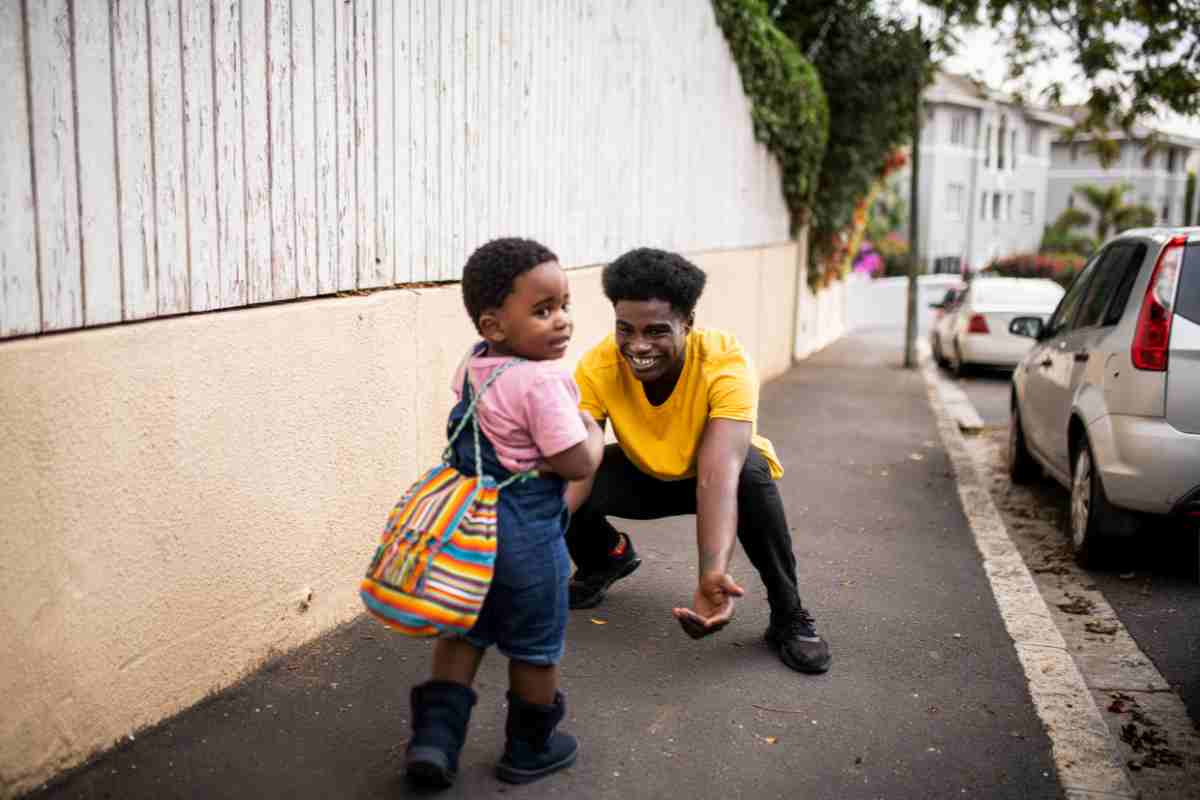
At bedtime, reflect briefly: “You were brave today. You felt unsure, you did the plan, and we found each other after snack—just like we said.”
This narrative builds trust in the routine and strengthens your child’s self-image as someone who can handle new experiences.
If the Transition Feels Bumpy
Some toddlers protest drop-off for days or even weeks. That doesn’t mean you’re doing it wrong. Keep routines steady, stay in touch with the teacher, and watch for tiny improvements—settling faster, smiling at pickup, talking more about school.
If distress escalates or persists, ask about additional supports: a peer buddy, a special job at arrival, or a brief check-in call from the teacher after drop-off to reassure you (and help you keep your goodbye confident).
Expect and Normalize Regressions
New challenges can bring temporary steps back—sleep disruptions, potty accidents, clinginess. Respond with calm structure: predictable routines, extra connection, and clear boundaries.
Regression is not failure; it’s your child’s nervous system asking for stability while it adapts.
From First-Day Jitters to Everyday Joy: Your Preschool Launch Mindset
 From First-Day Jitters to Everyday Joy: Your Preschool Launch Mindset
A great first day isn’t about zero tears; it’s about trust, consistency, and small wins. When you model calm, practice separations, build predictable routines, and partner with teachers, you create a safety net that lets your toddler explore, connect, and grow.
Keep your goodbye short and loving, your reunions warm and reliable, and your evenings restful.
With a little planning and a lot of empathy, the unknown becomes familiar, and those first-day jitters turn into confidence—the kind that carries your child through new classrooms, new friendships, and a school year full of discovery.
Did you find this post useful or inspiring? Save THIS PIN to your PARENTING Board on Pinterest! 😊

I'm Rachel, and my days are full of school runs, snack requests and craft supplies all over the kitchen table. I'm not a pediatrician or a child psychologist, just a parent sharing the ideas, activities and routines that make family life a little easier and a lot more fun. For anything health-related, always check with your child's doctor.

You may also like