
Understanding the Role of Parenting Styles in Child Development

Parenting is one of the most influential factors in shaping a child's development. The way a parent interacts with their child, sets boundaries, and provides support can have a lasting impact on their social, emotional, and cognitive growth.
Understanding the different parenting styles can help parents make informed decisions that foster a nurturing environment for their child’s development.
What Are Parenting Styles?
Parenting styles refer to the characteristic approaches that parents use to raise their children. They are based on parental behavior and the balance between warmth (love, affection, and emotional support) and control (rules, expectations, and discipline).
Psychologist Diana Baumrind is well known for her research on parenting styles, which identified four main types. These styles are categorized based on two key dimensions: responsiveness and demandingness.
 The Four Main Parenting Styles
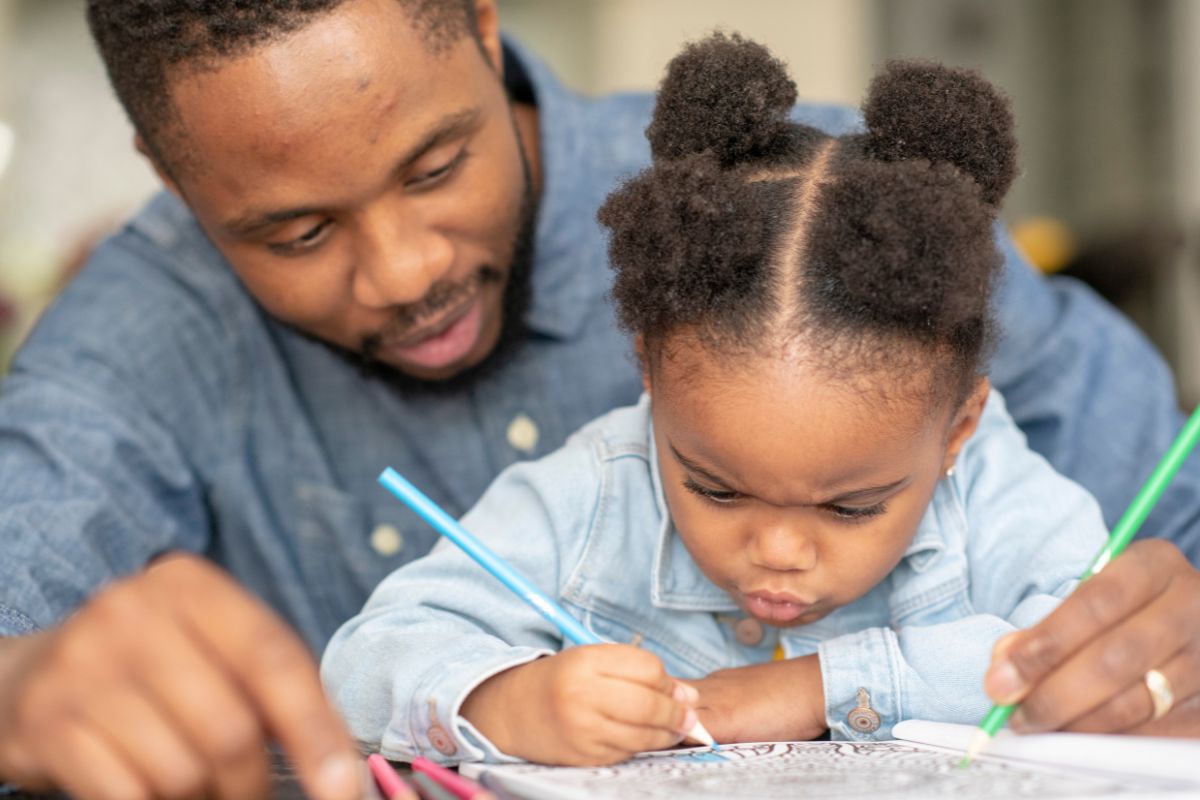 The Four Main Parenting Styles
Each parenting style varies in its level of responsiveness and demandingness, affecting the child in unique ways. Let's break down the four main types:
1. Authoritative Parenting
Authoritative parents are warm, nurturing, and supportive while maintaining clear boundaries and rules. They engage in open communication and encourage independence in their children while setting expectations for behavior.
This style is often considered the most balanced, combining warmth and structure.
Benefits: Children raised by authoritative parents tend to be confident, socially competent, and emotionally healthy. They learn to make decisions independently and respect authority, showing high levels of academic performance and good social relationships.
2. Authoritarian Parenting
Authoritarian parents are highly demanding but low in responsiveness. They enforce strict rules and expect obedience without providing much room for open dialogue or emotional support.
While these parents may have good intentions, their approach tends to be more controlling.
Drawbacks: Children raised in authoritarian households may be obedient, but they may struggle with low self-esteem, poor social skills, and a lack of creativity. These children are often afraid of making mistakes and may become overly reliant on external validation.
3. Permissive Parenting
 3. Permissive Parenting
Permissive parents are warm and responsive but often lack boundaries and rules. They tend to avoid setting limits and may indulge their child’s desires. This parenting style is marked by leniency and a focus on avoiding conflict.
Drawbacks: While children of permissive parents may feel loved and supported, they can struggle with impulse control, respect for authority, and a lack of self-discipline. They may also have trouble managing responsibilities and setting boundaries in their personal lives.
4. Neglectful Parenting
Neglectful or uninvolved parents are low in both responsiveness and demandingness. These parents are often emotionally distant and provide little guidance or support for their child. In some cases, neglect may be unintentional due to other life stressors, but it can still be damaging to the child’s development.
Drawbacks: Children raised in neglectful environments often face serious emotional and behavioral challenges. They may feel unloved and unsupported, leading to poor academic performance, difficulty forming relationships, and behavioral issues.
How Parenting Styles Affect Child Development
 How Parenting Styles Affect Child Development
The impact of parenting styles on child development is profound and far-reaching. Here are some key areas where these styles play a crucial role:
1. Emotional Development
Children raised by authoritative parents often develop healthy emotional regulation. They are more likely to express themselves in constructive ways, manage stress effectively, and develop empathy.
In contrast, children raised by authoritarian parents may struggle with emotional expression, as their feelings might be suppressed under strict rules. Permissive parenting can result in emotional overindulgence, leading to difficulties in dealing with frustration or disappointment.
2. Cognitive Development
The authoritative style encourages children to think critically and solve problems independently. These children are often curious, eager to learn, and perform well academically.
Authoritarian parents, however, may stifle creativity by focusing heavily on obedience rather than encouraging exploration. Permissive parents, on the other hand, might not provide enough structure to help children develop strong study habits or focus on academic success.
3. Social Development
 3. Social Development
Social skills are influenced by how parents interact with their children and the types of relationships they model. Children of authoritative parents generally exhibit strong social skills and are comfortable in social settings.
They are more likely to have healthy peer relationships and exhibit leadership skills. Authoritarian parents' children, due to their limited social interactions, may struggle with forming healthy relationships or showing assertiveness.
Meanwhile, permissive children may have trouble respecting authority figures and may be seen as spoiled or entitled by peers.
4. Behavioral Outcomes
The authoritative style is linked to positive behavioral outcomes such as high self-esteem and responsible decision-making. Authoritarian parenting, with its strict control, may lead to rebellion, or on the other hand, excessive compliance that could result in a lack of personal assertiveness.
Permissive children may struggle with boundaries, displaying challenging behaviors when faced with rules. Neglectful parenting often leads to emotional neglect, and these children may exhibit poor behavior and academic underachievement.
Finding the Right Balance for Your Child
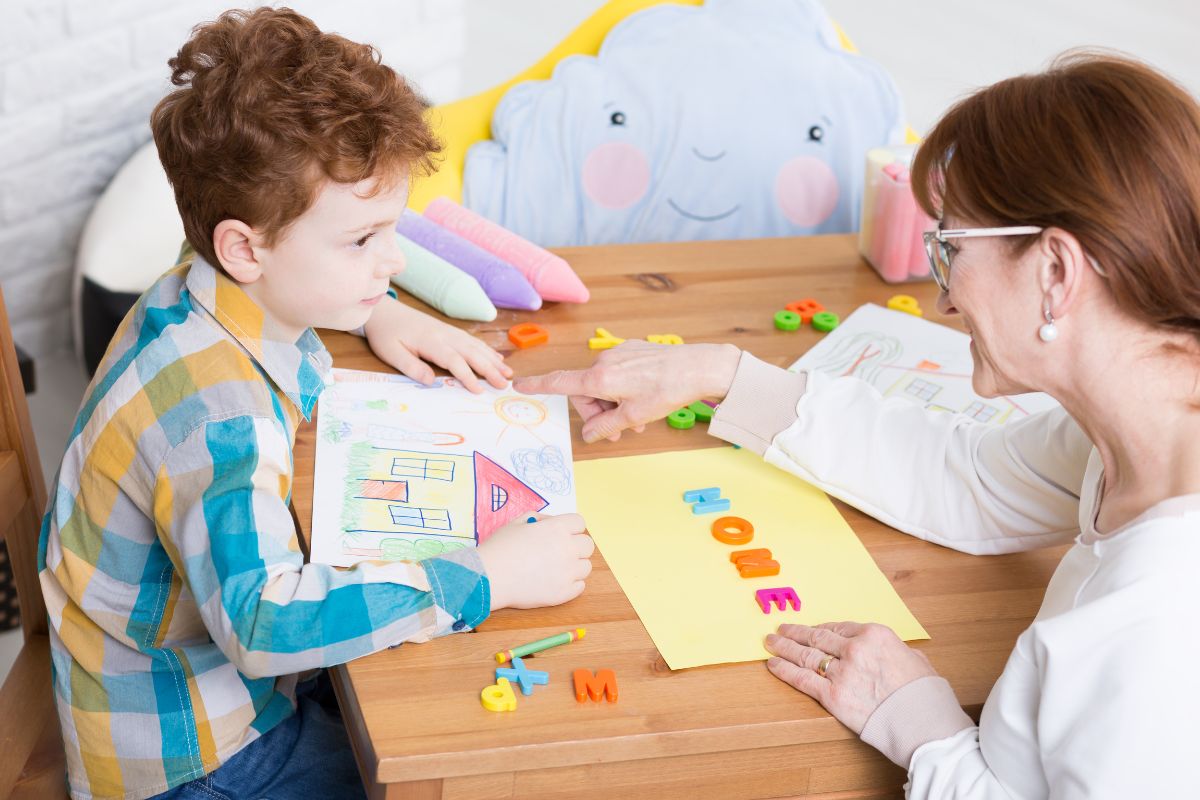 Finding the Right Balance for Your Child
Parenting styles are not rigid categories but rather a spectrum of behaviors that can be adjusted over time.
While authoritative parenting tends to offer the most balanced approach, it’s important for parents to recognize that each child is unique and may respond differently to varying levels of control and support.
Building a nurturing, respectful relationship with your child, setting appropriate boundaries, and offering both emotional warmth and discipline can help promote positive development.
Ultimately, understanding the influence of parenting on child development allows parents to make informed decisions that help their children grow into confident, capable individuals.
Did you find this post useful or inspiring? Save THIS PIN to your PARENTING Board on Pinterest! 😊

You may also like