
How to Foster Sibling Cooperation Through Cooperative Toys

Sibling rivalry is a common occurrence in many households, but fostering a sense of cooperation and teamwork between siblings is possible through intentional play. One of the most effective ways to encourage this collaboration is by introducing cooperative toys.
These toys promote shared goals, communication, and problem-solving, creating an environment where siblings work together instead of competing against each other.
In this article, we’ll explore how cooperative toys can help nurture sibling cooperation, the benefits of cooperative play, and provide practical examples of toys that encourage teamwork.
The Importance of Sibling Cooperation
Sibling relationships are among the longest-lasting bonds in a person’s life, and fostering a positive, cooperative dynamic early on can lead to stronger, more supportive relationships later in life. When children cooperate with one another, they learn vital skills that will serve them in all aspects of life, including:
Improved communication: Working together teaches children how to express their thoughts and feelings clearly and listen to others.
Conflict resolution: Cooperation teaches children how to manage disagreements respectfully and find mutually beneficial solutions.
Teamwork and empathy: By collaborating, children develop a deeper understanding of the perspectives of others, fostering empathy and mutual respect.
Enhanced creativity: Collaborative play encourages children to think outside the box and develop creative solutions together.
Cooperative toys are designed to encourage children to work together towards a shared goal. Unlike competitive toys, where one child may "win" or "lose," cooperative toys emphasize the importance of working together.
These toys help siblings build basic life skills in a way that's engaging and fun. Here's how cooperative toys help kids work together:
 Shared Goals and Objectives
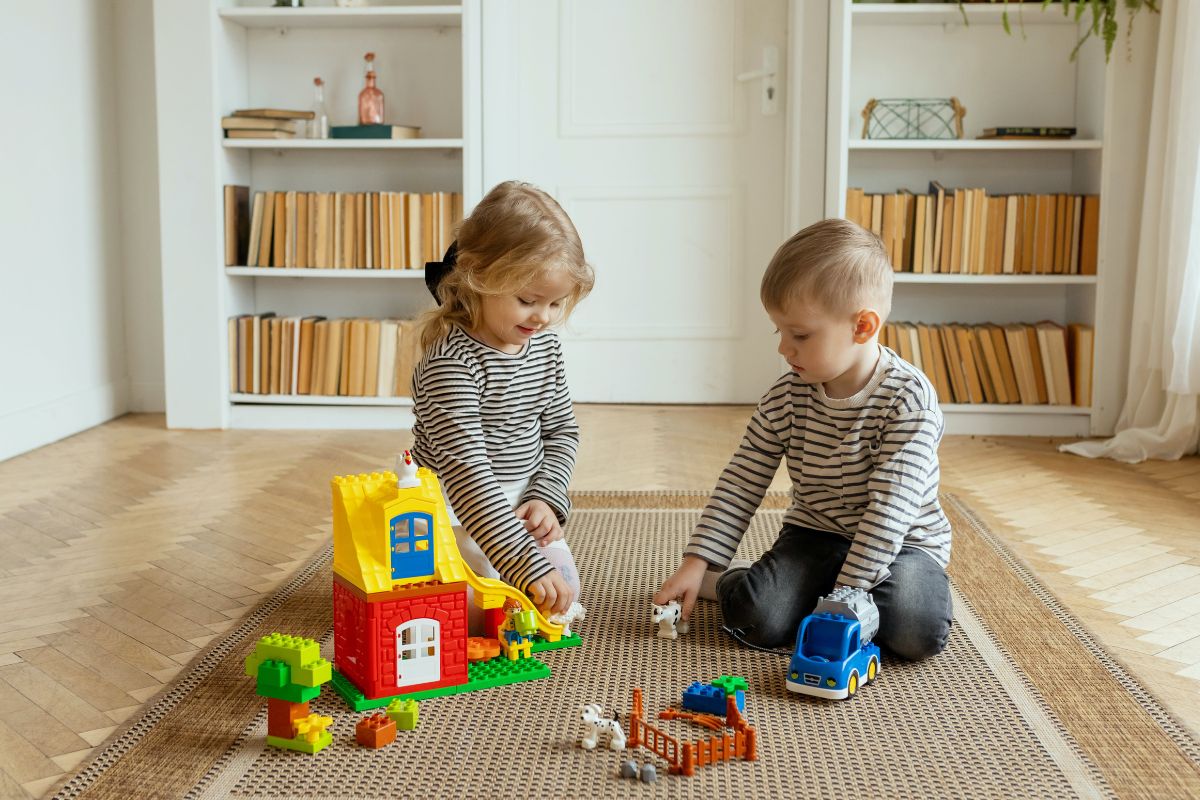
Cooperative toys often involve working toward a common objective, whether it’s building something together, solving a puzzle, or completing a game. When children collaborate, they learn to put their differences aside and focus on the shared goal.
For example, in a cooperative board game, all players are on the same team, working together to win, rather than against each other.
Open Communication
For cooperation to succeed, communication is key. Cooperative toys encourage children to discuss ideas, delegate tasks, and share opinions.
When they're deciding on the next move in a game or working out how to put a toy together, these talks create a positive, cooperative mood.
Respect for Each Other’s Abilities
Cooperative toys allow siblings to recognize and appreciate each other's strengths and skills. Each child may bring different talents to the table, and working together teaches them to respect and value what the other has to offer.
This can also help boost self-esteem as children realize that they can contribute to the success of the group.
Problem-Solving as a Team
Many cooperative toys involve challenges that require teamwork to solve. Whether it’s overcoming an obstacle in a game or building something with blocks, problem-solving together allows children to practice teamwork.
These shared challenges teach them that working together often leads to better solutions than trying to do everything alone.
 Types of Cooperative Toys for Sibling Play
 Types of Cooperative Toys for Sibling Play
There are many types of cooperative toys designed to encourage sibling cooperation. Here are some examples of toys that can help promote collaboration:
Cooperative Board Games
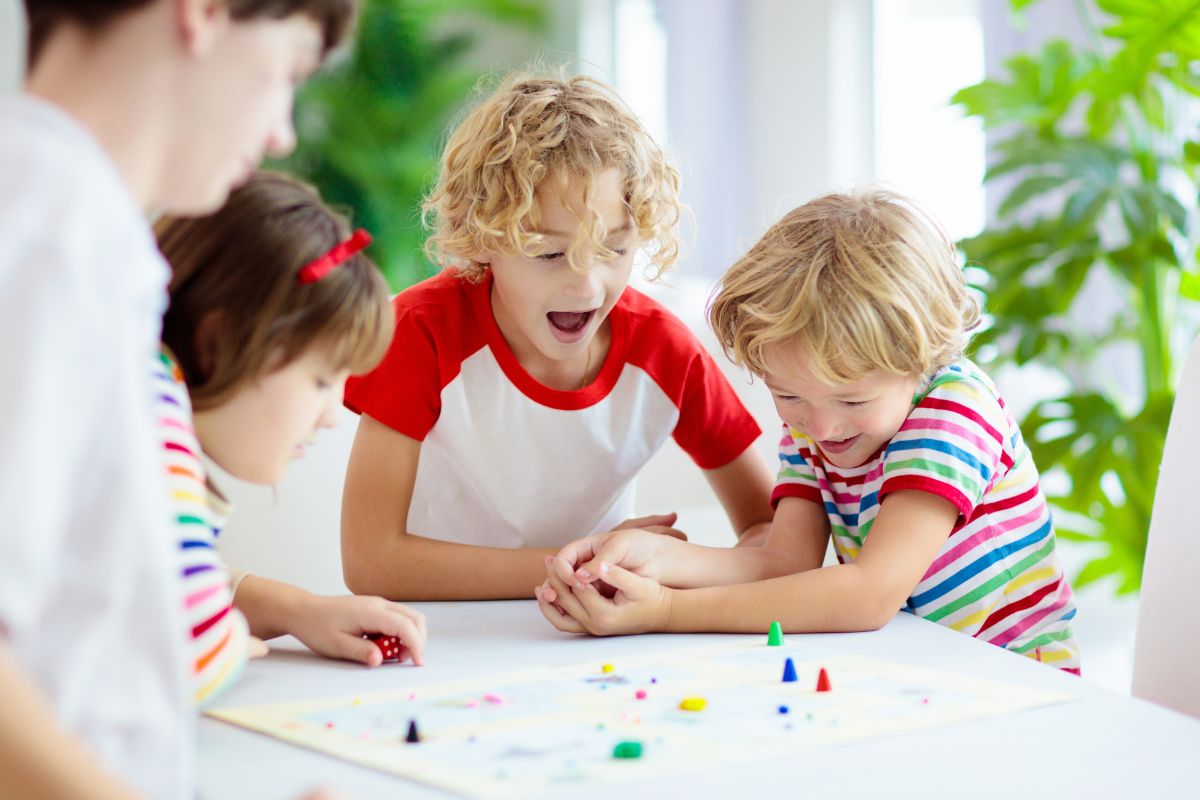
Board games are a fantastic way to get siblings to work together. Games such as Forbidden Island, Outfoxed!, and Hoot Owl Hoot! are all cooperative in nature, requiring players to collaborate and communicate to achieve a shared goal.
These games often involve problem-solving and strategy, allowing children to practice patience, turn-taking, and teamwork.
Building Sets and Blocks
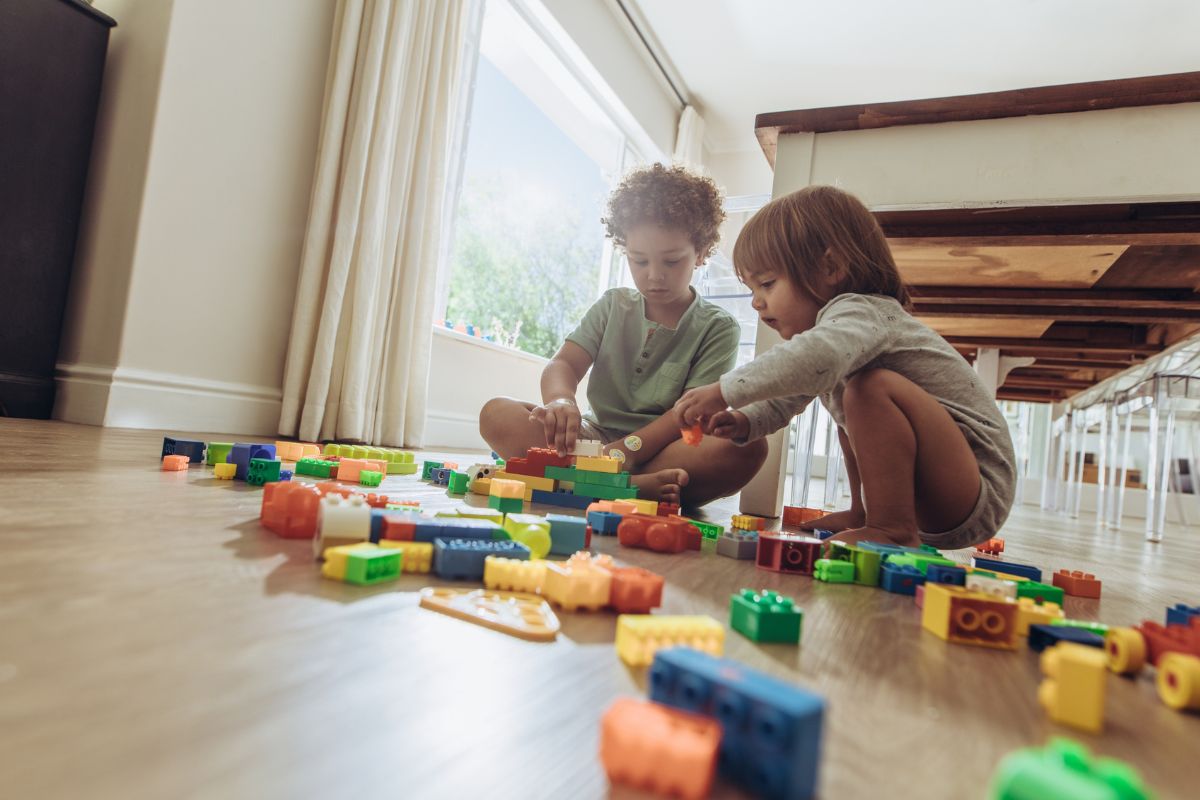
Toys like building blocks (Lego, Magna-Tiles, etc.) offer endless possibilities for cooperative play. Siblings can collaborate to design and build structures together, learning how to share resources, negotiate roles, and problem-solve as they go.
Working together on a big project gives them a sense of accomplishment as they combine their own pieces into a finished creation.
Puzzle Sets
 Puzzle Sets
Working on puzzles together is another excellent way to develop cooperation skills. Whether it’s a jigsaw puzzle, a 3D puzzle, or a matching game, solving puzzles as a team encourages children to communicate and collaborate effectively.
It also gives them the opportunity to practice patience and perseverance as they work through challenges together.
Outdoor Cooperative Toys
Outdoor toys like giant parachutes, cooperative sports equipment, or team-building obstacle courses are great for physical cooperation. Siblings can play together in a park, coordinating their movements and helping each other to complete tasks.
These toys help children learn how to cooperate in more active, dynamic ways.
Role-Playing and Pretend Play Sets
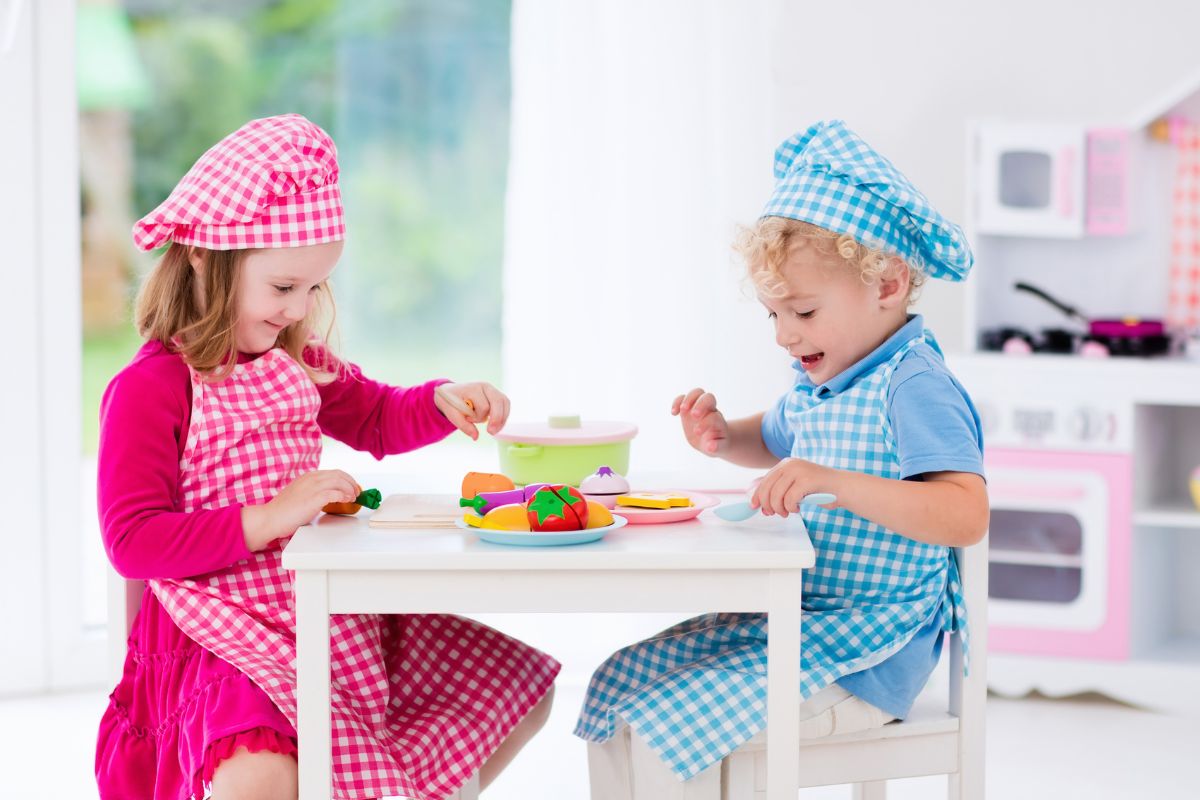
Role-playing toys such as play kitchens, doctor kits, and building sets allow siblings to take on different roles and work together.
Whether they’re pretending to cook a meal or saving the day as superheroes, these toys help children practice empathy and communication as they negotiate their roles and work together to solve problems in their pretend world.
Encouraging Cooperation Beyond the Toys
 Encouraging Cooperation Beyond the Toys
Cooperative toys play a big part in helping siblings get along, but it helps to keep encouraging teamwork outside of playtime too. Here are a few more ways parents can help siblings work together:
Encourage Group Activities
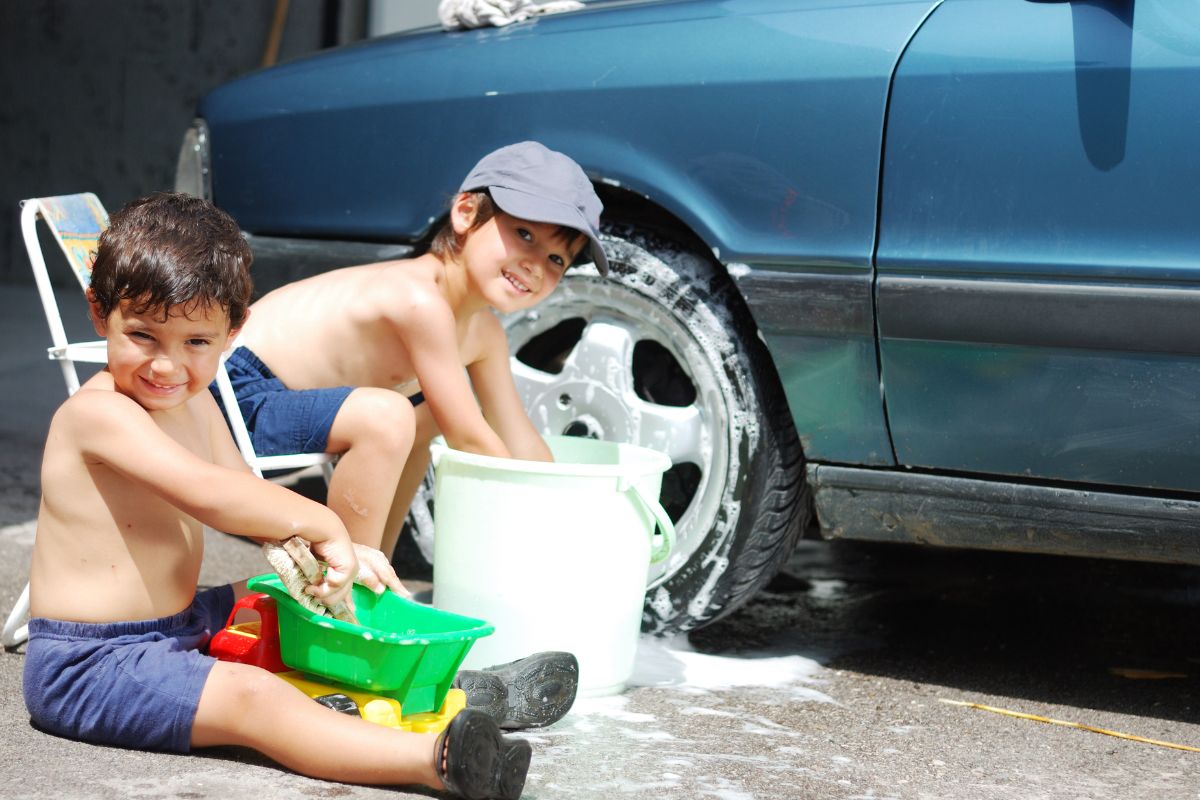
Encourage children to engage in activities that require cooperation, such as cooking together, completing household chores as a team, or even working on family projects. These activities teach them to collaborate in real-world situations.
Praise Teamwork
When siblings work well together, offer praise and encouragement. Positive reinforcement helps children understand the value of cooperation and motivates them to continue collaborating in the future.
Model Collaborative Behavior
Children learn by observing the adults around them. By modeling cooperative behavior, whether with a spouse, friends, or coworkers, you can set an example for your children to follow.
Building Stronger Sibling Bonds Through Play
 Building Stronger Sibling Bonds Through Play
Fostering sibling cooperation through cooperative toys offers children invaluable lessons in teamwork, communication, and empathy.
By choosing the right toys and encouraging collaborative play, parents can help siblings build stronger, more supportive relationships that will last a lifetime.
By nurturing teamwork early on, siblings can develop the skills they need to support each other both now and in the future.
Did you find this post useful or inspiring? Save THIS PIN to your PARENTING Board on Pinterest! 😊


You may also like