
How to Introduce Sustainable Practices in Toddler Playtime

As parents, we want to nurture not only our toddlers' development but also their awareness of the world around them. Teaching sustainability early on can make a lasting impact.
Introducing sustainable practices into toddler playtime might seem challenging, but it’s simpler than you think! Here’s how you can incorporate eco-friendly habits into your child’s everyday activities.
Choose Eco-friendly Toys
The foundation of sustainable playtime starts with eco-friendly toys. These toys are made from natural, non-toxic materials like wood, organic cotton, and recycled plastics.
Avoid plastic toys that take hundreds of years to decompose. Look for brands that emphasize sustainable production methods and use recyclable packaging. Choosing durable toys that can withstand heavy use will also reduce waste over time.
 Key Benefits:
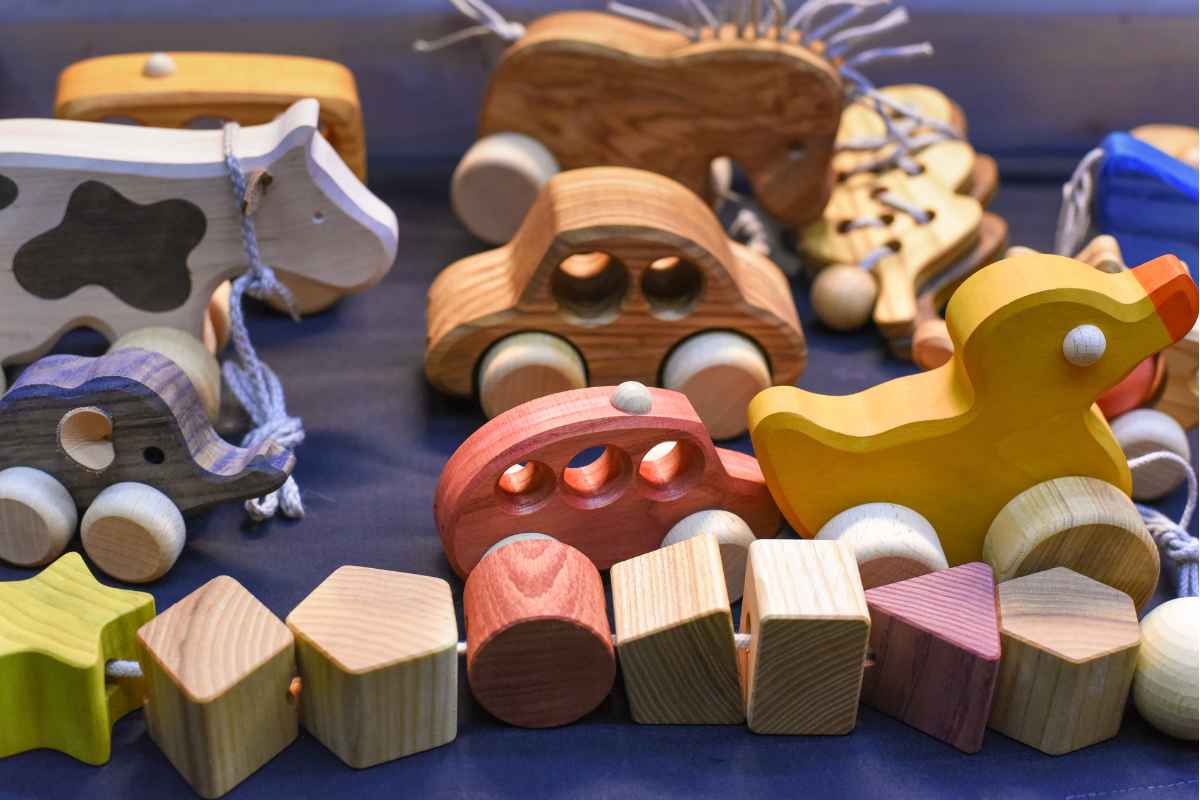 Key Benefits:
Reduced environmental impact
Safer for your child
Encourages creativity (often simpler toys spark more imagination)
Embrace Nature-Based Play
Outdoor play is one of the easiest ways to teach sustainability. Nature play can be as simple as gathering leaves, stones or twigs to build things or make art.
Encourage your toddler to explore natural materials, which not only sparks creativity but also helps them develop a connection to nature.
Benefits of Nature Play:
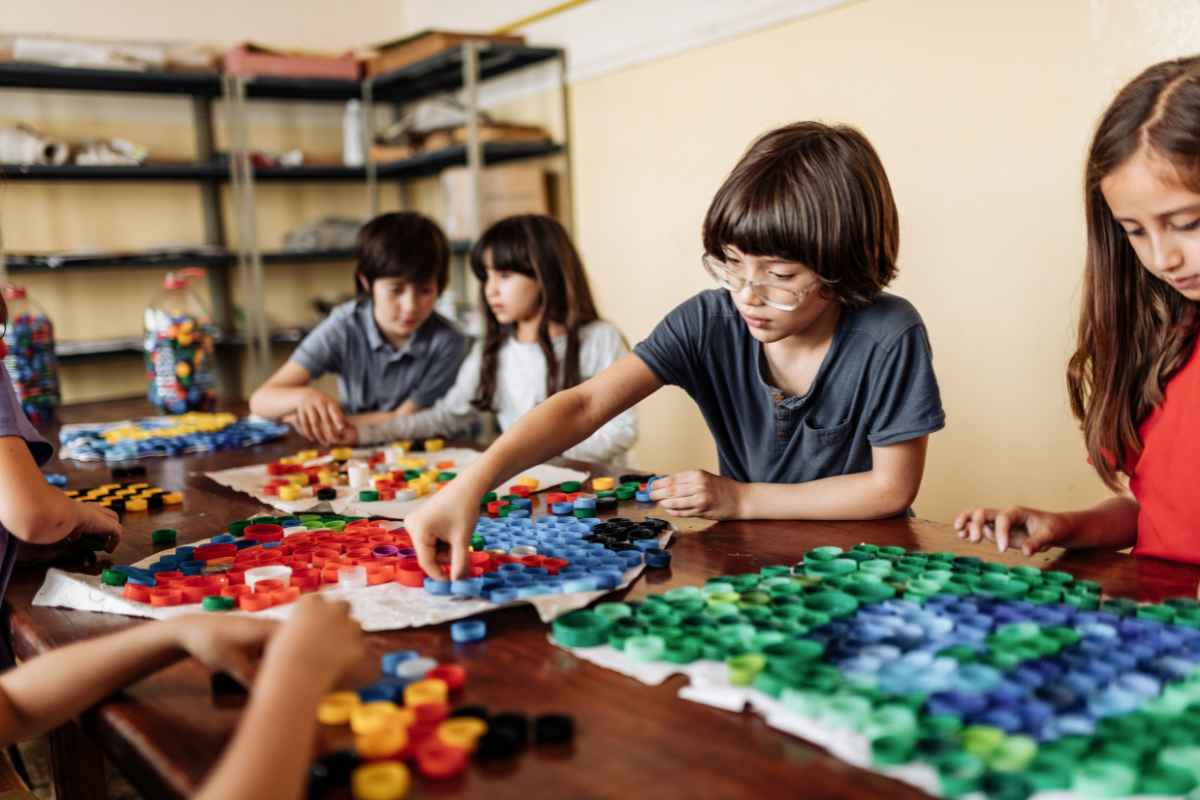 Benefits of Nature Play:
Promotes physical activity
Teaches respect for the environment
Reduces screen time and its associated environmental impact
Reuse and Recycle
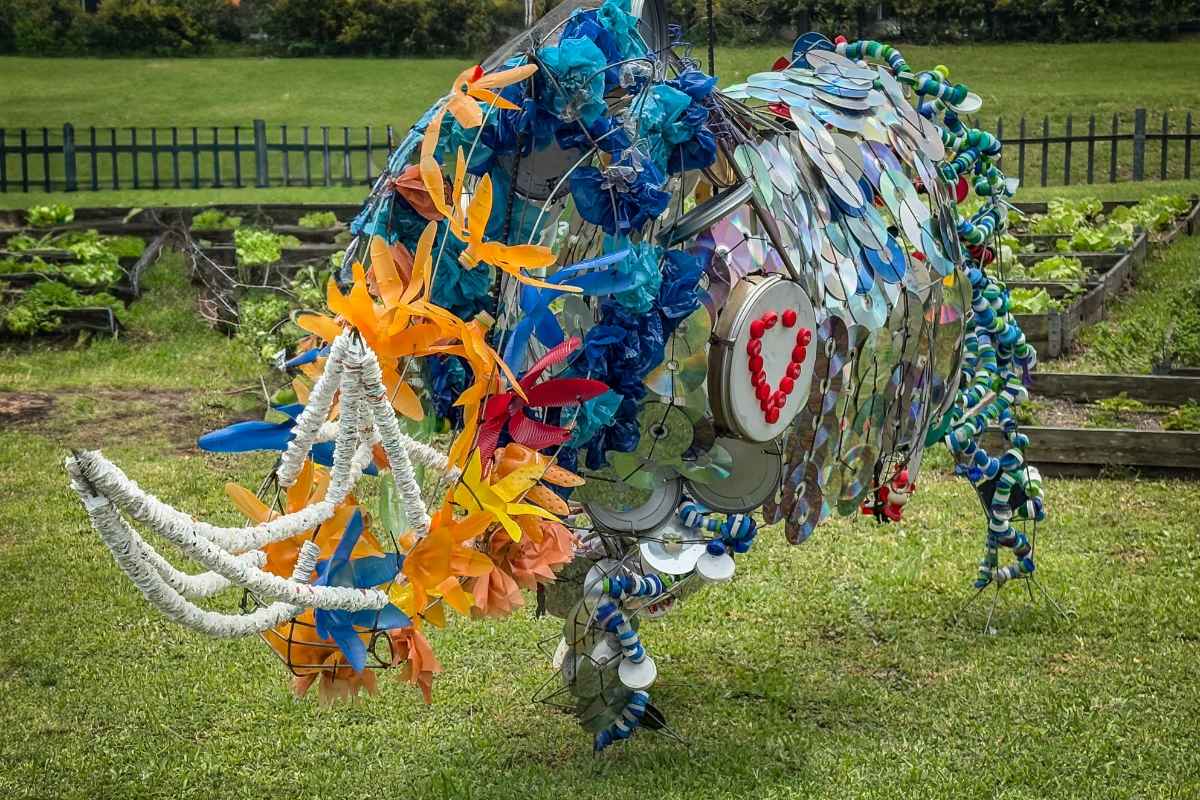
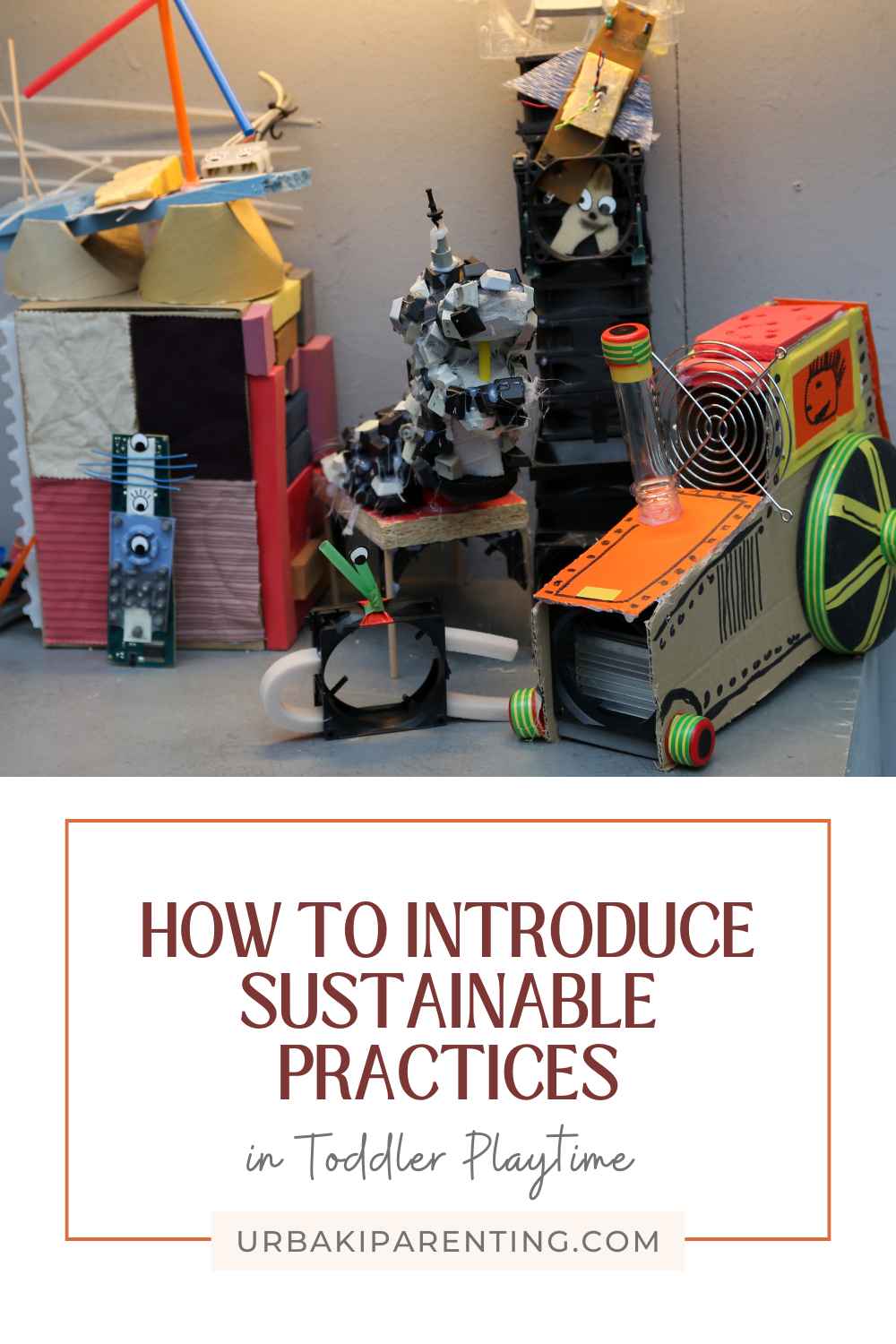
One of the best ways to introduce sustainability is through the act of reusing and recycling. For example, cardboard boxes, plastic bottles, or old clothes can be transformed into creative play props.
Toddlers love to play with items that aren't typically considered toys. You can create forts, cars, and even small boats from household items. Encourage your toddler to create something new from these items, fostering both creativity and sustainability.
Why Reuse?
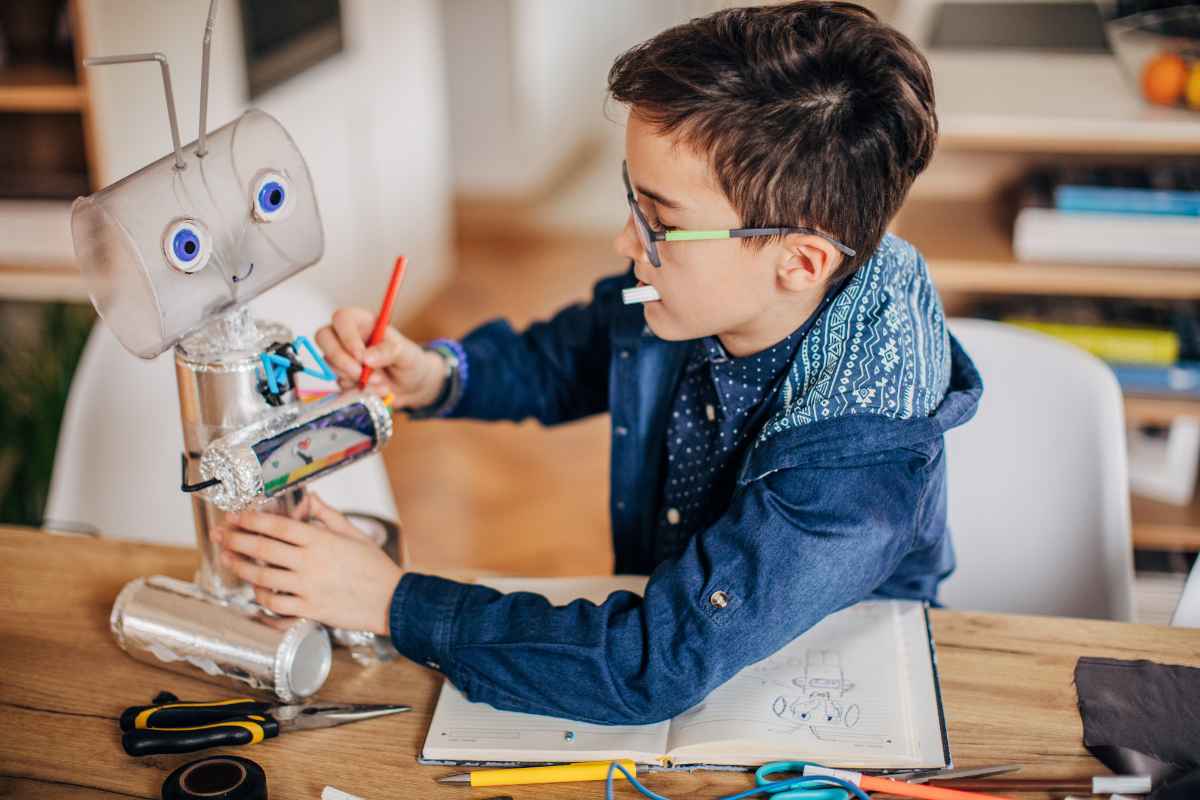 Why Reuse?
It reduces waste
Saves money on toys
Teaches resourcefulness
Opt for Eco-friendly Art Supplies
Art is a fantastic way for toddlers to express themselves. However, traditional art supplies often contain chemicals or come in non-recyclable packaging.
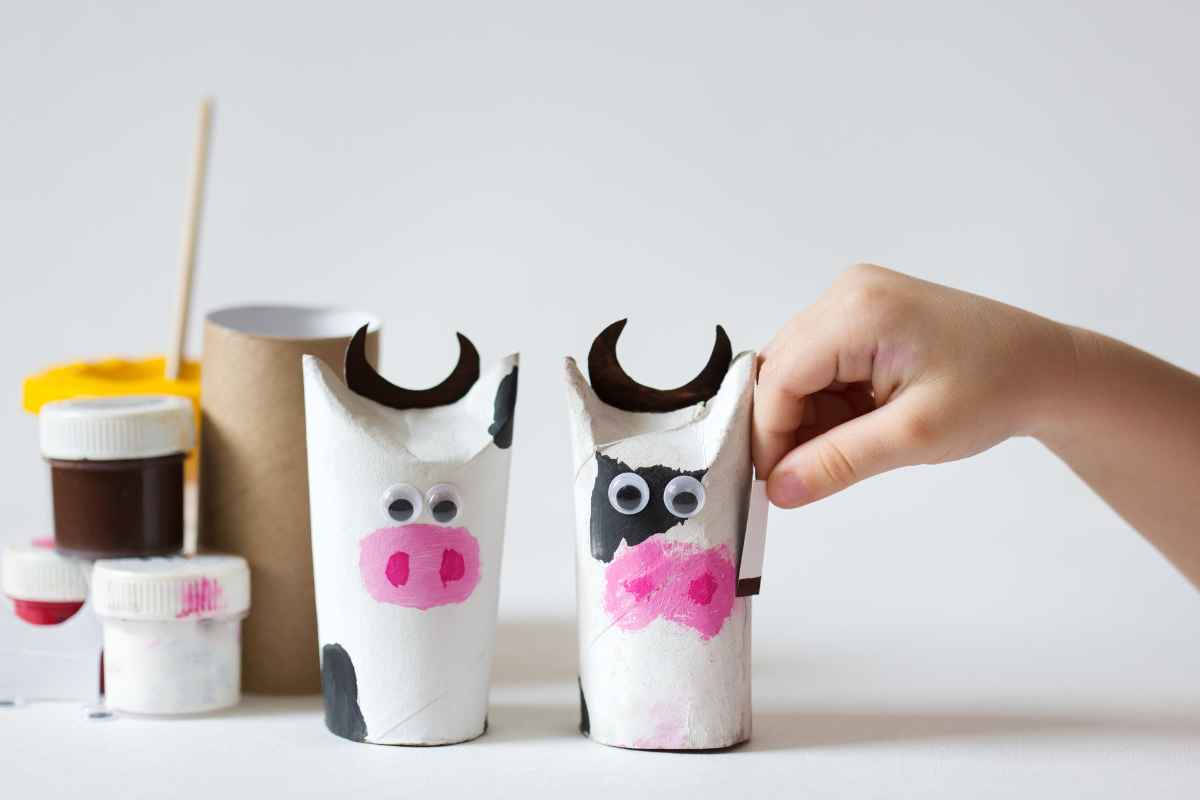
Choose natural crayons, recycled paper, and water-based paints to make their art experience both fun and sustainable. Encourage your toddler to repurpose old drawings or scraps of paper for new projects instead of throwing them away.
Sustainable Art Benefits:
Minimizes environmental waste
Teaches the value of reusing materials
Sparks creativity using eco-friendly methods
Set an Example of Sustainability
 Set an Example of Sustainability
Toddlers are great imitators, so modeling sustainable habits will make a huge impact. Show them how to care for their environment by recycling together, using cloth bags, or choosing eco-friendly products when you go shopping. Even small actions, like turning off lights when not in use or watering plants with leftover water, can teach toddlers valuable lessons about conservation and responsibility.
Benefits of Leading by Example:
Reinforces learning through action
Helps establish long-term eco-friendly habits
Builds a sense of responsibility
Encourage Minimalist Play
One of the cornerstones of sustainable play is minimalism. Instead of overloading your child’s play area with an abundance of toys, focus on quality over quantity.
A smaller collection of well-chosen toys allows your toddler to engage more deeply with each item. This encourages imaginative play and teaches the importance of having only what is needed, avoiding the wastefulness of clutter.
Why Minimalist Play Works:
 Why Minimalist Play Works:
Fosters creativity and problem-solving
Prevents overwhelming your child with too many choices
Reduces toy clutter and waste
Building Eco-conscious Habits Early On
Integrating sustainable practices into toddler playtime is not just about choosing the right toys, but about shaping a mindset that will carry into adulthood.
By embracing eco-friendly toys, nature-based play, recycling, and minimalist habits, you can teach your toddler valuable lessons about taking care of the planet.
The most important part is leading by example and showing them that small actions can make a big difference. Start early, and your child will grow up knowing why sustainability matters in every part of life.
Did you find this post useful or inspiring? Save THIS PIN to your PARENTING Board on Pinterest! 😊


You may also like