
How to Make Your Home Baby-Friendly: Safety Tips Every Parent Needs

Welcoming a baby into your home is a joyful and exciting time, but it also brings the responsibility of ensuring a safe environment. Babies explore their world with curiosity, often crawling, grabbing, and putting things in their mouths.
Creating a baby-friendly home is essential to protect your little one from common hazards and give you peace of mind.
This guide will walk you through practical safety tips every parent needs to make your home a secure and nurturing space for your baby’s growth and exploration.
Why Making Your Home Baby-Friendly is Crucial
Babies are naturally curious and unaware of dangers around them. They can quickly get into situations that adults might overlook. Common household items or areas can pose risks like falls, choking, poisoning, or burns. By proactively baby-proofing your home, you:
Prevent accidents and injuries
Create a safe space for exploration and development
Reduce parental stress by minimizing hazards
Promote your baby’s confidence and independence in a secure setting
 Secure Common Hazard Areas
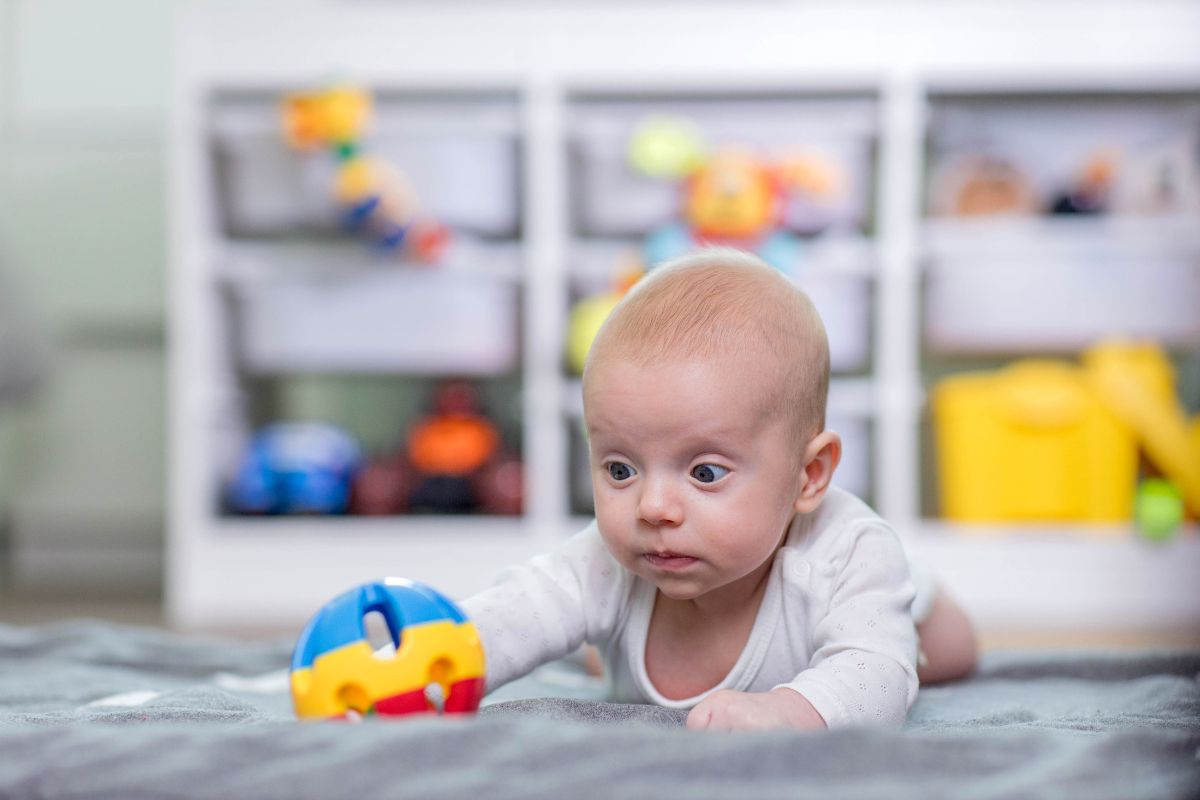 Secure Common Hazard Areas
Certain parts of your home require special attention to keep babies safe.
Stairways and Balconies
Install safety gates at the top and bottom of stairs. Choose sturdy gates that are difficult for babies to open but easy for adults. For balconies, ensure railings are secure and consider adding safety netting to prevent falls.
Kitchens and Bathrooms
Lock cabinets and drawers with childproof latches, especially those containing cleaning supplies, sharp objects, or medications. Use stove knob covers and keep hot appliances and liquids out of reach.
Never leave your baby unattended near water, including bathtubs, buckets, or toilets.
Prevent Choking Hazards
Babies explore by putting objects in their mouths, so choking prevention is vital.
Keep Small Items Out of Reach
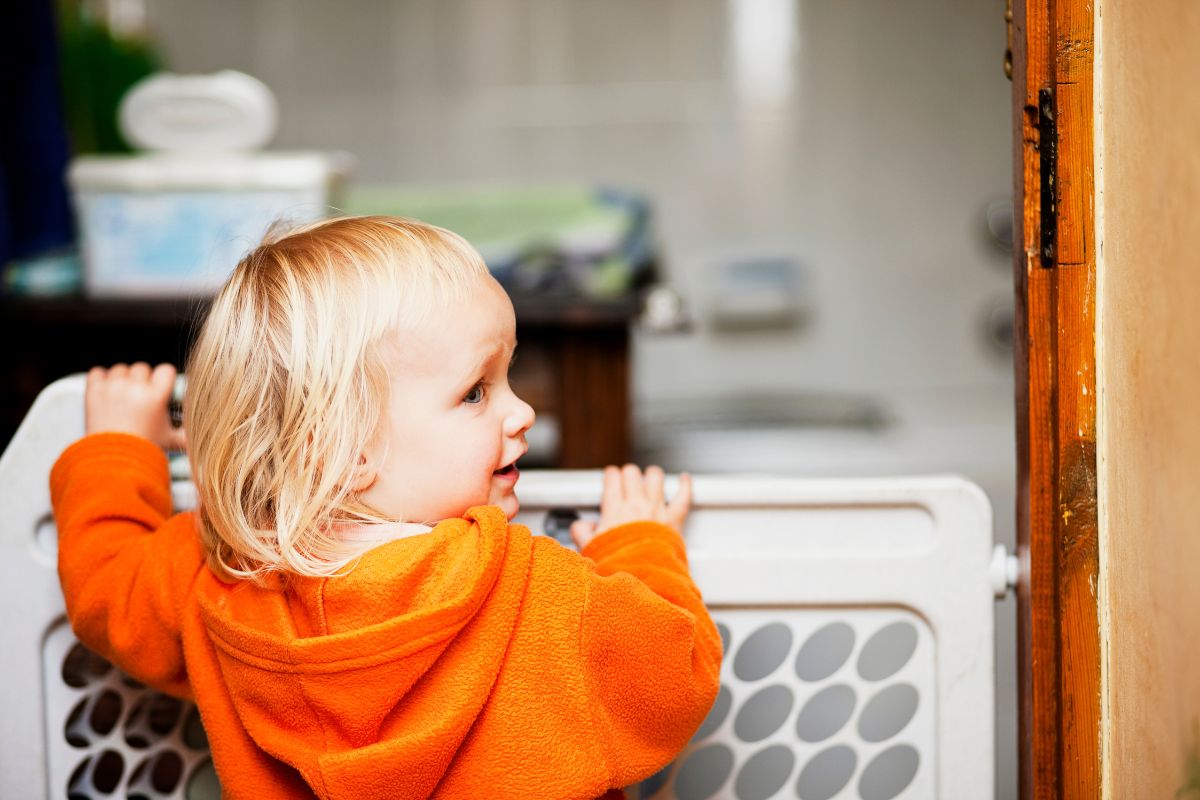 Keep Small Items Out of Reach
Regularly check floors, tables, and low shelves for small objects like coins, buttons, batteries, or toys with small parts. Avoid toys with detachable pieces that could be swallowed.
Choose Age-Appropriate Toys
Select toys designed for babies with large, non-detachable parts made from safe materials. Always follow manufacturer recommendations regarding age suitability.
Manage Electrical and Fire Safety
Electricity and fire hazards can cause severe injuries if not managed carefully.
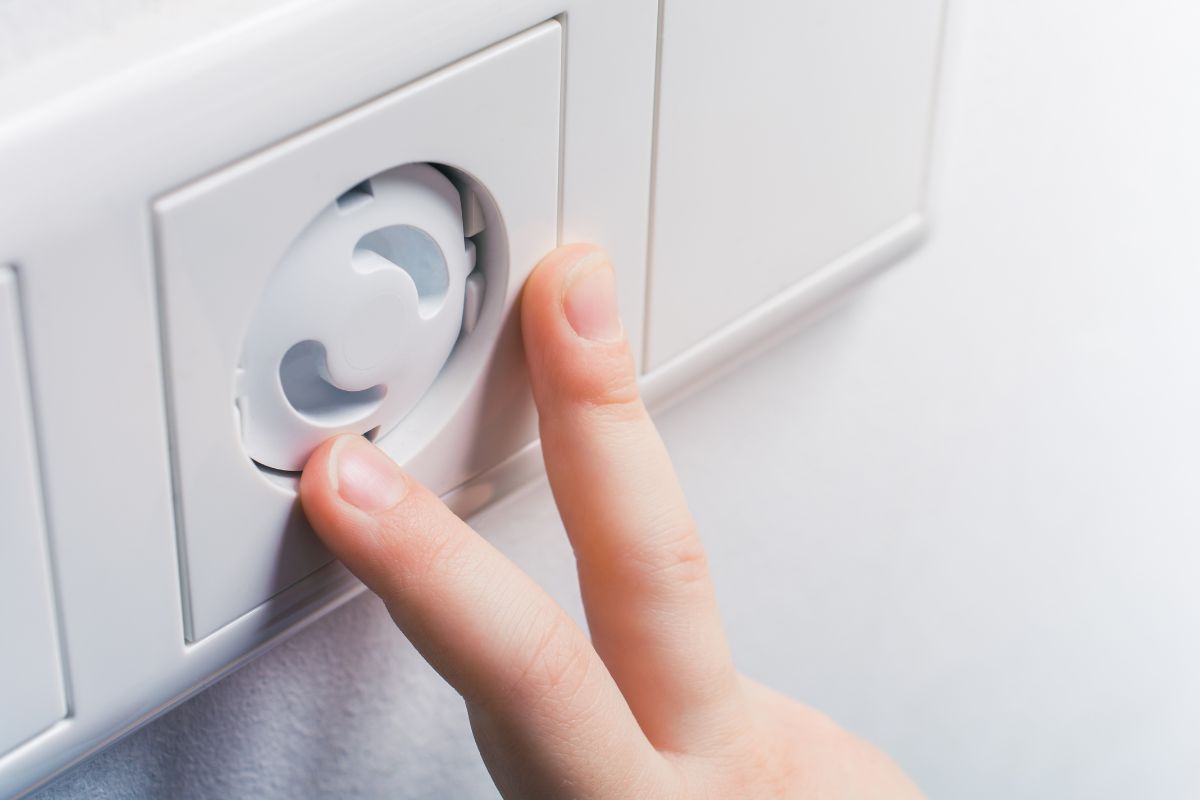
Cover Electrical Outlets
Use outlet covers or plates on all unused sockets to prevent your baby from inserting fingers or objects.
Secure Cords
Keep cords from blinds, electronics, or appliances out of reach or use cord shorteners. Loose cords can cause strangulation or chewing hazards.
Smoke and Carbon Monoxide Detectors
 Smoke and Carbon Monoxide Detectors
Ensure your home has working smoke alarms and carbon monoxide detectors. Test them monthly and change batteries regularly.
Create a Safe Sleep Environment
Safe sleep practices reduce the risk of Sudden Infant Death Syndrome (SIDS).
Use a Firm Mattress and Fitted Sheet
Place your baby on their back to sleep in a crib or bassinet with a firm mattress covered by a tight-fitting sheet.
Avoid Soft Bedding
Remove pillows, blankets, bumper pads, and stuffed animals from the crib. These can pose suffocation risks.
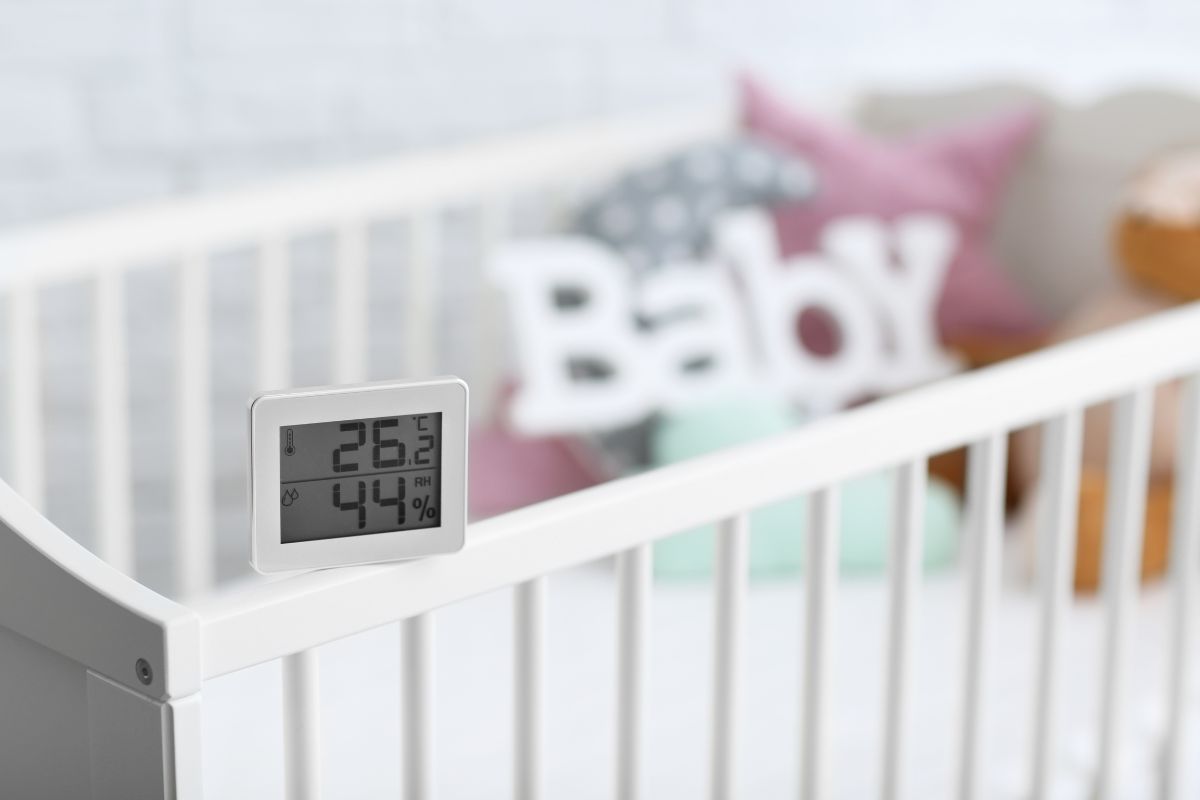
Maintain a Comfortable Room Temperature
Keep the nursery at a comfortable temperature to prevent overheating.
Baby-Proof Furniture and Sharp Edges
 Baby-Proof Furniture and Sharp Edges
Protect your baby from bumps, cuts, and falls.
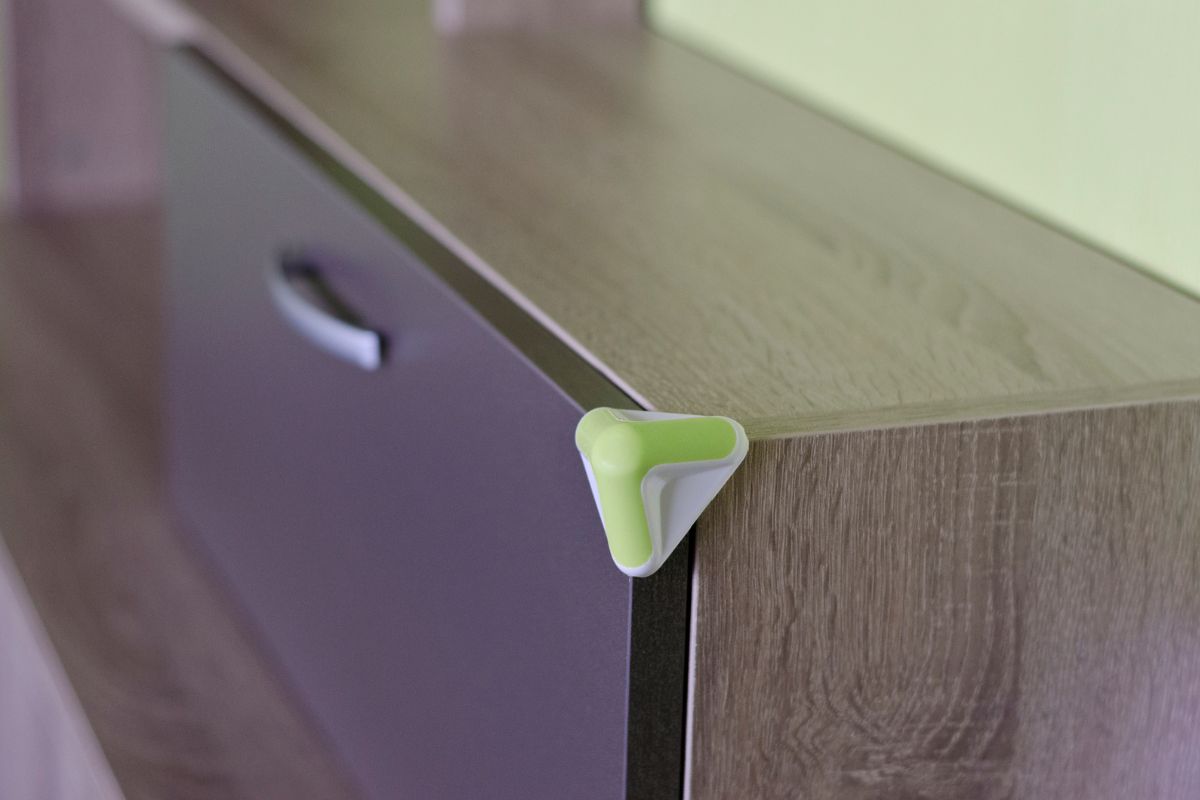
Use Corner and Edge Guards
Install padding on sharp corners of tables, countertops, and furniture.
Anchor Heavy Furniture
Secure bookcases, dressers, and TVs to walls with brackets to prevent tipping if your baby climbs or pulls.
Organize and Declutter
A tidy space reduces risks and makes supervision easier.
Keep Floors Clear
Remove clutter and items from walkways and play areas to prevent tripping.
Store Hazardous Items Safely
Place cleaning products, medicines, and tools in locked cabinets or high shelves.
Supervise and Educate
Even the safest home requires attentive supervision.
Stay Vigilant
 Stay Vigilant
Keep a close eye on your baby, especially during playtime and exploration.
Teach Older Siblings About Safety
If you have other children, educate them on how to help keep the baby safe.
Emergency Preparedness
Being prepared can make all the difference in an emergency.
Keep Emergency Numbers Handy
Post numbers for poison control, your pediatrician, and emergency services where they’re easily accessible.
Learn Infant First Aid and CPR
Consider taking a course to be ready to respond to emergencies confidently.
Building a Safe and Loving Home for Your Baby
Making your home baby-friendly is a vital step in welcoming your child into the world. By carefully securing hazards, creating safe sleep and play environments, and maintaining vigilant supervision, you provide the foundation for your baby’s healthy and happy growth.
Baby-proofing isn’t about perfection but about thoughtful, ongoing efforts to protect your child while allowing them to explore and learn.
With love, preparation, and patience, you create a nurturing space where your baby can thrive and your family can enjoy peace of mind.
Did you find this post useful or inspiring? Save THIS PIN to your PARENTING Board on Pinterest! 😊

You may also like