
How to Use Everyday Cooking as a Learning Activity for Toddlers

Cooking with toddlers might seem messy and time-consuming, but it’s also an incredibly beneficial and enjoyable way to introduce them to various life skills, math concepts, and creative expression.
The kitchen can be a rich environment for learning, offering opportunities to practice motor skills, develop language, and engage in sensory exploration.
By involving your toddler in everyday cooking activities, you’re not only preparing a meal but also helping them build a foundation of essential skills that will last a lifetime. In this article, we will explore how to use everyday cooking as a fun and educational activity for toddlers.
The Benefits of Cooking with Toddlers
Before diving into the “how” of cooking with toddlers, let’s first consider the benefits this activity offers:
1. Enhancing Fine Motor Skills
Cooking provides toddlers with numerous opportunities to develop fine motor skills. From stirring ingredients to spreading butter or pouring liquids, these tasks require hand-eye coordination and the use of small muscles, helping to strengthen their dexterity.
2. Building Early Math Skills
Cooking involves a lot of measuring, counting, and shaping, which are important math concepts. Toddlers can practice counting cups of flour, measuring spoons, and learning about fractions (e.g., half or whole). These simple activities lay the groundwork for understanding numbers and measurement.
 3. Improving Language Development
 3. Improving Language Development
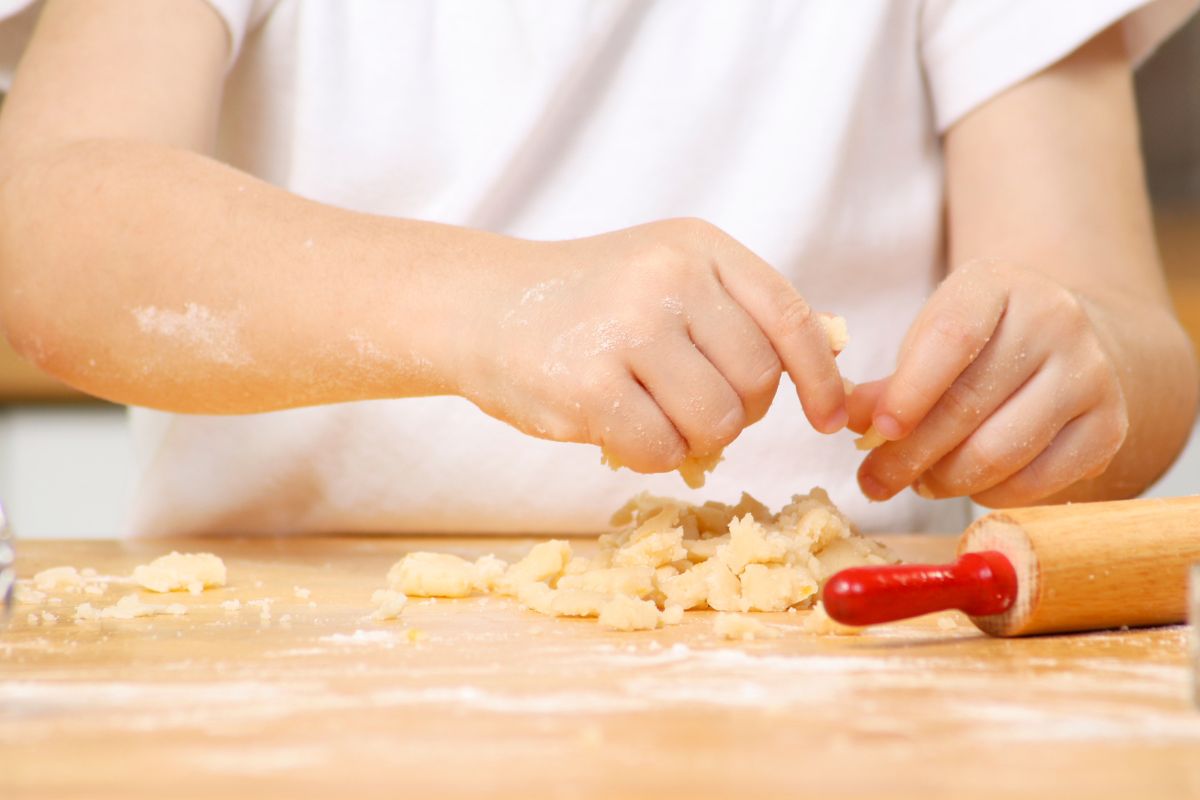
As you cook, you’ll naturally be using a lot of descriptive language. You’ll talk about the colors, textures, shapes, and sizes of various ingredients, which helps expand your toddler’s vocabulary.
Cooking also introduces them to action words like stir, mix, cut, and pour, which enhance their language comprehension and communication skills.
4. Promoting Independence and Confidence
Allowing your toddler to take an active role in cooking promotes independence. As they follow simple steps and see the results of their efforts, they gain a sense of accomplishment and confidence. This encourages them to take on new challenges, not just in cooking, but in other areas of life as well.
How to Make Cooking an Educational Experience for Toddlers
Now that you know the benefits, here are some practical ways to turn cooking into a learning experience for your toddler.
1. Start with Simple, Safe Tasks
When cooking with toddlers, it’s important to keep tasks simple and safe. Choose activities that are age-appropriate and allow them to participate without risk. Some great toddler-friendly tasks include:
Washing vegetables or fruits: Let them rinse produce under water, which introduces concepts of cleaning and hygiene.
Stirring: Give them a bowl and a spoon to stir ingredients like flour or batter. This builds coordination and gives them a sense of involvement in the process.
Pouring: Provide a child-sized pitcher to pour liquids such as milk or water into mixing bowls. This is a great way to practice control and accuracy.
Tearing herbs or greens: Have your toddler tear leaves of lettuce or herbs, which helps develop hand strength and motor control.
Supervise them closely to ensure they are safe, especially when handling sharp objects or hot surfaces.
2. Incorporate Math Activities
 2. Incorporate Math Activities
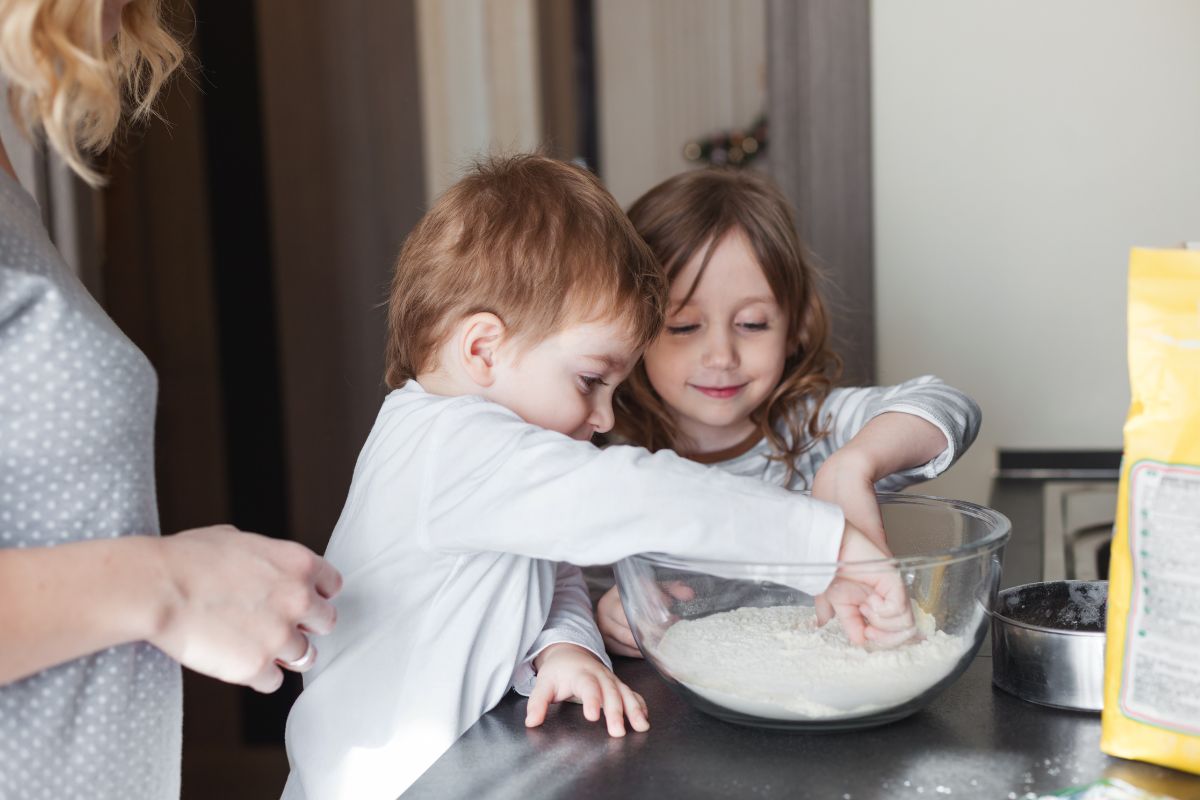
Cooking offers numerous opportunities to practice early math skills. Use the tasks to teach counting, measuring, and pattern recognition. Here are some ideas:
Counting ingredients: Ask your toddler to count out how many eggs, cups of flour, or pieces of fruit you need for the recipe. This reinforces the concept of numbers and counting.
Measuring: Let your toddler help with measuring cups and spoons. You can introduce them to fractions by explaining how half a cup is less than one cup, and so on.
Creating patterns: For a fun visual activity, ask your toddler to create patterns with ingredients, like layering fruits for a salad or arranging veggies on a pizza.
These activities help build a strong foundation for early math skills in a very hands-on and interactive way.
3. Explore Sensory Learning
Cooking is a great way to engage a toddler’s senses. Allow them to touch, smell, see, and taste various ingredients as you work. This sensory exploration fosters curiosity and enhances learning in the following ways:
Touch: Let your toddler feel the texture of ingredients like dough, vegetables, or rice. Ask them to describe the texture: “Is it smooth or bumpy? Soft or hard?”
Smell: Have them smell herbs, spices, or cooking food. This helps toddlers associate scents with different flavors and ingredients.
Taste: Depending on the food, give your toddler safe, small bites to taste as you cook. This encourages them to explore new flavors and experience food with all their senses.
You can also talk about how the food changes as it cooks: “The butter melts, the bread rises, the soup bubbles.”
4. Teach Healthy Eating Habits
 4. Teach Healthy Eating Habits
Cooking together offers a wonderful opportunity to introduce healthy food choices to toddlers. Explain the benefits of certain foods and encourage them to make healthy decisions. Here are some ways to make healthy eating part of the experience:
Discuss nutrition: Talk to your toddler about the importance of eating fruits and vegetables for strong bodies. For example, explain that “carrots help you see better” or “spinach makes your muscles strong.”
Incorporate healthy ingredients: Choose recipes that use whole grains, vegetables, and lean proteins. Let your toddler help prepare these healthy ingredients, reinforcing the idea of balanced meals.
Introduce variety: Use cooking as a way to expose your toddler to different cuisines and food types. Experiment with new foods to expand their palate, from colorful fruits to exotic vegetables.
By incorporating these lessons into cooking time, you’re setting the stage for a lifetime of healthy eating habits.
5. Make it Fun and Interactive
Above all, cooking with toddlers should be a fun and interactive experience. Keep the atmosphere light-hearted and encourage playfulness throughout the process. Here are some ways to make it even more engaging:
Sing songs: Create little songs about the ingredients or actions (e.g., “Stir, stir, stir the soup! Stir, stir, make it smooth!”).
Use child-friendly tools: Invest in small, safe kitchen tools made for toddlers, like plastic knives or mini whisks, to make the experience more enjoyable and age-appropriate.
Get creative with presentation: Let your toddler help arrange food on plates, creating fun shapes or faces. This encourages creativity and pride in their work.
By keeping things light and interactive, cooking becomes a joyous and memorable activity rather than a chore.
Turning Everyday Cooking into a Lifelong Learning Experience
 Turning Everyday Cooking into a Lifelong Learning Experience
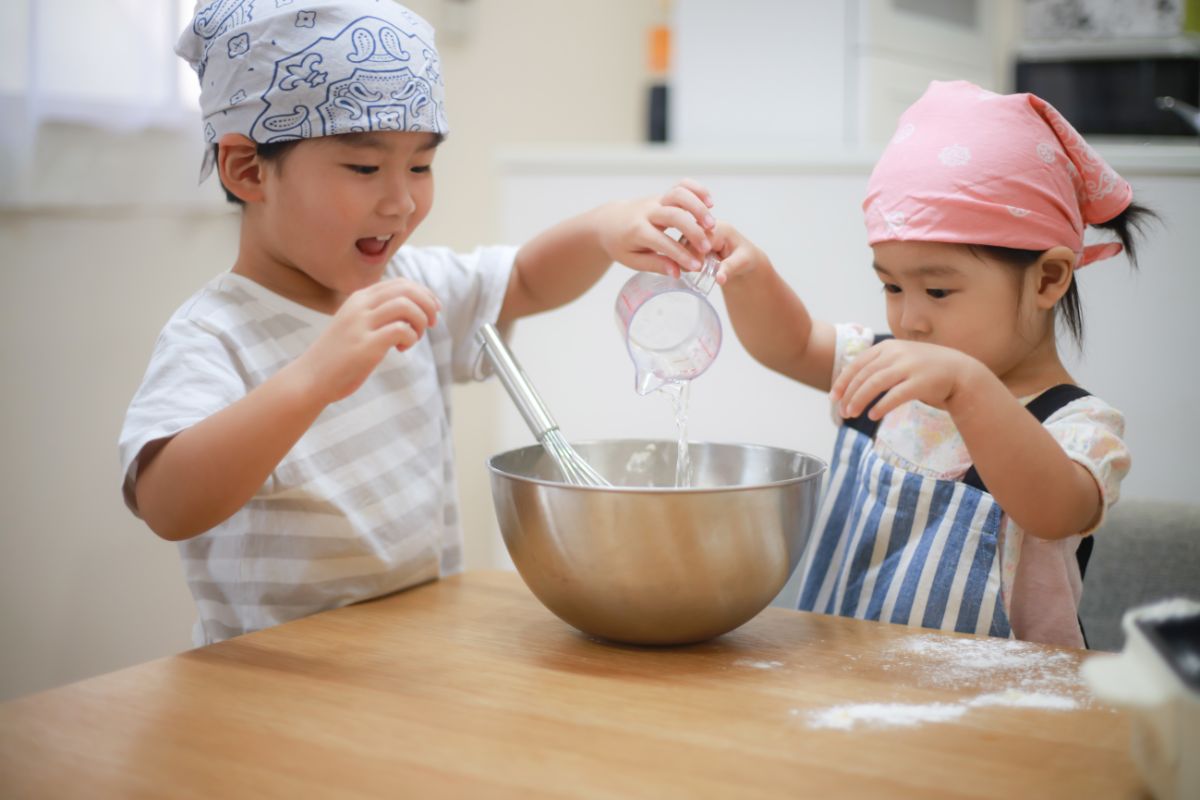
Cooking with toddlers is more than just a way to prepare meals—it’s an opportunity to teach important life skills, reinforce early math concepts, and foster a love of healthy eating.
By turning everyday cooking into a learning activity, you’re not only involving your toddler in the kitchen but also helping them develop vital skills that will serve them well into the future.
Whether you’re baking cookies, making a salad, or preparing dinner, the kitchen is a wonderful place to bond with your toddler while teaching them lessons that go beyond the recipe.
By using interactive tasks, incorporating sensory exploration, and making learning fun, you create an environment where both you and your toddler can enjoy the process of creating something together.
The joy of cooking becomes a shared experience that nurtures their curiosity, creativity, and understanding of the world around them.
Did you find this post useful or inspiring? Save THIS PIN to your PARENTING Board on Pinterest! 😊


You may also like