
Introducing Basic Sign Language to Babies Before They Speak
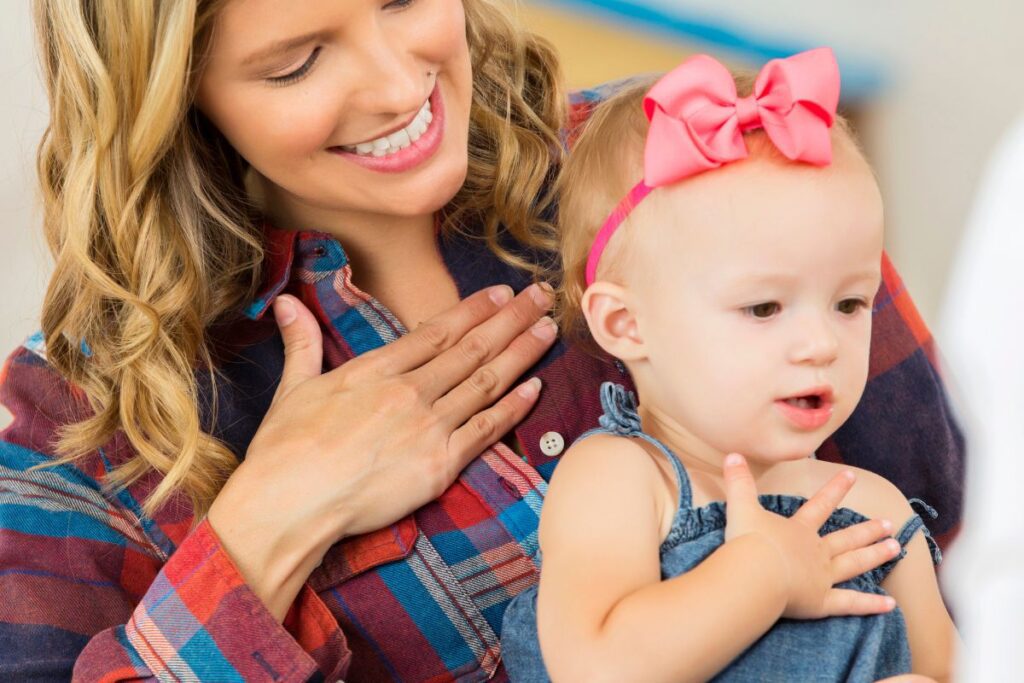
As parents, we always want to find ways to help our babies communicate with us, even before they can speak. One effective and growing method is introducing sign language to babies.
Although babies are not able to speak at birth, they are capable of understanding and expressing themselves through simple gestures. Teaching them basic sign language can be an empowering way for them to express their needs, desires, and emotions early on.
In this article, we’ll explore the benefits of introducing sign language to babies and offer tips on how to get started.
The Power of Early Communication
Early communication is essential for your baby's development. While it can be frustrating for babies who cannot yet speak to express themselves, using sign language provides them with a way to communicate their wants and needs before they can form words.
Research has shown that introducing sign language before speech development can actually boost language skills and even enhance emotional bonding between parent and child.
 Building a Stronger Bond
 Building a Stronger Bond
When babies are able to communicate their needs and desires through signs, they feel heard and understood. This strengthens the parent-child relationship and creates a sense of trust and connection.
For instance, when a baby can sign "milk" or "more," the parent knows exactly what they want, which reduces frustration for both the baby and the parent.
Additionally, this early form of communication is not just about reducing frustration. It creates an opportunity for positive reinforcement.
When parents recognize the signs their babies make and respond accordingly, it gives babies a sense of accomplishment and satisfaction.
Aiding Language Development
Many parents worry that teaching sign language to babies will delay their verbal language skills. However, studies have found that babies who are taught sign language often develop their spoken language skills at the same rate or even earlier than babies who are not exposed to sign language.
In fact, using signs can stimulate brain development by reinforcing the connection between words and meaning.
Babies who use signs to communicate also tend to have a larger vocabulary once they begin to speak. Sign language provides a visual reinforcement for words, making it easier for babies to understand concepts and communicate their needs.
Benefits of Sign Language for Babies
 Benefits of Sign Language for Babies
Introducing basic sign language to your baby can have a lasting impact on their development in several ways.
Improved Emotional Expression
Babies may not have the words to express their feelings, but sign language offers a powerful way for them to communicate their emotions. By teaching them simple signs like "happy," "sad," "hurt," or "sleepy," babies can show how they feel without resorting to crying or frustration.
This can also help parents respond to their child’s emotional needs more effectively, fostering emotional intelligence from an early age.
Reducing Frustration and Tantrums
One of the most immediate benefits of teaching sign language is the reduction in frustration and tantrums. When babies can't communicate their needs, they may become upset or frustrated.
Signs provide them with a tool to express themselves, whether it’s to ask for more food, tell you they want to be picked up, or indicate they are tired. This method leads to fewer outbursts and a more peaceful environment for both the child and the parent.
Enhancing Cognitive Skills
Using sign language helps babies engage in cognitive development. Learning to associate hand movements with specific meanings supports the understanding of concepts.
Babies are not just learning words; they are also developing their ability to think and make connections. The act of signing requires babies to remember the gestures, which helps with memory and problem-solving skills.
Getting Started with Baby Sign Language
 Getting Started with Baby Sign Language
Now that we know the benefits of sign language for babies, how do you begin introducing it into your daily routine? Here are some simple steps to start using sign language with your baby:
1. Start with Basic Signs
Begin with a few simple, essential signs that your baby will use frequently. Common signs to start with include:
More: Press your fingertips together, forming a "C" shape, and bring your fingers together repeatedly.
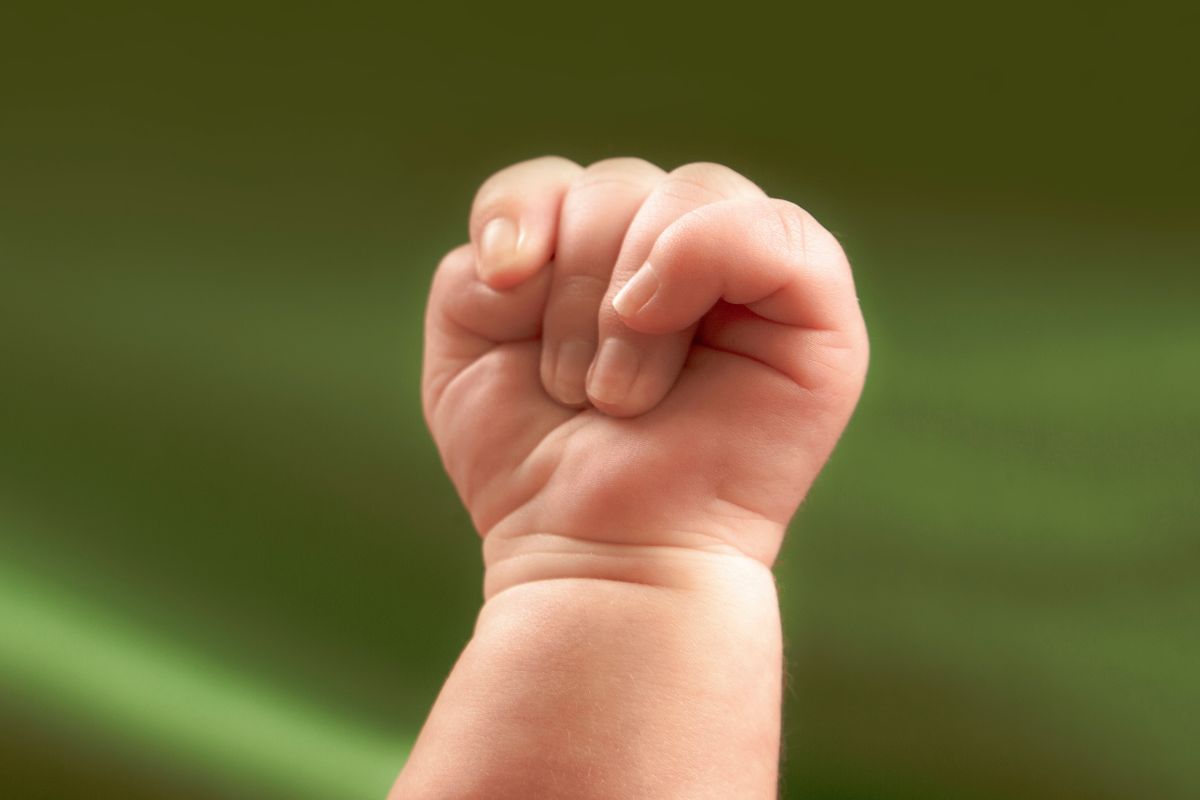
Milk: Make a fist with your hand and open and close it like you're milking a cow.
Eat: Tap your fingers to your mouth as if you’re eating.
All done: Turn your hands with your palms facing out and move them back and forth as if brushing something off.
Please: Place your hand in a flat position on your chest and move it in a circular motion.
Thank you: Move your fingertips from your chin outward in a gesture similar to blowing a kiss.
2. Consistency is Key
 2. Consistency is Key
When you introduce a sign, always use it in context. For example, if your baby is hungry, use the "milk" sign while saying the word aloud. This helps reinforce the connection between the gesture and the meaning. Consistently using the same signs will help your baby understand and eventually use them.
3. Make it Fun
Teaching sign language should be an enjoyable experience for both you and your baby. Use songs, games, and books that incorporate sign language to make learning fun. Babies enjoy repetition, so the more they see and practice signs, the more comfortable they will become with them.
4. Be Patient
Every baby develops at their own pace, so don’t expect them to master sign language overnight. Some babies may start using signs as early as 6 months, while others may take a little longer. Be patient and keep practicing.
Even if your baby doesn’t sign back immediately, they are still processing the information and may begin to sign when they are ready.
The Lasting Impact of Baby Sign Language
 The Lasting Impact of Baby Sign Language
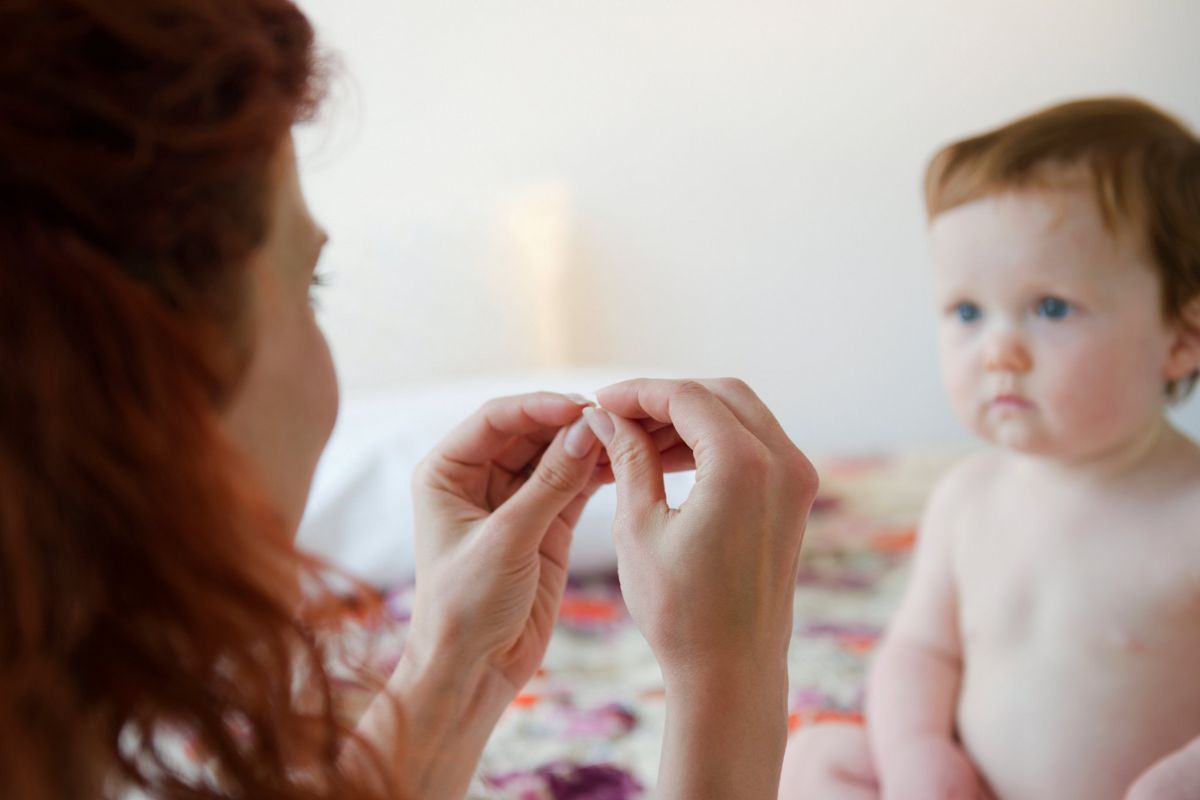
In conclusion, introducing basic sign language to babies before they speak offers numerous benefits that go beyond simple communication. Sign language helps babies express themselves, reduces frustration, and supports cognitive and emotional development.
Not only does it provide a tool for early communication, but it also fosters a stronger bond between parent and child. By integrating sign language into your daily routine, you are giving your baby a powerful way to communicate long before they can form their first words.
It’s a simple, rewarding practice that can have a profound impact on their development.
Did you find this post useful or inspiring? Save THIS PIN to your PARENTING Board on Pinterest! 😊


You may also like