
Teaching Toddlers Patience Through Interactive Games

Patience is a virtue that can be difficult for toddlers to grasp. At this stage in life, children are naturally impulsive, with a desire for immediate gratification. However, teaching toddlers patience is an important part of their emotional and social development.
One of the best ways to teach patience is through interactive games that engage their attention while encouraging them to wait, take turns, and manage their impulses.
In this article, we will explore how interactive games can be used to teach toddlers patience, offering fun and educational ideas for parents and caregivers.
The Importance of Patience in Toddlers
Patience is an essential life skill that helps toddlers develop self-regulation and better manage their emotions. Toddlers who learn to be patient are more likely to:
Develop better social skills: Learning patience helps toddlers share, take turns, and cooperate with others, essential skills for forming friendships.
Manage frustration: Patience can help children handle disappointment or delays without acting out.
Boost emotional intelligence: Being patient encourages toddlers to recognize and regulate their emotions, leading to a more balanced emotional state.
However, since toddlers have not yet developed the cognitive tools to understand delayed gratification, teaching them patience requires practice and gentle guidance.
Interactive games provide the perfect environment to instill these important skills in a playful and enjoyable manner.
 The Power of Interactive Games
 The Power of Interactive Games
Interactive games are a great way to build patience in toddlers because they keep kids engaged and help them see why waiting is worth it.
These games encourage communication, collaboration, and patience, providing immediate rewards for positive behavior while offering fun challenges. Let's explore several types of interactive games that can teach patience.
Turn-Taking Games
Turn-taking games are a fantastic way to help toddlers learn the concept of waiting for their turn. By introducing games that involve alternating turns, toddlers can practice being patient while also learning the importance of fairness.
Example Games:
Board Games: Simple board games like "Candy Land" or "Chutes and Ladders" are ideal for toddlers. These games require players to take turns and offer opportunities for children to practice waiting.
Stacking Games: Games like stacking blocks or building towers encourage toddlers to wait for their turn while someone else is building. You can make it more engaging by adding a challenge, such as asking the child to stack blocks in a particular order.
The key to making turn-taking enjoyable for toddlers is to praise their patience when they wait their turn. This positive reinforcement will motivate them to continue practicing patience in future games.
Pretend Play with Delays
 Pretend Play with Delays
Pretend play encourages imagination, and it also provides a great opportunity to teach toddlers about delayed gratification. By incorporating waiting as part of a pretend scenario, you can help toddlers understand how to be patient in a fun, low-pressure way.
Example Activities:
Restaurant or Café Play: Set up a pretend restaurant and have your toddler "serve" you food or drinks. During this time, encourage them to wait before giving you the "order," helping them practice patience as part of the role play.
Toy Store Play: Set up a pretend toy store where your toddler can buy or sell items. When it’s their turn to be the "shopkeeper," encourage them to wait for you to make your "purchase," showing them the importance of patience as they take turns.
Pretend play offers a natural way to practice patience while keeping the child entertained. Make sure to praise them for waiting patiently, reinforcing the behavior with positive feedback.
Visual Waiting Games
 Visual Waiting Games
Toddlers often struggle with waiting, especially when there’s no clear structure to guide them. Visual waiting games are designed to give toddlers a clear sense of time so they can better understand the concept of waiting.
Example Games:
Hourglass or Timer Games: Use an hourglass or a visual timer to show how long they need to wait. Set a timer and explain that when the timer goes off, it’s their turn. This teaches toddlers that waiting has a defined endpoint.
“Freeze” Game: Play a game of “freeze,” where your toddler has to freeze in place until you give them permission to move. This game helps them practice self-control and patience while they wait for your signal.
Using visual cues like timers gives toddlers a better understanding of how long they need to wait, making the experience more tangible and manageable for them.
Reward-Based Patience Games
 Reward-Based Patience Games
While it’s essential for toddlers to understand that waiting is part of daily life, reward-based games can motivate them to practice patience and recognize its benefits. By providing rewards for waiting, children learn that patience can lead to positive outcomes.
Example Games:
Sticker Charts: Create a sticker chart where your toddler earns a sticker every time they wait patiently. After collecting a certain number of stickers, they can earn a small reward, like a favorite snack or a fun activity.
“I Spy” with Patience: In this game, ask your toddler to find an object, but they must wait for a specific time period before they can look for it. You can time the waiting period using a timer or an hourglass, providing rewards for successful patience.
These games make waiting feel like an accomplishment. With rewards, toddlers start to see that patience is not only beneficial but also fun!
Nurturing Patience Through Playful Learning
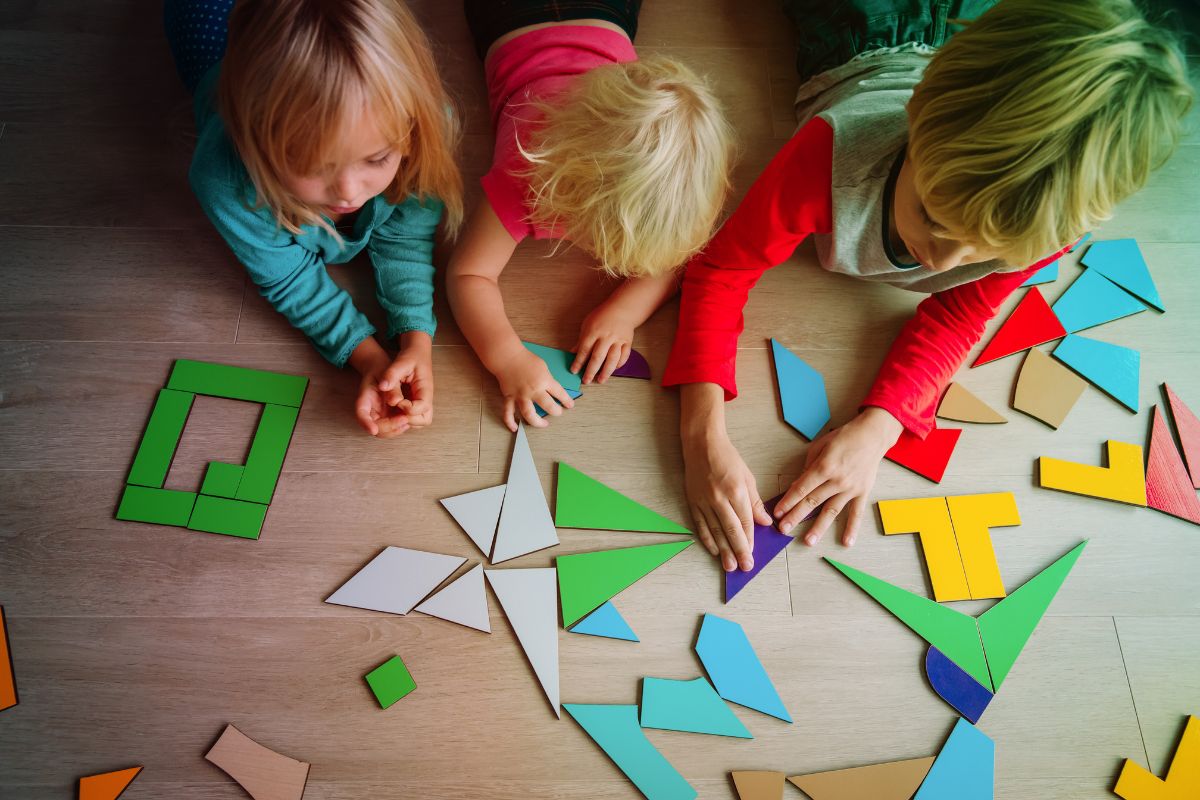 Nurturing Patience Through Playful Learning
Teaching toddlers patience doesn’t need to be a stressful experience. By incorporating interactive games into daily routines, you create opportunities for children to develop patience in a playful and enjoyable way.
Games like turn-taking activities, pretend play, visual waiting games, and reward-based activities provide a structured yet fun approach to learning this important life skill.
Remember, patience is a process. By making it fun, you're helping your toddler build an important emotional tool that will serve them all their life.
The key is consistency and positive reinforcement. Keep playing and celebrating their efforts, and over time, your toddler will begin to understand the value of patience in a world that often expects instant gratification.
Did you find this post useful or inspiring? Save THIS PIN to your PARENTING Board on Pinterest! 😊



You may also like